EN
EN 


The construction industry is undergoing a quiet revolution. Rising costs, urban crowding, and sustainability concerns are forcing developers, businesses, and governments to rethink how they create new spaces. Traditional construction—though reliable—can be slow, expensive, and environmentally demanding.
That’s where modular buildings step in. Once seen as temporary solutions, modular designs have evolved into high-quality, affordable, and long-lasting structures. From schools to healthcare centers, offices to residential complexes, modular buildings are reshaping how we think about modern infrastructure.


What Makes Modular Buildings Affordable Without Sacrificing Quality?
Unlike traditional buildings, which are constructed entirely on-site, modular units are manufactured in factories under controlled conditions. This reduces:
The result? Lower costs without lowering standards.
Time is money in construction. Because site work and module production happen simultaneously, modular projects are completed up to 50% faster than conventional builds. Less time means fewer expenses—especially for labor and equipment rentals.
Affordability isn’t just about upfront cost. High-quality modular buildings are designed to last for decades, reducing the need for constant repairs and replacements. With energy-efficient insulation, durable materials, and modern designs, they save money over the building’s entire life cycle.
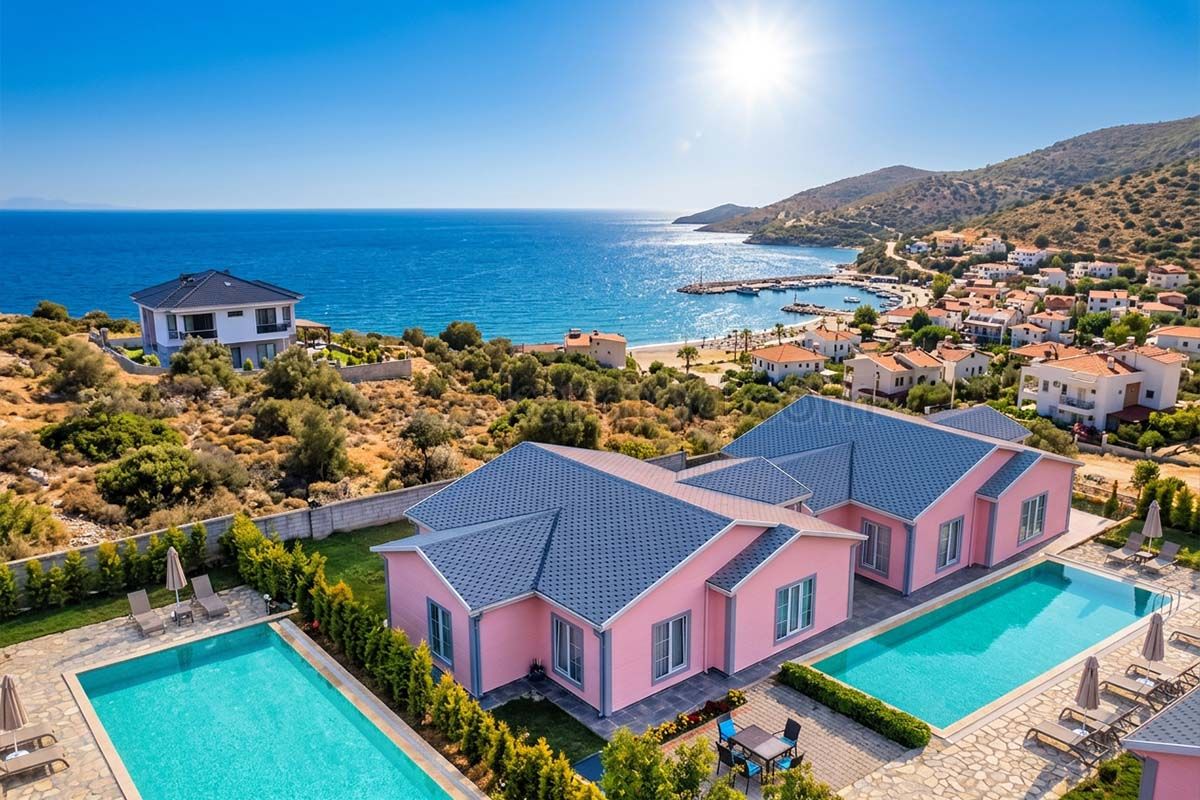
Gone are the days when modular buildings looked like simple boxes. Today’s models can include:


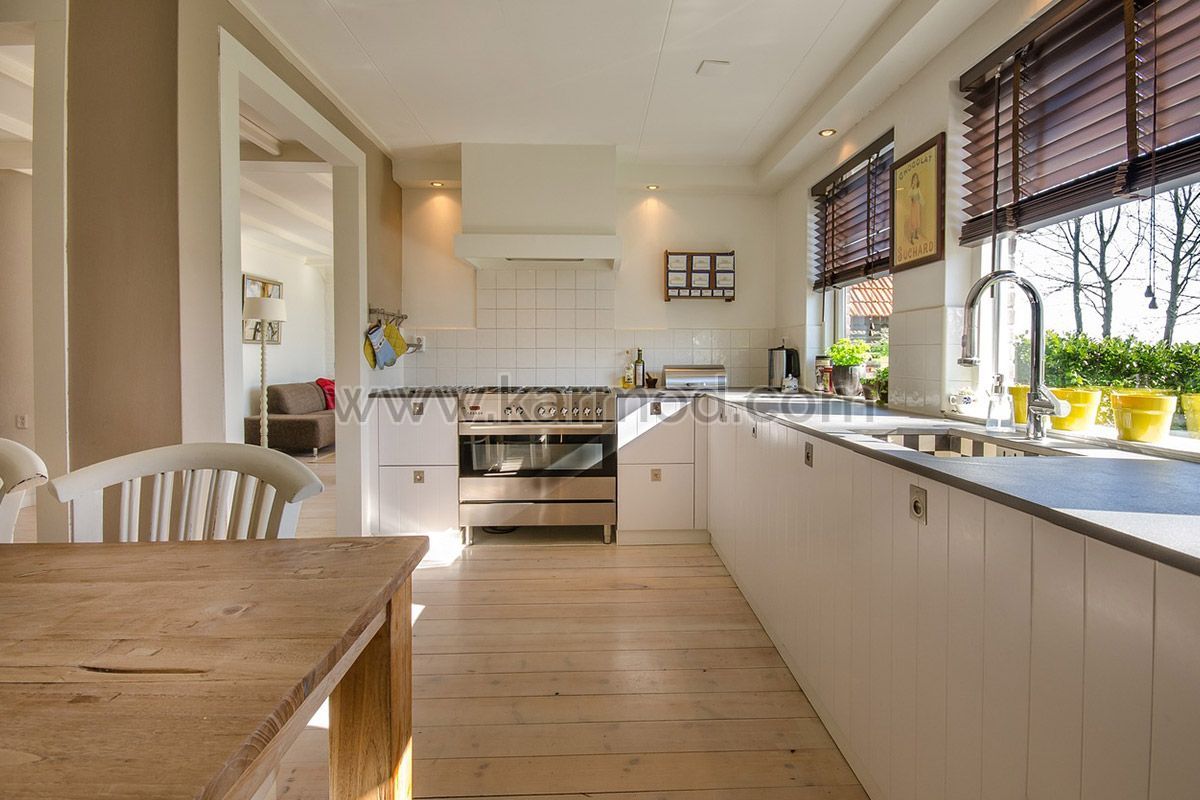


High-quality modular buildings are indistinguishable from traditional ones in terms of comfort. They often feature:
Applications of Affordable Modular Buildings
Sustainability and Environmental Benefits
High-quality modular buildings are not only cost-effective but also eco-friendly.
For communities focused on green growth, modular buildings are a smart investment in both the environment and the economy.
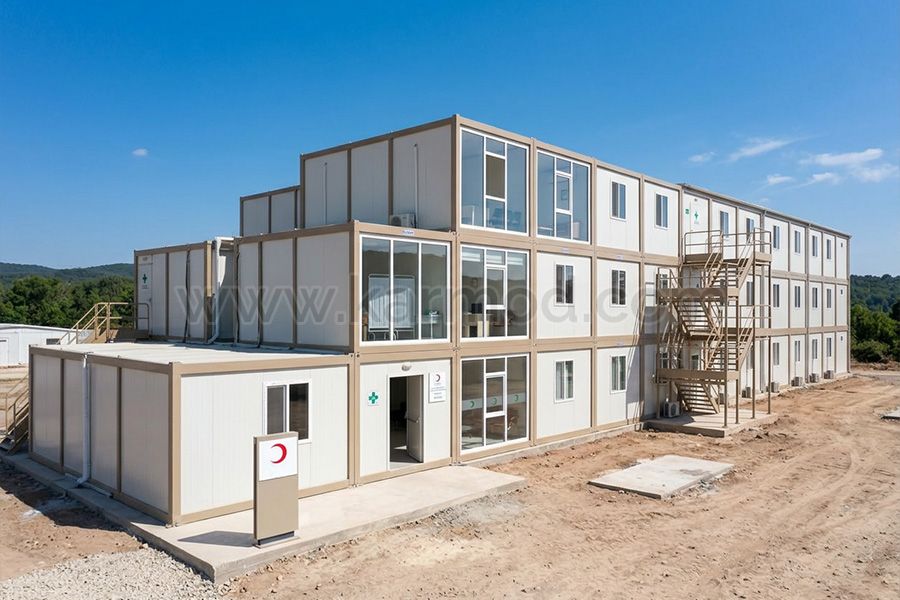
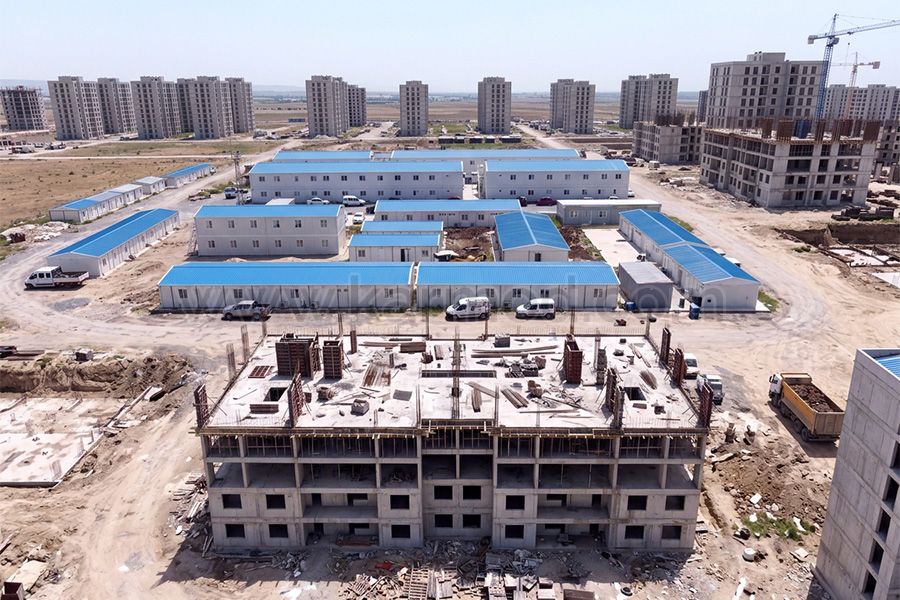
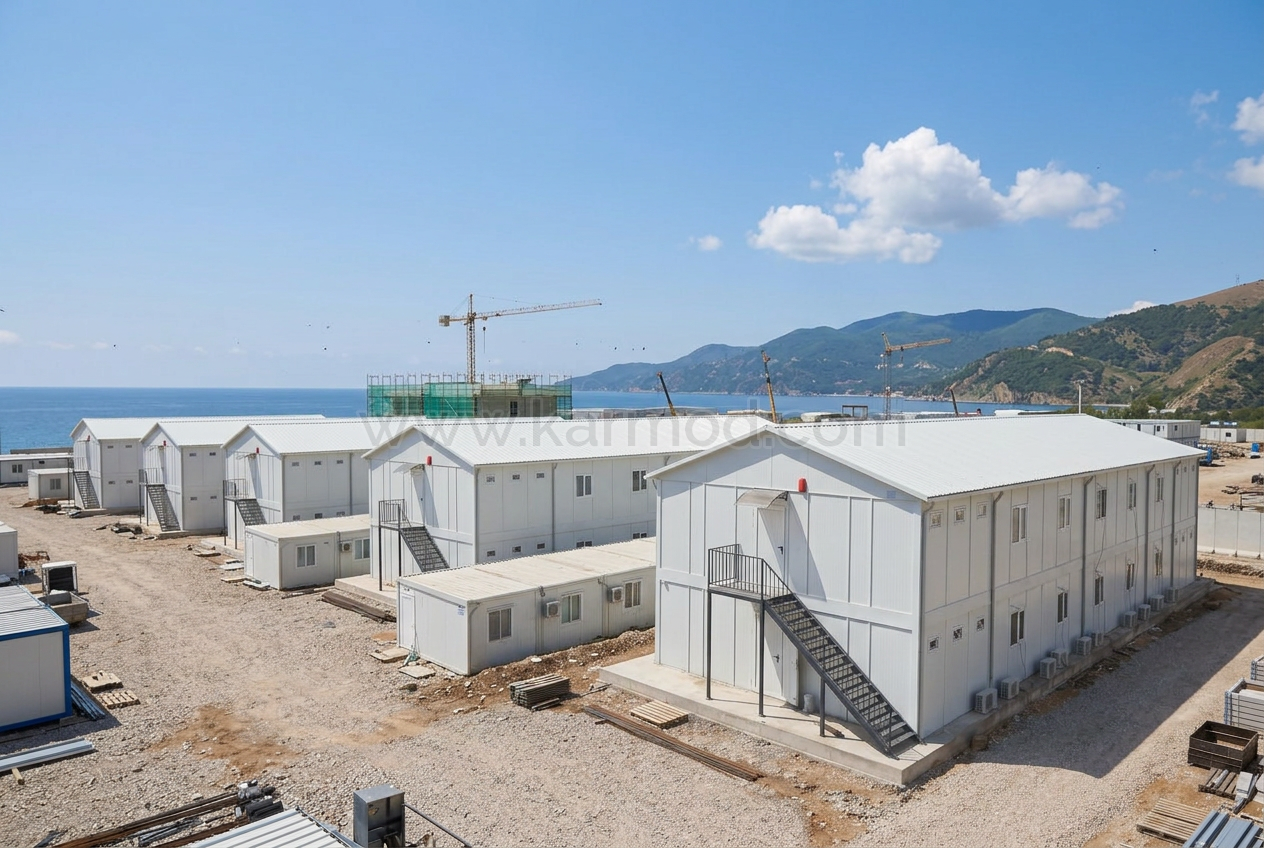
Real-World Examples of Affordable Excellence

These examples prove that affordability does not equal compromise.
The Future of Affordable Modular Buildings
The next generation of modular construction promises even greater efficiency, design innovation, and environmental benefits. Some trends to watch:
As these technologies mature, modular buildings will become not just an affordable option, but the preferred choice for many industries.
Building Smarter Without Overspending
High-quality modular buildings prove that affordability and excellence can go hand in hand. By cutting waste, accelerating timelines, and embracing sustainable practices, modular construction offers communities and businesses the chance to build smarter, faster, and greener—without overspending.
From schools to hospitals, offices to homes, modular solutions are no longer just alternatives. They are the future of construction—accessible, adaptable, and built to last.
In order to serve you better, if you could kindly send an e-mail to info@karmod.com for questions and details about your theoretical and special architectural plans, projects, and product specifications, your request will be responded to as soon as possible.

From one end of the world to the other, we enable our customers to reach the ready-made construction sector produced with the new technology of the world. We guarantee reliability through technology and innovation, flexible commercial models and smart supply chain solutions that add value for you, following the project production network.
Discover
Karmod is one of the largest prefabricated construction companies in Turkey, with a production of 45,000 m2. produces high quality prefabs and prefab containers