EN
EN 


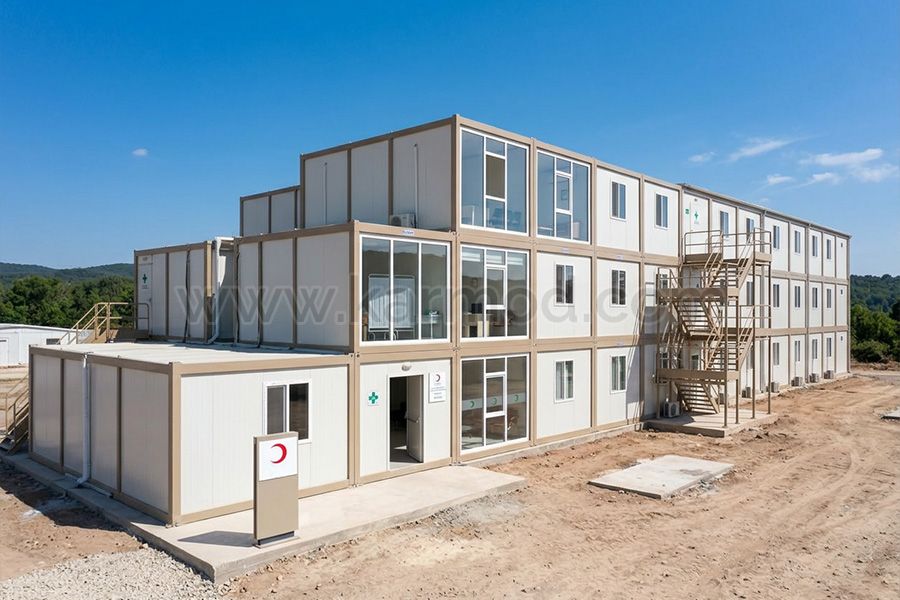
Large construction, mining, infrastructure, and energy projects often take place in locations where hospitals or urban healthcare services are not immediately accessible. In these environments, worker health and emergency response planning become an essential part of camp design. A camp medical clinic container prefab solution helps project owners provide on-site healthcare support, first aid response, and basic medical supervision close to the workforce.
Medical Clinics and First Aid Stations for Construction Camps can be used for daily health checks, first aid treatment, emergency stabilization, occupational health monitoring, and medical coordination. Since they are modular and transportable, these units can be installed quickly in remote camps, mining sites, road projects, oil and gas fields, and large worker villages.
A camp medical container provides a dedicated healthcare space inside the worker camp or near the active project site. This is especially important when workers are exposed to heat, dust, heavy equipment, chemicals, height work, confined spaces, or physically demanding tasks.
Instead of relying only on external medical services, companies can use a site clinic prefab unit to handle minor injuries, basic treatment, health screening, and emergency preparation. This can reduce response time and help medical staff manage incidents more effectively until advanced care or ambulance transfer is available.
In large camps, the medical unit also supports general worker welfare. It can be used for routine checks, fatigue monitoring, heat stress response, medication storage, and health record management.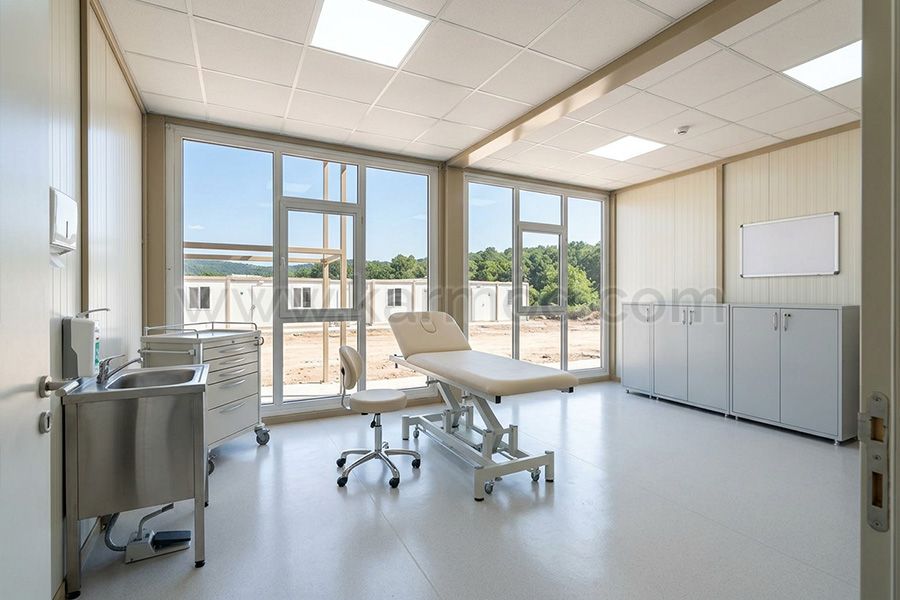
A first aid station construction camp should be easy to access, clearly marked, and positioned where workers can reach it quickly. It should not be hidden behind accommodation blocks, storage areas, or heavy vehicle routes. In emergency situations, fast access can make a major difference.
The station may include an examination bed, first aid cabinets, oxygen equipment, emergency stretcher, handwashing area, medical waste bins, refrigerator for temperature-sensitive supplies, and secure medicine storage. Depending on the project size, it may also include a waiting area, treatment room, rest area, and staff desk.
For large camps, multiple first aid points may be needed. A main clinic can be located in the camp, while smaller first aid stations can be placed near high-risk work zones such as excavation areas, tunnels, plants, workshops, or mining operations.
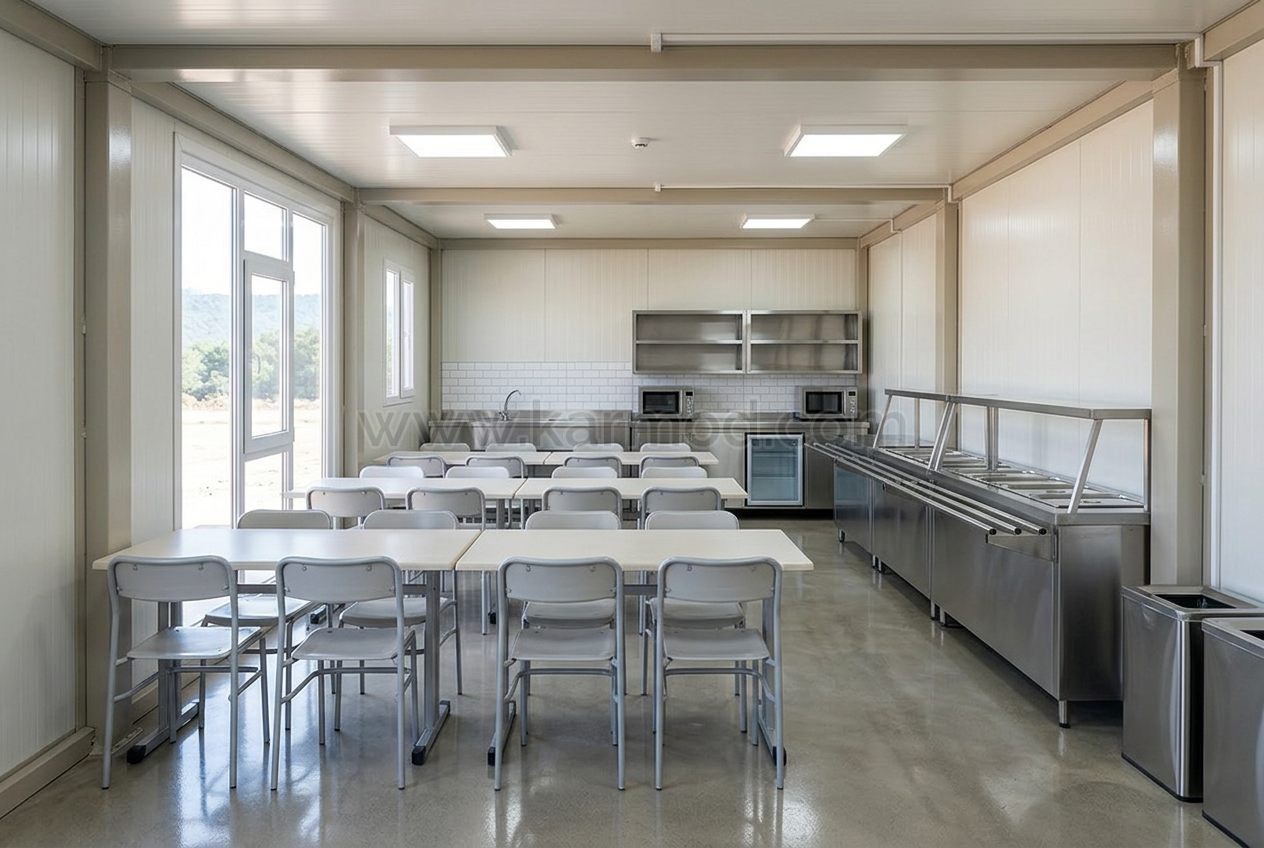
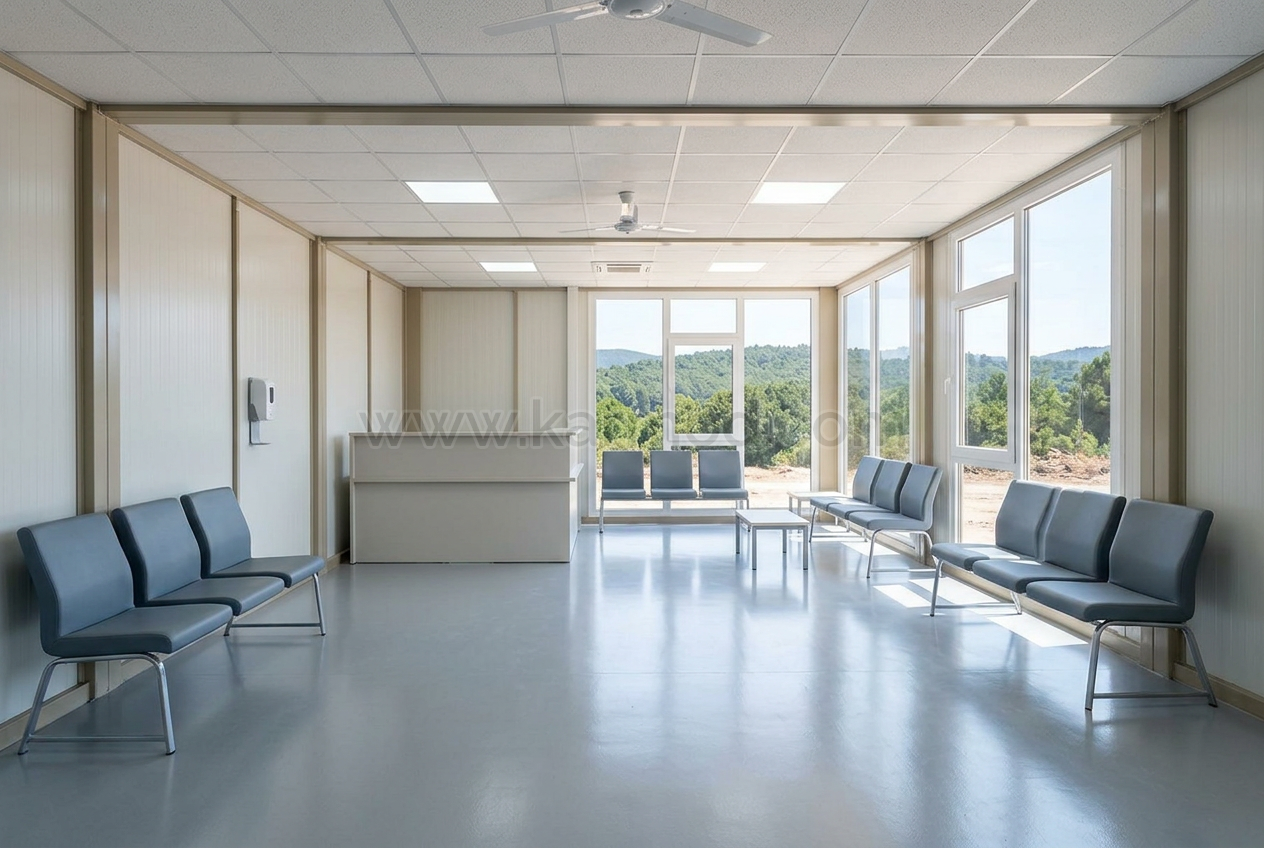
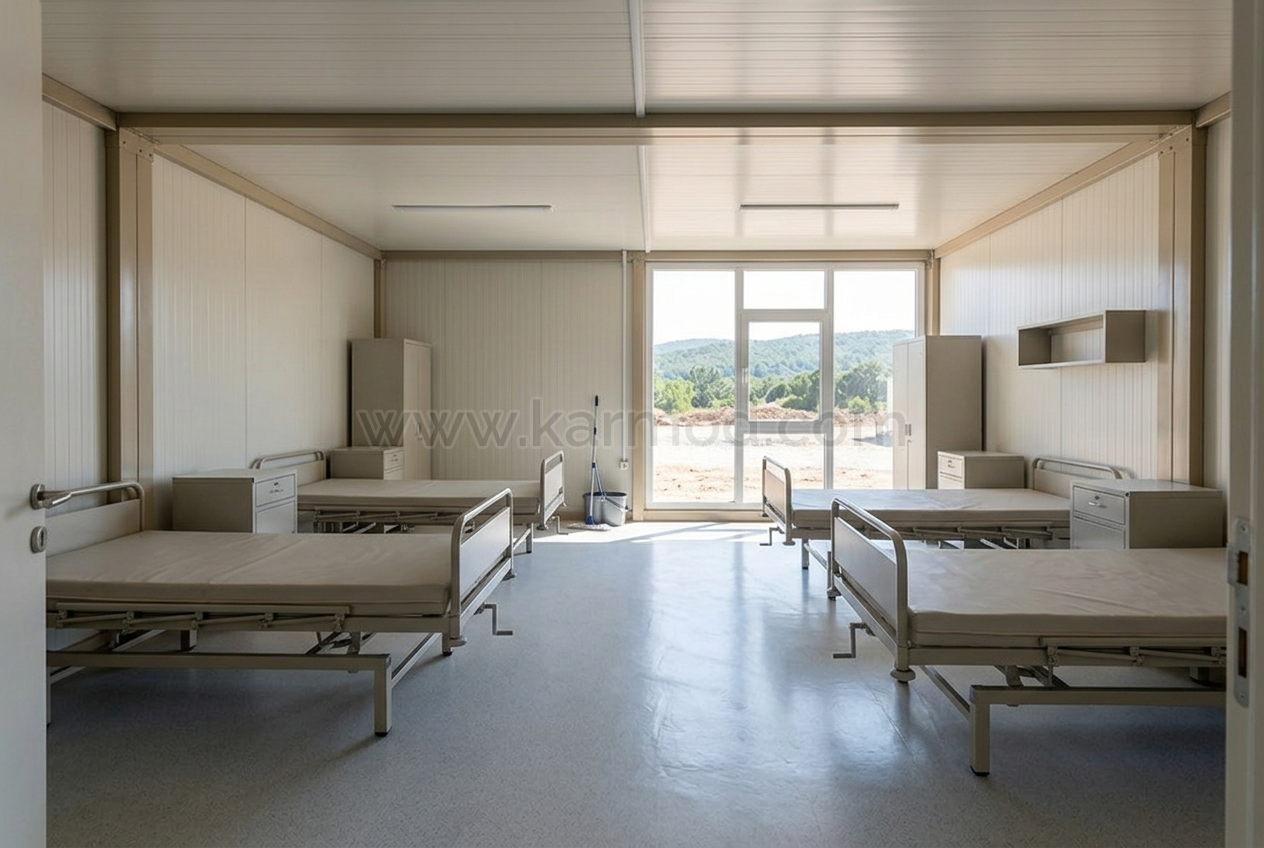
A field hospital modular system is suitable for projects where the workforce is large, the site is isolated, or the nearest hospital is far away. These modular units can offer more advanced medical capacity than a simple first aid container.
A modular field hospital may include triage areas, consultation rooms, treatment rooms, observation beds, emergency response rooms, pharmacy storage, staff areas, and hygiene facilities. It can also be expanded with additional containers if the workforce increases or project conditions require higher medical capacity.
For mining camps, energy projects, and remote infrastructure sites, this kind of medical setup can support both planned healthcare and emergency readiness. It gives the project team a controlled space for managing injuries, illness, and urgent medical decisions on site.
A remote site medical facility must be planned according to project risk, workforce size, local regulations, distance to hospitals, climate conditions, and emergency evacuation routes. A small construction project may only need a basic first aid room, while a remote camp with hundreds or thousands of workers may require a fully equipped clinic.
The location of the clinic should allow ambulance access and safe pedestrian movement. It should be separated from noisy, dusty, or hazardous work zones, but still close enough for rapid response. Clear signage, lighting, communication systems, and emergency vehicle access should be included in the site plan.
Utilities are also important. The clinic may need clean water, reliable power, HVAC systems, internet connection, refrigeration, medical waste control, and backup energy support. These details help the clinic function properly during daily operations and emergency situations.
A construction camp health unit should be designed for hygiene, privacy, and practical medical workflow. Interior surfaces should be easy to clean, and the layout should allow medical staff to examine and treat workers efficiently.
The unit may include a reception desk, examination area, treatment space, medicine cabinet, handwashing station, toilet, storage area, and rest space for workers under observation. For larger projects, separate rooms may be added for consultation, emergency treatment, isolation, telemedicine, or occupational health checks.
Comfort is also important. Proper ventilation, air conditioning or heating, good lighting, and noise control help create a safer and more professional medical environment. Since medical units may operate in hot, cold, dusty, or remote locations, durable materials and reliable insulation are essential.
Modern camp medical clinics can include telemedicine systems that connect on-site medical staff with doctors, specialists, or hospitals. This is useful when the site is far from advanced healthcare facilities or when specialist advice is needed quickly.
Telemedicine capabilities may include video consultation equipment, internet connection, digital medical records, remote monitoring devices, and secure communication systems. These tools can help medical teams evaluate cases, decide whether evacuation is needed, and provide better care in remote areas.
Emergency response planning should also be part of the clinic setup. Stretchers, first aid kits, emergency oxygen, defibrillators, trauma supplies, communication radios, evacuation routes, and ambulance access should be planned according to site risks. A clinic is most effective when it is integrated into the wider camp safety system.
In order to serve you better, if you could kindly send an e-mail to info@karmod.com for questions and details about your theoretical and special architectural plans, projects, and product specifications, your request will be responded to as soon as possible.

From one end of the world to the other, we enable our customers to reach the ready-made construction sector produced with the new technology of the world. We guarantee reliability through technology and innovation, flexible commercial models and smart supply chain solutions that add value for you, following the project production network.
Discover
Karmod is one of the largest prefabricated construction companies in Turkey, with a production of 45,000 m2. produces high quality prefabs and prefab containers