EN
EN 


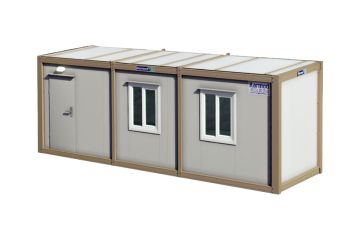
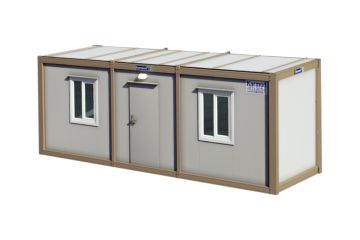
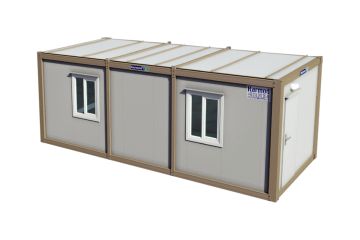
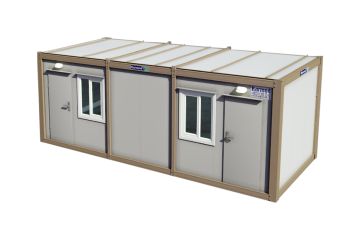
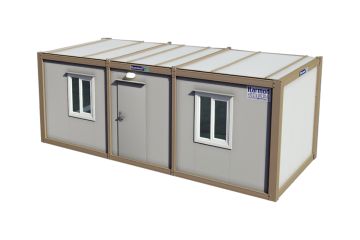
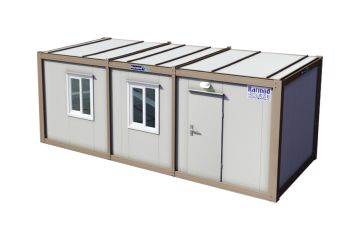
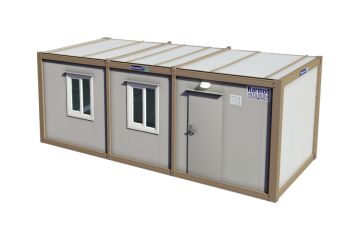
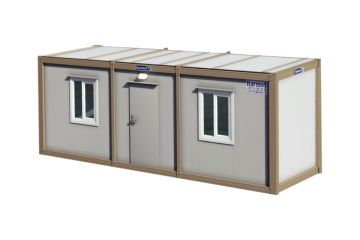
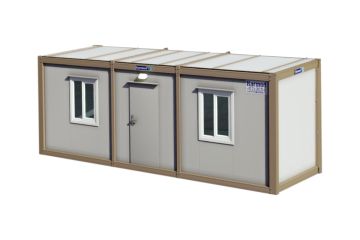
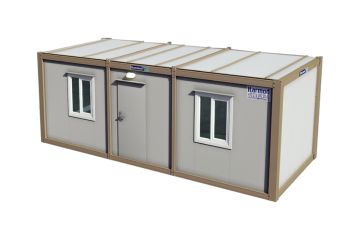
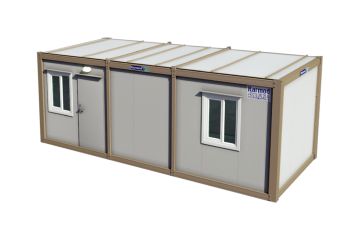
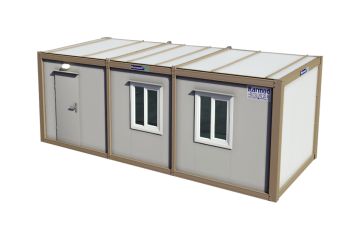
Flat pack containers provide a flexible modular building system for construction, industrial, infrastructure, commercial and international project requirements. Their demountable structure is designed to support efficient transportation, factory-controlled production and adaptable installation at different project locations.
Karmod manufactures flat pack container systems for international projects with configurations that can be adapted according to required dimensions, intended use, insulation specifications, interior layouts and technical requirements.
From individual modular units to larger project configurations, flat pack systems can support offices, site facilities, storage requirements, accommodation and other operational applications while maintaining the transportation advantages of a demountable building system.
A flat pack container is a prefabricated modular structure whose main structural components are manufactured under controlled factory conditions and prepared for efficient transportation before assembly at the required project location.
Unlike a permanently constructed building, the flat pack system is designed around modular components that can simplify logistics and installation depending on the selected configuration.
Typical components can include:
The exact configuration depends on the intended use and technical requirements of each project.
Karmod develops flat pack container systems for projects requiring flexible, modular and transport-efficient building solutions.
Flat pack containers can support applications such as:
Dimensions, internal layouts and technical specifications can be evaluated according to required capacity and operational conditions.

20 ft flat pack containers are frequently researched for construction, industrial and project applications where standardized modular dimensions and efficient transportation are important considerations.
A 20 ft configuration can be evaluated for different purposes depending on the required interior specification, including project offices, technical facilities, staff support areas and other modular applications.
When evaluating a 20 ft flat pack container, project teams should consider:
Final dimensions and technical specifications should always be confirmed according to the selected model and individual project requirements.
Metal flat pack containers combine modular construction principles with structural components designed for demanding project environments.
Metal structural systems can be suitable for construction, industrial and infrastructure applications where durability, repeatable manufacturing and modular configuration are important.
The structural specification should be evaluated according to:
A galvanized steel flat pack container uses metal structural components designed to provide a suitable framework for modular building applications.
Galvanized steel components can support durability and corrosion resistance depending on the structural design, coating specification and environmental conditions in which the container will be used.
The structural frame works together with wall, roof, floor, insulation, door and window systems to create the complete flat pack container configuration.
A modular flat pack container can be used individually or as part of a larger project consisting of multiple units.
The modular approach allows project teams to plan different spaces according to operational requirements. Multiple flat pack units can be arranged to support:
Required configurations can be developed according to floor area, number of users and available project space.
A prefab flat pack container combines factory-controlled prefabricated production with a demountable modular construction system.
Preparing structural elements before delivery can provide several practical advantages:
These characteristics make prefabricated flat pack containers suitable for temporary, semi-permanent and project-based building requirements.

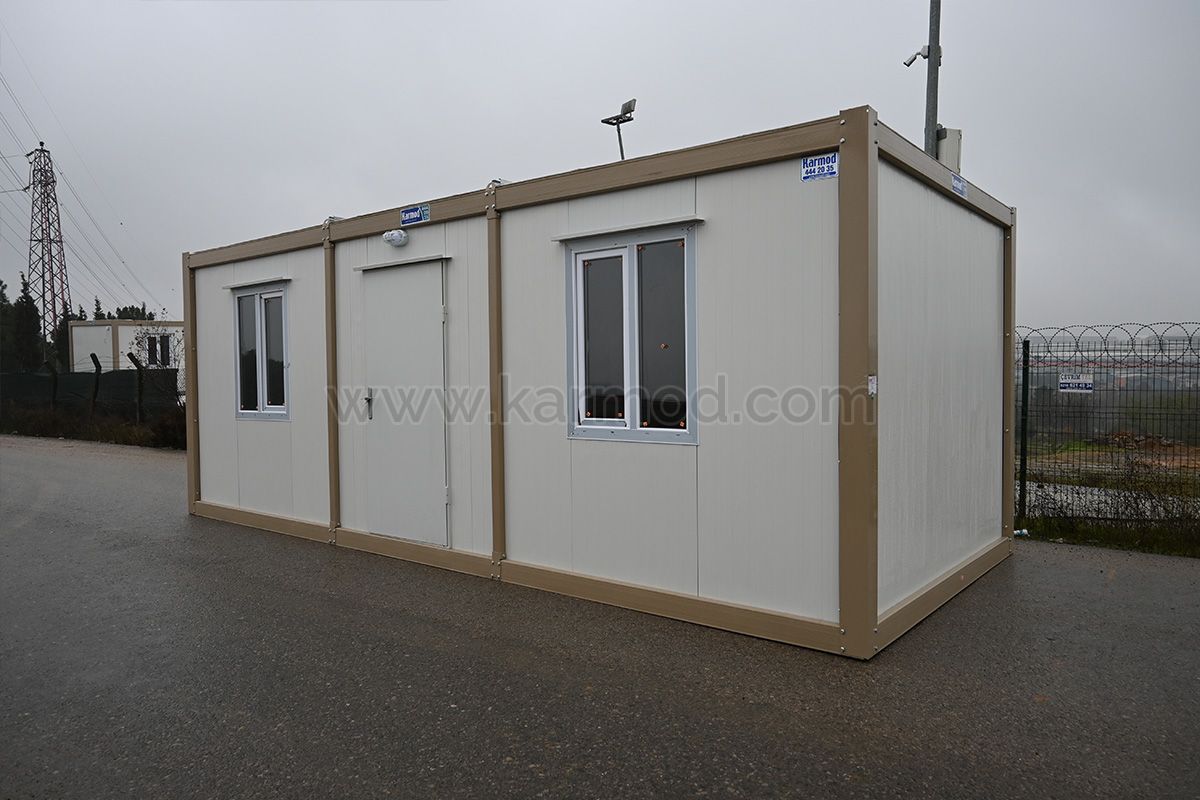

A flat pack modular container can serve different functions depending on its interior layout and technical specification.
Common applications include:
Rather than treating every application as the same product, the appropriate configuration should be developed according to the actual function of the unit.
Construction sites frequently require operational facilities during mobilization and different phases of project development.
Flat pack container systems can support construction projects with:
The modular structure allows the number and configuration of units to be planned according to project size and workforce requirements.
Industrial projects can require additional operational buildings during construction, installation, expansion, maintenance and commissioning activities.
Flat pack container systems can provide adaptable space for:
Each configuration should be evaluated according to project duration, required capacity and technical conditions.
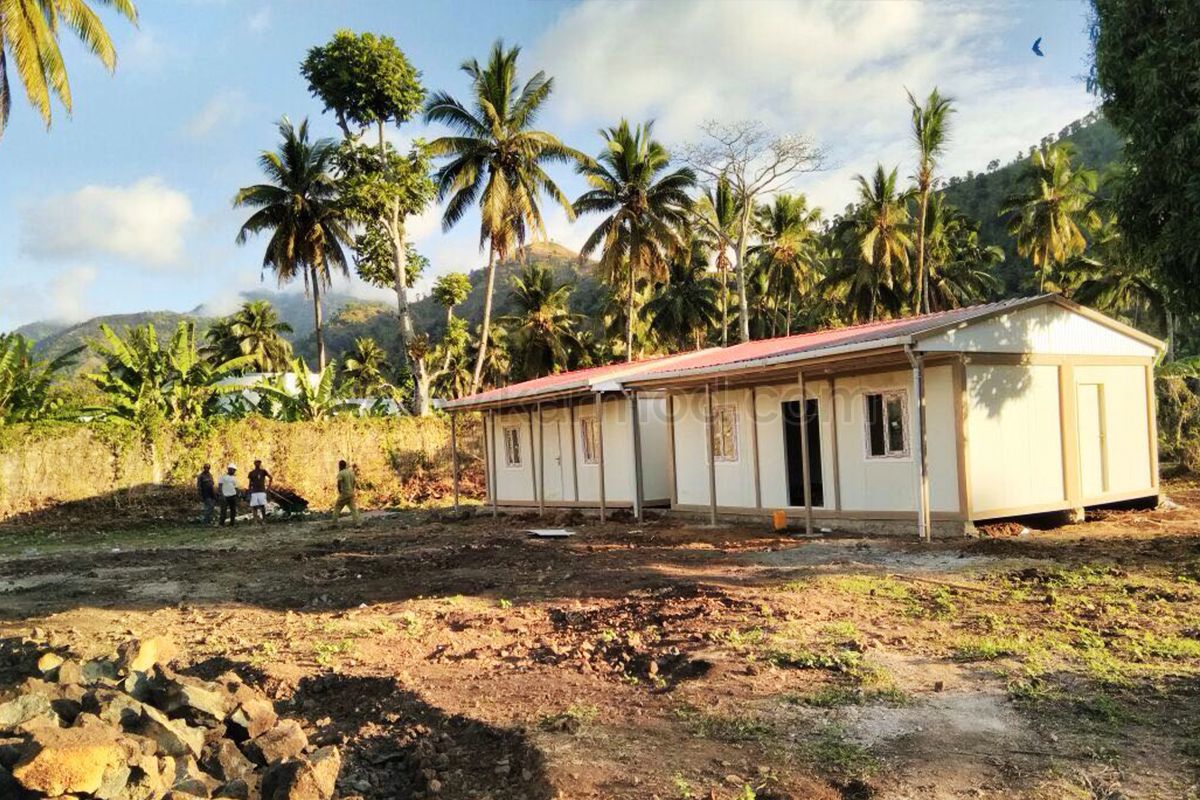
Infrastructure and energy developments can require modular facilities at locations where permanent operational buildings are limited or have not yet been completed.
Flat pack containers can support projects including:
Transportation and installation planning can be adapted according to project location and operational schedule.
Businesses searching for flat pack container Turkey solutions for international projects can evaluate Karmod’s modular building systems according to project specifications, required quantities and delivery requirements.
Karmod develops flat pack containers for construction, industrial, infrastructure and commercial applications and supplies modular building solutions for projects in different international markets.
Project planning can include:
The performance of a flat pack container depends on the complete building system rather than one individual component.
The main elements can include:
These components should be selected according to the intended function and environmental conditions of the project.
Insulation requirements vary according to climate, intended use and occupancy conditions.
Wall and roof insulation can influence:
The appropriate insulation specification should therefore be determined according to the project location and intended building use.
Flat pack containers can be evaluated in different dimensions according to project requirements. The required size depends on number of users, intended application, available installation area and internal layout.
Important planning factors include:
Transport efficiency is one of the important characteristics of flat pack modular systems. Components can be prepared according to the selected product configuration and delivery requirements before shipment to the project location.
Transportation planning can depend on:
Installation requirements depend on the selected product, number of units and project conditions.
Before installation, project teams should evaluate:
A flat pack container and a conventional shipping container are different systems developed for different primary purposes.
Shipping containers are primarily designed for transporting cargo, while flat pack modular containers are developed as prefabricated building systems for project and accommodation-related applications.
Structural systems, insulation, interior configuration, transportation method and installation approach can therefore differ significantly between the two products.
Flat pack systems can be configured as project and site offices. However, office applications require their own interior planning, working areas, partitions and personnel-focused specifications.
Customers specifically researching office solutions can review Karmod’s dedicated Flat Pack Office Container page.
Storage configurations focus on internal capacity, access and organization of tools, equipment and project materials.
Customers whose primary requirement is storage can review our dedicated Flat Pack Storage Containers page.
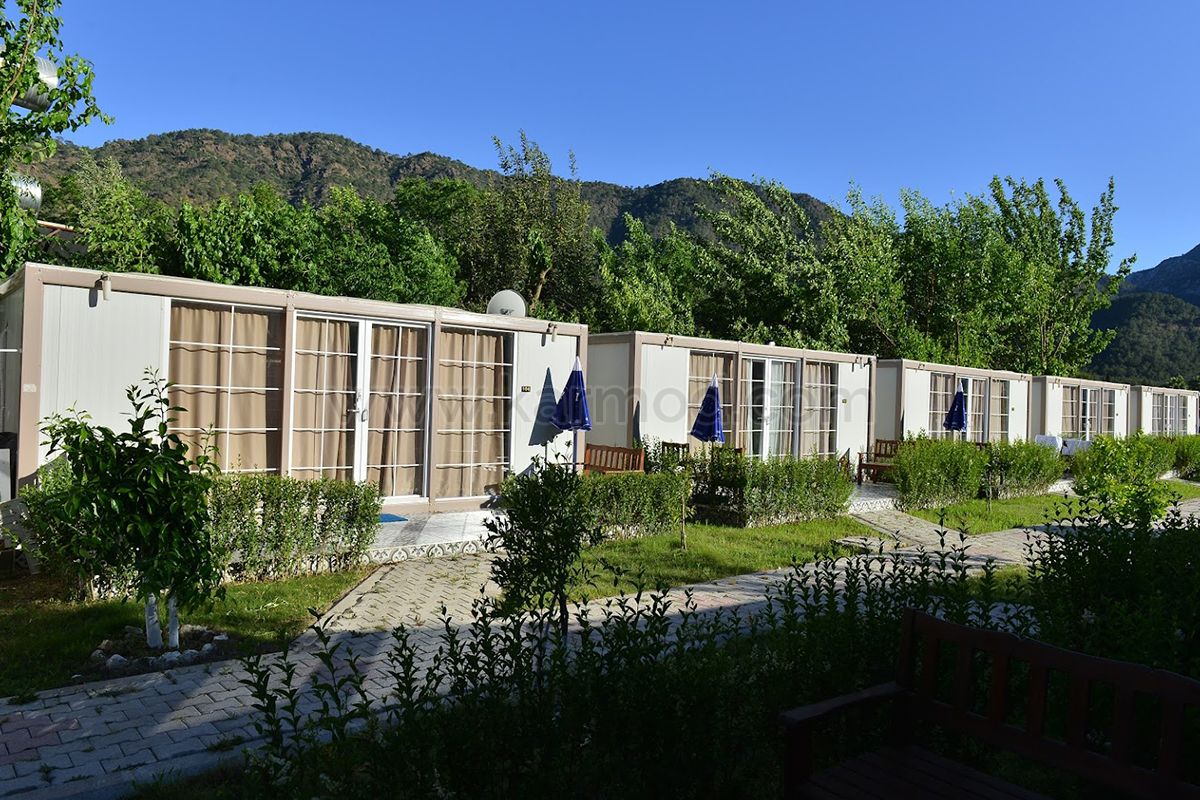
Flat pack systems can also be configured for accommodation applications where sleeping, living, sanitary and other residential functions are required.
Customers specifically researching this application can review our dedicated Flat Pack Container Homes page.

Flat pack container pricing depends on dimensions, structural specifications, insulation, interior layout, quantity and transportation requirements.
Because price-related searches have a different user intent from general technical product research, detailed cost information is provided on our dedicated Flat Pack Containers Price page.
Customers who have moved beyond technical product research and are specifically evaluating purchasing options can review our commercial Flat Pack Containers for Sale page.
This main product page remains focused on the flat pack container system, structure, materials, modular configuration and technical applications.
Country-specific requirements, logistics and project conditions can require different planning from generic international applications.
Customers researching the United States market can review the dedicated Flat Pack Containers USA page.
Depending on the project and selected configuration, flat pack modular systems can provide several practical advantages:
Choosing the appropriate flat pack container begins with defining the technical and operational requirements of the project.
Before selecting a configuration, customers should consider:
Answering these questions helps determine the most suitable modular configuration for each project.


Karmod manufactures flat pack containers for international construction, industrial, infrastructure, commercial and accommodation projects using factory-controlled modular production processes.
Solutions can be evaluated according to required dimensions, structural specifications, interior layout, insulation, number of units and transportation requirements.
From 20 ft flat pack containers and metal flat pack containers to larger modular flat pack container configurations, Karmod develops project-specific modular building solutions for different operational requirements.
Dedicated pages are available for customers researching storage, pricing, purchasing, USA projects, office applications and housing solutions, while this page remains the primary technical and product hub for the overall flat pack container system.

Karmod is one of the largest prefabricated construction companies in Turkey, with a production of 45,000 m2. produces high quality prefabs and prefab containers