EN
EN 


Africa faces a rapidly expanding housing deficit driven by population growth, accelerated urbanization, and economic inequality. Millions of families live in inadequate housing or informal settlements, highlighting the urgent need for affordable, safe, and sustainable housing solutions.
Potential solutions include scaling up public-private partnerships (PPPs), adopting innovative construction technologies, improving access to housing finance, and harmonizing policy frameworks across the continent. Addressing these challenges will require collaboration among governments, private investors, NGOs, and international development partners.
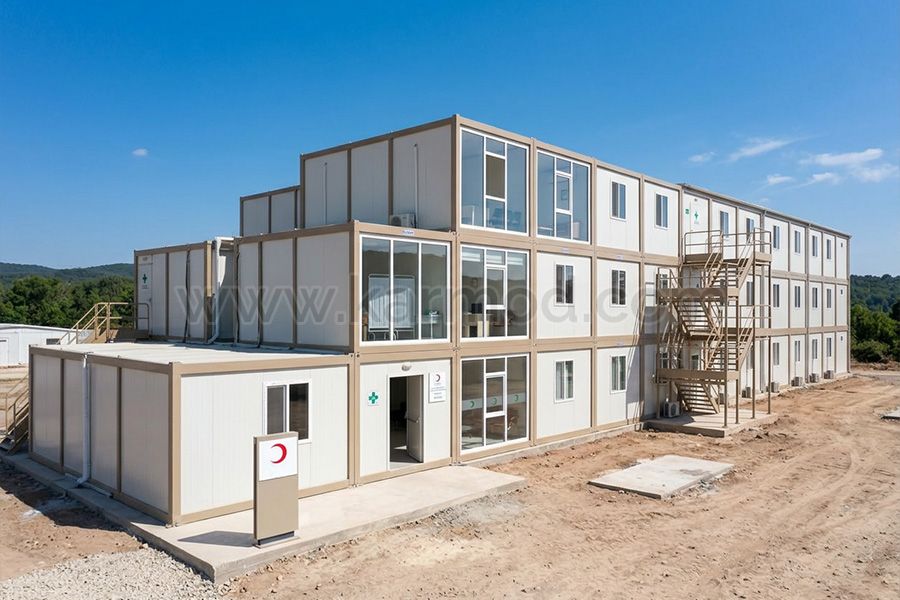
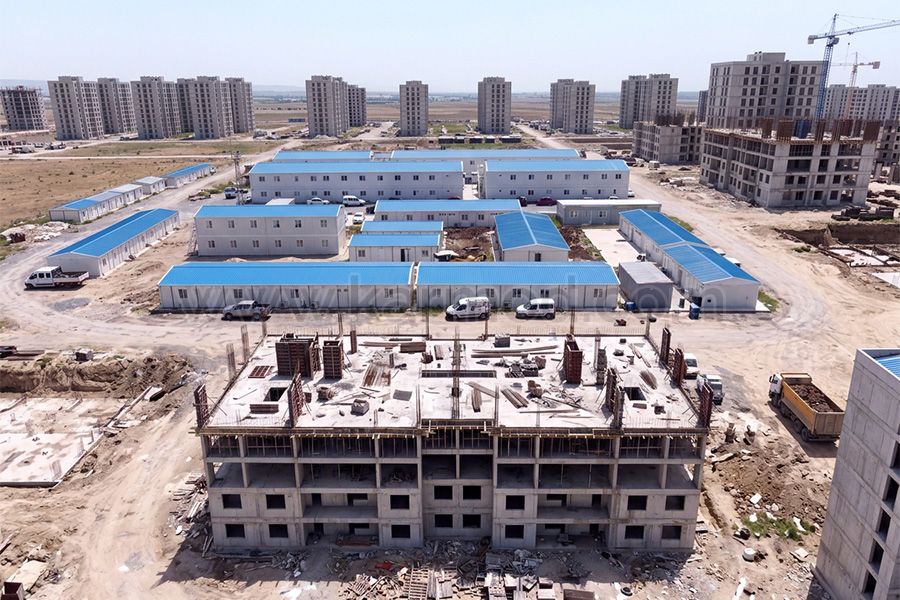
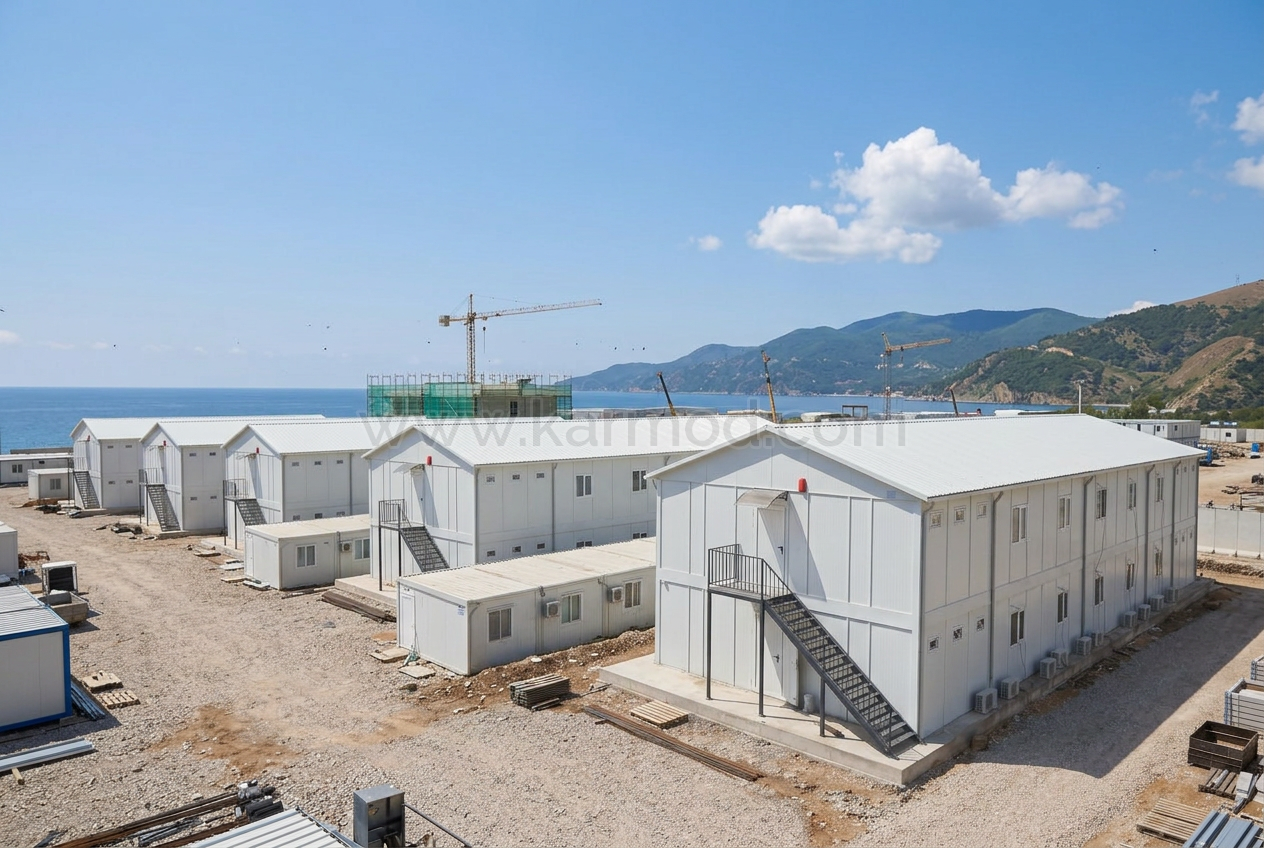
East Africa has become a hub for affordable and sustainable housing projects. Countries such as Kenya, Tanzania, and Uganda are leading initiatives that focus on cost efficiency and eco-friendly practices. Prefabricated construction, use of local materials, and energy-efficient designs have allowed developers to provide housing at lower costs while maintaining quality.
Additionally, governments and non-profits are launching programs such as micro-mortgages, cooperative housing, and subsidized financing to support low- and middle-income families. These initiatives are laying the foundation for long-term, inclusive housing development in the region.
With Africa’s young population and increasing enrollment in higher education, the demand for student accommodation has surged. Traditional university housing is insufficient to meet the needs of millions of students, creating a strong investment opportunity for private developers.
Investors are drawn to the sector because of its consistent demand, long-term rental yields, and potential for scalable projects. Purpose-built student housing offers not only a strong financial return but also contributes to educational success by providing safe and supportive environments.
The upcoming Africa Housing and Student Accommodation Summit 2026 in Nairobi will be a landmark event bringing together policymakers, investors, developers, and innovators. The summit will address the most pressing challenges in housing and student accommodation while showcasing new opportunities for partnerships.
This annual gathering will serve as a platform for networking, sharing best practices, and securing investment commitments. It will also highlight cutting-edge technologies and policy recommendations to accelerate progress across the continent.


Strategic partners in the African housing sector gain a range of advantages. Partnerships with governments, NGOs, and private developers provide access to prime projects, branding opportunities, and early-stage investment deals.
Beyond financial returns, partners also benefit from the social impact of contributing to housing development and improving living standards. This blend of economic and social value strengthens long-term partnerships and builds reputational capital.
Public-private partnerships (PPPs) are critical to bridging Africa’s housing deficit. Governments can provide land, tax incentives, and policy support, while private investors bring in capital, expertise, and efficiency. Together, they enable the development of large-scale, affordable housing projects.
International financial institutions, development banks, and donor agencies further support PPP models, helping to lower financing risks and attract private capital. This approach has already delivered successful housing projects in several African countries.
Africa is embracing innovative construction methods to reduce costs and build faster. Prefabricated and modular housing solutions, 3D-printed homes, and alternative materials such as bamboo, compressed earth blocks, and recycled composites are gaining traction.
These methods not only speed up construction but also reduce environmental impact and create jobs by leveraging locally available resources. Innovation in construction will play a key role in scaling affordable housing across the continent.


Regional collaboration is vital for addressing Africa’s housing deficit effectively. Harmonizing building codes, streamlining approval processes, and aligning financing policies will encourage cross-border investment and knowledge sharing.
Organizations such as the African Union and regional economic blocs are well-positioned to coordinate housing strategies and ensure that countries learn from each other’s successes. Strong policy frameworks can unlock private investment and accelerate development.
The single most pressing challenge in delivering large-scale affordable housing is mobilizing sufficient capital. Both local and international investors need to be engaged to fill the funding gap and make housing accessible to millions.
Tools such as green bonds, impact investment funds, microfinance, and blended financing models can help channel resources into the housing sector. Development banks and institutional investors are increasingly looking at housing as both a profitable and socially impactful sector. With the right capital mobilization, Africa can accelerate progress toward closing its housing deficit.
In order to serve you better, if you could kindly send an e-mail to info@karmod.com for questions and details about your theoretical and special architectural plans, projects, and product specifications, your request will be responded to as soon as possible.

From one end of the world to the other, we enable our customers to reach the ready-made construction sector produced with the new technology of the world. We guarantee reliability through technology and innovation, flexible commercial models and smart supply chain solutions that add value for you, following the project production network.
Discover
Karmod is one of the largest prefabricated construction companies in Turkey, with a production of 45,000 m2. produces high quality prefabs and prefab containers