EN
EN 


Zambia is a landlocked country in Southern Africa characterized by vast plateaus, major river systems such as the Zambezi, and a climate defined by a distinct rainy season and long dry periods. Ongoing urban expansion in Lusaka and the Copperbelt region, along with development in agriculture, mining, and tourism zones, continues to increase the need for structured and reliable housing solutions. A prefab house in Zambia responds well to these conditions by offering controlled production, predictable timelines, and reduced on-site construction risks.
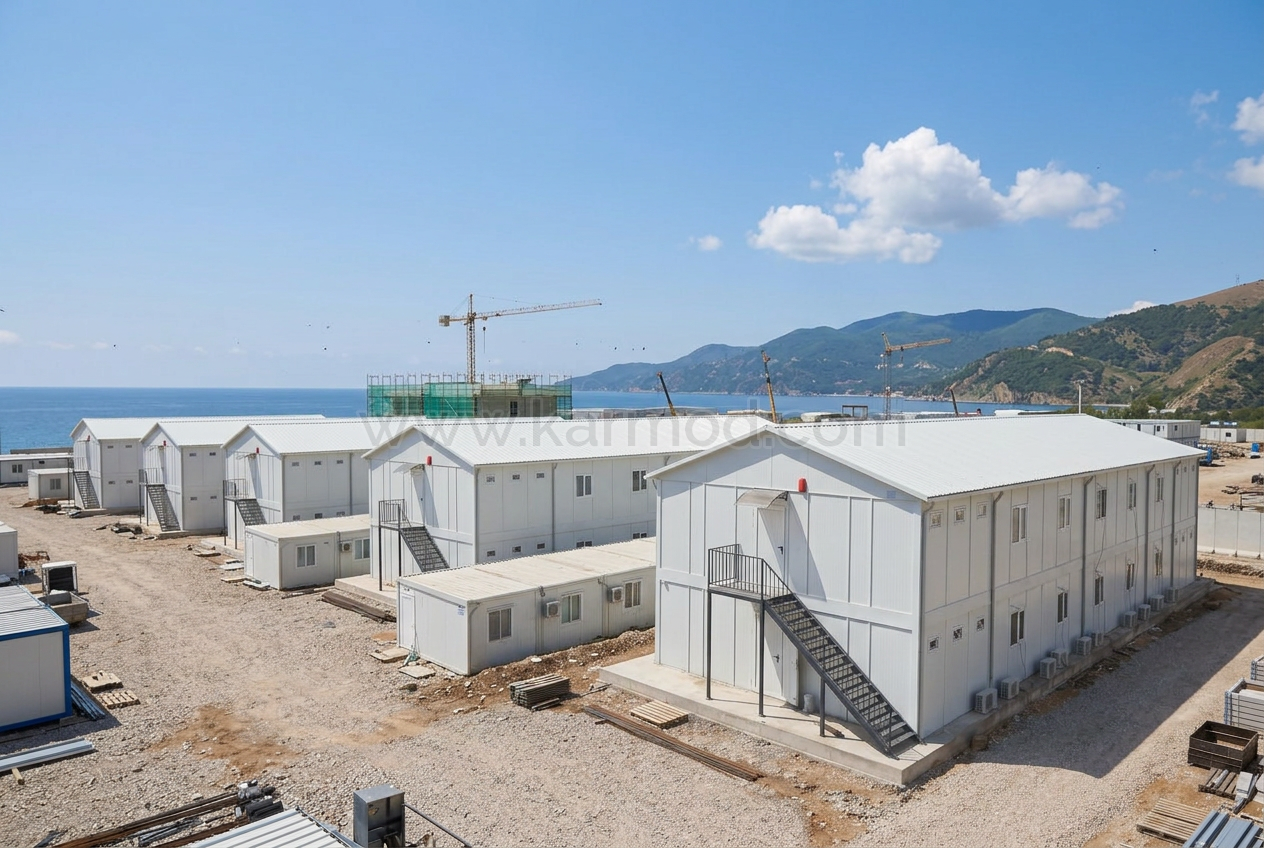
Prefab homes in Zambia are particularly suitable for projects where seasonal weather, transport distances, or limited local labor can affect conventional construction. Through modular housing solutions and advanced modular construction systems, prefabricated housing solutions are manufactured off-site and assembled efficiently at the project location. This method supports residential developments, staff housing, and project-based accommodation across different regions of the country.
Unlike traditional construction, prefab structures are produced in factory-controlled environments, allowing improved quality management and reduced material waste. This approach can help ensure durability and structural consistency across both urban and remote installations in Zambia.


Prefab houses for Zambia are engineered to address local climate patterns, logistical challenges, and the growing demand for faster housing delivery. Standardized production enhances build precision while simplifying installation processes.
Zambia’s seasonal rainfall and strong sun exposure require durable materials and thoughtful detailing. Moisture-resistant wall systems, effective roof drainage, and balanced insulation help maintain indoor comfort while protecting the structure from long-term weather impact.
Transporting traditional building materials across long internal distances can increase project complexity. Prefabricated housing solutions reduce this burden by delivering coordinated modules that are easier to handle, store, and assemble, particularly in areas outside major urban corridors.
A key benefit of choosing a prefab house in Zambia is reduced construction time. Since structural components are pre-manufactured, on-site work focuses on assembly and finishing, allowing projects to progress more efficiently even during seasonal weather changes.


Prefab homes prices in Zambia depend on floor area, layout complexity, structural system selection, and interior specifications. Compared to conventional construction, prefab homes in Zambia often provide clearer cost planning and shorter build schedules.
Costs are generally calculated based on square meter size, insulation level, façade options, roofing type, and selected interior finishes. Modular construction systems help standardize production steps, contributing to more predictable budgeting.
Because Zambia is landlocked, delivery routes and distance to the project site can influence the final price. Projects located in remote districts or near industrial zones may require additional logistics planning for unloading and installation.
Most developments follow a project-based quotation approach, taking into account foundation requirements, intended building use, installation scope, and local compliance considerations. This method ensures transparency between structural supply and site execution costs.
Low cost prefab house in Zambia cost alternatives are typically based on standardized layouts and essential finish selections. Affordability is supported by factory efficiency and reduced on-site labor requirements without compromising structural durability.
Modular cost control allows gradual expansion or future upgrades as needs evolve. For scalable and budget-conscious housing options, Prefab homes offer structured solutions suitable for different project sizes.
Rapid urban growth has increased interest in organized residential development and community housing initiatives. Prefab homes in Zambia support social housing projects through repeatable unit planning, faster installation cycles, and consistent build quality.
For public and government-led programs, prefabricated housing solutions enable phased neighborhood construction. Modular construction systems allow multiple housing units to be produced simultaneously, reducing overall project duration.
Fast deployment benefits are particularly valuable for worker accommodation, relocation housing, and time-sensitive infrastructure developments.
Prefab steel buildings in Zambia are widely utilized for warehouses, workshops, industrial facilities, and commercial structures. Steel systems provide strong structural integrity and long-term resistance to environmental exposure.
Proper protective coatings and engineered design improve durability under Zambia’s seasonal climate conditions. For industrial and commercial requirements, steel buildings offer adaptable and robust structural solutions.


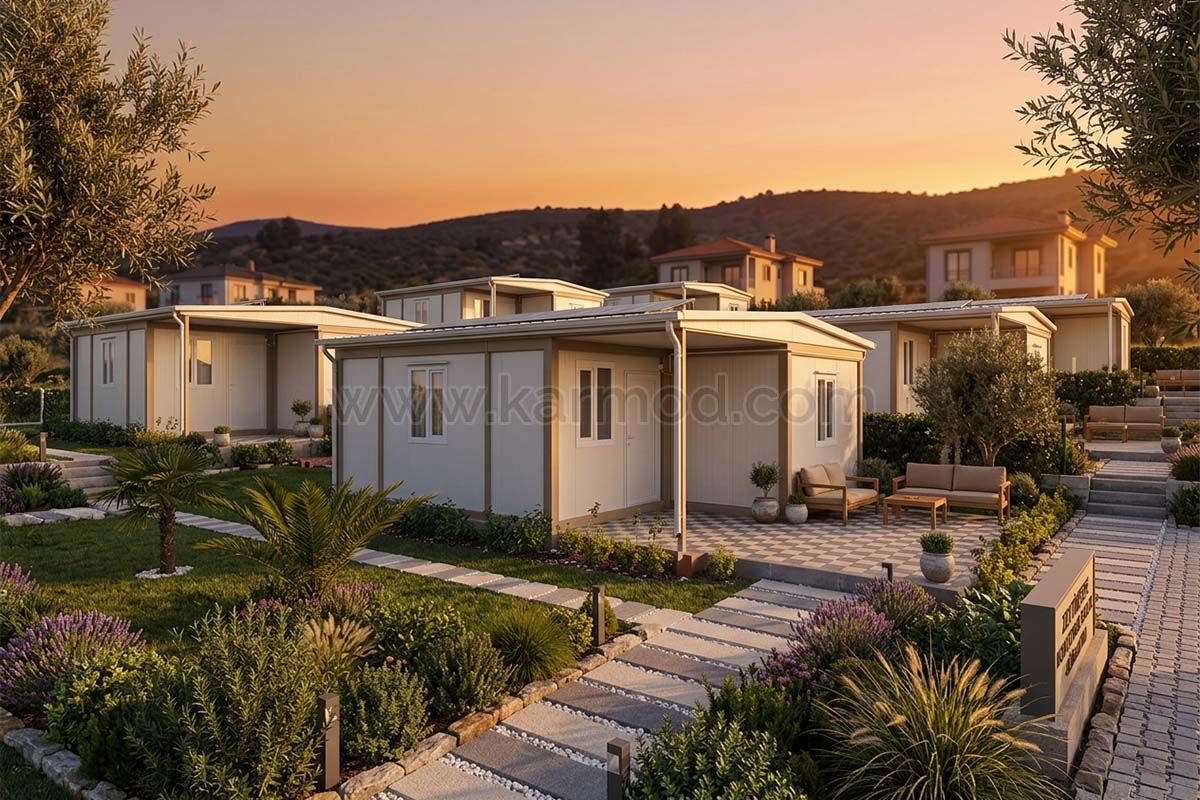
Modular homes in Zambia provide layout flexibility suited to both urban plots and larger rural properties. Designs can accommodate single-family residences, multi-bedroom homes, or phased expansion plans.
Expandability allows additional rooms or auxiliary sections to be added over time, supporting long-term planning and evolving household needs.
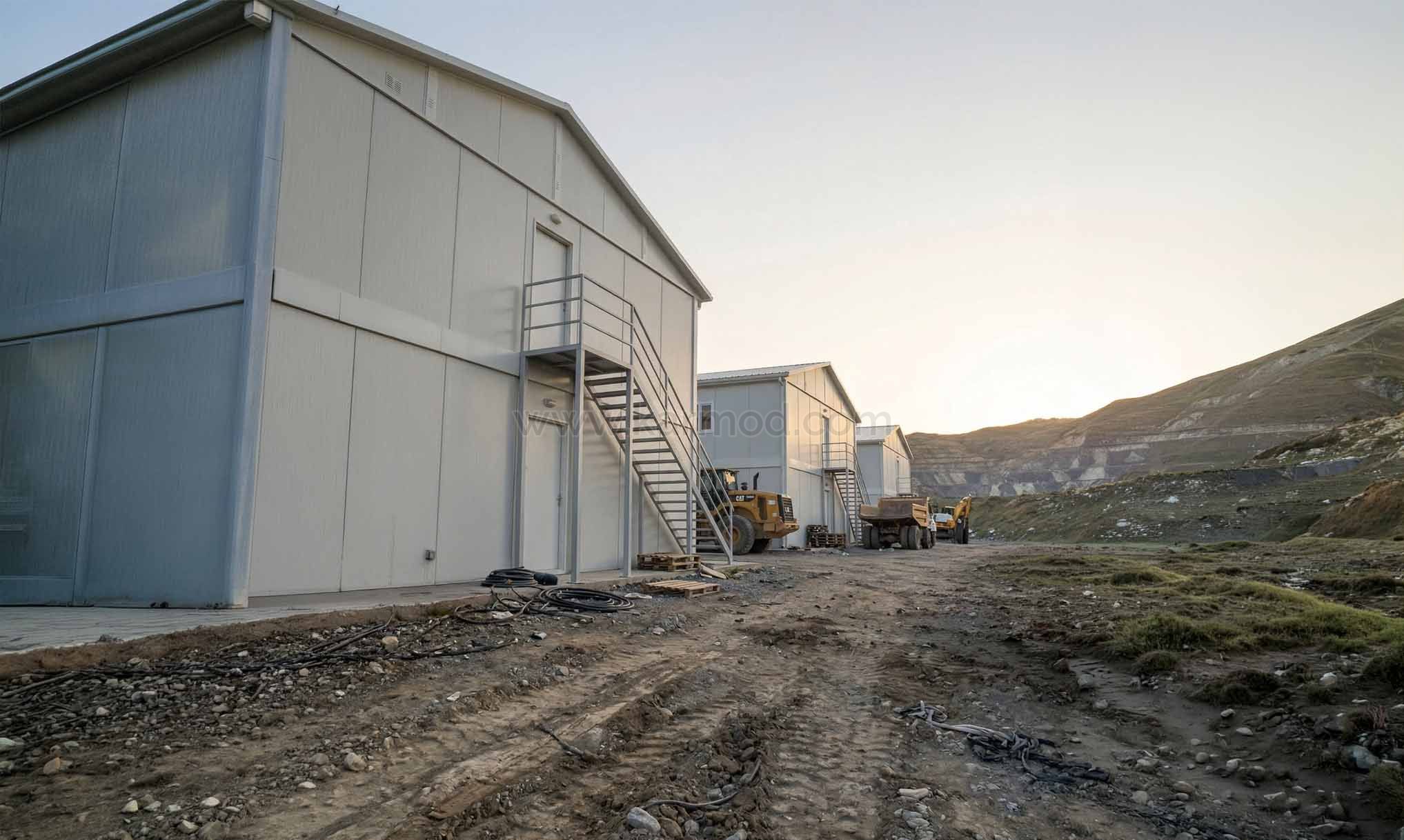
Mobile homes in Zambia are commonly selected for temporary housing, construction site accommodation, and project-based applications. Their relocatable design allows them to be moved as operational requirements change.
Mobile homes in Zambia provide functional and time-efficient shelter solutions, particularly for industries operating in remote or seasonal environments.
Karmod operates as a manufacturer of modular housing solutions and factory-produced building systems serving various international markets. In Zambia, prefabricated housing solutions are often evaluated for installation speed, quality control, and suitability for local site conditions.
When assessing any supplier, project stakeholders typically consider engineering standards, material performance, logistics coordination, and long-term structural reliability to ensure the prefab house in Zambia aligns with climate and usage requirements.
In order to serve you better, if you could kindly send an e-mail to info@karmod.com for questions and details about your theoretical and special architectural plans, projects, and product specifications, your request will be responded to as soon as possible.

From one end of the world to the other, we enable our customers to reach the ready-made construction sector produced with the new technology of the world. We guarantee reliability through technology and innovation, flexible commercial models and smart supply chain solutions that add value for you, following the project production network.
Discover
Karmod is one of the largest prefabricated construction companies in Turkey, with a production of 45,000 m2. produces high quality prefabs and prefab containers