EN
EN 


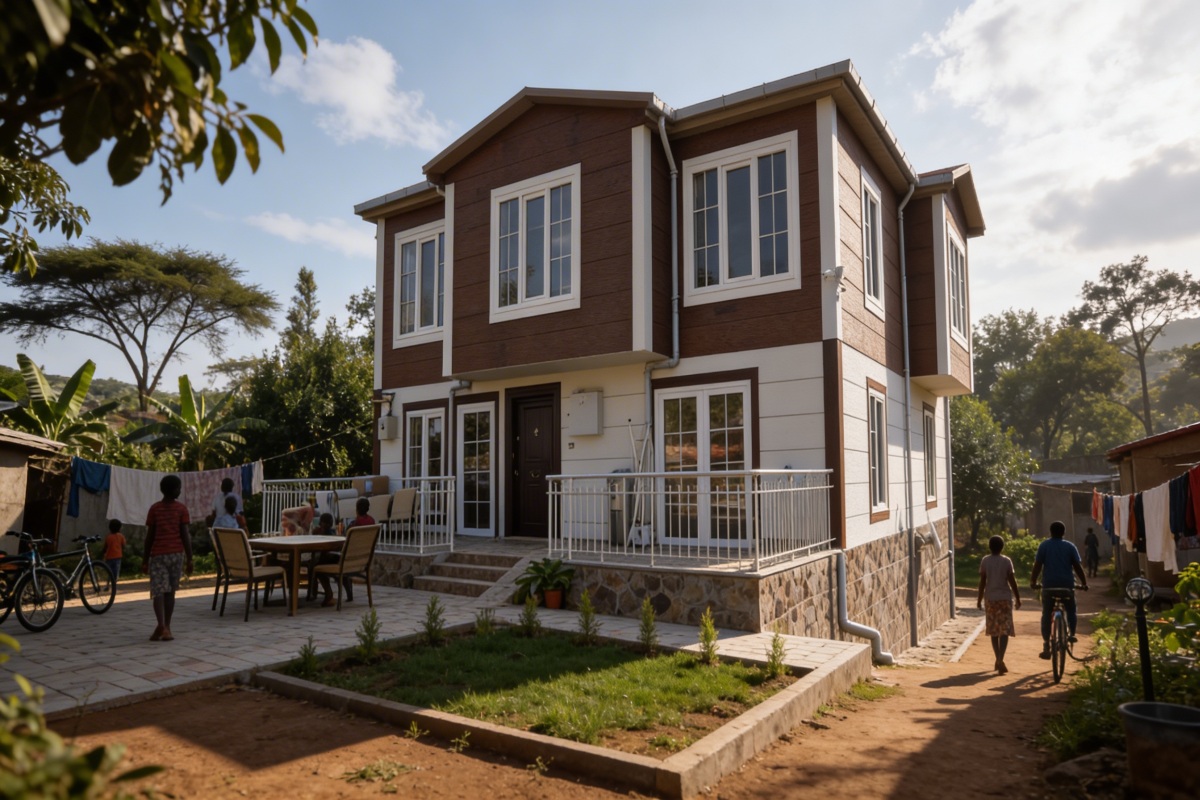
Uganda is a landlocked country in East Africa, bordered by lakes and highland regions that influence local weather patterns. Its climate is generally tropical, with distinct wet and dry seasons, while higher-elevation areas can be cooler and experience heavier rainfall. Rapid urban growth around Kampala and expanding regional towns increase demand for housing that can be delivered predictably, even when on-site conditions, supply chains, and labor availability vary. For these reasons, a prefab house in Uganda is often a practical choice for both private and institutional projects.
Prefab homes in Uganda support faster project timelines by shifting much of the production to a factory environment, reducing exposure to weather delays during the wet season. Using modular housing solutions and modular construction systems, housing components can be produced with consistent quality and assembled efficiently on site. This method helps manage budgets and schedules while offering flexible prefabricated housing solutions suitable for urban, peri-urban, and regional locations.
Designs can be adapted for different plot sizes and household needs, from compact starter homes to larger family residences. Modular planning also supports staged development, where additional rooms or units can be added later as needs change. This makes prefab housing relevant for individual homeowners as well as organizations delivering staff accommodation or multi-unit communities.
Building performance in Uganda depends on managing heat, humidity, and seasonal rain, while ensuring durable materials and efficient site installation. Prefab housing can be specified to address these local conditions and reduce the complexity of on-site construction.
A prefab house in Uganda can be configured with ventilation-focused layouts, moisture-resistant finishes, and appropriate insulation strategies for both warmer lowland areas and cooler highland zones. Roof and façade choices can also be planned to support heavy rainfall periods and strong sun exposure, improving comfort and long-term durability.
Transporting materials and coordinating specialized trades can be challenging outside major cities. Prefabricated housing solutions streamline delivery by sending ready-to-assemble components, reducing the number of steps that must be completed on site. This approach is especially useful for projects in regional areas where access and supply timing can affect traditional construction.
With modular construction systems, site preparation and factory production can run in parallel. Once the site is ready, installation is typically faster than conventional building methods, which helps shorten the path from planning to occupancy.
Prefab homes prices in Uganda are influenced by several factors, including floor area, layout complexity, specification level, and site works such as foundations and utility connections. The selected materials and performance requirements for rain protection, ventilation, and heat management can also affect the final budget.
Karmod offers affordable prefab homes in Uganda that are designed to meet the needs of different customers. Our prefab homes are made with high-quality materials that are durable and long-lasting, making them an excellent investment for your future.


Transport distance and site access play a major role in overall cost, particularly for projects outside central corridors. For accurate budgeting, many builds are best assessed through a project-based quotation approach that reflects location, scope, and specification.
A low cost prefab house in Uganda cost target is typically achieved through standardized modules, efficient manufacturing, and controlled material use—helping manage expenses without compromising structural reliability. Modular cost control supports clearer planning by reducing waste and limiting on-site surprises compared to many conventional builds.
Affordability can also be improved by choosing simpler layouts, optimizing room sizes, and selecting durable, locally appropriate finishes. The prefab homes range supports modular planning that aligns the home’s performance and comfort needs with budget priorities.


Uganda’s population growth and urbanization increase the need for community housing and organized residential developments. Prefabricated housing solutions can support social housing projects by enabling repeatable unit designs, consistent quality control, and faster delivery schedules.
Modular housing solutions are suitable for multi-unit communities, staff accommodation, and phased housing programs. Fast deployment helps reduce the time between planning and occupancy, which is valuable for public initiatives, NGO-supported projects, and employer-provided housing where timelines and predictable delivery matter.
Prefab steel buildings in Uganda are widely used for industrial and commercial facilities that require strength, durability, and efficient construction. Common applications include warehouses, factories, workshops, storage facilities, and logistics buildings.
Steel structures can be designed to perform well in heavy rains and humid conditions, with detailing that supports long-term use and reduced maintenance. Their predictable spans and structural capacity make them suitable for sites where operational needs require open interior layouts and robust performance.
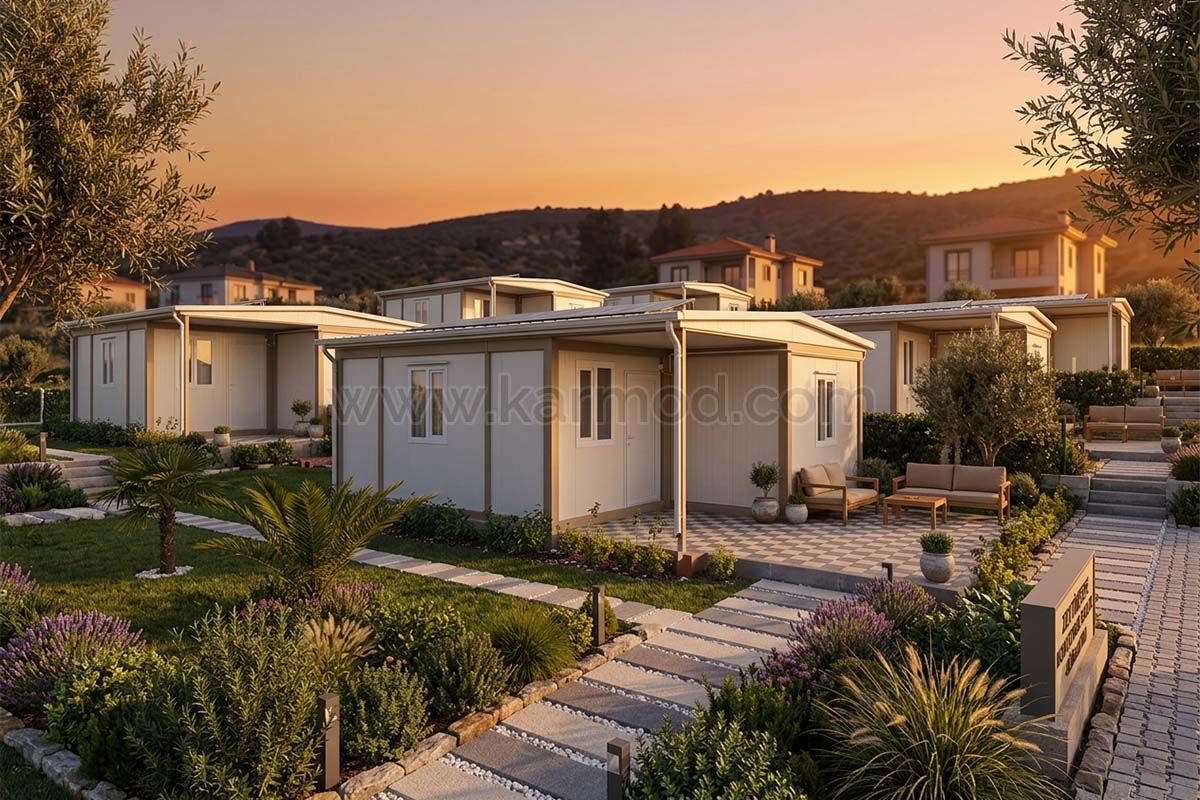
Modular homes in Uganda provide flexibility for homeowners and developers planning for long-term use. Modular construction systems allow layouts to be configured to different household sizes and land constraints, with options to expand later by adding additional modules.
Customization can include room arrangement, window placement for cross-ventilation, interior finish levels, and façade choices. This supports practical long-term planning, particularly where families expect their needs to evolve over time or where housing developments are delivered in phases.


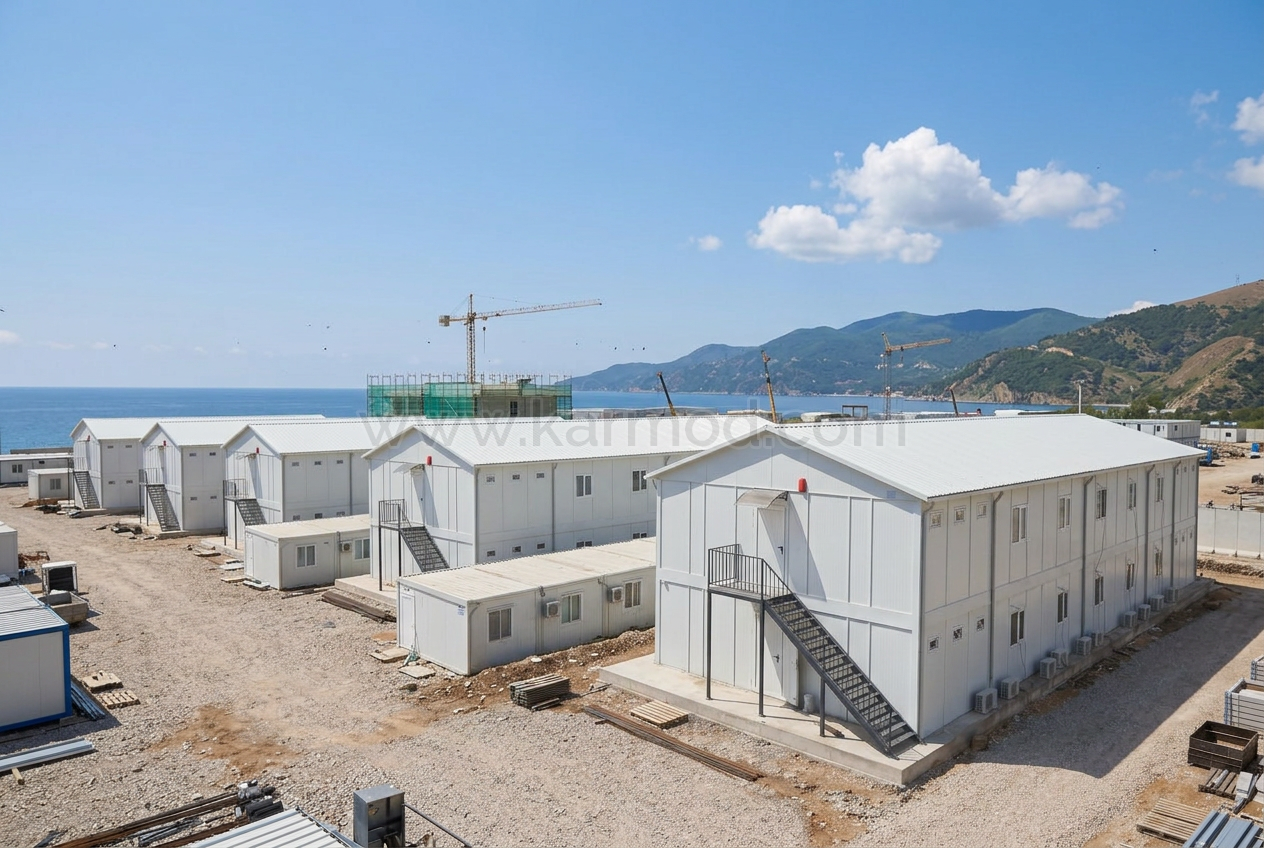
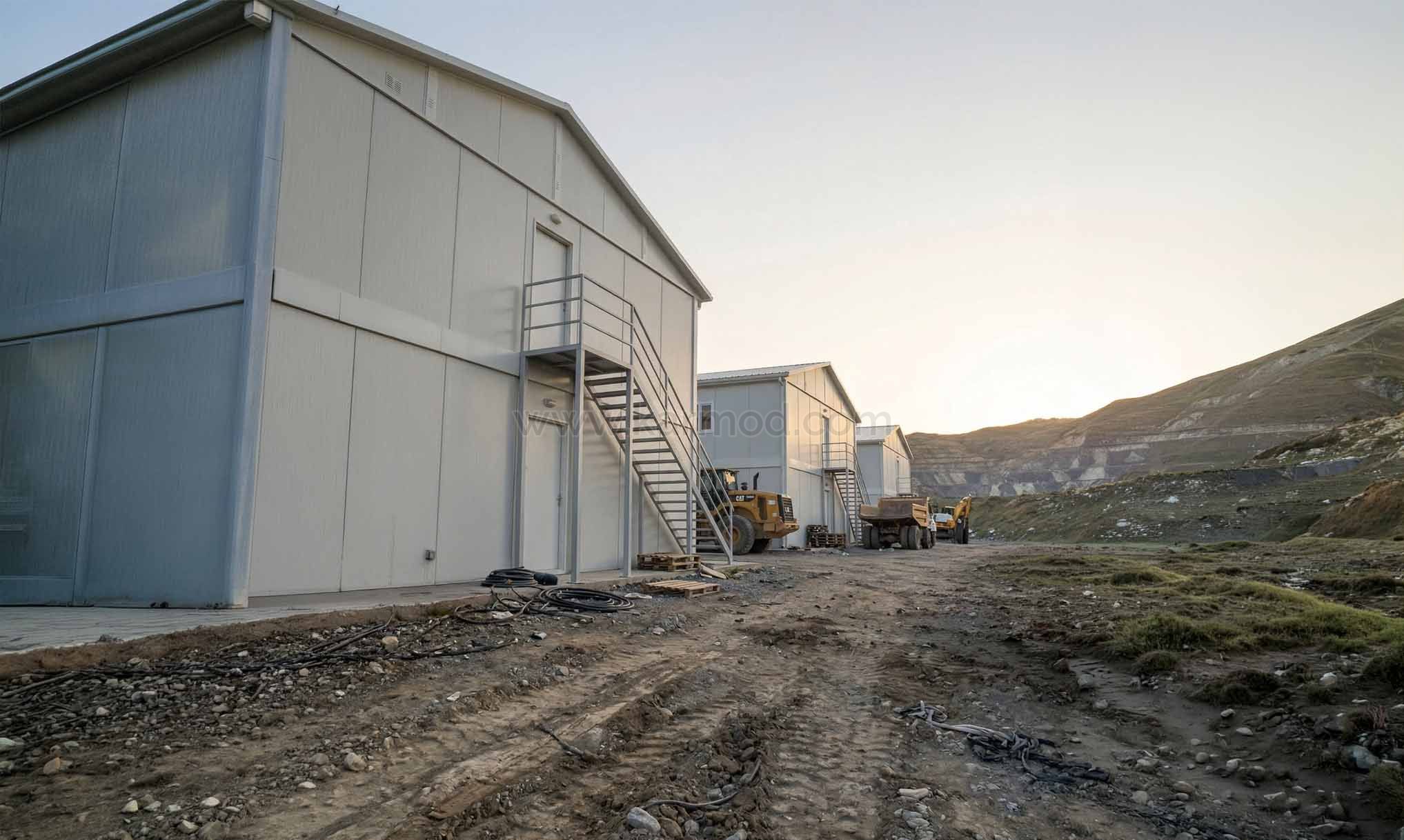
Mobile homes in Uganda are designed for temporary housing and relocatable solutions. They are commonly used for project-based accommodation such as construction sites, seasonal workforce needs, temporary staff housing, and transitional living requirements.
Karmod's mobile homes in Uganda are the perfect solution for people who need a temporary or mobile housing option. Our mobile homes are easy to transport and can be set up quickly and efficiently.
Our mobile homes are customizable, so you can design a home that meets your needs and preferences. We use high-quality materials that are both durable and lightweight, making our mobile homes an excellent investment for your future.
For projects in Uganda, choosing a prefab provider often depends on the ability to deliver consistent quality, clear planning, and specifications that match local conditions. Factory-controlled production can support predictable timelines and reduce the risks associated with seasonal weather changes.
Karmod’s prefab homes can be planned to support both warm lowland areas and cooler highland regions through appropriate ventilation strategies, material selection, and insulation options. Designs can be adapted for individual homes or larger developments, supporting scalable prefabricated housing solutions where quick delivery and repeatable quality are important.
In conclusion, Karmod offers a range of customizable and affordable prefab housing solutions in Uganda. Whether you need a small prefab house, a social housing project, or a prefab steel building, we have a solution that meets your needs. Contact us today at info@karmod.com to learn more about our products and services.
In order to serve you better, if you could kindly send an e-mail to info@karmod.com for questions and details about your theoretical and special architectural plans, projects, and product specifications, your request will be responded to as soon as possible.

From one end of the world to the other, we enable our customers to reach the ready-made construction sector produced with the new technology of the world. We guarantee reliability through technology and innovation, flexible commercial models and smart supply chain solutions that add value for you, following the project production network.
Discover
Karmod is one of the largest prefabricated construction companies in Turkey, with a production of 45,000 m2. produces high quality prefabs and prefab containers