EN
EN 


Papua New Guinea is a mountainous island nation in the southwest Pacific, made up of a large mainland and many smaller islands. Its rugged terrain, dispersed rural communities, and limited road connectivity can make conventional construction slower and more costly—especially outside major centres like Port Moresby and Lae. The country’s tropical climate brings high humidity, heavy rainfall, and seasonal flooding in some regions, which increases the importance of durable materials and moisture-aware building methods.
In this environment, a prefab house in Papua New Guinea can be a practical way to deliver reliable housing with predictable timelines. Prefab homes in Papua New Guinea are produced in a controlled factory setting and then assembled on-site, helping improve quality control and reduce weather disruption during construction. With modular housing solutions and modern modular construction systems, prefabricated housing solutions can also support projects in remote locations where logistics and site conditions are challenging.
Prefab houses for Papua New Guinea are often selected for projects that need fast delivery, consistent build standards, and resilient performance in tropical conditions. Designs can be adapted for coastal humidity, intense rainfall, and varying site access across islands and highland regions.
High humidity and frequent heavy rain place extra demands on roof detailing, drainage design, ventilation, and material selection. Prefabricated housing solutions can incorporate moisture-resistant wall systems, protected structural components, and insulation strategies suited to warm climates, helping reduce condensation risks and support long-term durability.
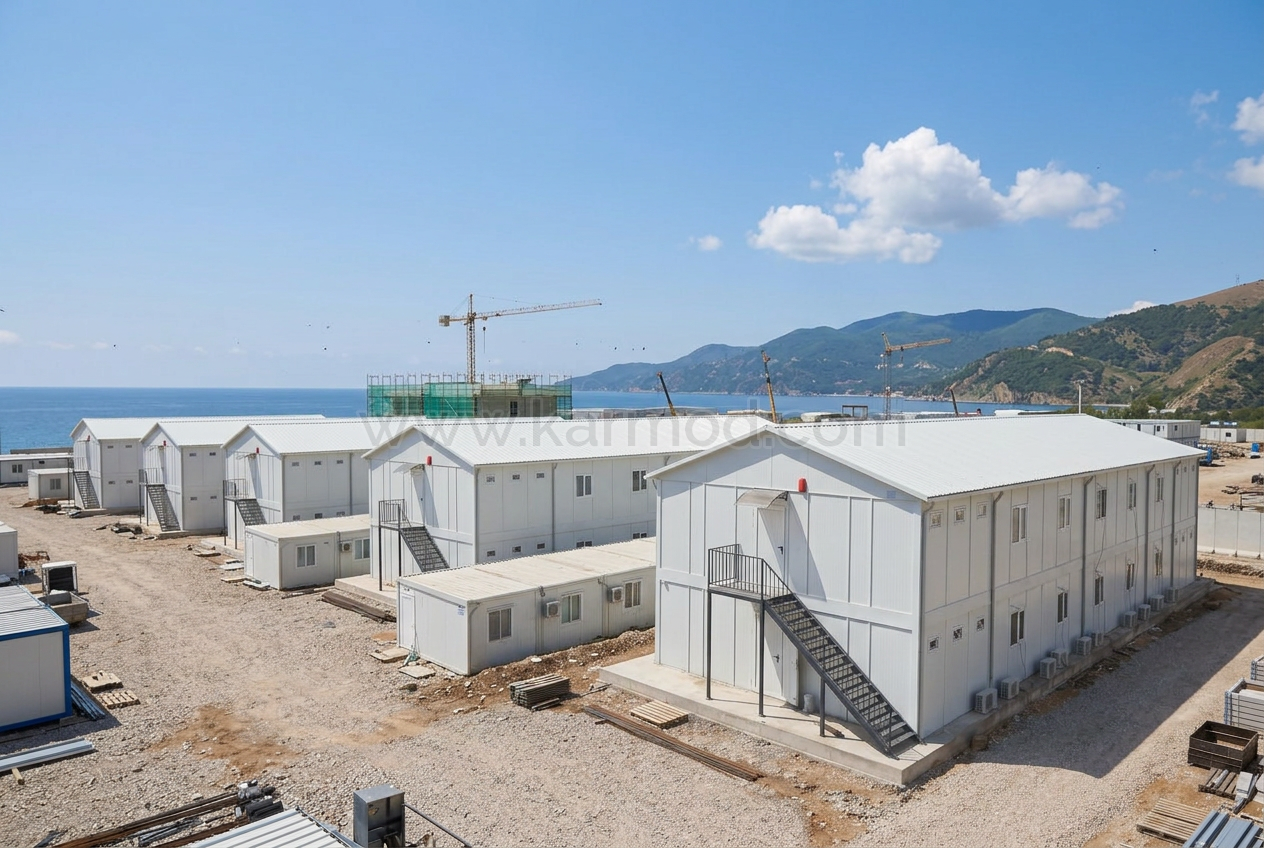
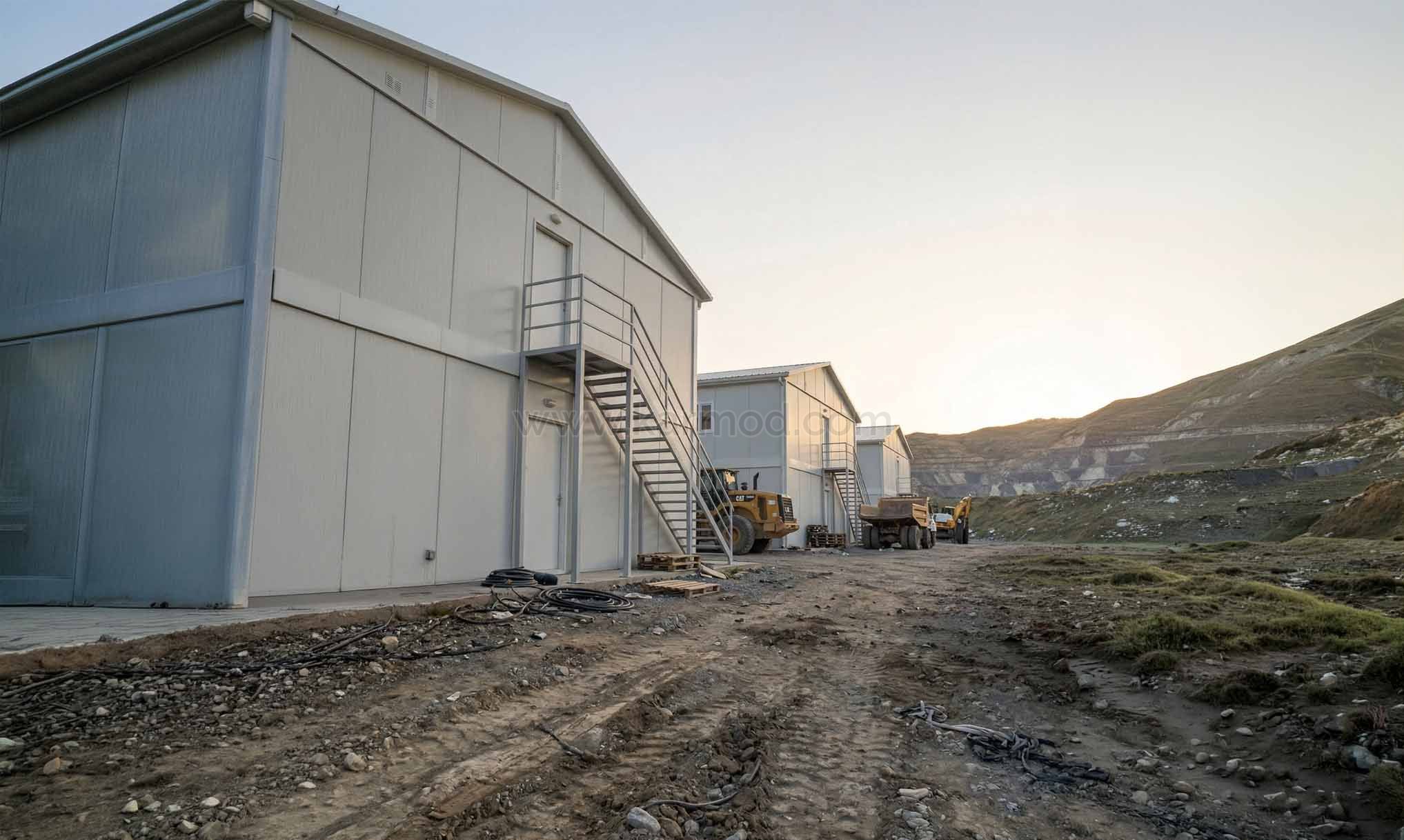
With challenging topography and transport networks, moving raw materials and managing multiple trades on-site can be difficult in Papua New Guinea. Prefab construction reduces the volume of on-site work by delivering pre-engineered components or modules. This can be especially useful for remote communities, mining and energy projects, and island locations where supply chains are limited or seasonal.
Faster on-site assembly is a key benefit of a prefab house in Papua New Guinea. Because major construction stages occur off-site, installation can be planned around access windows and weather conditions, supporting quicker occupancy and reduced time spent mobilizing large crews in difficult terrain.
Prefab homes prices in Papua New Guinea vary based on floor area, structural system, material specifications, performance requirements, and site conditions. In many cases, modular construction systems improve cost predictability by standardizing production and reducing delays caused by weather or coordination challenges.
Pricing typically reflects size, layout complexity, roof type, insulation and ventilation requirements, and interior finish levels. Site works—such as foundations, drainage, and utility connections—may represent a significant portion of the overall budget, particularly in high-rainfall regions or uneven terrain.
Transport is often a major cost variable due to mountainous geography, island shipping routes, and limited road access in some areas. Delivery planning may involve port handling, inland haulage, and site lifting arrangements. These logistics factors are usually assessed early to avoid scope gaps and support reliable budgeting.
Because land access, site preparation, and local requirements can differ widely across Papua New Guinea, quotations are typically prepared on a project basis. This approach helps match prefabricated housing solutions to real site conditions and intended use. For system options and formats, see Prefab homes.
A low cost prefab house in Papua New Guinea cost can be managed through standardized layouts, efficient material use, and reduced on-site labour time—without compromising essential structural performance. Keeping rooflines simple, selecting practical finishes, and optimizing room layouts can support affordability while maintaining durability in tropical conditions.
Modular cost control also supports phased planning, allowing projects to start with core accommodation and expand later as needs change. This can be useful for family housing, staff accommodation, and community developments that require scalable capacity over time.
Community housing needs in Papua New Guinea can be shaped by rural remoteness, urban growth, and the need for rapid accommodation in project areas. Prefabricated housing solutions can support social housing projects and community developments by enabling repeatable unit production and consistent quality standards across multiple homes.
For public and government-related initiatives, modular construction systems can help speed up delivery and reduce extended on-site disruption. Fast deployment can also be relevant for transitional accommodation and recovery housing where timely occupancy is a priority.
Prefab steel buildings in Papua New Guinea are commonly used for industrial, commercial, and logistics functions where structural strength and long service life are important. In humid and high-rainfall environments, properly protected steel systems can offer reliable performance for warehouses, workshops, storage facilities, and operational buildings.
Steel structures can be designed for durability and weather resistance, with protective coatings and detailing that support long-term use. For steel structure options, see prefab steel buildings.
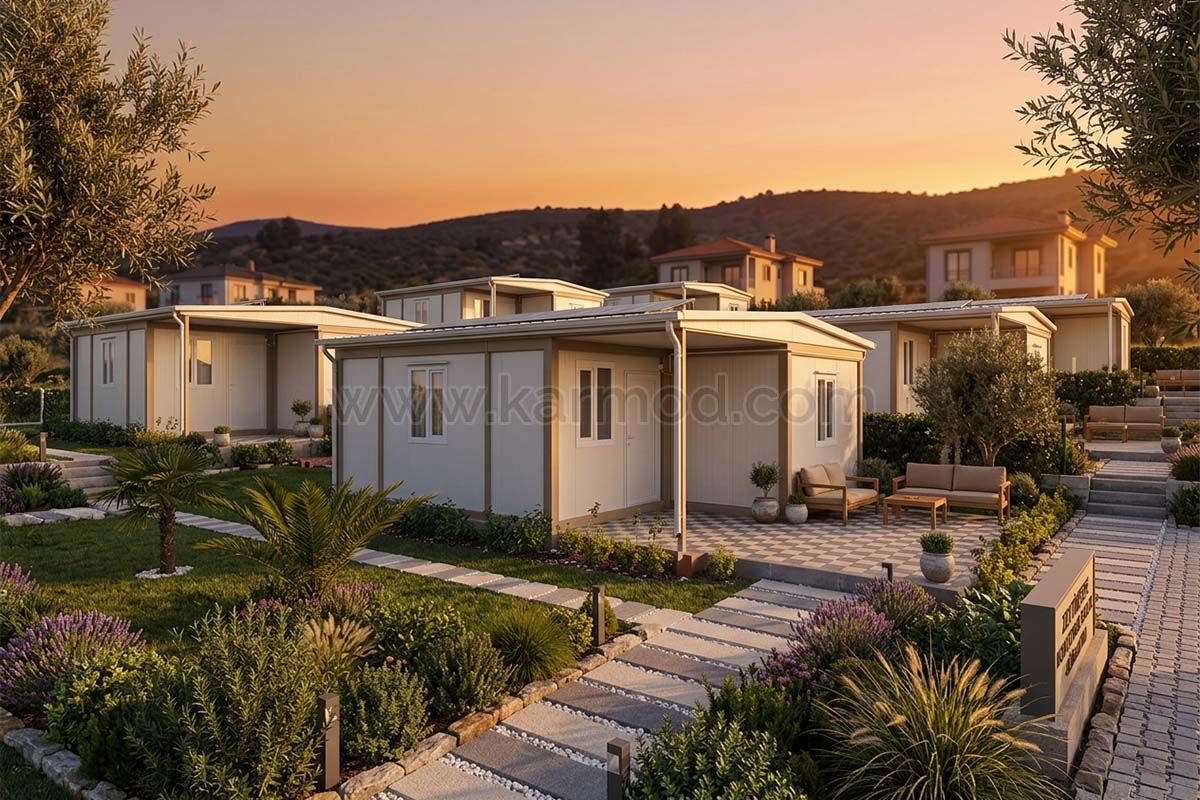
Modular homes in Papua New Guinea can be configured for different living requirements, from compact homes to multi-room family layouts. Customization may include room arrangement, insulation and ventilation strategies, and material selections that suit coastal regions, highlands, or island settings.
Expandability is a practical advantage for long-term planning. Modular construction systems can allow additional rooms or functional spaces to be added later, supporting phased investment and changing household or project needs.
Mobile homes in Papua New Guinea can support temporary accommodation where flexibility and relocation are required, including construction sites, infrastructure projects, and remote operations. They can also be relevant for community support programs and disaster response scenarios where quick deployment matters.
For a relocatable solution, mobile housing units are designed for transport and fast setup, helping reduce time on-site while providing functional living space.


Karmod's prefab steel buildings are a popular choice for customers who require a durable and reliable structure for commercial or industrial purposes. Our prefab steel buildings are made from high-quality steel and are designed to withstand harsh weather conditions and other environmental factors. Moreover, our steel buildings can be customized to meet the specific needs of the customer, including the size, shape, and layout of the building. With Karmod's prefab steel buildings, customers can enjoy a fast and efficient construction process, as well as a durable and long-lasting structure.
Karmod's mobile homes are an ideal solution for customers who require a temporary or mobile housing option. Our mobile homes are made from high-quality materials and are designed to be easily transported and assembled on-site. They are an ideal solution for customers who require housing in remote locations or for temporary accommodation such as construction sites or disaster relief efforts. With Karmod's mobile homes, customers can enjoy a comfortable and flexible housing solution that can be easily moved or relocated as required.


In order to serve you better, if you could kindly send an e-mail to info@karmod.com for questions and details about your theoretical and special architectural plans, projects, and product specifications, your request will be responded to as soon as possible.

From one end of the world to the other, we enable our customers to reach the ready-made construction sector produced with the new technology of the world. We guarantee reliability through technology and innovation, flexible commercial models and smart supply chain solutions that add value for you, following the project production network.
Discover
Karmod is one of the largest prefabricated construction companies in Turkey, with a production of 45,000 m2. produces high quality prefabs and prefab containers