EN
EN 


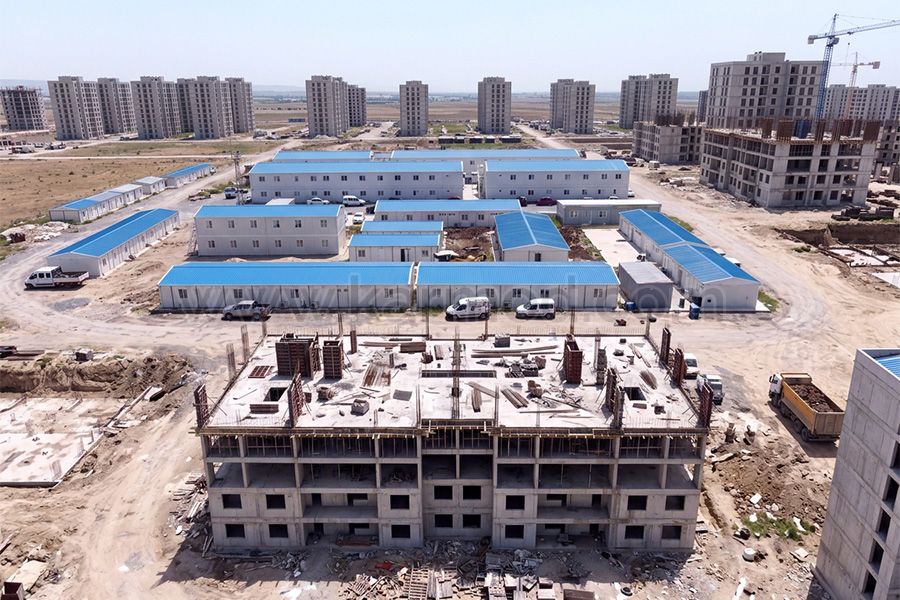
Mass housing projects require a well-organized construction site from the very beginning. When hundreds or thousands of residential units are built at the same time, the project area becomes a busy environment with engineers, supervisors, contractors, skilled workers, equipment operators, logistics teams, and safety personnel working together. To keep this process efficient, companies need practical worker accommodation and site facilities close to the construction zone.
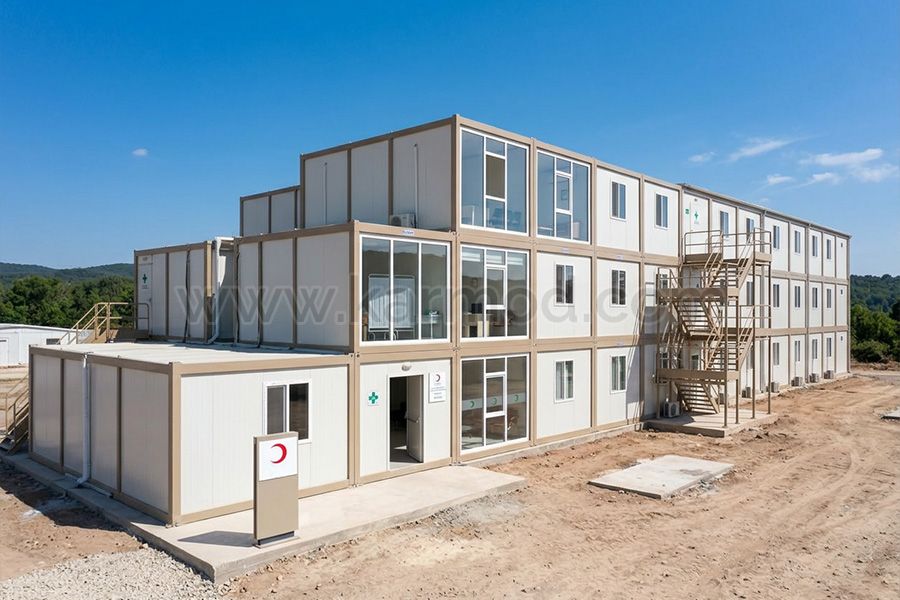
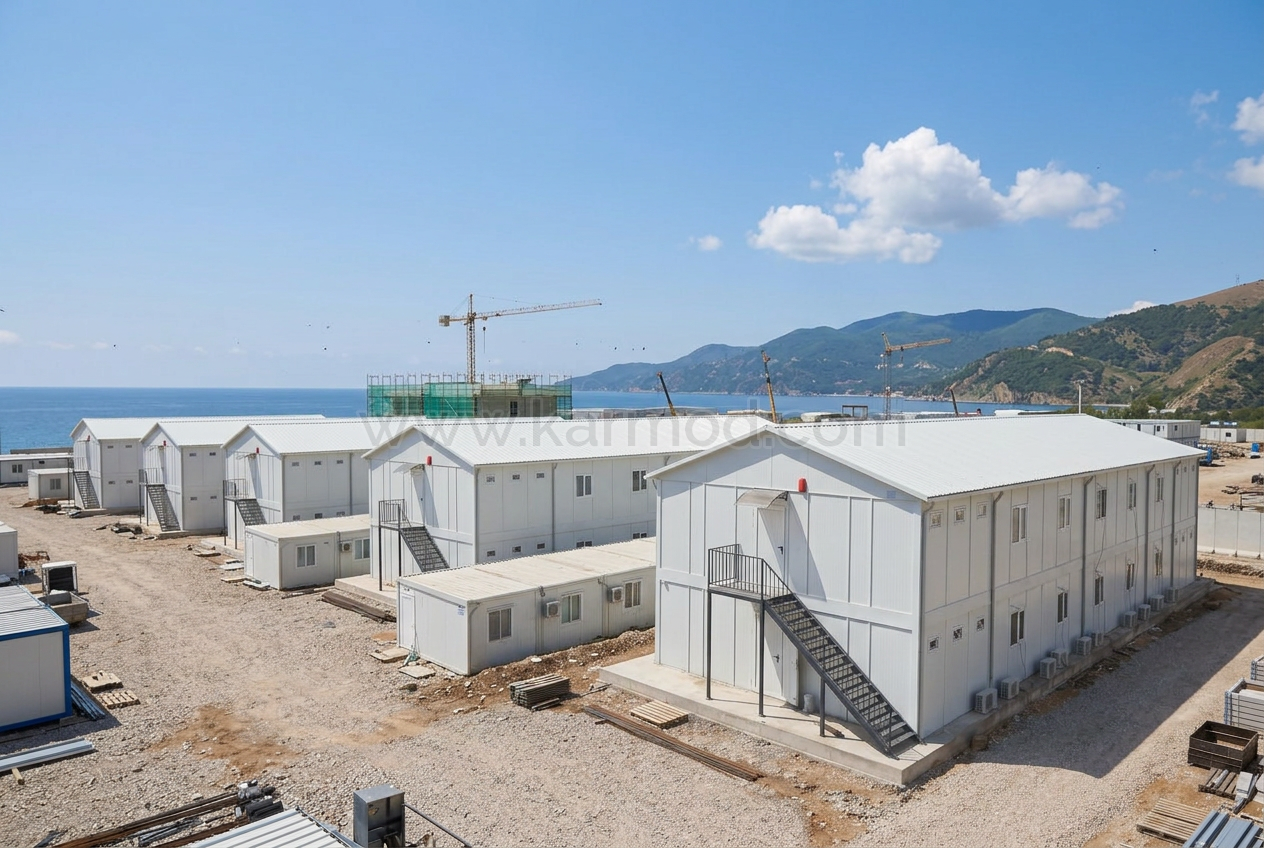
Mass housing construction worker camps provide modular living and support spaces for large residential development projects. These camps can include accommodation units, site offices, dining halls, kitchens, sanitary facilities, laundry rooms, first-aid rooms, storage containers, security cabins, and recreation areas. Since housing projects move through different phases, modular camp buildings help contractors scale the site facilities according to workforce needs.
A housing project worker camp is especially useful when the construction site is located away from city centers or when the workforce is too large to depend on local accommodation. Large housing developments often require continuous work across multiple blocks, infrastructure areas, road connections, landscaping zones, and utility networks.
Worker camps help reduce daily transportation time and make shift planning easier. Instead of moving workers from distant housing areas every day, the camp creates a practical living environment near the project site. This can improve punctuality, coordination, and overall site productivity.
Modular camps also support better site control. Project managers can organize accommodation, dining, hygiene, safety briefings, and worker movement within a planned area. This helps create a more disciplined and manageable construction environment.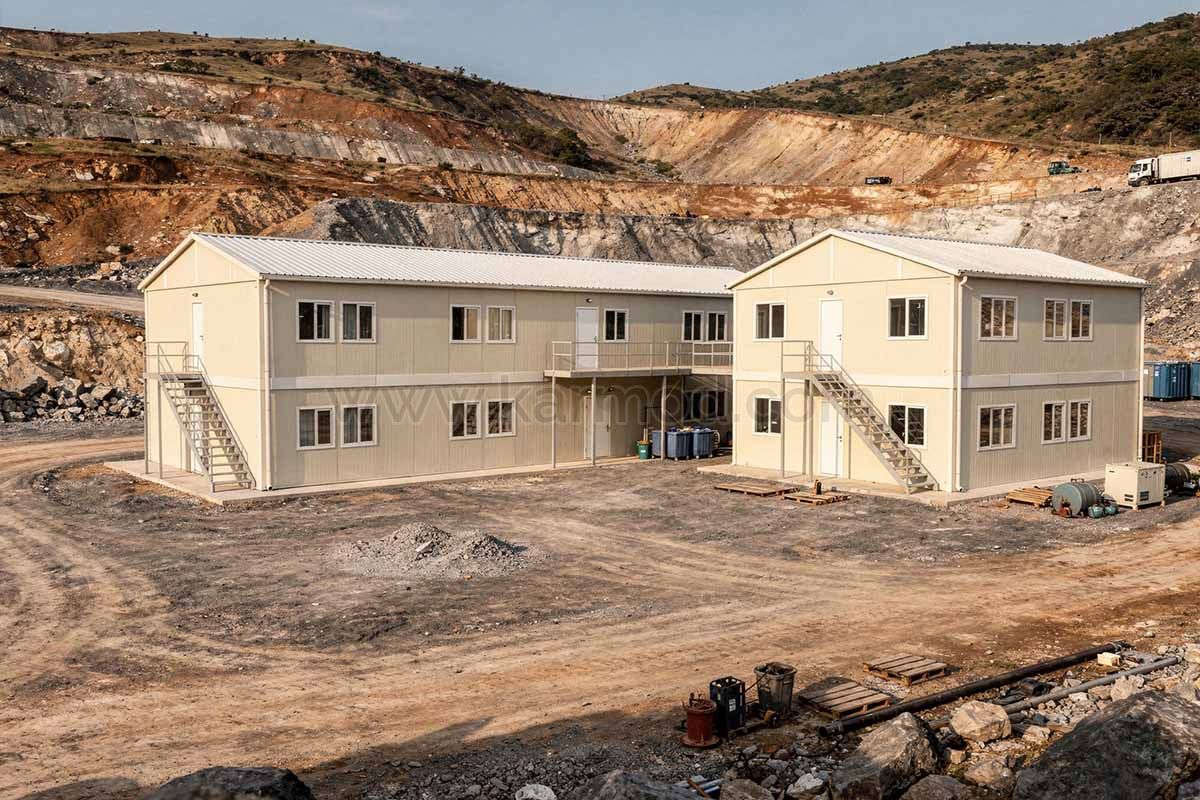
Mass residential construction accommodation should provide safe, clean, and comfortable spaces for workers who stay on site for long periods. Housing construction can involve demanding daily tasks such as concrete works, formwork, blockwork, plastering, electrical installation, plumbing, façade works, roofing, and finishing applications.
Accommodation units can be arranged as shared rooms, dormitory-style layouts, or separate rooms for supervisors and technical staff. These units may include beds, lockers, lighting, ventilation, heating, cooling, electrical outlets, and bathroom options.
A good accommodation plan should also include dining halls, kitchens, laundry units, sanitary containers, showers, changing rooms, prayer rooms, recreation spaces, and medical support. These facilities help workers maintain a stable daily routine during long construction periods.
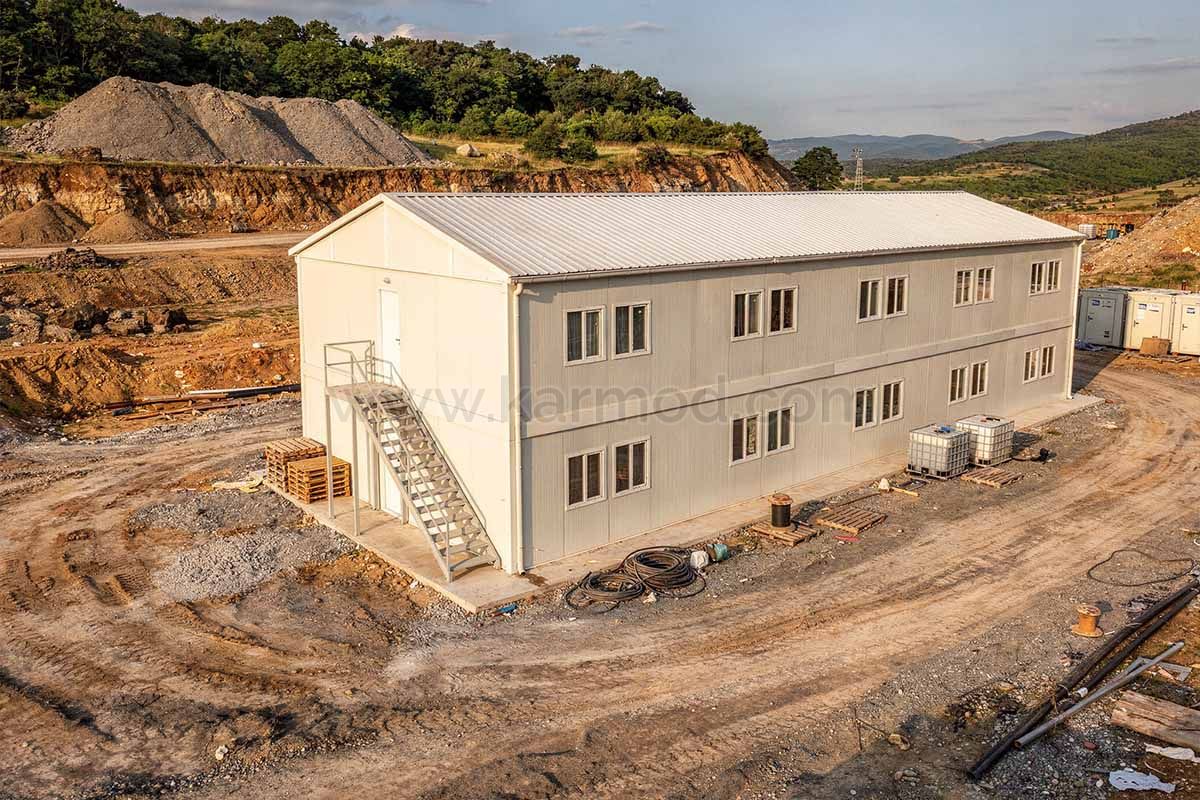
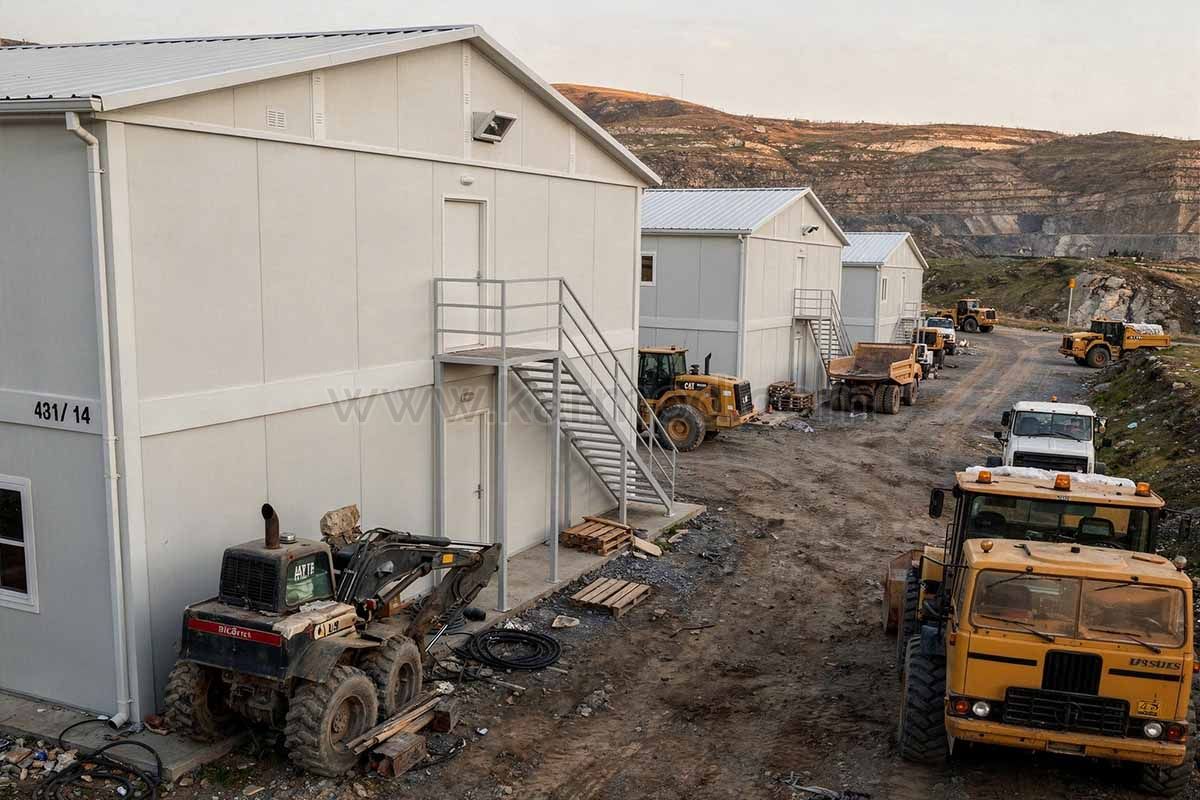
A housing development site camp must support both worker welfare and project management. In addition to accommodation, the site may need offices for engineers, architects, safety officers, quality control teams, procurement staff, subcontractors, and administrative personnel.
Site offices can be used for daily meetings, drawing review, document control, inspection planning, material tracking, and contractor coordination. Storage containers can hold tools, PPE, electrical materials, plumbing components, finishing products, spare parts, and small equipment.
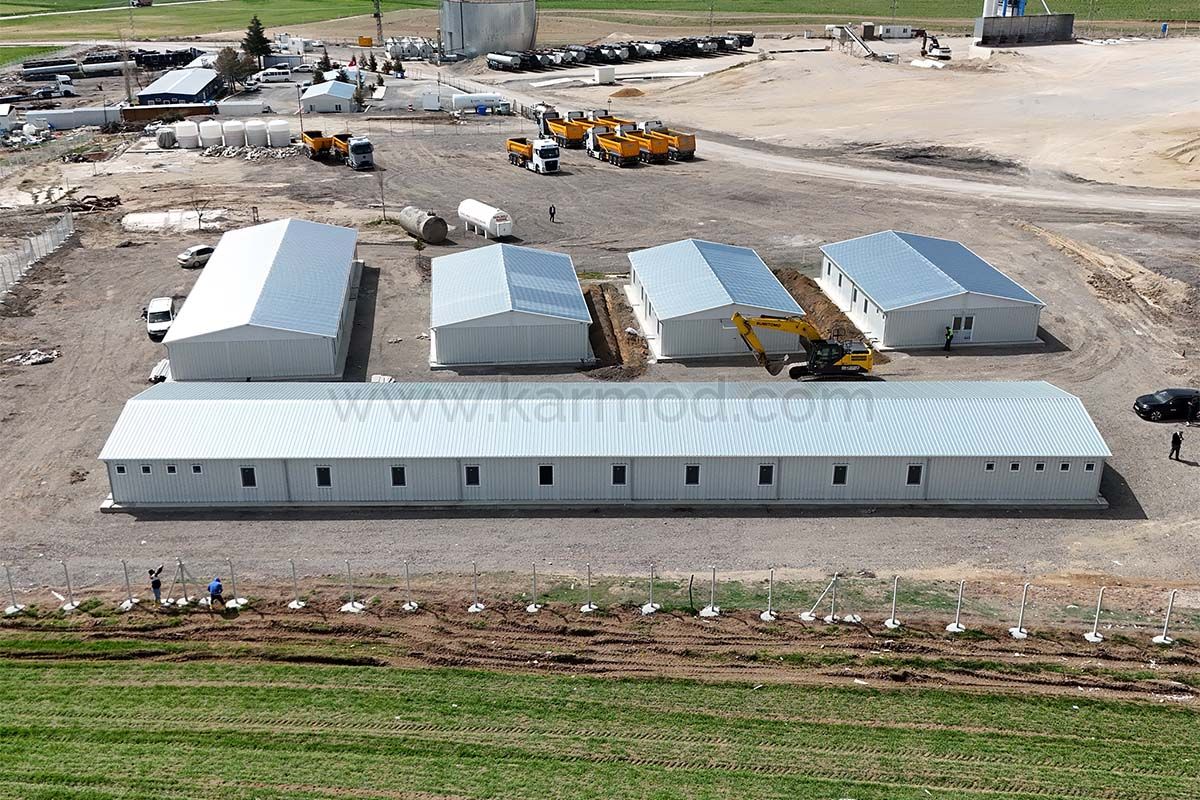
For large residential projects, separate zones may be created for accommodation, offices, dining, sanitation, storage, parking, and security. This zoning helps reduce congestion and improves movement inside the camp.
A mass housing project may require accommodation for a small technical team at the beginning and a much larger workforce during peak construction. Modular camp systems are suitable for this changing structure because units can be added, removed, or repurposed according to the project phase.
During early works, the site may need basic offices, security cabins, storage units, and limited worker housing. As construction expands, more accommodation, dining, sanitation, and welfare units can be installed. During finishing and handover phases, some buildings can be removed or converted for inspection teams and management staff.
This flexibility helps contractors avoid unnecessary permanent construction. It also allows the camp to grow with the project rather than being oversized from the beginning.
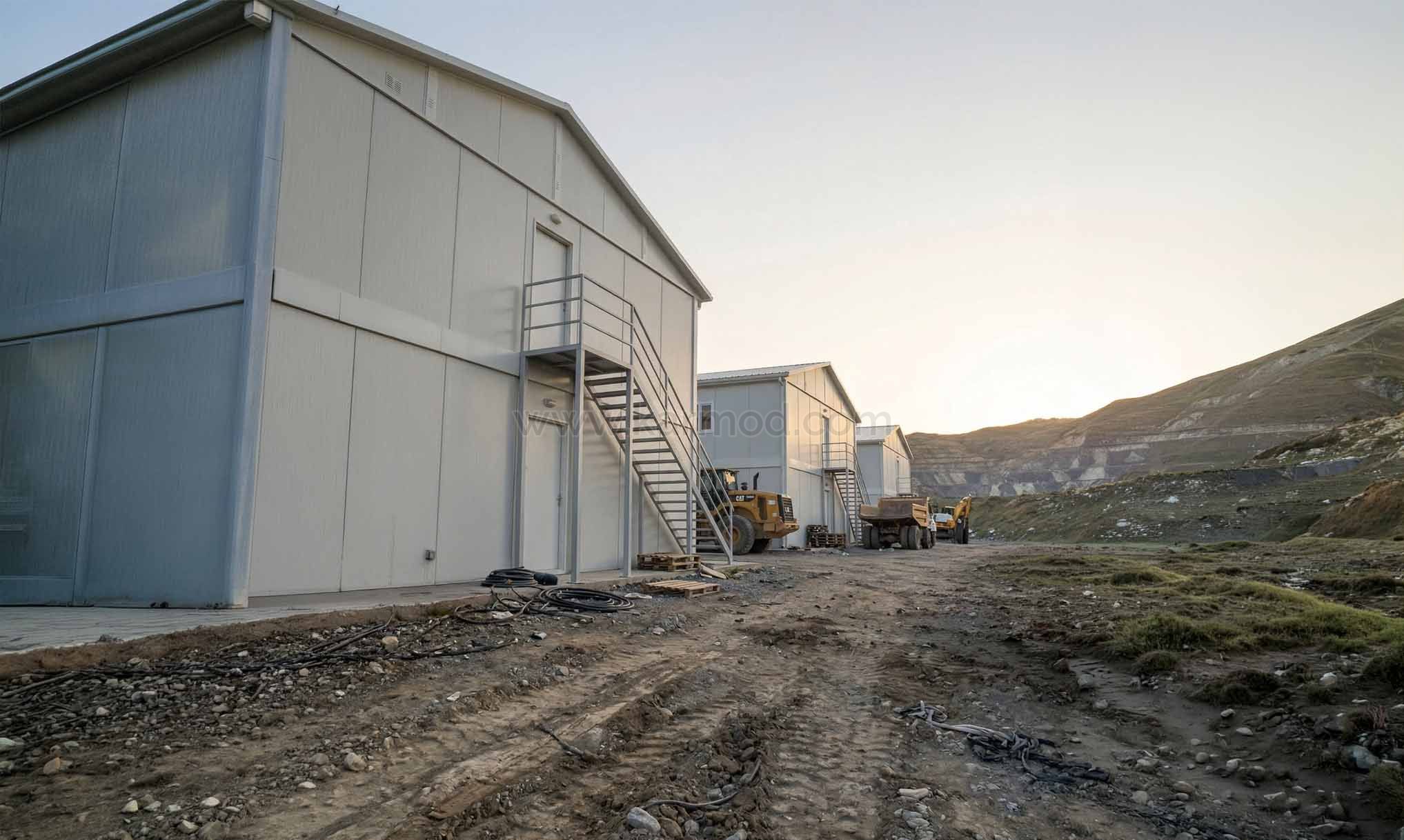
Although mass housing projects are different from dam construction, some modular camp principles are similar across large infrastructure works. Concrete dam site housing and irrigation dam camp facilities also require accommodation, dining, sanitation, storage, and site management units in remote or demanding locations.
For mass housing projects, the same modular logic can be applied in urban expansion zones, new residential districts, or large development areas where temporary worker facilities are needed. Containers and prefab buildings can be installed quickly and later relocated to another project.
This makes modular worker camps practical not only for residential construction but also for infrastructure-related housing developments, utility works, and large construction programs connected to new settlements.
Worker camps must be planned with safety and hygiene in mind. Accommodation and dining areas should be separated from active construction zones, heavy vehicle routes, material storage points, and fuel areas. Clear walking paths, lighting, controlled entrances, fire safety equipment, and emergency access routes should be included in the camp layout.
Environmental planning is also important. Camps may need clean water supply, wastewater collection, solid waste storage, drainage systems, kitchen waste control, and regular cleaning procedures. These systems help protect worker health and reduce the impact of the camp on the surrounding area.
For large housing projects, welfare facilities can directly affect worker performance. Clean rooms, reliable meals, sanitary facilities, rest areas, laundry services, and medical support help create better living conditions during long construction schedules.
In order to serve you better, if you could kindly send an e-mail to info@karmod.com for questions and details about your theoretical and special architectural plans, projects, and product specifications, your request will be responded to as soon as possible.

From one end of the world to the other, we enable our customers to reach the ready-made construction sector produced with the new technology of the world. We guarantee reliability through technology and innovation, flexible commercial models and smart supply chain solutions that add value for you, following the project production network.
Discover
Karmod is one of the largest prefabricated construction companies in Turkey, with a production of 45,000 m2. produces high quality prefabs and prefab containers