EN
EN 


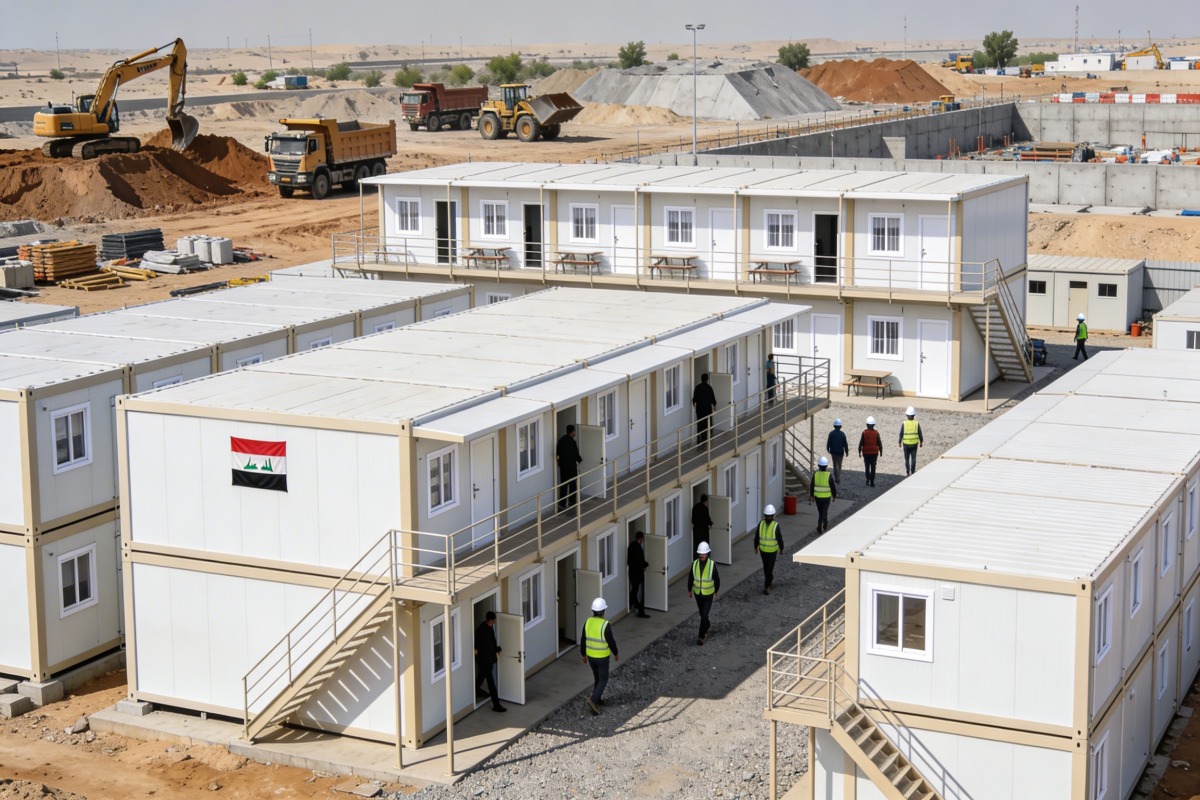
Zimbabwe’s landscape ranges from highveld plateaus to subtropical lowlands, with seasonal rainfall patterns and strong sun exposure shaping how buildings perform over time. As urban centers like Harare and Bulawayo expand and regional industries such as mining, agriculture, and logistics continue to grow, the need for efficient, durable, and scalable construction solutions becomes increasingly clear.
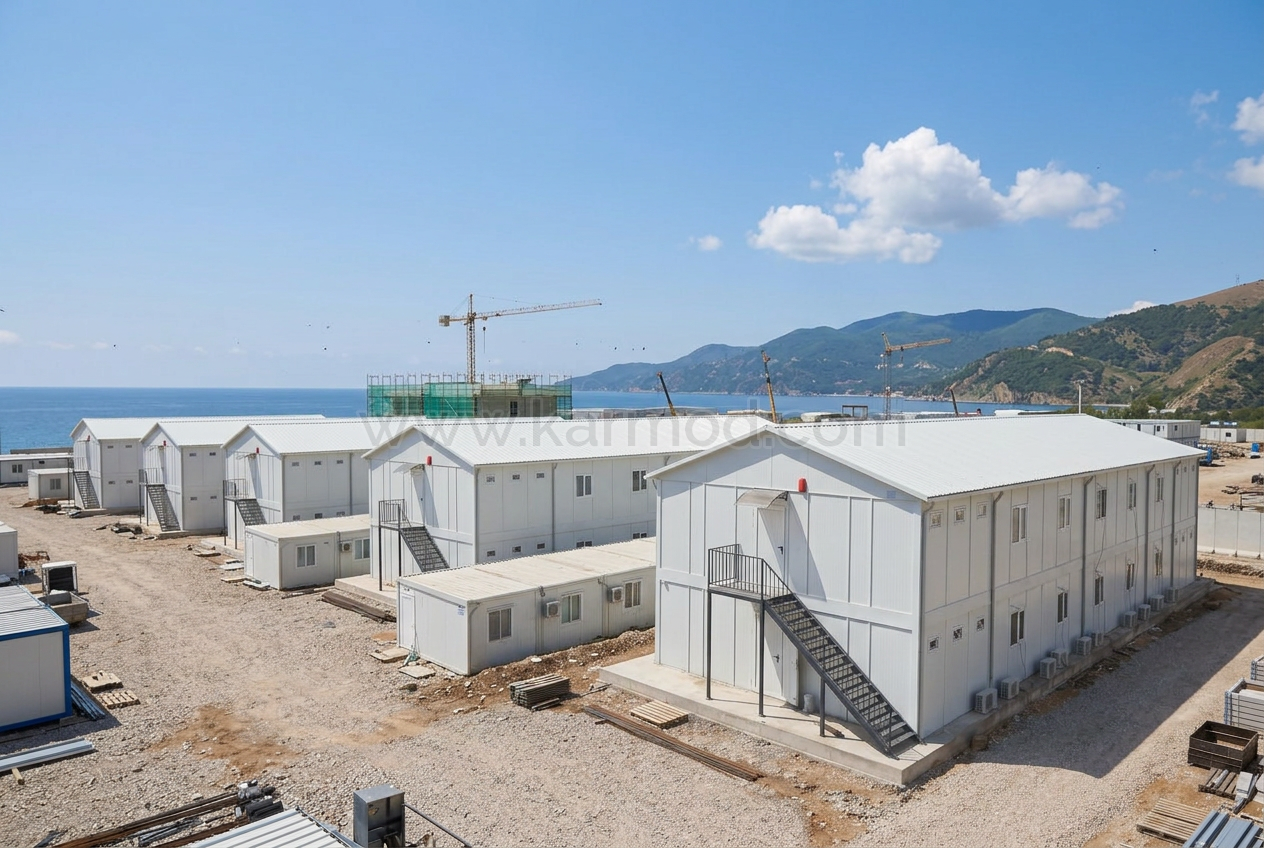
In this environment, Zimbabwe container buildings are emerging as practical alternatives to conventional construction. Designed as flexible and rapidly deployable structures, they support residential, commercial, and operational uses across the country. Through advanced container engineering and professionally manufactured modular container buildings, prefabricated container systems offer predictable timelines and performance suited to Zimbabwe’s climate conditions.


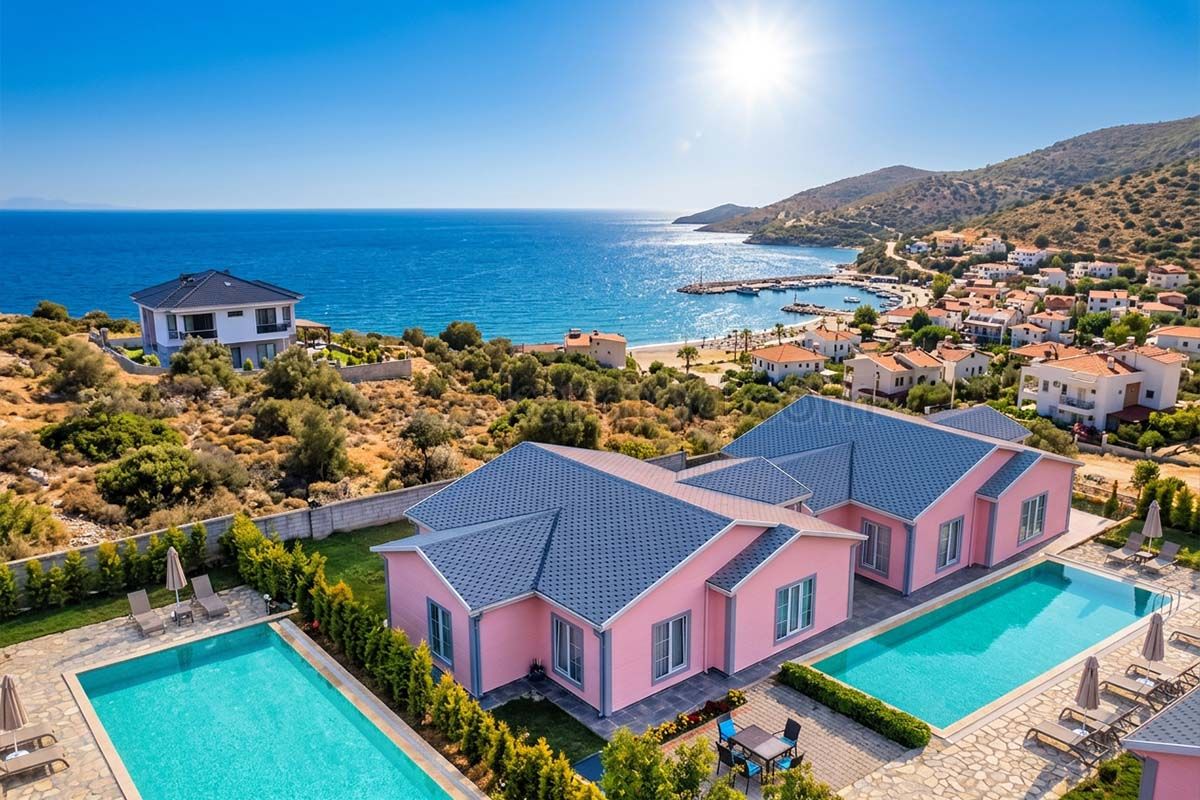
Housing demand in Zimbabwe calls for construction approaches that balance affordability, durability, and speed. Zimbabwe container homes provide a modular solution that can be configured for compact single-unit living or expanded into multi-room layouts. Manufactured in controlled environments, these units help reduce construction uncertainty while improving overall build quality.
Environmental performance plays an important role in residential design. With appropriate insulation systems, ventilation planning, and protective coatings, climate-resistant container buildings can maintain interior comfort during hot summers and seasonal rains. This makes them suitable for both urban developments and rural housing projects.
Flexibility is central to their appeal. Homes can be extended through additional modules, rearranged for changing family needs, or relocated when required. As prefabricated container systems, they combine structural strength with adaptable design, supporting a new generation of sustainable housing in Zimbabwe.


Storage capacity is vital for Zimbabwe’s mining operations, agricultural enterprises, distribution centers, and construction projects. Zimbabwe container storage solutions provide secure, durable units that can be deployed close to operational zones, reducing transport time and improving site efficiency.
These systems support multiple sectors:
Engineered steel frames and reinforced doors enhance security, while protective surface treatments extend service life under varying weather conditions. Their relocatable nature allows businesses to adapt as project phases change.


When evaluating manufacturers for Zimbabwe container buildings, engineering precision and material reliability are critical considerations. Karmod emphasizes consistent production standards, structural integrity, and detailed finishing to deliver dependable modular solutions.
Zimbabwe’s environmental conditions require corrosion-resistant materials and effective thermal insulation. Climate-resistant container buildings must be designed with long-term durability in mind, particularly in regions exposed to heavy rainfall or strong sunlight. Karmod’s manufacturing approach combines controlled factory production with customization options, ensuring that each unit aligns with project requirements.
From internal layouts to electrical and plumbing integration, customization supports residential, commercial, and industrial applications without compromising performance.
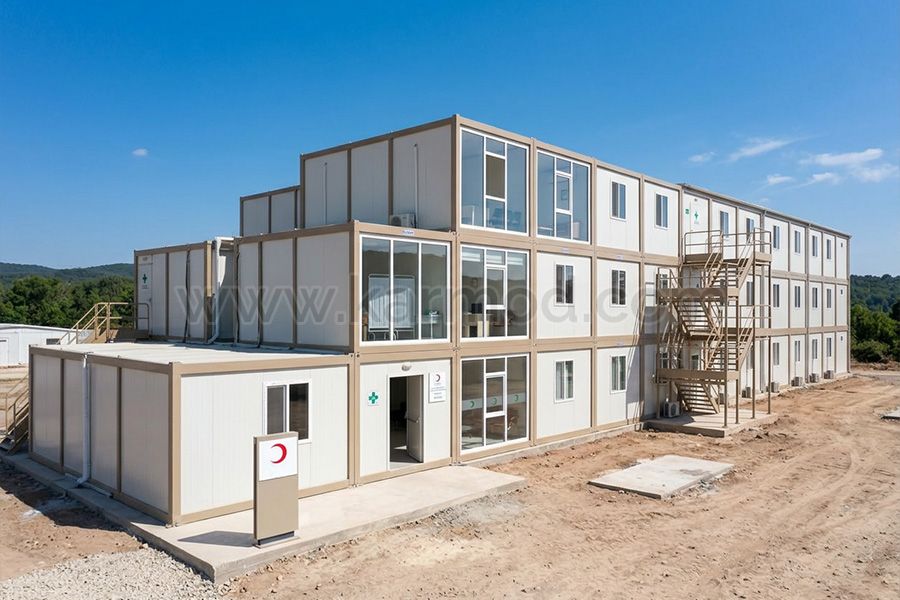
As businesses expand across Zimbabwe’s commercial and industrial sectors, workspace flexibility becomes increasingly important. Zimbabwe container offices offer structured environments that can be quickly installed on project sites or within urban developments. A professionally designed container office integrates lighting systems, insulation, climate control readiness, and ergonomic layouts within a modular frame.
Offices can operate independently or be combined into larger administrative complexes. This scalability supports growing teams and evolving operational needs. By minimizing construction time and simplifying installation, modular container buildings help organizations maintain continuity while expanding their physical footprint.
These office innovations reflect a shift toward efficient space planning, where adaptability and structural reliability are equally prioritized.
Commercial development in Zimbabwe increasingly incorporates modular solutions to meet faster delivery schedules. Zimbabwe container buildings are used for service centers, branch offices, showrooms, and multi-purpose business facilities. Prefabricated container systems streamline the construction process while maintaining structural durability.
Common applications include:
With climate-responsive design elements, these modular container buildings provide stable interior conditions while supporting architectural flexibility.
Retail environments benefit from the adaptability of container-based construction. Zimbabwe container shop concepts allow rapid deployment in shopping districts, mixed-use developments, and emerging commercial corridors.
Modular expansion makes it possible to adjust layouts as market demand shifts, while durable materials ensure long-term usability.
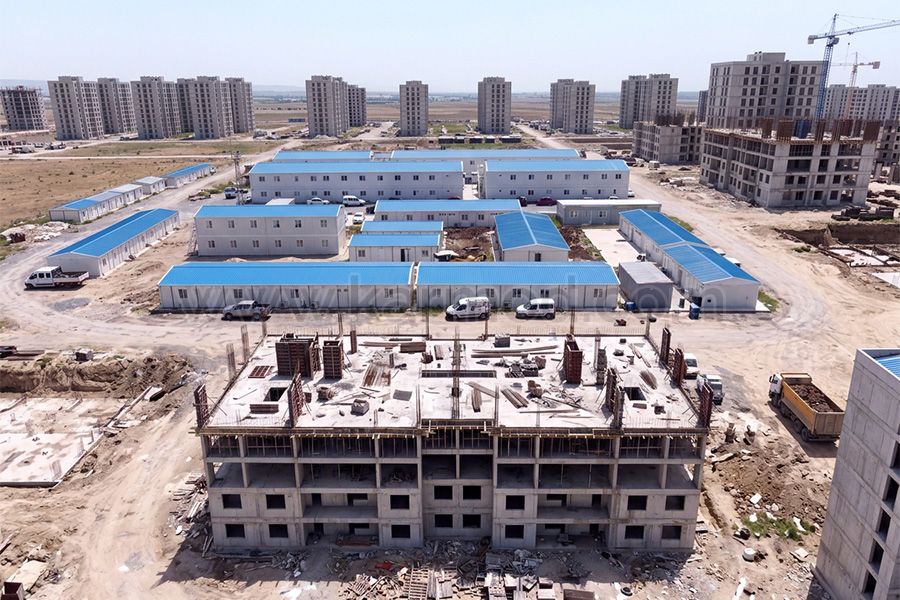
Urban housing strategies in Zimbabwe are increasingly exploring modular approaches to address growing population needs. Zimbabwe container homes configured as apartment units can be arranged in stacked or courtyard-based layouts, optimizing land use in city centers.
Prefabricated container systems accelerate project timelines while maintaining structural reliability. With effective insulation and ventilation planning, container apartment developments provide comfortable living environments adapted to local climate conditions.
Community-focused layouts may incorporate shared green spaces, walkways, and service areas, supporting cohesive urban neighborhoods built through modular container buildings.
Beyond housing and commercial facilities, modular container buildings in Zimbabwe support education, healthcare, and community infrastructure projects. Prefabricated container systems can be configured to meet diverse requirements, including:
By combining structural durability with modular flexibility, Zimbabwe container buildings represent a forward-looking construction approach. As development continues across the country, modular container buildings provide scalable, resilient solutions suited to Zimbabwe’s evolving architectural landscape.
In order to serve you better, if you could kindly send an e-mail to info@karmod.com for questions and details about your theoretical and special architectural plans, projects, and product specifications, your request will be responded to as soon as possible.

From one end of the world to the other, we enable our customers to reach the ready-made construction sector produced with the new technology of the world. We guarantee reliability through technology and innovation, flexible commercial models and smart supply chain solutions that add value for you, following the project production network.
Discover
Karmod is one of the largest prefabricated construction companies in Turkey, with a production of 45,000 m2. produces high quality prefabs and prefab containers