EN
EN 


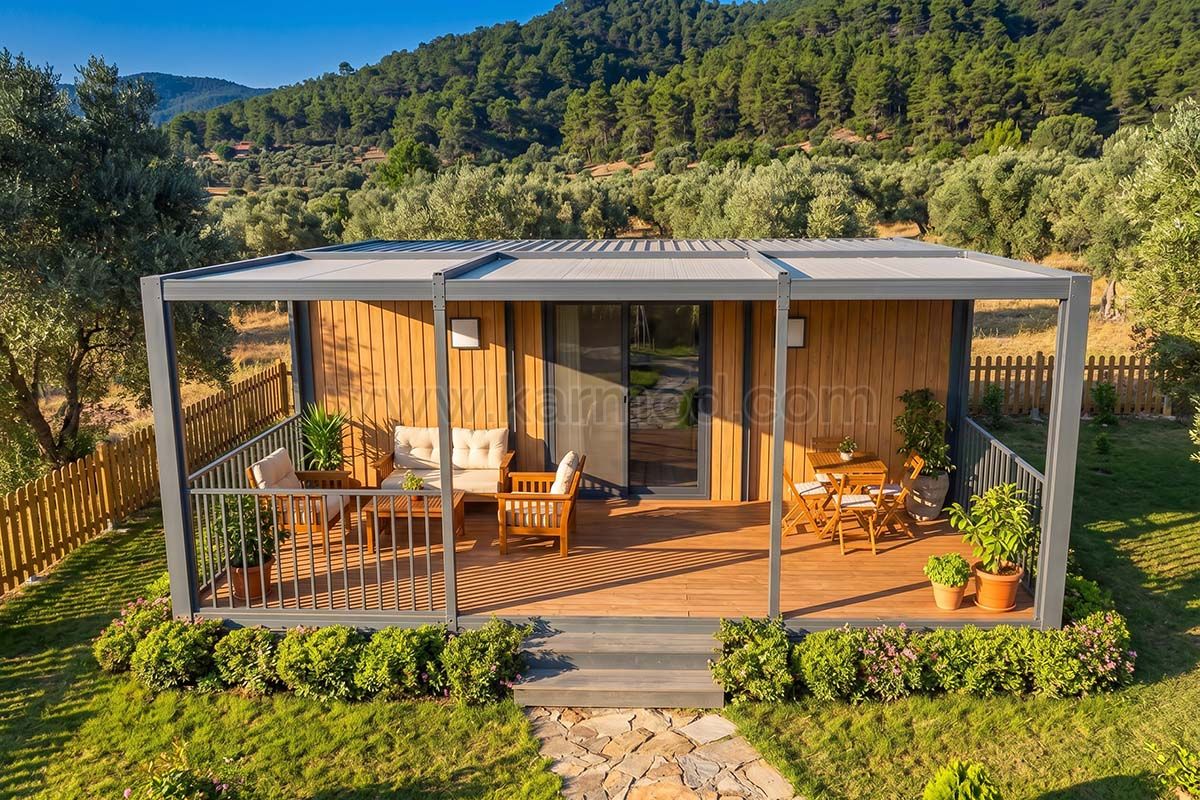
The idea of “zero waste” living is no longer a fringe movement reserved for environmental activists. It has evolved into a powerful lifestyle choice—one that intersects naturally with the growing popularity of tiny houses. For many tiny house owners, “zero waste” is not a trend; it’s a daily practice that reshapes how they shop, cook, store, travel, and even think.
Below, you’ll discover how tiny house living and zero waste principles come together in real, practical ways—along with the surprising emotional and financial benefits that follow.
Living in a tiny house forces a fundamental shift in priorities. When your entire home fits within a compact footprint, every square meter matters. Storage is limited. Surfaces are intentional. Every item has a purpose. That reality alone dramatically reduces overconsumption.
Tiny house owners often describe their move as a “reset button.” Downsizing isn’t just about fitting into a smaller space; it’s about rethinking what deserves to enter that space at all. Before purchasing anything, the question becomes: Do I truly need this? That pause is where zero waste living begins.
A smaller home also means reduced energy usage, fewer furnishings, less packaging waste, and minimal renovation debris. Heating and cooling demands are lower. Water consumption is easier to monitor. Many tiny house owners integrate composting toilets, solar panels, and rainwater collection systems—turning sustainability into a practical, everyday experience rather than an abstract goal.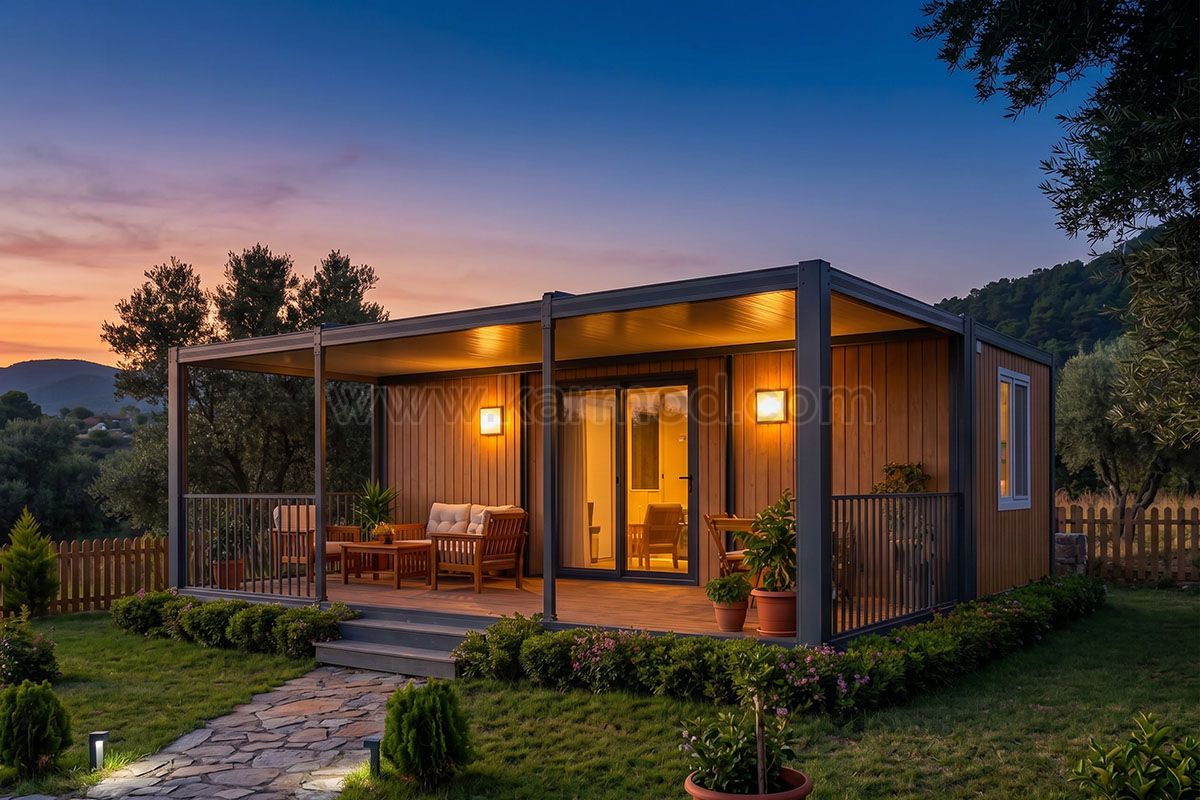
Zero waste living in a tiny house isn’t about perfection. It’s about consistency. Owners quickly learn that small daily habits compound into meaningful environmental impact.
Food storage, for example, transforms dramatically. Bulk shopping becomes the norm. Reusable glass jars replace plastic containers. Cloth produce bags eliminate single-use packaging. Because storage is limited, food waste naturally decreases—there simply isn’t room to overstock.
Cleaning routines also evolve. Instead of shelves filled with chemical products, many tiny house residents use multi-purpose, eco-friendly cleaners. Refillable bottles and DIY cleaning solutions reduce both cost and waste. Laundry habits shift toward biodegradable detergents and energy-efficient washing.
Even décor reflects zero waste principles. Furniture is often upcycled, reclaimed, or custom-built to maximize functionality. Materials such as natural wood, recycled steel, and low-VOC finishes are preferred—not only for environmental reasons but for healthier indoor air quality.
Every corner of a tiny house becomes proof that sustainability and style can coexist beautifully.
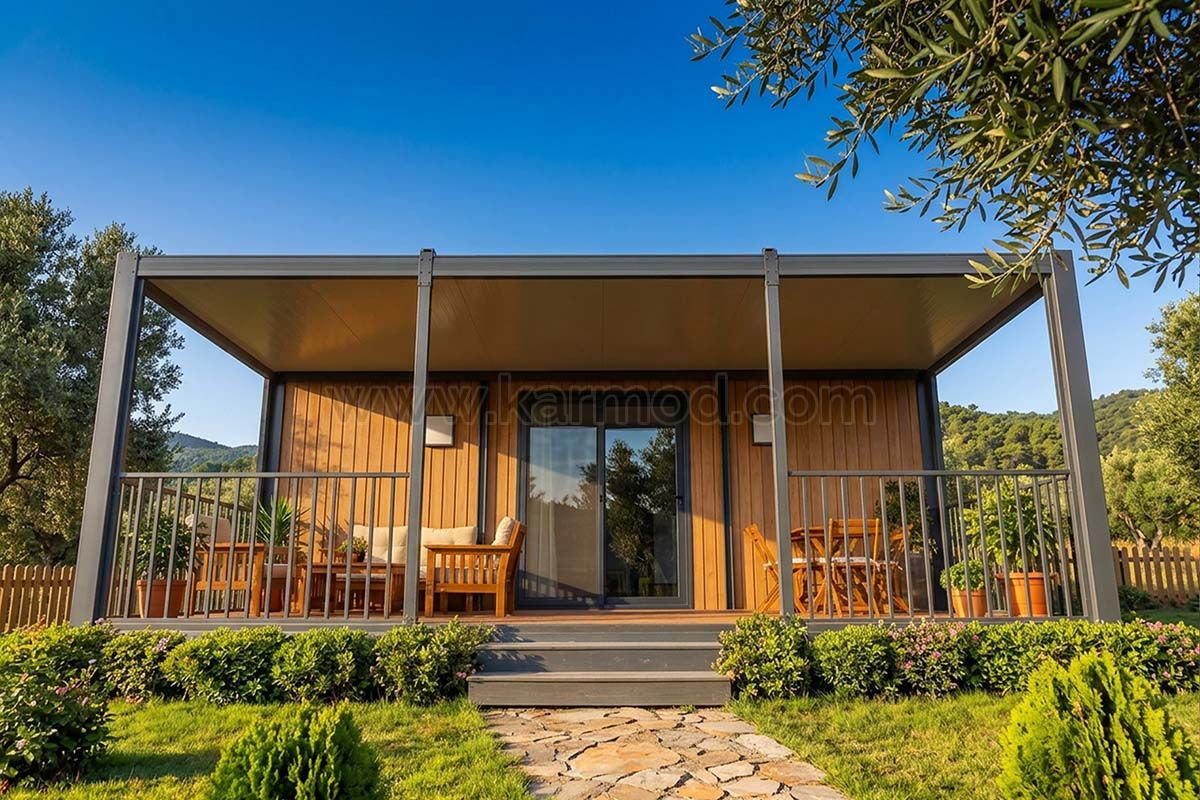
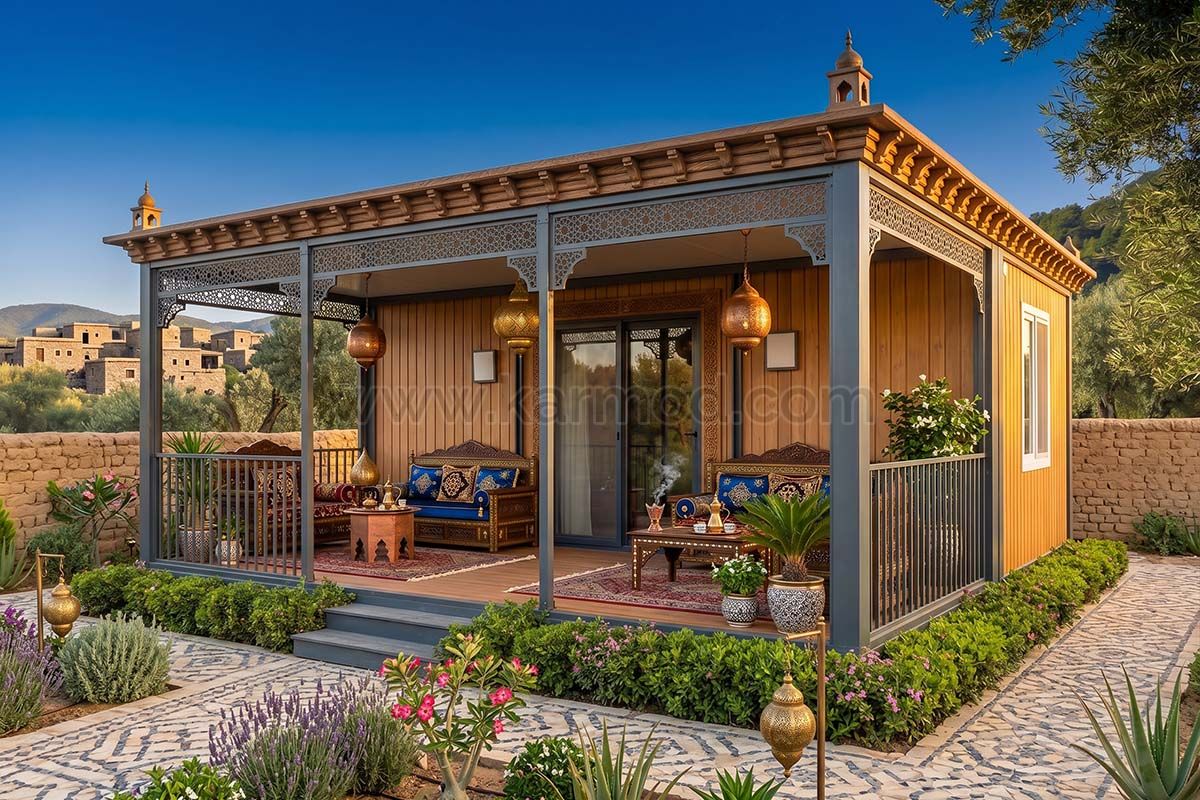
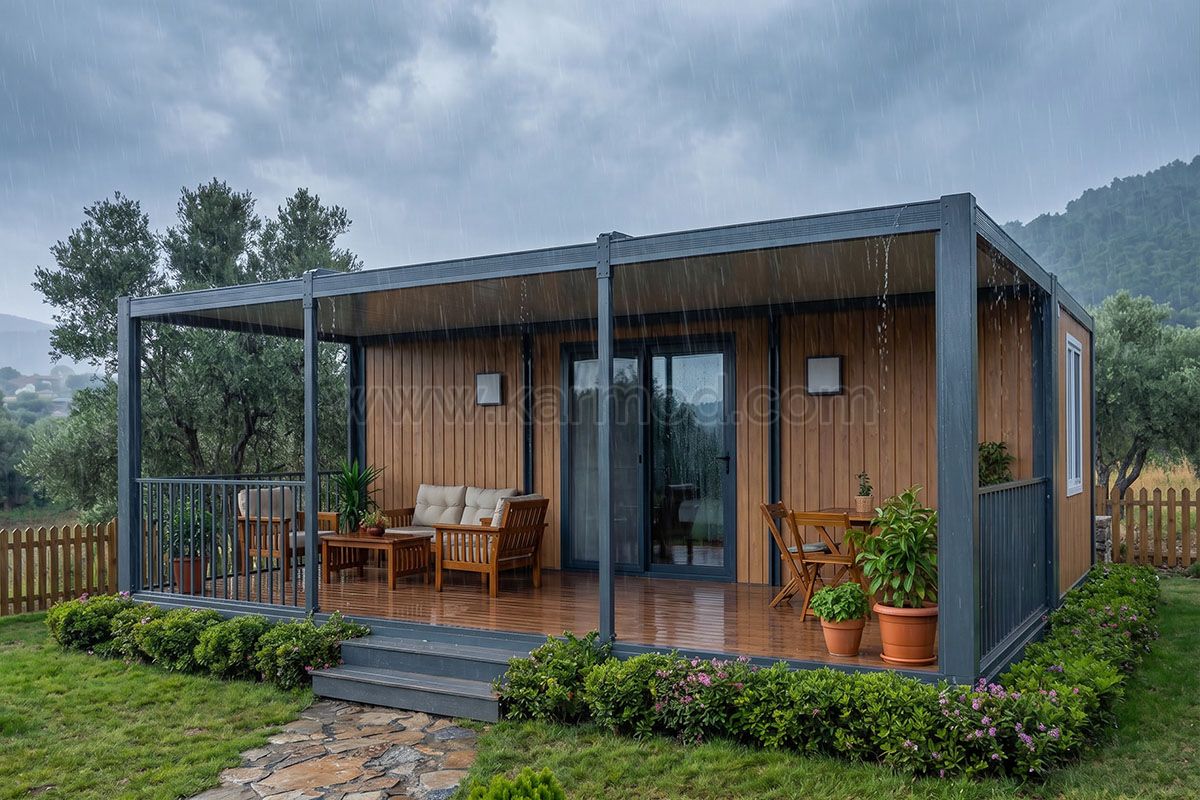
One of the most compelling tiny house living experiences is the financial transformation that often follows. Lower mortgage or construction costs reduce long-term debt. Smaller utility bills mean more disposable income. But zero waste habits amplify these savings even further.
When you buy less, you spend less. When you repair instead of replace, your resources stretch further. When you reduce food waste, your grocery budget shrinks. The financial benefits of sustainable living become tangible almost immediately.
Tiny house owners frequently report that zero waste living allows them to redirect money toward travel, investments, entrepreneurship, or personal passions. Sustainability becomes more than an environmental choice—it becomes a strategic financial decision.
This connection between financial freedom and eco-friendly housing is one of the strongest motivations for people considering the tiny house movement today.
Clutter is more than physical—it’s mental. A smaller, intentionally organized living space often leads to greater mental clarity. Tiny house owners regularly describe feeling lighter, calmer, and more focused.
Zero waste living reinforces that clarity. Instead of being surrounded by excess packaging, disposable products, and unused items, the home feels purposeful. Every object has a place. Every purchase has intention.
This simplified environment reduces decision fatigue. It encourages mindful consumption. It fosters gratitude. Many tiny house owners say they feel more connected—to nature, to their routines, and to themselves.
Living sustainably in a tiny house is not about sacrifice. It’s about alignment. When your environment reflects your values, daily life feels more coherent and fulfilling.
For many, the ultimate zero waste dream involves stepping partially—or fully—off the grid. Tiny houses make that transition realistic.
Solar panel systems are frequently installed due to the limited roof area needed to power a compact home. Energy-efficient appliances and LED lighting reduce overall consumption. Some owners incorporate composting toilets and greywater recycling systems to minimize water waste.
Off-grid tiny house living doesn’t mean discomfort. Modern design ensures functionality without excess. Smart layouts, insulation technology, and space-saving innovations create homes that are both sustainable and comfortable.
This independence from traditional utility systems gives homeowners a powerful sense of resilience. In a world of rising energy costs and environmental uncertainty, that resilience is invaluable.
Zero waste living often extends beyond the walls of the tiny house. Many tiny house communities are built around shared sustainability principles. Residents exchange tools, share compost systems, and support local farmers.
Community gardens are common. Repair workshops replace throwaway culture. Barter systems reduce unnecessary consumption. When sustainability becomes a collective effort, its impact multiplies.
Tiny house owners frequently report that this sense of community strengthens their commitment to eco-friendly housing. Living among like-minded individuals reinforces sustainable habits and makes zero waste practices feel normal rather than restrictive.
No lifestyle is without obstacles. Storage limitations can make bulk shopping tricky without proper organization. Composting systems require learning curves. Space constraints demand creative design solutions.
Yet these challenges often become opportunities. Custom shelving maximizes vertical space. Foldable furniture increases flexibility. Multi-functional appliances eliminate redundancy.
Tiny house owners quickly develop problem-solving skills that make zero waste living easier over time. Adaptation becomes second nature. What initially feels like compromise evolves into efficiency.
This resilience is part of the appeal. Living small teaches innovation.
Thoughtful design is central to successful zero waste tiny house living. Natural light reduces the need for artificial lighting during the day. High-quality insulation lowers energy consumption year-round. Built-in storage eliminates clutter.
Materials matter. Sustainably sourced wood, recycled metals, and durable finishes extend the life cycle of the home. Modular design allows for easy upgrades instead of full renovations.
When architecture and sustainability align, the tiny house becomes more than shelter—it becomes a statement of conscious living.
Interest in tiny house living continues to grow as housing prices rise and environmental awareness deepens. People are searching for alternatives that offer affordability, mobility, and sustainability in one cohesive package.
Zero waste living enhances the appeal. It transforms a small home into a powerful lifestyle choice. It reduces environmental footprint while increasing personal freedom. It shifts focus from accumulation to experience.
For many, the decision begins with curiosity: What if less really is more? That curiosity often leads to research. Research leads to inspiration. Inspiration leads to action.
Choosing a tiny house is not just about downsizing—it’s about upgrading your life. It’s about reducing waste, lowering costs, and reclaiming control over your space and your time.
The experiences of tiny house owners prove that zero waste living is achievable, practical, and deeply rewarding. With thoughtful design, sustainable materials, and intentional habits, your home can become a reflection of your values.
If you’re exploring eco-friendly housing options and want to understand how a tiny house can align with your sustainability goals, now is the perfect moment to take the next step. Reach out to our team to discover how we design and build tiny houses that make zero waste living not only possible—but inspiring.
Your sustainable future might be smaller than you imagined. And far more powerful.
In order to serve you better, if you could kindly send an e-mail to info@karmod.com for questions and details about your theoretical and special architectural plans, projects, and product specifications, your request will be responded to as soon as possible.

From one end of the world to the other, we enable our customers to reach the ready-made construction sector produced with the new technology of the world. We guarantee reliability through technology and innovation, flexible commercial models and smart supply chain solutions that add value for you, following the project production network.
Discover
Karmod is one of the largest prefabricated construction companies in Turkey, with a production of 45,000 m2. produces high quality prefabs and prefab containers