EN
EN 


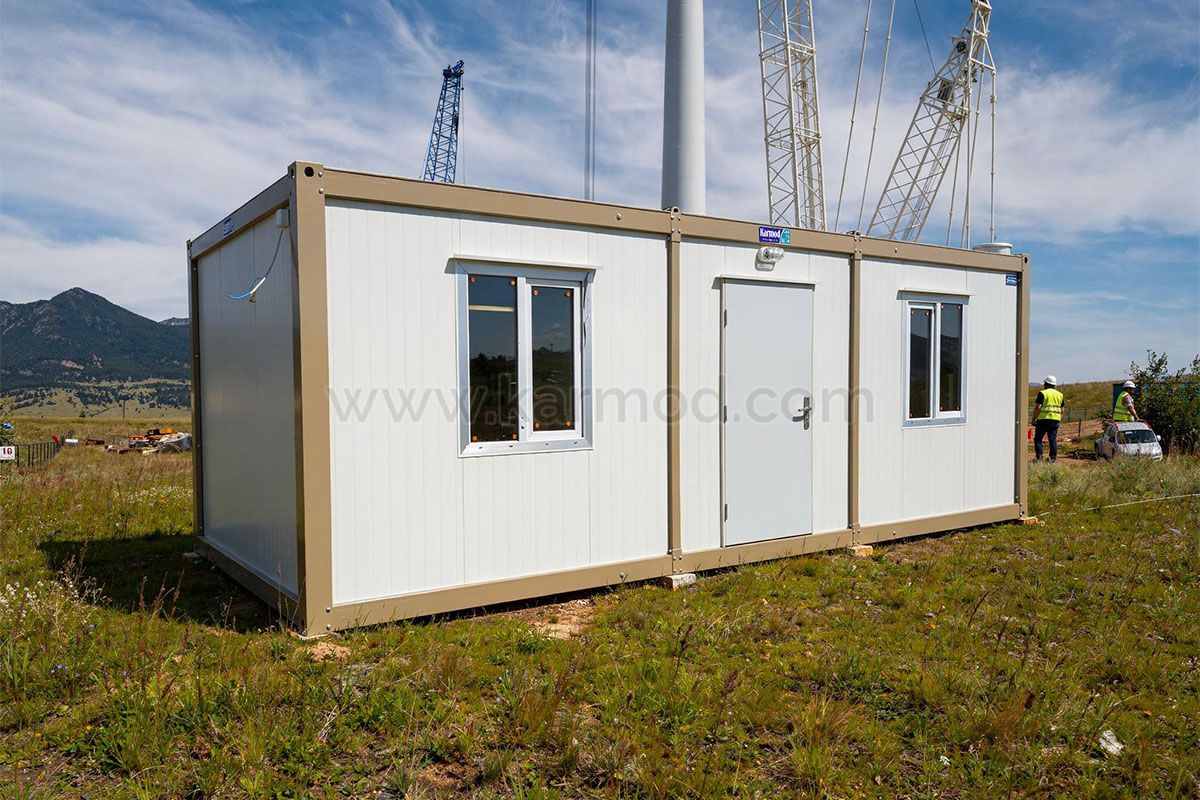
Wind farm projects are often developed in open fields, coastal regions, mountain areas, rural zones, or offshore locations where ready-to-use buildings are limited. During construction, installation, commissioning, and maintenance stages, project teams need safe accommodation and practical support spaces close to the turbines. Wind farm worker accommodation provides a fast and flexible way to create these facilities without depending on permanent construction.
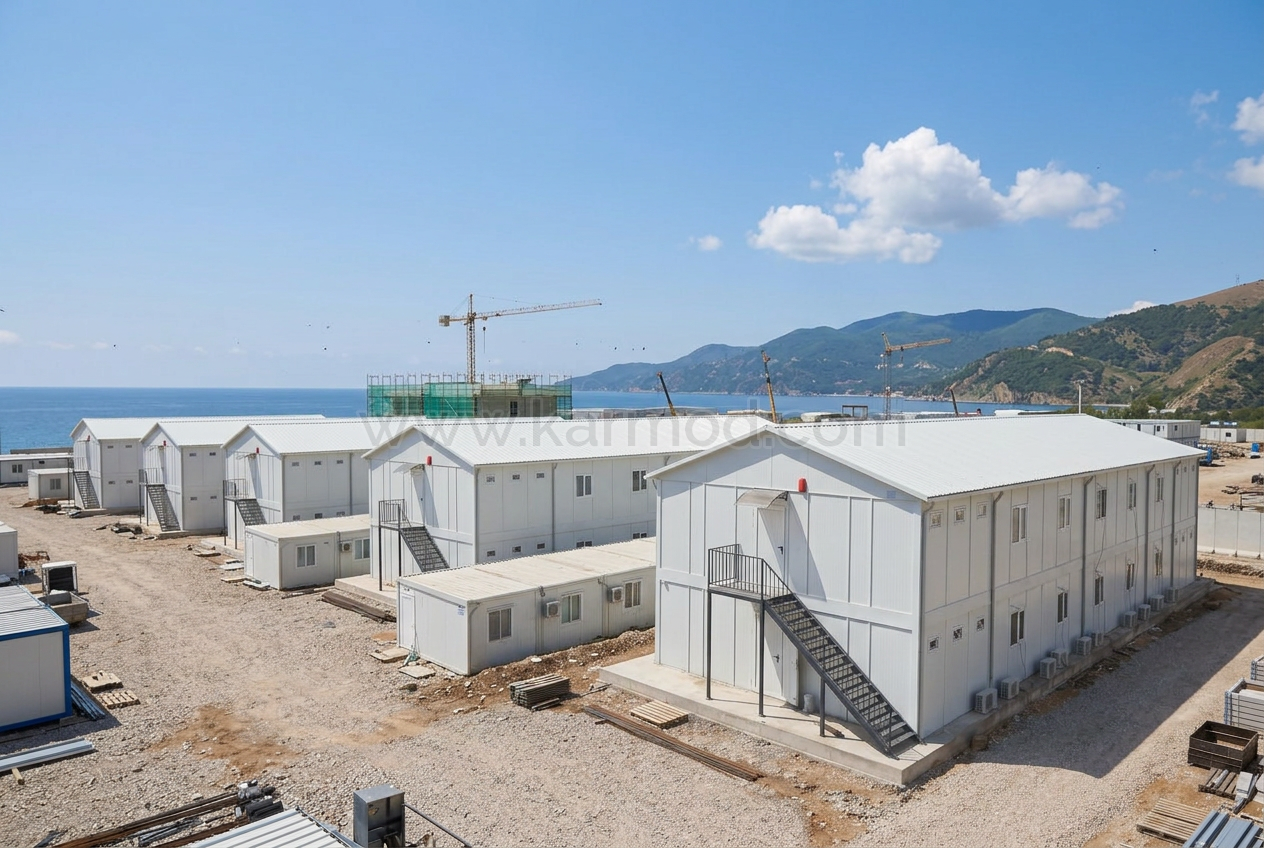
Modular accommodation units can be used for workers, engineers, supervisors, maintenance teams, and site management staff. These structures help create an organized wind farm camp where daily operations, rest, meals, hygiene, and coordination can be managed from one planned area.
Wind energy projects usually cover large areas, and turbine locations may be far from towns or existing accommodation options. For this reason, transporting workers every day from distant hotels or housing areas can create time loss, additional costs, and operational difficulties.
Wind farm worker accommodation modular solutions help solve this problem by placing living and service units near the project area. Workers can stay closer to the site, attend daily briefings more easily, and respond faster to changing work schedules.
A modular camp can also be adapted to the size of the project. A small maintenance operation may need only a few accommodation and office units, while a large construction project may require a complete camp with bedrooms, dining halls, sanitary units, laundry rooms, storage areas, and management offices.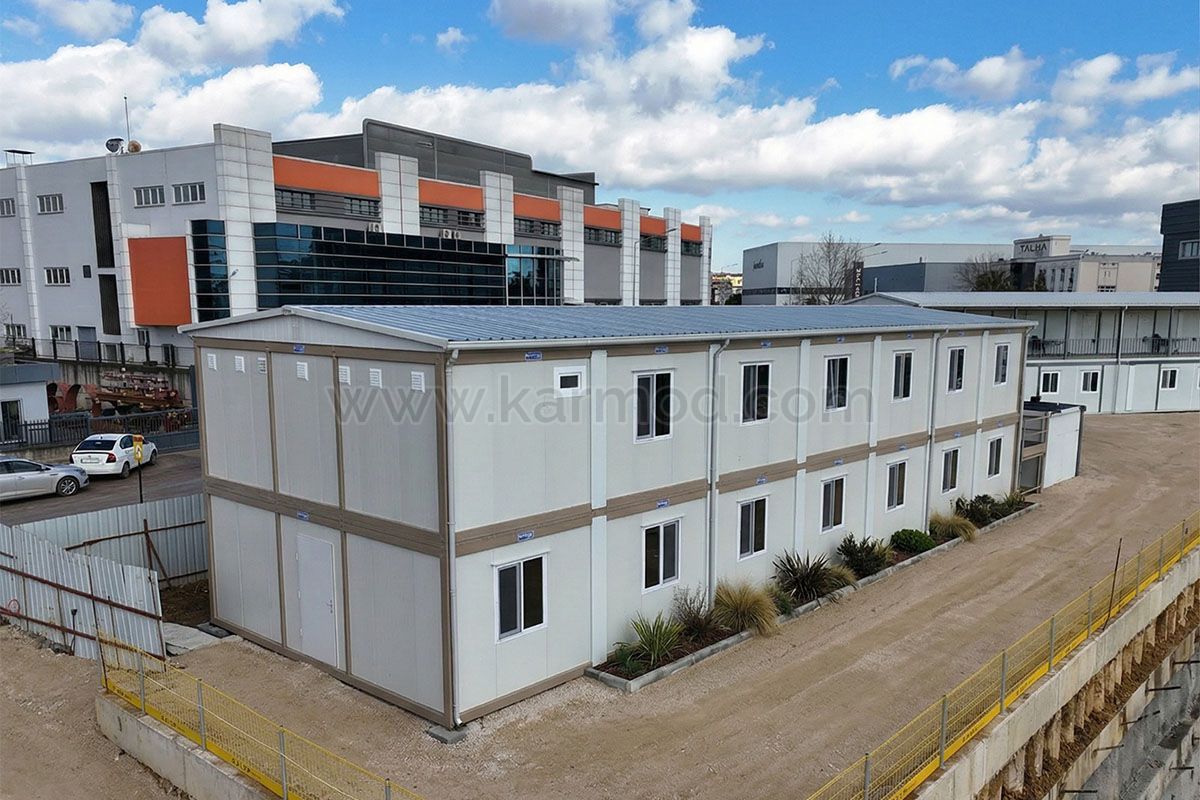
A wind farm camp should be planned according to the workforce size, project timeline, site access, and climate conditions. The main goal is to create a practical living environment where workers can rest properly after long shifts and access essential services without leaving the project area.
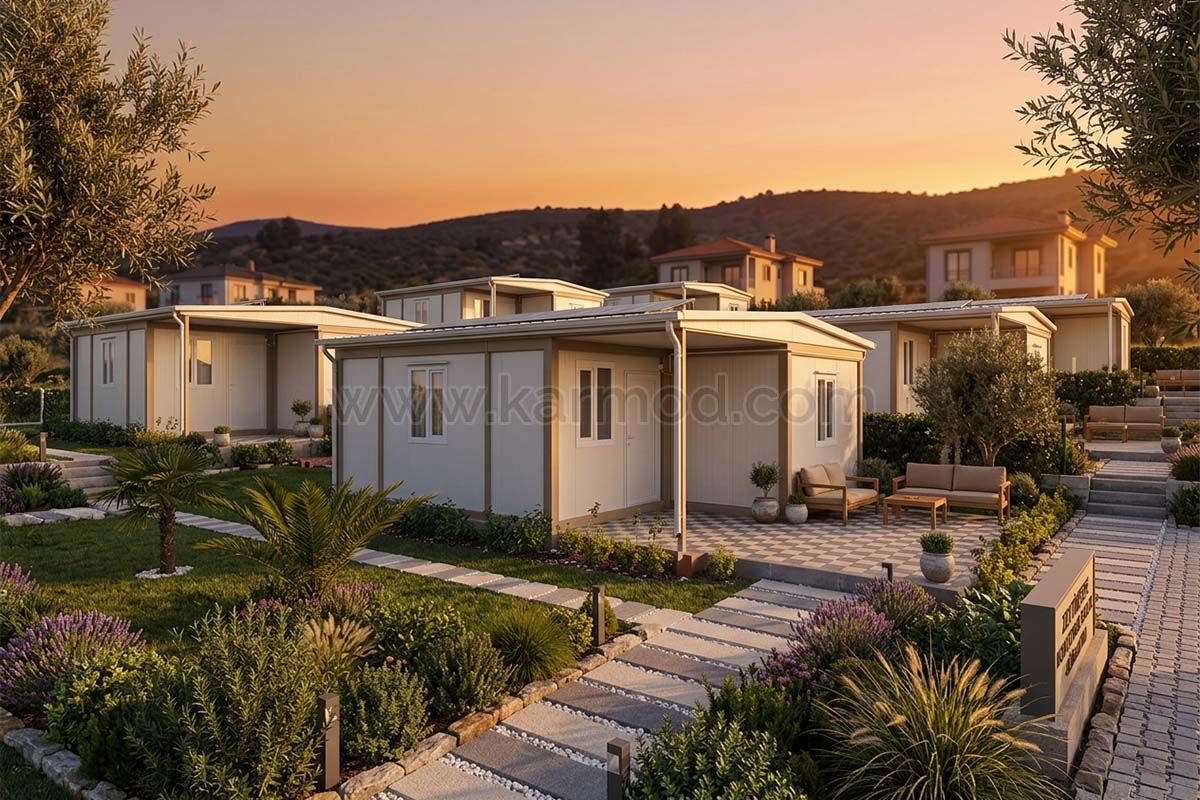
Accommodation containers can be arranged as single rooms, shared rooms, or dormitory-style units. In addition to sleeping areas, the camp may include toilets, showers, changing rooms, dining spaces, kitchens, recreation rooms, first-aid rooms, and security cabins.
Office and meeting containers can also be added for supervisors, engineers, and health and safety teams. This makes it easier to manage work permits, shift planning, turbine installation schedules, equipment control, and site communication from one central location.
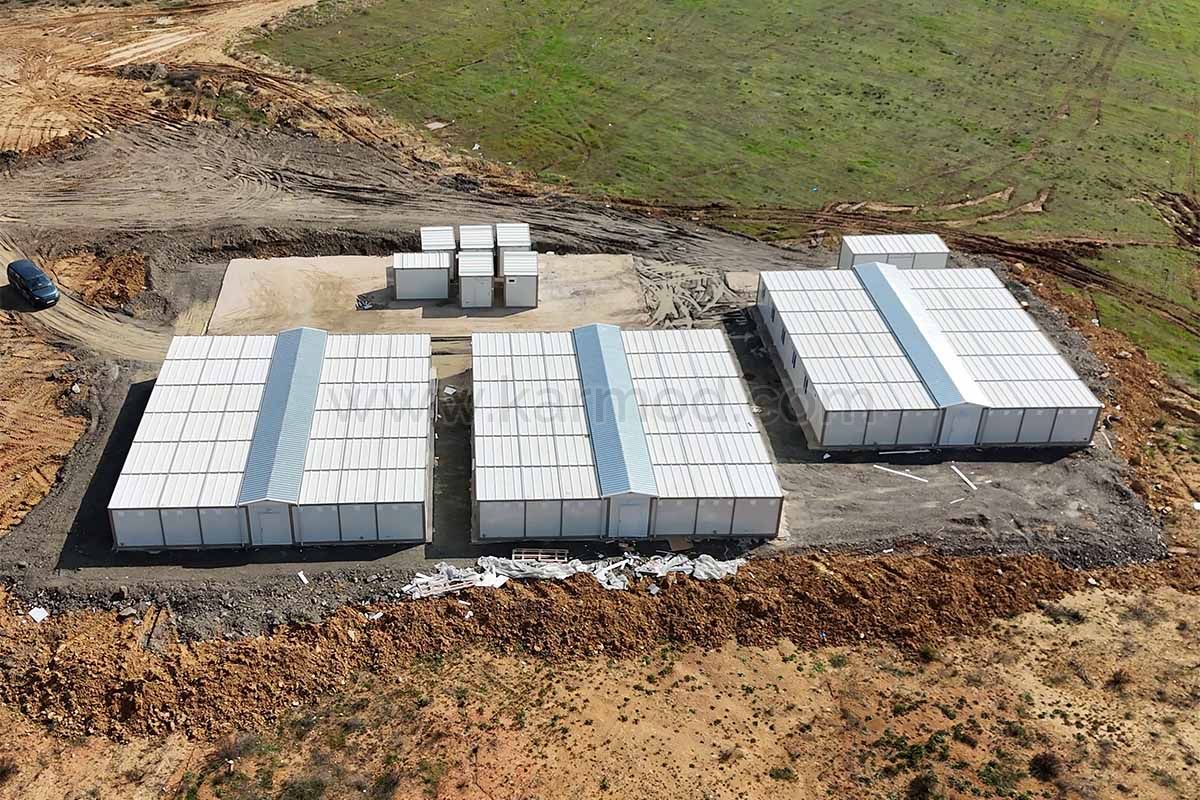
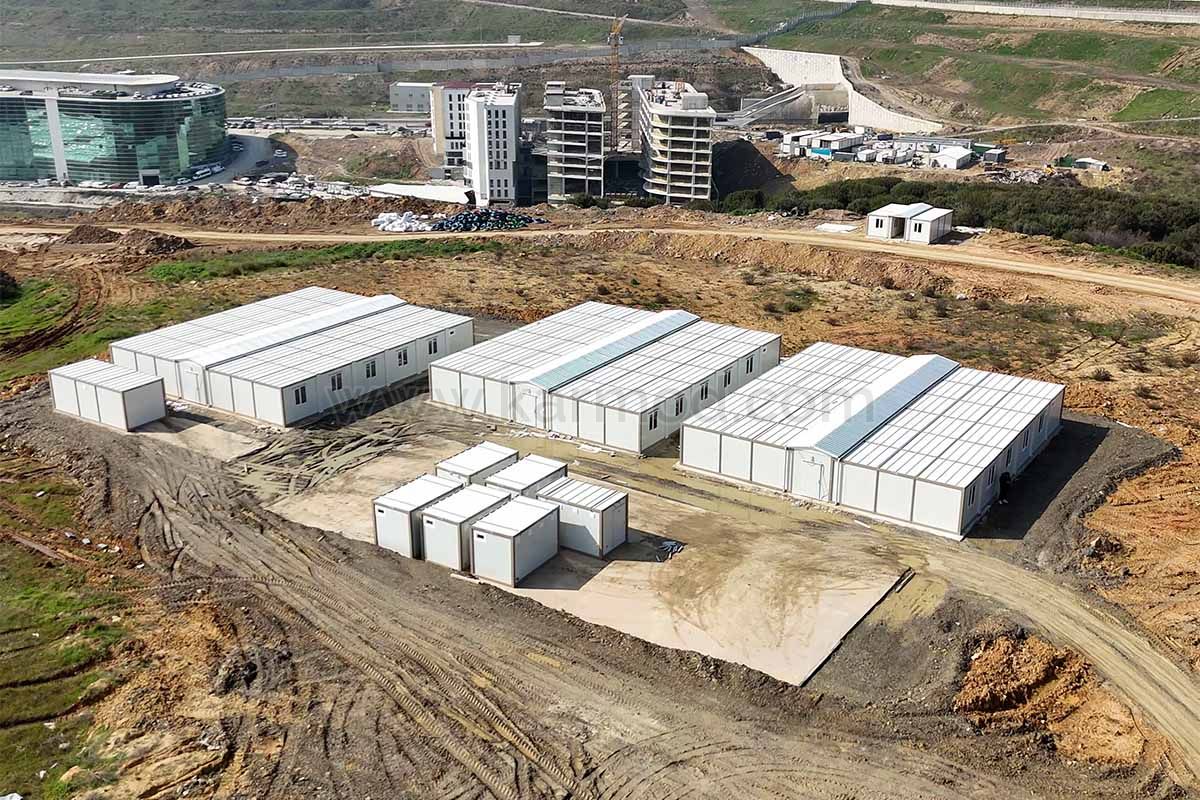
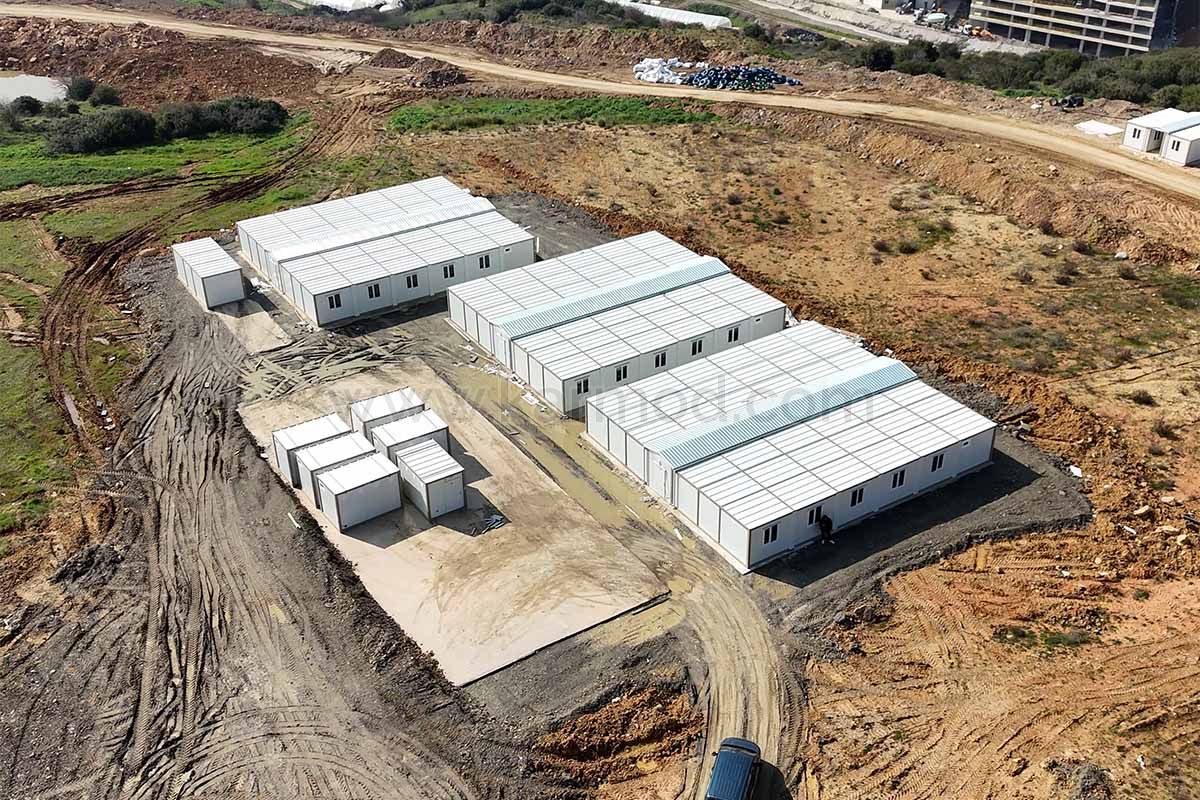
Wind turbine installation housing is especially important during the construction and assembly phase of a project. Turbine installation requires specialized teams, heavy equipment, cranes, transport vehicles, and strict coordination. Since installation schedules may change due to wind speed, weather, or delivery timing, workers often need to remain close to the site.
Modular accommodation units allow installation teams to stay near the work area and reduce unnecessary travel. This can improve daily planning and help teams make better use of suitable weather windows.
These units can be combined with tool storage containers, safety rooms, rest areas, and site offices. By keeping accommodation and support facilities close together, project managers can create a more efficient field operation during the most active phase of the wind farm project.
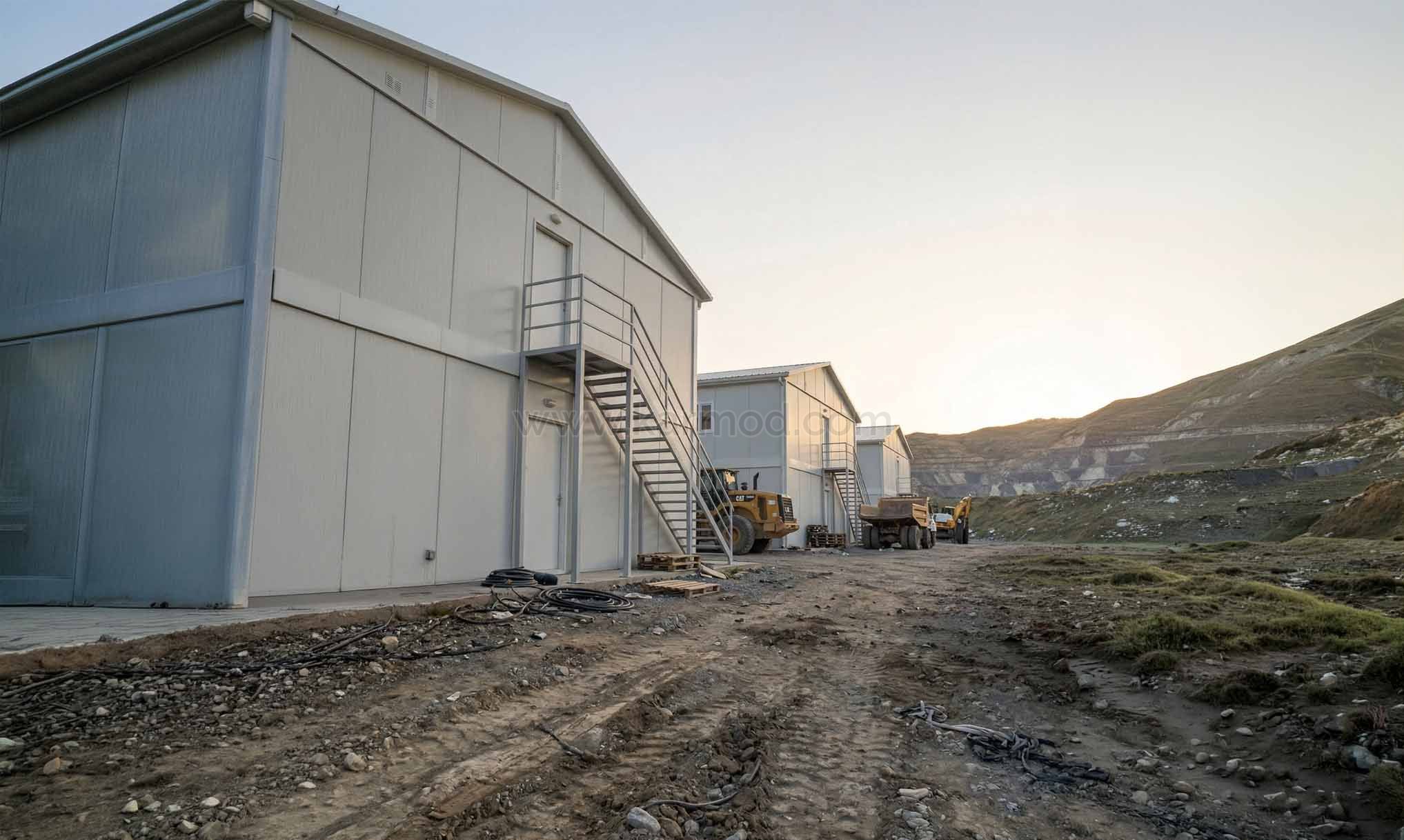
An onshore wind project camp is commonly used in rural, hilly, agricultural, or remote land areas. These sites may have limited infrastructure, so the camp must be designed to support both living and working needs.
Modular buildings can be delivered to the site and installed according to the available land. Units can be connected side by side or arranged in separate zones for accommodation, offices, dining, sanitation, and storage. This helps keep the camp organized and safe for daily movement.
For onshore projects, durability is important because the camp may be exposed to strong winds, dust, rain, mud, or temperature changes. Proper insulation, strong structural design, reliable doors and windows, and efficient heating or cooling systems can make the units more comfortable for workers throughout the project.
Offshore wind accommodation has different needs compared to onshore projects. Offshore wind farms may require worker housing on support vessels, coastal base camps, temporary port facilities, or modular units located near the logistics area.
Teams working on offshore projects often follow strict schedules because transport depends on sea conditions, vessel availability, and safety rules. Modular accommodation near the port or operation base can help workers remain close to transfer points and technical facilities.
These accommodation units may be used by installation crews, maintenance teams, marine coordinators, engineers, and inspection staff. Comfort, safety, insulation, ventilation, and emergency planning become especially important because offshore wind projects can involve challenging weather and complex logistics.
Wind farms continue to need accommodation after construction is completed. Turbine maintenance worker housing can support inspection teams, repair crews, electrical technicians, blade maintenance specialists, and service personnel.
Maintenance work may be planned, seasonal, or urgent. Having modular housing available near the site can reduce response time and make it easier to manage multi-day repair operations. This is useful for wind farms located far from urban centers or in areas where local accommodation is limited.
Maintenance housing can be smaller than a full construction camp, but it should still include comfortable sleeping areas, sanitary facilities, rest spaces, and practical storage for tools and safety equipment. If the maintenance area changes, the units can be relocated or reused at another wind energy site.
A wind farm construction camp may include accommodation containers, office containers, dining hall units, kitchen units, sanitary containers, laundry rooms, storage containers, first-aid units, recreation rooms, and security cabins. The exact setup depends on the number of workers, project location, construction schedule, and site requirements.
Container camps in high-wind locations should be installed on suitable foundations and secured with proper anchoring systems. The method may include steel fixing plates, ground anchors, concrete foundations, or engineered connection systems depending on wind load, soil condition, and local regulations. A site-specific structural assessment is important before installation.
Insulation requirements depend on the climate, country, and project specifications. Worker accommodation at wind energy sites may require thermal insulation for cold or hot weather, sound insulation for comfort, and fire-resistant materials for safety. In harsh regions, insulated wall panels, sealed windows, efficient heating, and proper ventilation are especially important.
Yes, modular camps can be used during both construction and operation and maintenance phases. During construction, they can support large installation teams and site management staff. After the project is completed, some units can be removed, relocated, or converted into smaller accommodation, office, and maintenance support facilities for O&M teams.
Permit requirements vary depending on the country, municipality, land use rules, and project type. Temporary accommodation at wind farm sites may require approvals for building placement, worker housing, sanitation, fire safety, electrical systems, water supply, wastewater management, and site access. Before installation, project owners should check local regulations and obtain the necessary permissions.
In order to serve you better, if you could kindly send an e-mail to info@karmod.com for questions and details about your theoretical and special architectural plans, projects, and product specifications, your request will be responded to as soon as possible.

From one end of the world to the other, we enable our customers to reach the ready-made construction sector produced with the new technology of the world. We guarantee reliability through technology and innovation, flexible commercial models and smart supply chain solutions that add value for you, following the project production network.
Discover
Karmod is one of the largest prefabricated construction companies in Turkey, with a production of 45,000 m2. produces high quality prefabs and prefab containers