EN
EN 


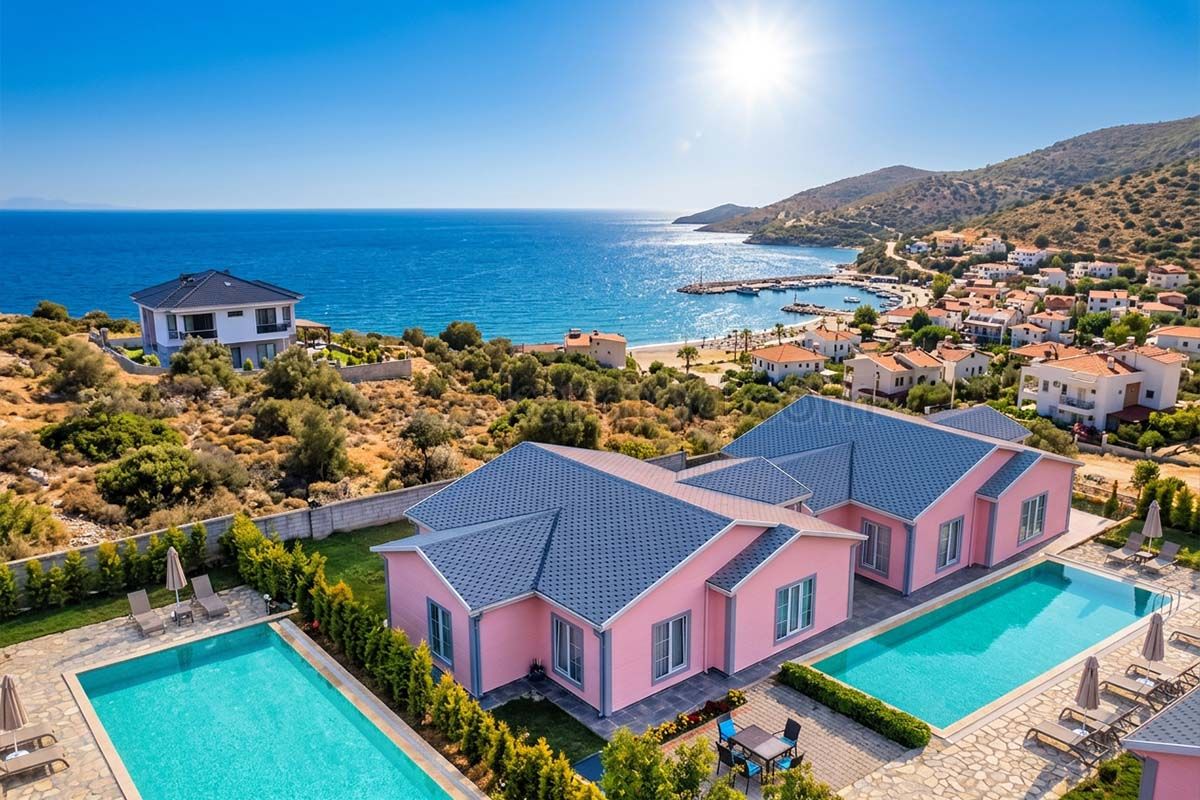
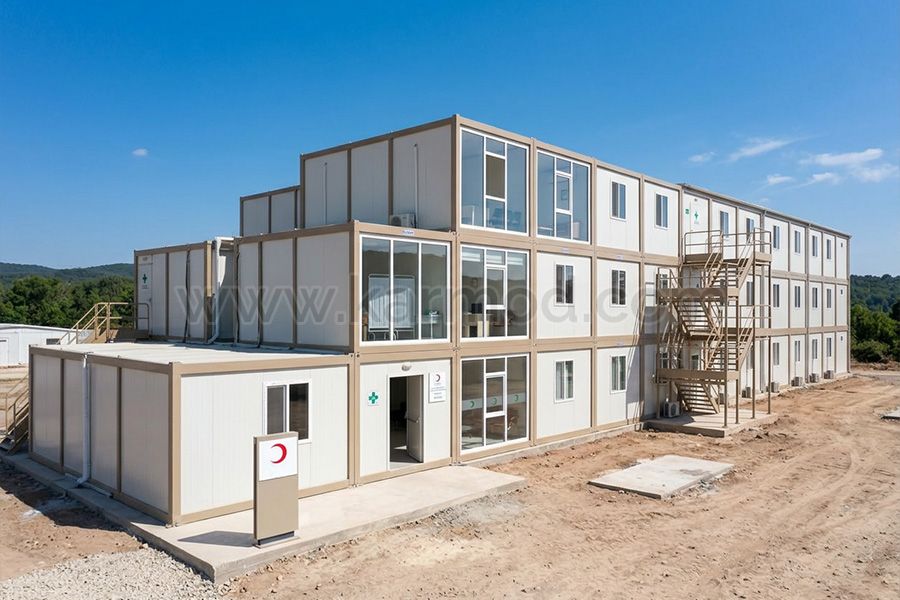
Modular homes are becoming one of the most promising housing solutions of our time thanks to their speed of construction and cost efficiency. But speed and affordability alone are not enough. A truly successful modular home must elevate quality of life, adapt to user needs, and offer long-term value. In this article, we explore the core principles that define a well-designed modular home.
A modular home doesn’t have to feel cramped or compromised, even when compact. A well-designed modular layout should maximize natural light, allow comfortable movement, and incorporate thoughtful storage solutions. Rather than narrow corridors, awkward corners, or unnecessary partitions, the focus should be on creating flexible spatial arrangements that support psychological comfort and everyday functionality.
Livability also extends beyond layout. Practical kitchens, living areas that can transform into workspaces, and furniture that integrates multiple functions all contribute to a more comfortable modular experience. When livability is prioritized, even a small unit can feel like a true home rather than a temporary space.

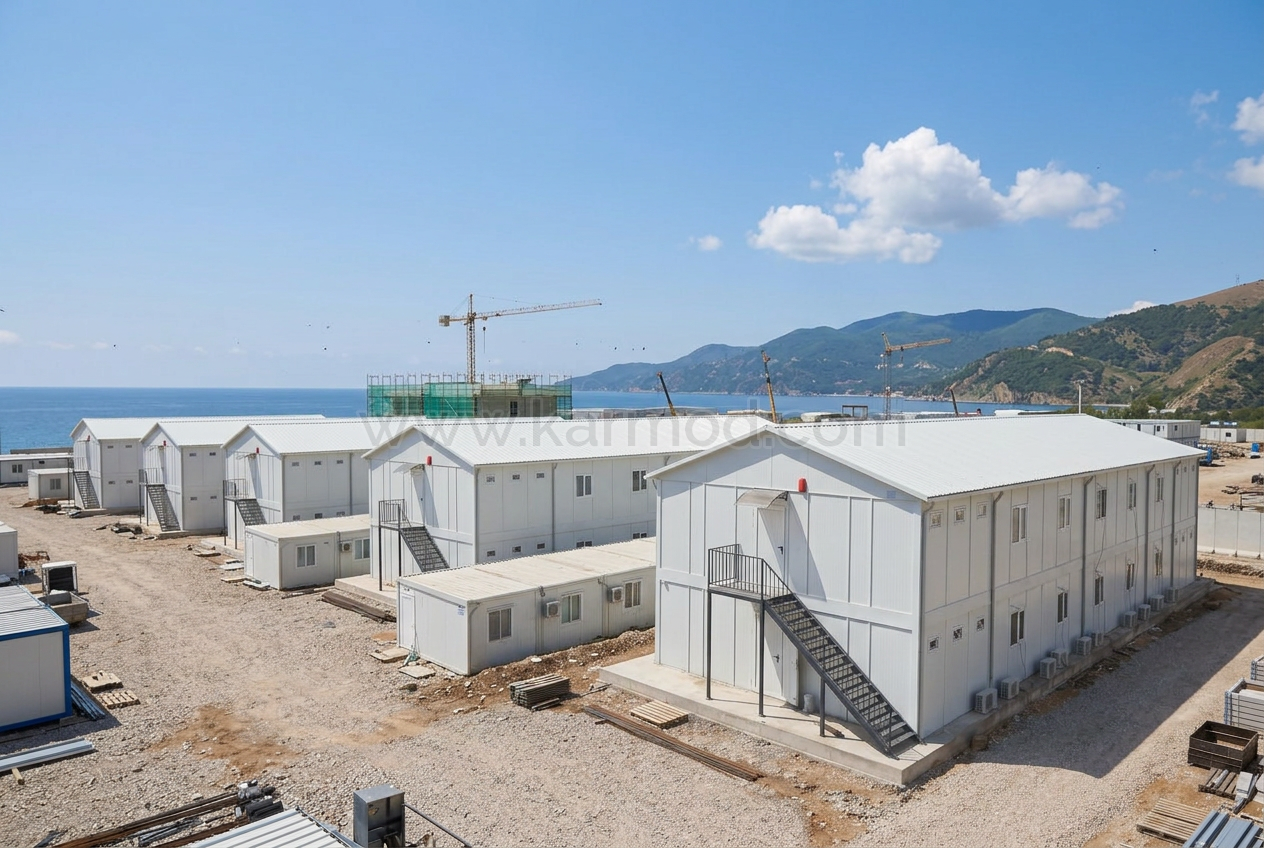
Modular construction is often associated with tiny units, but the technology is capable of much more. Mid-sized homes, family-oriented layouts, and multi-room configurations can all be produced using modular systems. This diversity enables housing that better aligns with the varying stages and needs of people’s lives.
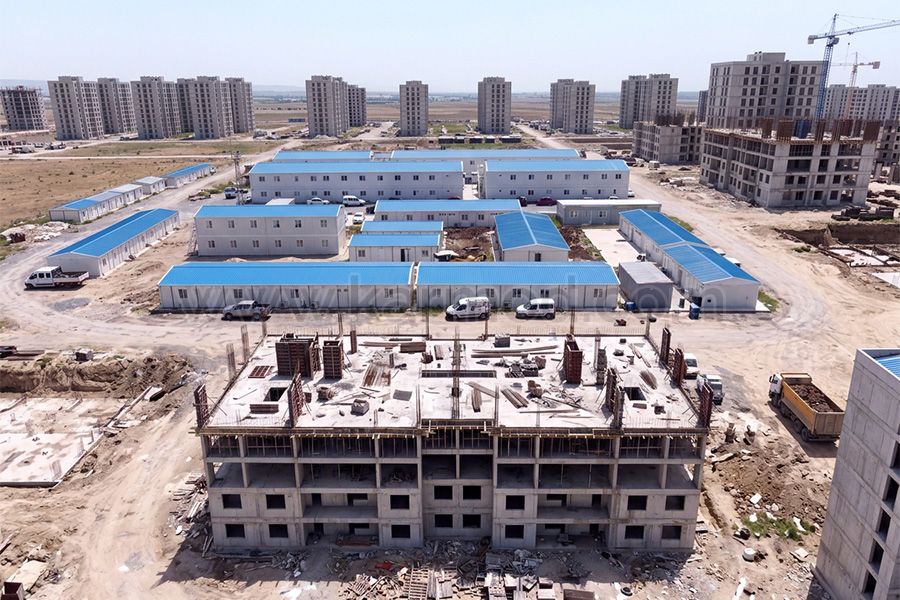
A strong modular housing project considers the balance of all unit types rather than focusing solely on compact modules. If small units are included, they should be complemented by thoughtful shared spaces, balanced unit mixes, and adaptable building forms. Modularity should serve as a tool for creating richer living environments—not as a method for mass-producing identical small boxes.


Successful modular housing is grounded in real behavioral and occupancy data rather than assumptions about potential users. Understanding how people actually live, what spaces they prioritize, and where typical design shortcomings occur leads to more accurate decisions and better-performing homes. This data-driven approach enhances satisfaction and ensures that modular units are not only efficient but genuinely functional.
In addition, modular homes should be evaluated continuously rather than only at the moment of completion. Acoustic comfort, thermal performance, maintenance patterns, user feedback, and space adaptability should all be monitored and used to refine future projects. When planning is rooted in measurable performance, modular housing becomes more durable, sustainable, and aligned with real human needs.
In order to serve you better, if you could kindly send an e-mail to info@karmod.com for questions and details about your theoretical and special architectural plans, projects, and product specifications, your request will be responded to as soon as possible.

From one end of the world to the other, we enable our customers to reach the ready-made construction sector produced with the new technology of the world. We guarantee reliability through technology and innovation, flexible commercial models and smart supply chain solutions that add value for you, following the project production network.
Discover
Karmod is one of the largest prefabricated construction companies in Turkey, with a production of 45,000 m2. produces high quality prefabs and prefab containers