EN
EN 


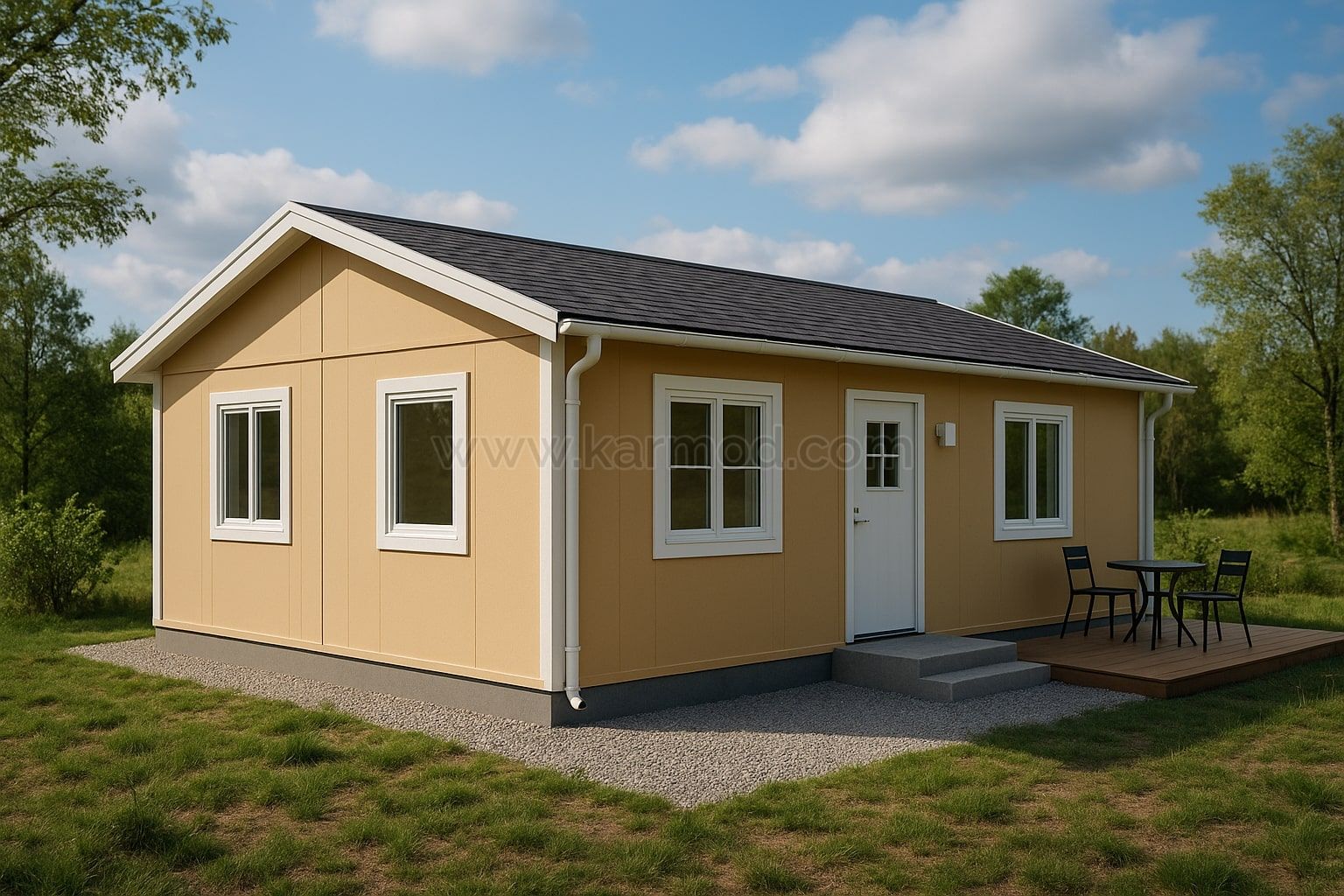
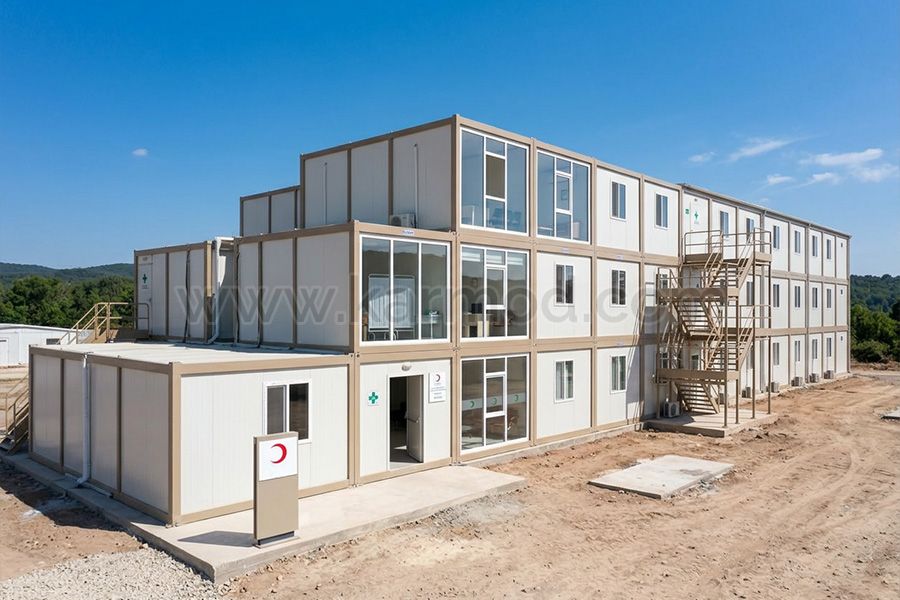
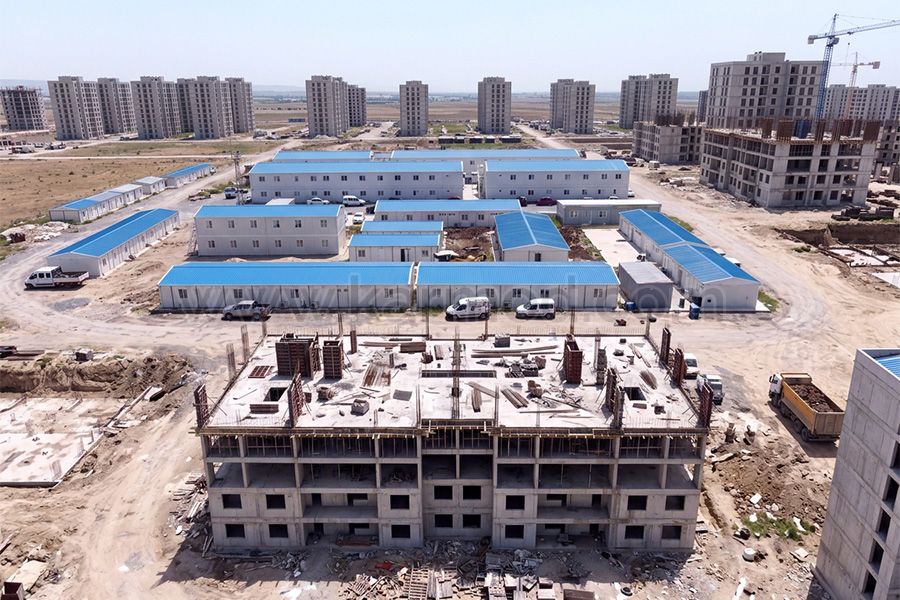
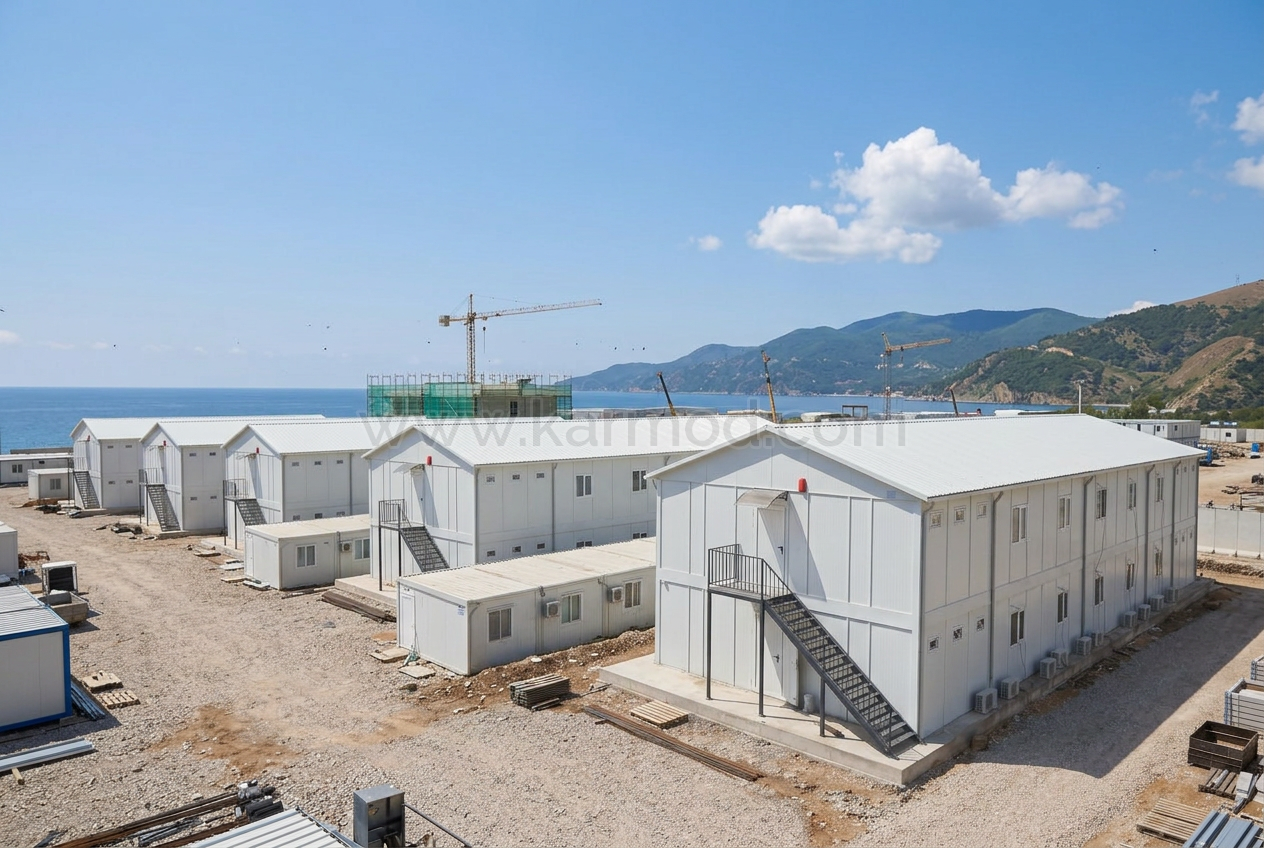
Prefabricated construction is a modern building method where components such as walls, floors, and roofs are manufactured in a controlled factory environment and then transported to the site for assembly. This approach reduces construction time, minimizes waste, and ensures consistent quality compared to traditional on-site building.
Prefab construction often lowers costs by reducing material waste, streamlining labor, and shortening project timelines. While upfront expenses may be similar to traditional methods, overall savings come from faster completion and reduced labor requirements. Long-term energy savings from sustainable designs can also lower operational costs.
Speed of Delivery: Buildings can be completed up to 50% faster.
Cost Efficiency: Bulk material purchasing and less labor time reduce expenses.
Quality Control: Factory production ensures consistency and minimizes defects.
Sustainability: Reduced waste and the use of eco-friendly materials minimize environmental impact.
Flexibility: Modular units can be relocated, expanded, or repurposed as needs change.
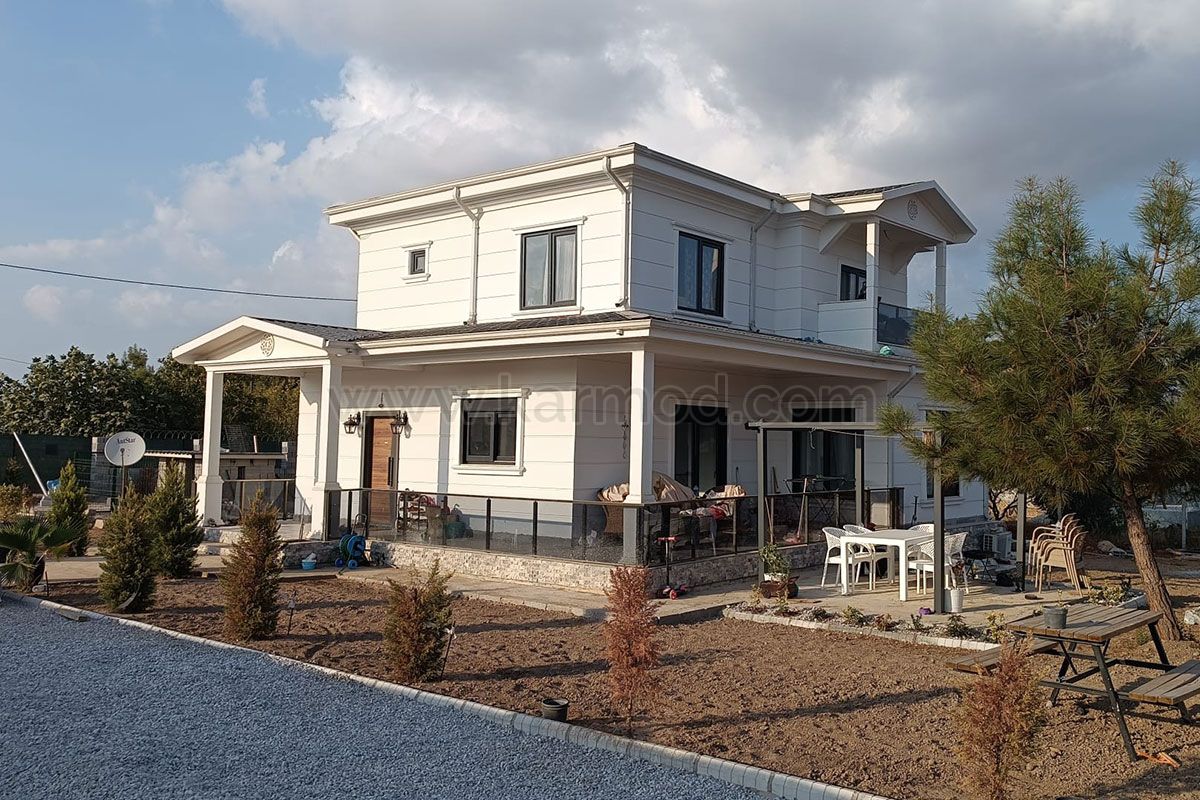
With proper maintenance, prefabricated homes and buildings can last 50+ years, often as long as traditional structures. The controlled construction environment minimizes errors, while modern materials provide durability against weather and wear.
Residential Homes: Single-family houses, duplexes, and apartments.
Modular Offices: Quick-to-install office spaces for businesses.
Healthcare Clinics: Prefab medical units and mobile clinics.
Educational Buildings: Classrooms, laboratories, and training centers.
Emergency Shelters: Temporary housing for disaster response.
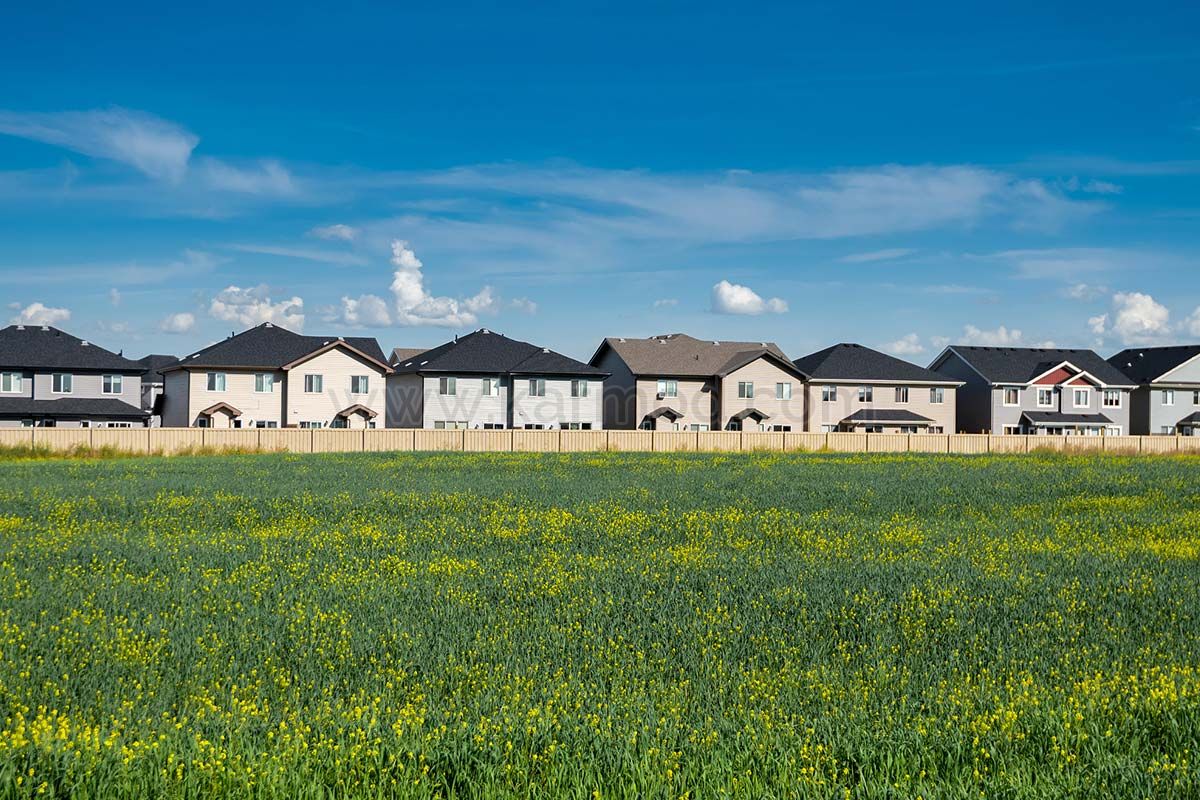
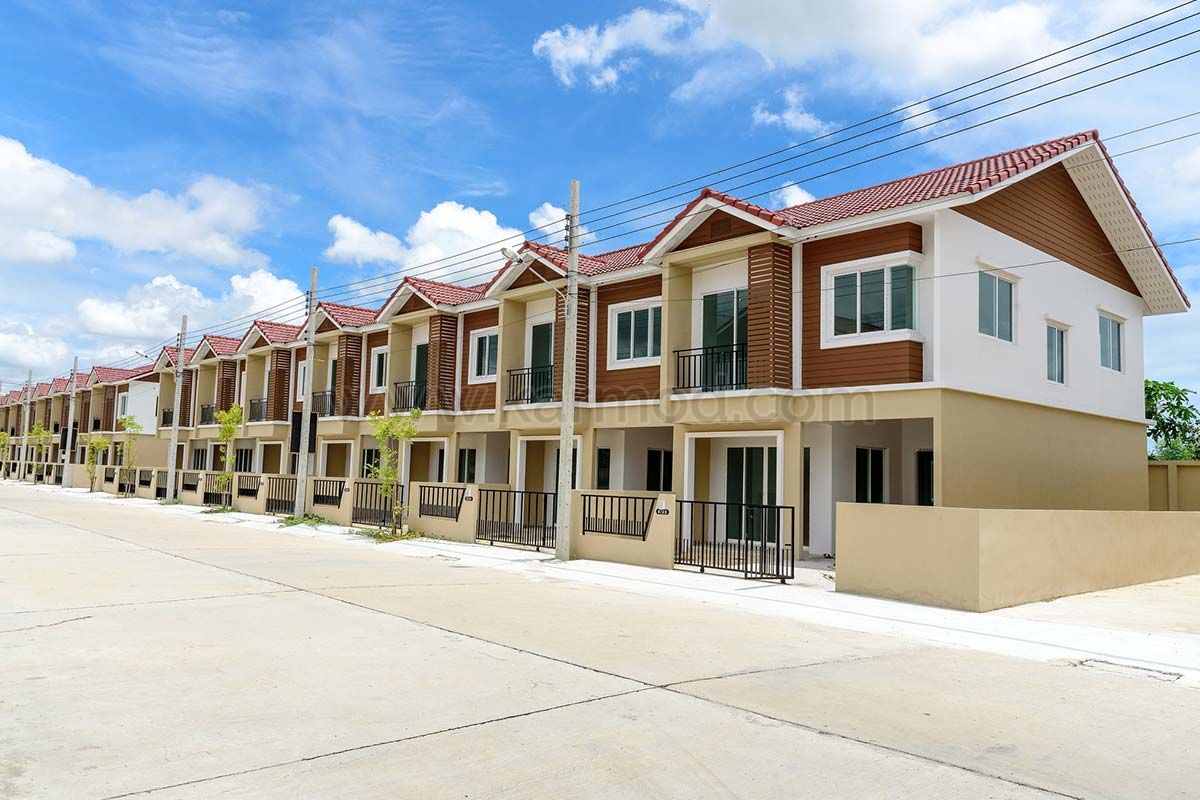
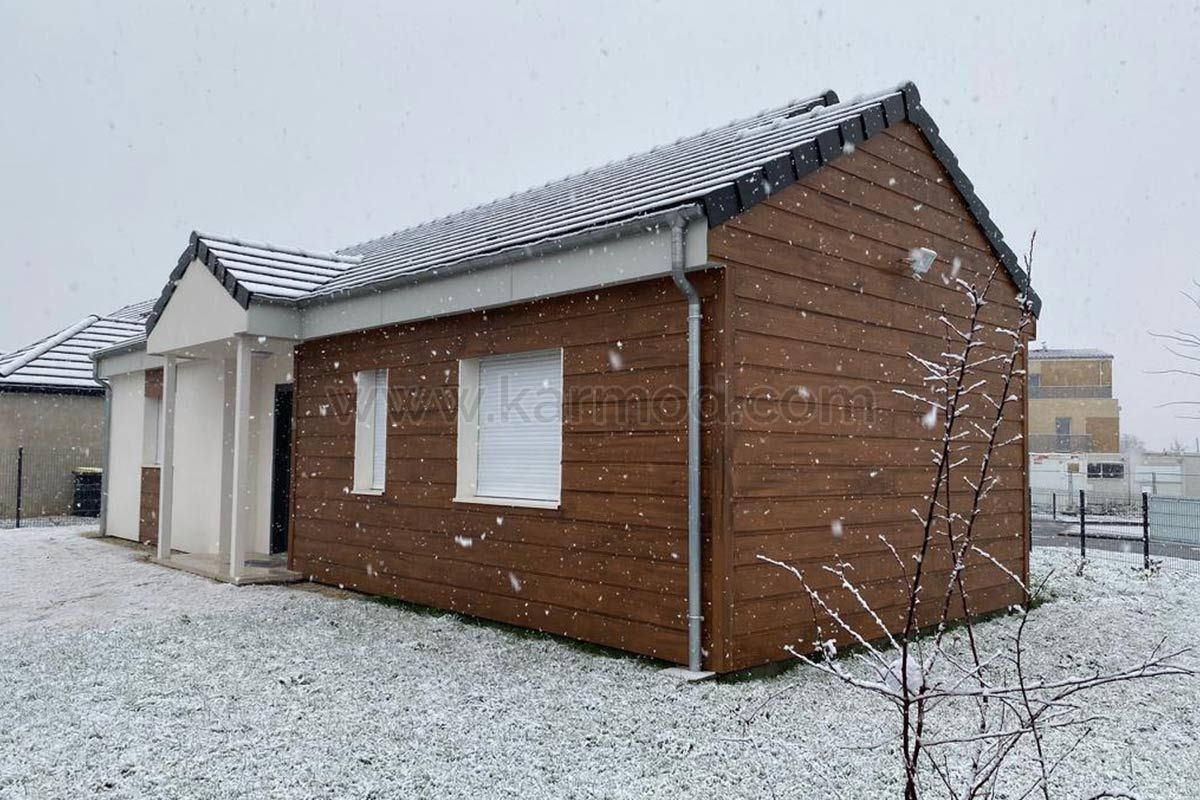
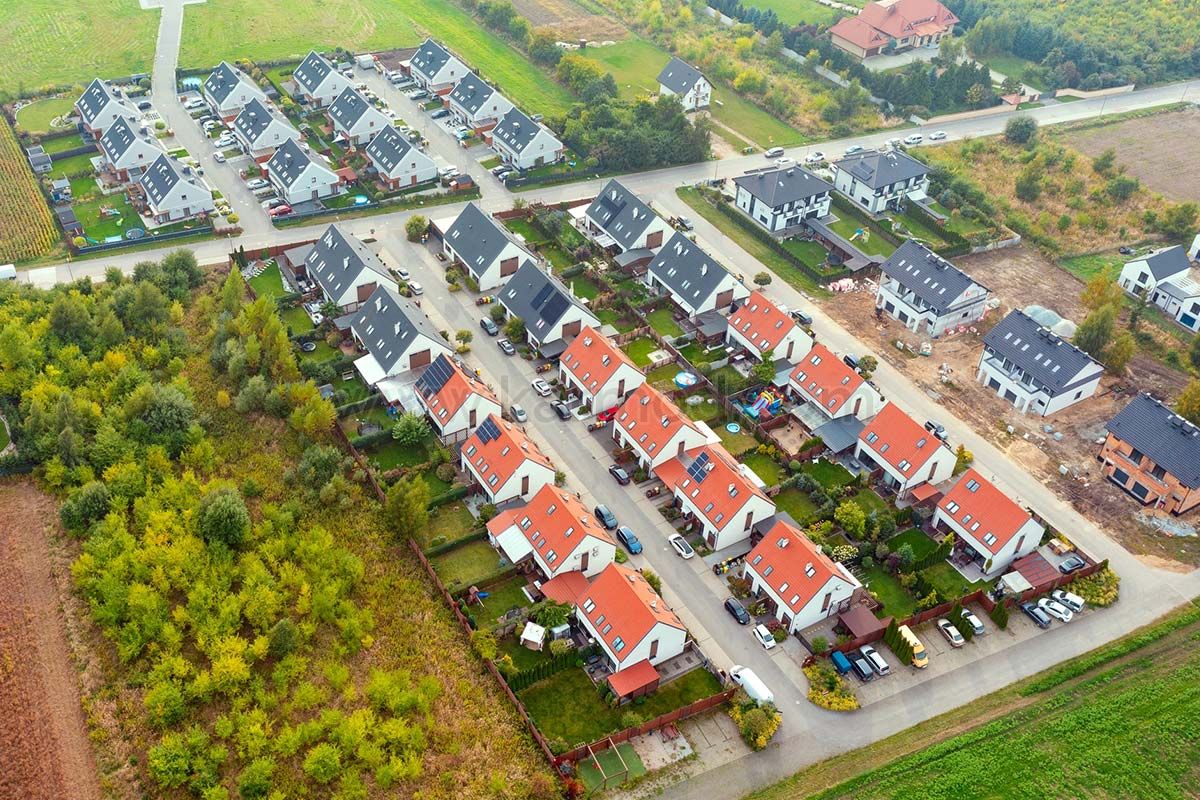
Many companies specialize in modular and prefab solutions globally. Some notable names include Modular Genius, Katerra (now part of Volumetric Building Companies), and CIMC Modular Building Systems. Regional firms across North America, Europe, and Asia also provide tailored prefab solutions for residential, commercial, and healthcare needs.
Common materials used in prefabricated construction include:
Steel: Provides structural strength and durability.
Concrete Panels: Used for floors and walls.
Engineered Wood: Lightweight and sustainable option.
Insulated Panels: Improve energy efficiency and indoor comfort.
Prefab buildings can reduce costs by 10–25% compared to traditional construction due to efficient use of materials, faster build times, and reduced labor expenses. However, actual costs vary by location, design complexity, and materials chosen.
Some of the leading prefab building manufacturers include:
Modular Genius (USA) – Specializes in modular healthcare and educational facilities.
Katerra / Volumetric Building Companies (USA) – Large-scale modular building solutions.
CIMC Modular Building Systems (China) – Global supplier of modular healthcare and residential units.
Algeco (Europe) – Provider of modular buildings across various sectors.
In order to serve you better, if you could kindly send an e-mail to info@karmod.com for questions and details about your theoretical and special architectural plans, projects, and product specifications, your request will be responded to as soon as possible.

From one end of the world to the other, we enable our customers to reach the ready-made construction sector produced with the new technology of the world. We guarantee reliability through technology and innovation, flexible commercial models and smart supply chain solutions that add value for you, following the project production network.
Discover
Karmod is one of the largest prefabricated construction companies in Turkey, with a production of 45,000 m2. produces high quality prefabs and prefab containers