EN
EN 


The modular construction industry has experienced rapid growth due to its efficiency, sustainability, and adaptability. Governments and private sectors are increasingly investing in modular projects for residential, commercial, and industrial purposes. The industry is valued in the billions globally, with projections showing significant expansion as demand for cost-effective housing and faster project delivery continues to rise.
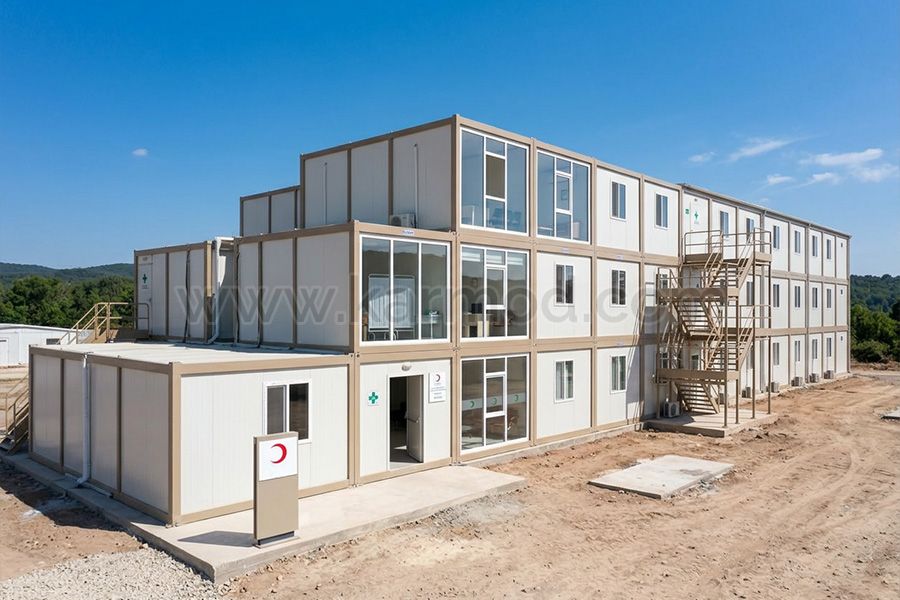
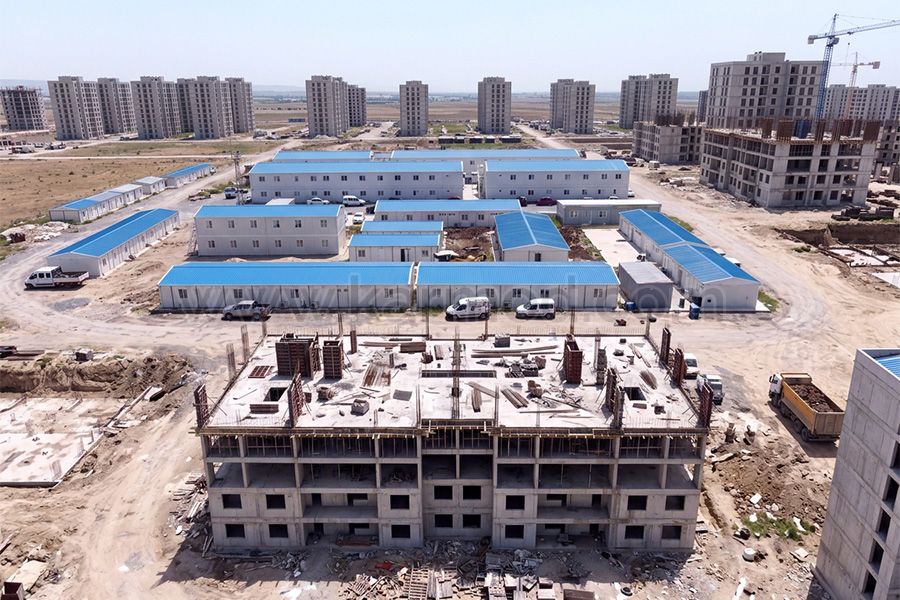
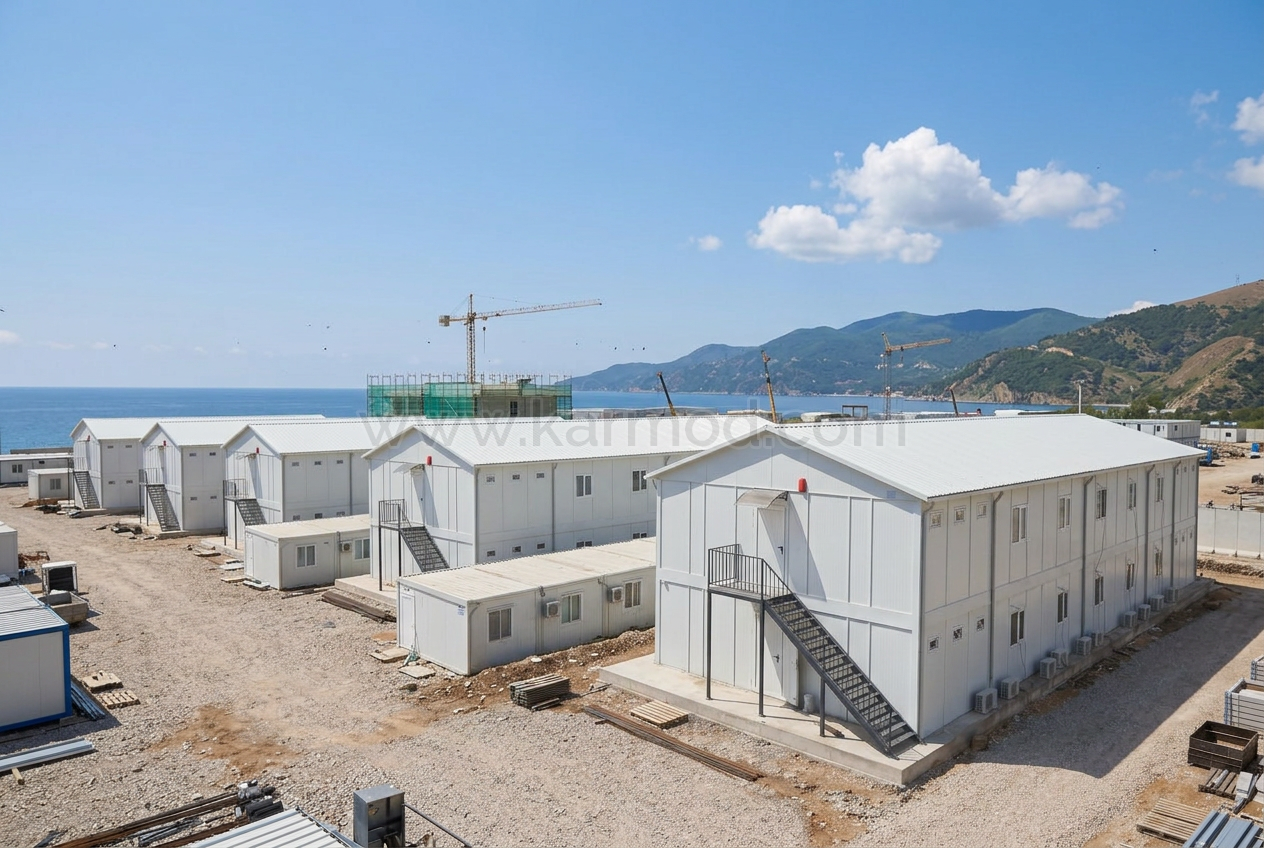
Modular construction companies specialize in designing, manufacturing, and assembling prefabricated building modules. Some focus on residential housing, while others cater to healthcare, education, or commercial markets. These companies often provide full-service solutions, including design consultation, production, transportation, and on-site installation, allowing clients to complete projects with fewer delays and lower costs.

While modular construction offers many benefits, it does come with challenges. Transporting large modules can be expensive and logistically complex, especially for remote or urban areas with limited access. Customization is sometimes limited compared to traditional construction methods. Additionally, some regions face regulatory or zoning restrictions, making it harder to implement modular projects at scale.


Modern modular buildings are designed to last as long as traditional structures—typically 30 to 60 years or more, depending on the materials and maintenance. With high-quality steel, concrete, or engineered timber, modular buildings can even outlast certain conventionally built projects. Regular upkeep, just as with any construction, plays a key role in extending their lifespan.
Different systems are used in modular construction, including volumetric modular systems, panelized systems, and hybrid approaches. Volumetric systems involve constructing complete 3D modules, while panelized systems focus on flat elements like walls and floors. Hybrid systems combine both methods, offering greater design flexibility and functionality.
The benefits of modular construction include faster project completion, reduced labor costs, and less material waste. Since modules are built in controlled factory settings, quality standards remain consistently high. Modular construction also offers flexibility, allowing for expansion or relocation of structures when needed. Sustainability is another major benefit, with less energy and water consumption during production.
Common materials used in modular construction include steel frames, concrete panels, engineered timber, and lightweight composites. Insulation materials and eco-friendly products are increasingly adopted to meet energy efficiency standards. The choice of material often depends on the building type, budget, and local climate requirements.
There are several types of modular construction, such as permanent modular buildings, relocatable modular units, and hybrid designs. Permanent modular construction is intended for long-term use, while relocatable modular units are ideal for temporary needs like disaster relief housing or portable classrooms. Hybrid designs blend traditional and modular elements to maximize both efficiency and customization.
Techniques in modular construction emphasize precision and speed. Advanced technologies such as Building Information Modeling (BIM), robotics, and automated manufacturing are widely used to optimize the production process. Modules are constructed with tight tolerances, transported, and then assembled on-site with minimal disruption. These techniques ensure faster timelines and higher quality than many traditional methods.
In order to serve you better, if you could kindly send an e-mail to info@karmod.com for questions and details about your theoretical and special architectural plans, projects, and product specifications, your request will be responded to as soon as possible.

From one end of the world to the other, we enable our customers to reach the ready-made construction sector produced with the new technology of the world. We guarantee reliability through technology and innovation, flexible commercial models and smart supply chain solutions that add value for you, following the project production network.
Discover
Karmod is one of the largest prefabricated construction companies in Turkey, with a production of 45,000 m2. produces high quality prefabs and prefab containers