EN
EN 


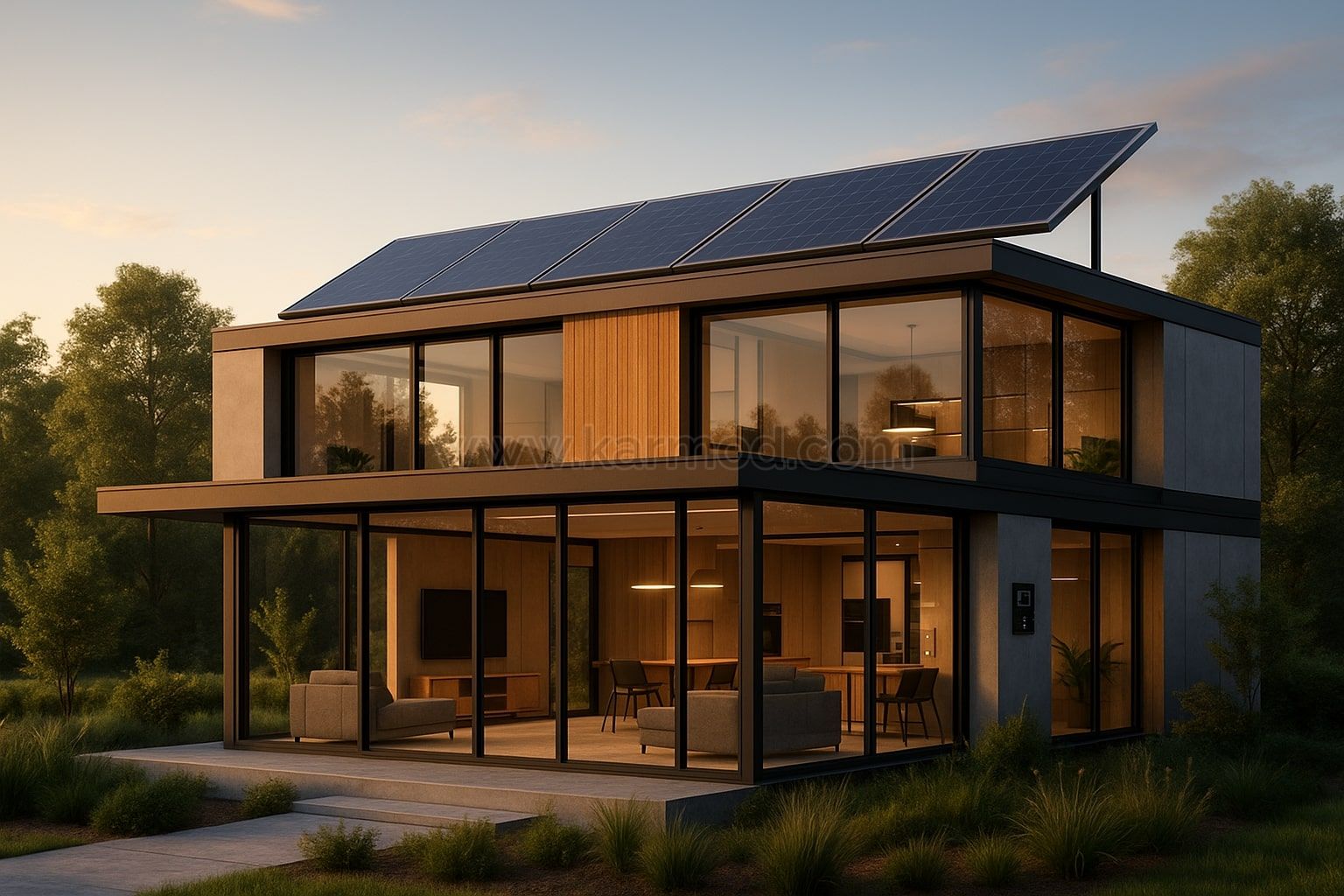
Construction innovation refers to the adoption of new technologies, methods, and processes that improve efficiency, safety, sustainability, and cost-effectiveness in the building industry. Some of the top trends include modular construction, 3D printing, building information modeling (BIM), green building materials, smart sensors, robotics, drones, augmented reality (AR), digital twins, renewable energy integration, and advanced project management platforms.
3D Printing of Buildings – Faster, cost-efficient housing and infrastructure.
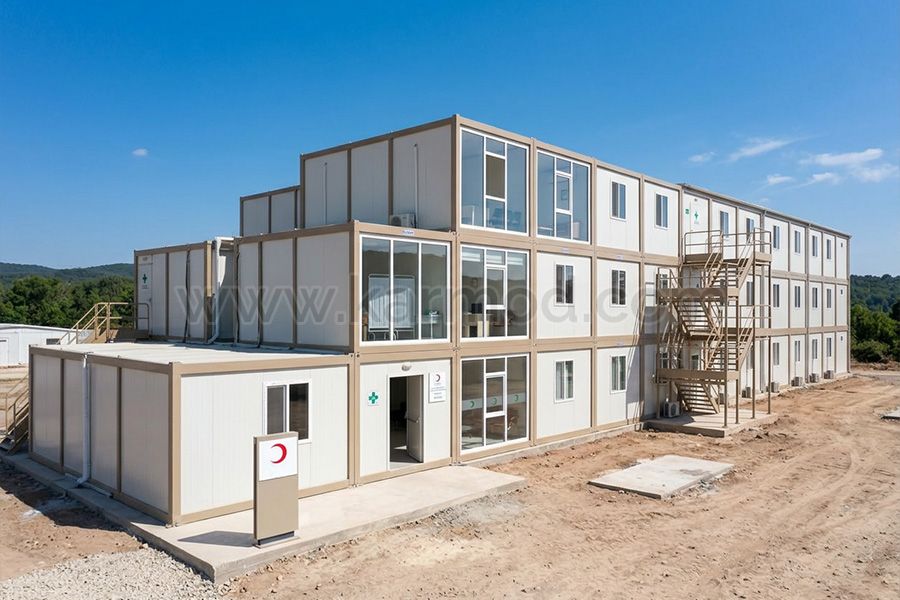
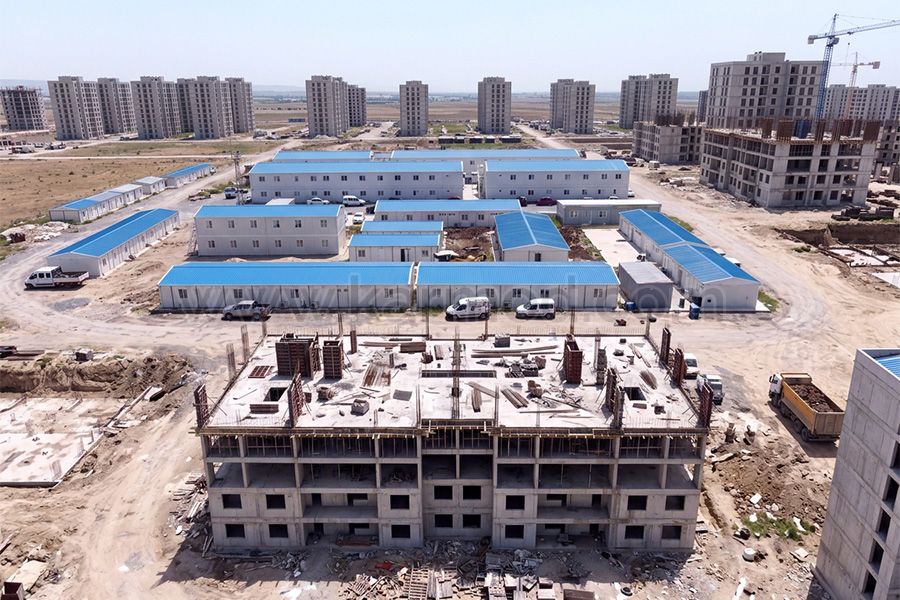
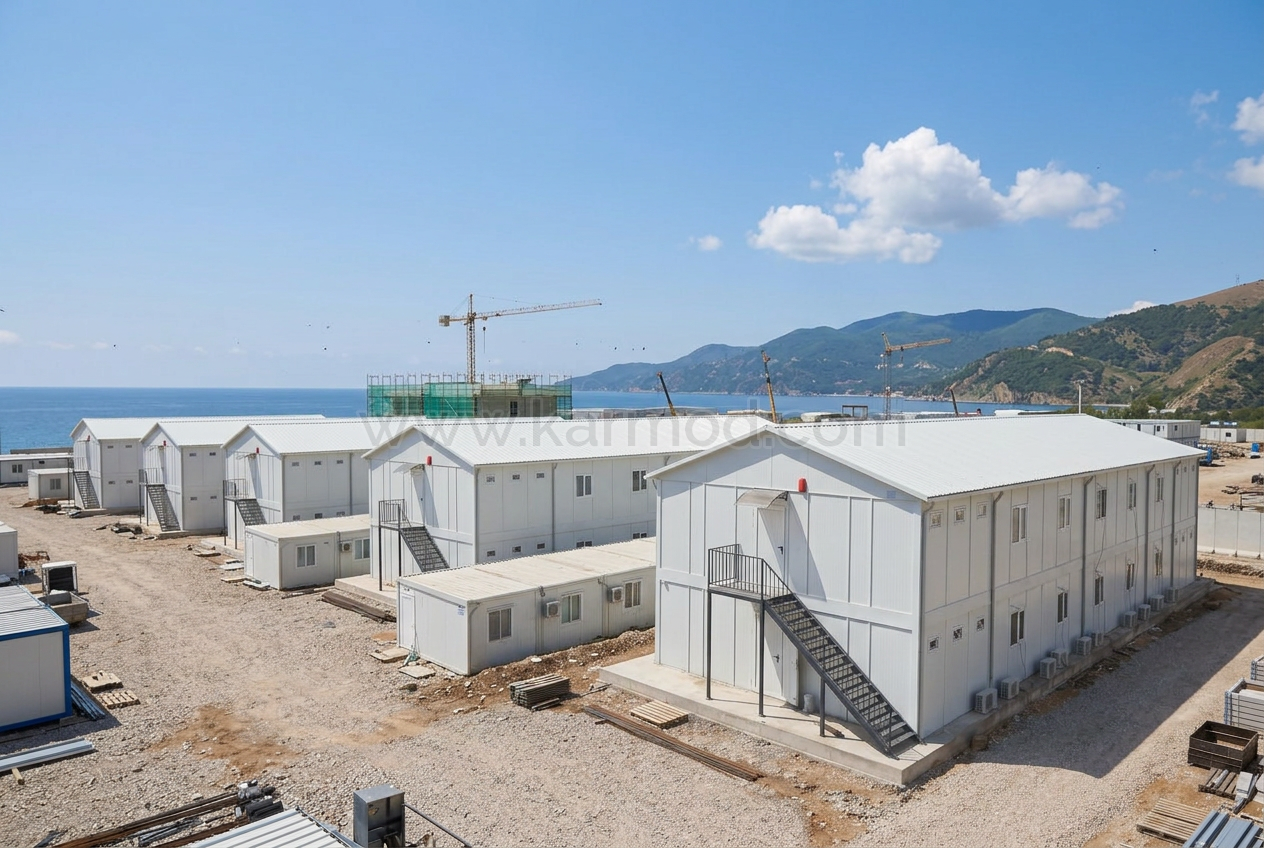
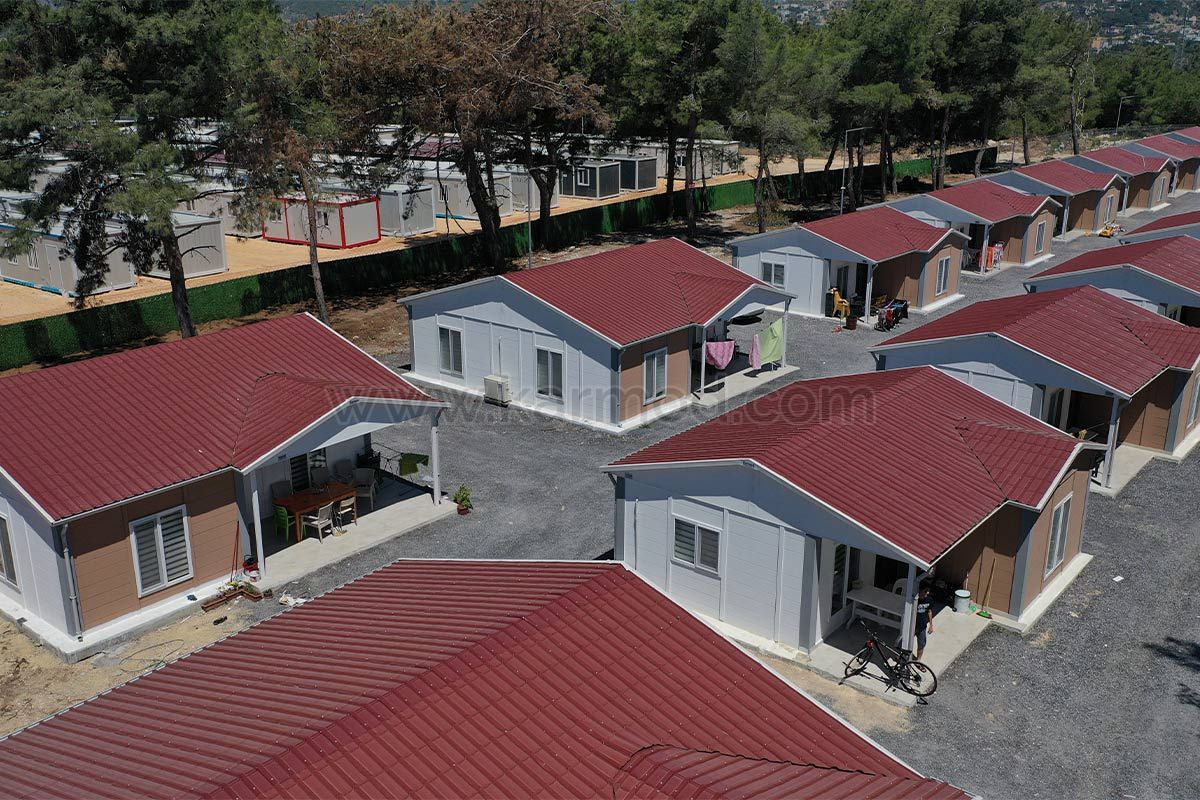
Modular and Prefabricated Construction – Reduced build time and waste.
Drones – Aerial mapping, surveying, and site monitoring.
Robotics & Automation – Robots for bricklaying, welding, and demolition.
Augmented & Virtual Reality – Real-time visualization for design and training.
AI & Machine Learning – Predictive analytics for cost and risk management.
Wearable Technology – Smart helmets and vests to improve worker safety.
Green Building Materials – Sustainable concrete, cross-laminated timber, and recycled composites.
Smart Buildings – IoT sensors for energy efficiency and maintenance.
Energy-Efficient Designs – Net-zero buildings and renewable energy integration.
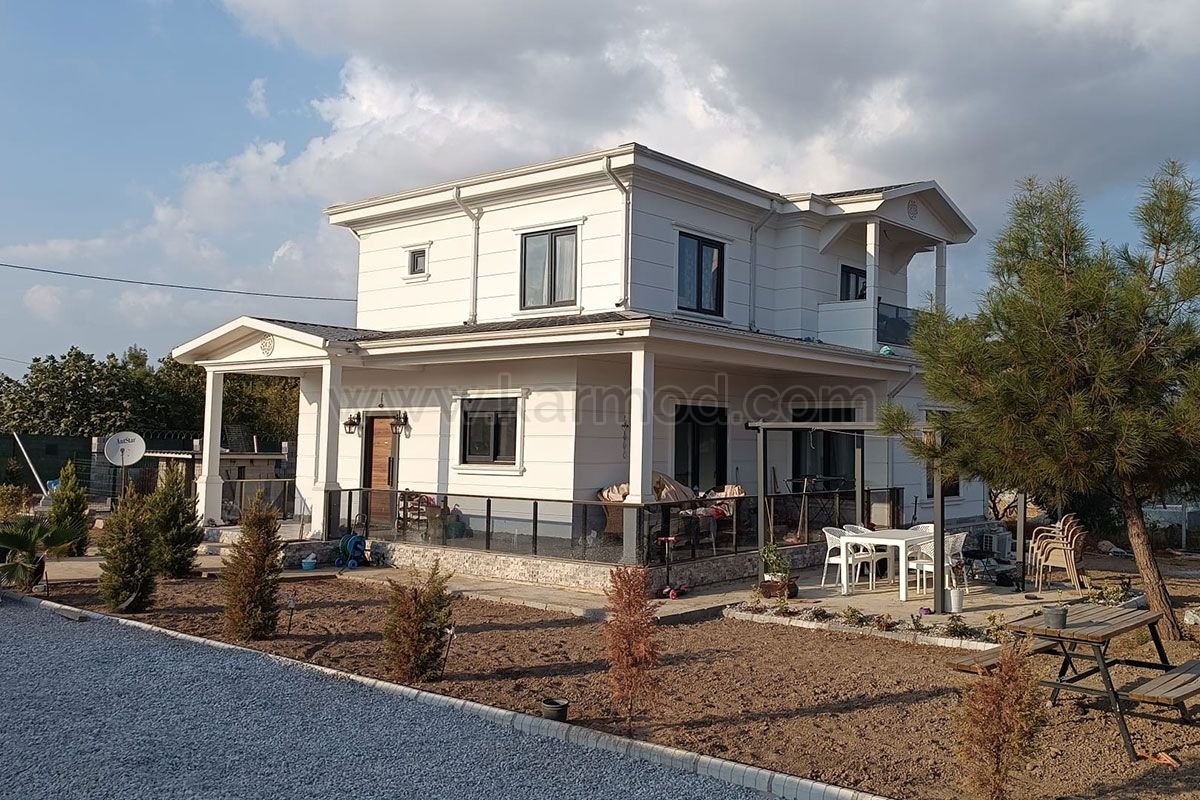
3D-Printed Homes – Affordable housing solutions in days.
Self-Healing Concrete – Materials that repair cracks automatically.
Drones in Site Surveying – Faster land mapping and progress monitoring.
Exoskeletons for Workers – Reducing fatigue and preventing injuries.
Green Roofs & Vertical Gardens – Sustainable solutions that improve air quality.
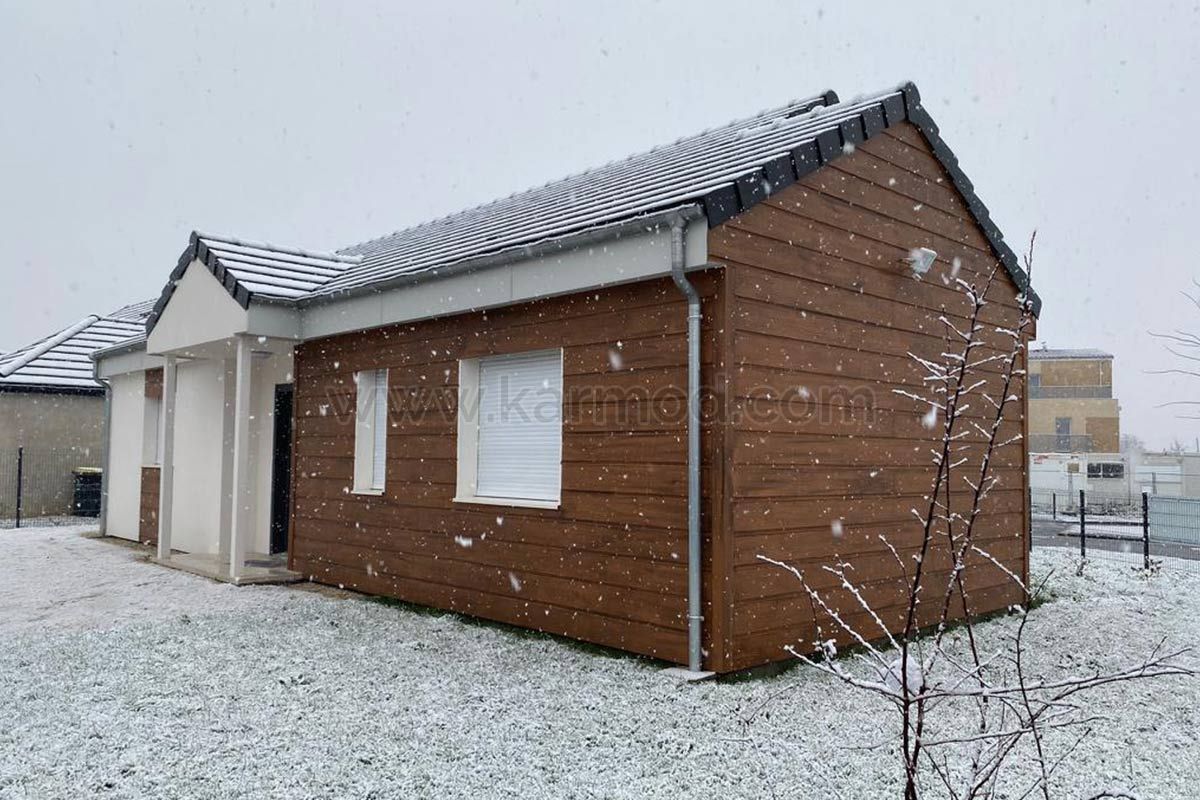

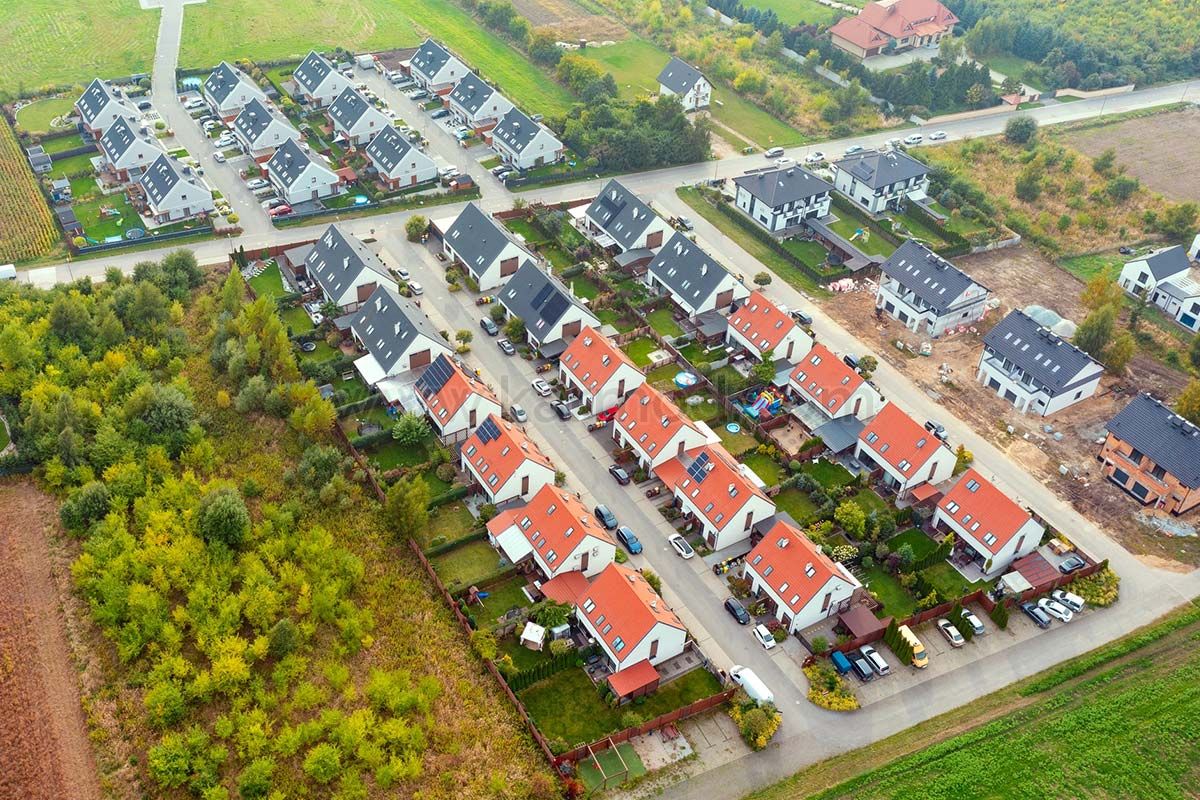

Building Information Modeling (BIM)
Robotics and automation
Artificial intelligence (AI) and machine learning
3D printing technology
Virtual Reality (VR) and Augmented Reality (AR)
Drones and aerial surveying
Smart sensors and IoT integration
Digital twin technology
Advanced construction software and cloud collaboration tools
Energy-efficient and eco-friendly construction materials
Future construction is expected to focus on greater sustainability, automation, and adaptability. We may see increased use of autonomous construction machinery, fully recyclable building materials, energy-positive buildings, and more advanced modular systems. Smart cities powered by AI and IoT will also drive demand for innovative construction methods, while robotics and 3D printing will likely revolutionize on-site building processes.
Sustainability is one of the most important aspects of construction innovation. Companies are developing low-carbon concrete, recycled steel, bamboo composites, and hempcrete to reduce environmental impact. Additionally, innovations in insulation, energy-efficient windows, and renewable energy systems such as solar panels and wind integration are making buildings more eco-friendly and cost-effective in the long run.
Innovation in construction extends beyond materials and technology—it also involves new processes and management practices. Lean construction, real-time project monitoring, and digital project management tools are transforming workflows. Improved collaboration between architects, engineers, and contractors enhances project outcomes, while data-driven decision-making reduces risks and ensures projects are delivered on time and within budget.
In order to serve you better, if you could kindly send an e-mail to info@karmod.com for questions and details about your theoretical and special architectural plans, projects, and product specifications, your request will be responded to as soon as possible.

From one end of the world to the other, we enable our customers to reach the ready-made construction sector produced with the new technology of the world. We guarantee reliability through technology and innovation, flexible commercial models and smart supply chain solutions that add value for you, following the project production network.
Discover
Karmod is one of the largest prefabricated construction companies in Turkey, with a production of 45,000 m2. produces high quality prefabs and prefab containers