EN
EN 


Cold-formed steel (CFS) framing is a modern building method that uses thin, lightweight sheets of galvanized steel shaped at room temperature into strong structural components. Unlike traditional hot-rolled steel, CFS allows for precision manufacturing, reduced waste, and faster installation. It is increasingly used in residential, commercial, and modular projects due to its durability and design flexibility.
In residential construction, cold-formed steel is commonly used to create wall panels, roof trusses, and floor joists. These prefabricated sections are easy to transport and assemble on-site, resulting in significant time savings. Home sections made from CFS are resistant to termites, mold, and warping, ensuring long-term structural integrity and low maintenance for homeowners.

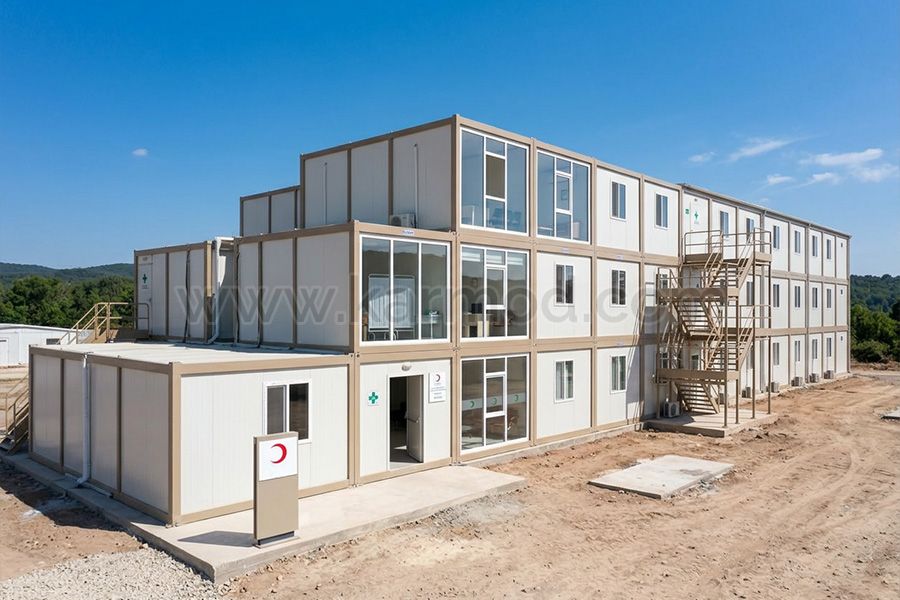
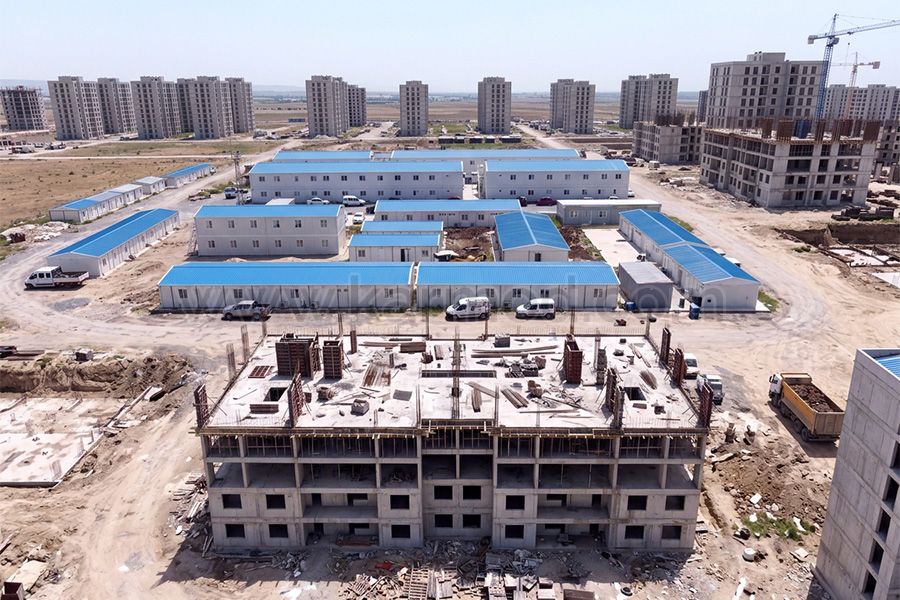
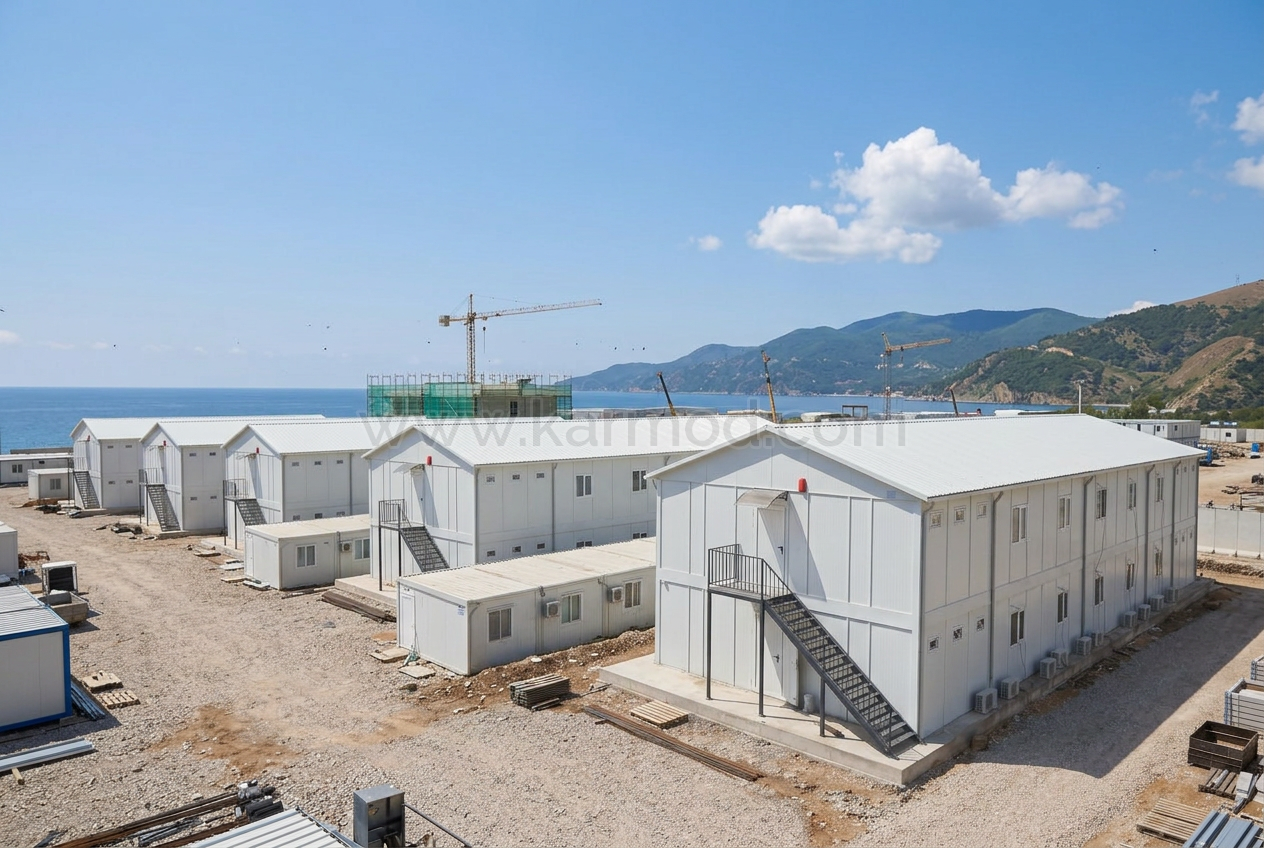
Cold-formed steel is especially valuable in social housing projects where cost efficiency, speed, and safety are priorities. Prefabricated CFS structures can be erected rapidly to meet urgent housing needs, such as post-disaster shelters or affordable housing developments. Its strength-to-weight ratio and resistance to natural disasters make it ideal for building safe, sustainable communities.


While both cold-formed steel and structural steel are widely used, they serve different purposes. Structural steel is hot-rolled, thicker, and used for large-scale, load-bearing applications like skyscrapers and bridges. Cold-formed steel, being thinner and lighter, is best suited for non-load-bearing walls, partitions, and smaller structures. Its lightweight properties reduce transportation costs and simplify construction compared to heavy structural steel.
The construction process with cold-formed steel frames involves manufacturing components in a factory-controlled environment and assembling them on-site. Each frame is cut, punched, and shaped with precision, ensuring consistency and minimizing material waste. This method allows for quick construction timelines and predictable project costs, making it highly efficient for both temporary and permanent structures.
When combined with modular construction techniques, cold-formed steel provides numerous benefits. These include improved structural strength, better resistance to fire and pests, and enhanced energy efficiency. The modular approach also allows for scalable solutions, enabling healthcare facilities, offices, and residential units to be delivered and installed rapidly in urban and remote locations.
Steel framing houses built with cold-formed steel offer durability, flexibility, and design versatility. They can be tailored to meet modern architectural requirements while providing exceptional safety against environmental hazards. Lightweight yet robust, these homes are sustainable and energy-efficient, making them an attractive option for developers and homeowners seeking long-lasting, eco-friendly housing solutions.
In order to serve you better, if you could kindly send an e-mail to info@karmod.com for questions and details about your theoretical and special architectural plans, projects, and product specifications, your request will be responded to as soon as possible.

From one end of the world to the other, we enable our customers to reach the ready-made construction sector produced with the new technology of the world. We guarantee reliability through technology and innovation, flexible commercial models and smart supply chain solutions that add value for you, following the project production network.
Discover
Karmod is one of the largest prefabricated construction companies in Turkey, with a production of 45,000 m2. produces high quality prefabs and prefab containers