EN
EN 


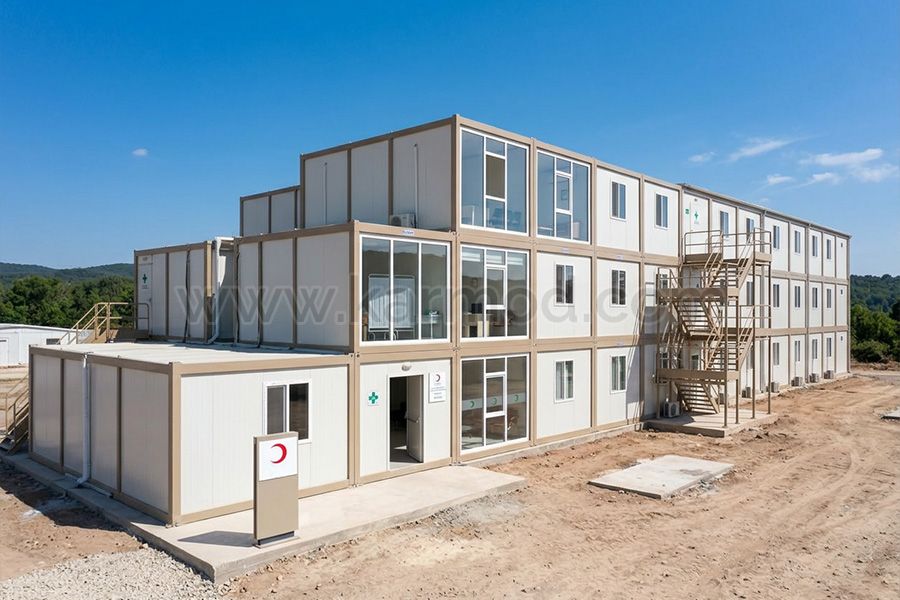
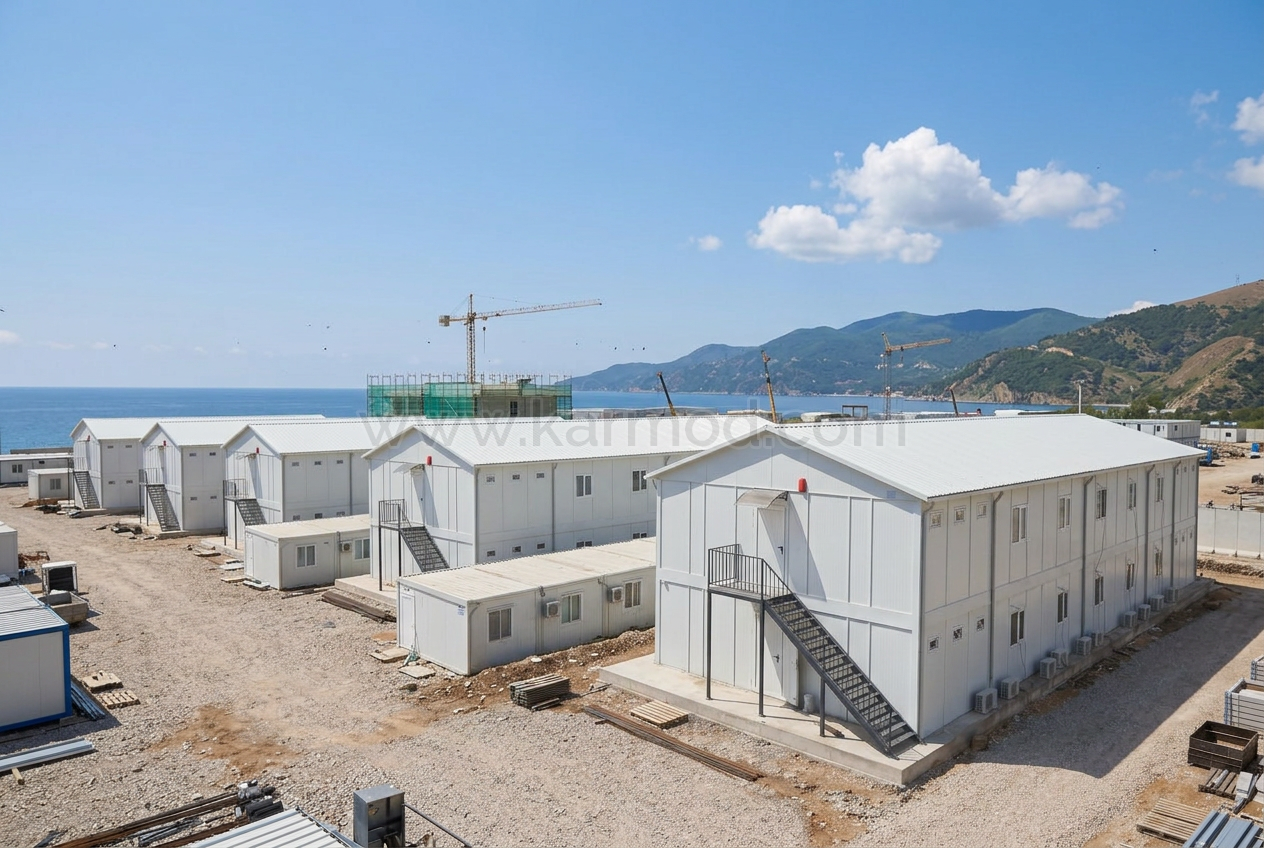
A flat-pack home is a type of prefabricated housing that is manufactured in panels or kits, transported flat-packed, and assembled on-site. Much like flat-pack furniture, these homes arrive in pieces with instructions for assembly, making them faster and more cost-effective than traditional housing.
Flat-pack homes have become increasingly popular for their affordability, eco-friendliness, and quick installation. They are especially appealing in areas with housing shortages, as they can be produced and set up much faster than conventional construction.
One of the most attractive features of flat-pack housing is the rise of tiny homes that can be built almost instantly. These compact living spaces are ideal for single residents, young couples, or as secondary units in a backyard.
Flat-pack tiny homes are designed with efficiency in mind—smart layouts, multipurpose furniture, and energy-saving systems maximize space while keeping costs low. Many can be assembled in just a few days with minimal tools.
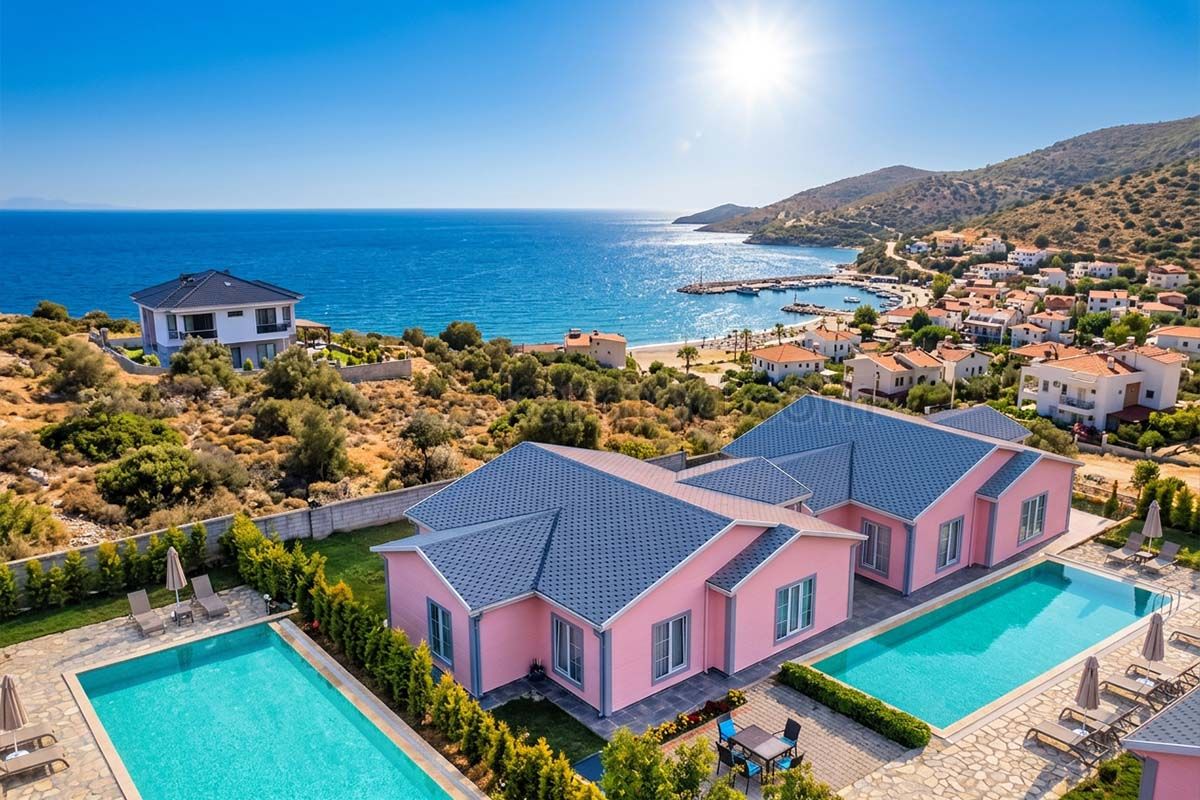
The market now offers a wide range of modern flat-pack homes for sale, combining stylish architecture with affordability. Buyers can choose from sleek minimalist designs, Scandinavian-inspired cottages, or eco-friendly homes with solar power and sustainable materials.
These homes often rival traditional houses in comfort and durability while remaining faster to build and easier to customize. For homeowners, this means more options at a fraction of the construction time.
Prefab house kits are one of the most cost-effective ways to own a home. Flat-pack kits are shipped with pre-cut components, instructions, and sometimes even pre-installed wiring or plumbing systems.
While actual prices vary depending on size and location, these kits are widely recognized as budget-friendly alternatives to traditional home construction. They are especially popular with DIY enthusiasts and people looking for quick housing solutions.


Like any construction method, flat-pack homes come with advantages and disadvantages:
Pros:
Quick and easy to assemble
Affordable compared to traditional homes
Eco-friendly with less construction waste
Flexible design and customization options
Cons:
May require professional assembly for larger models
Limited size compared to traditional homes
Transportation costs can add up in remote areas
Financing may be more difficult with some lenders
For many, the pros outweigh the cons, especially in markets where affordability and speed are top priorities.


DIY flat-pack kits are designed for homeowners who want to build their own home with minimal professional help. These kits include all the essential parts—walls, floors, roof panels—and often come with step-by-step guides.
They appeal to people seeking independence and cost savings, as well as those who enjoy the challenge of hands-on construction. Some DIY kits even allow for modular expansion, so homeowners can start small and add more rooms later.
In most cases, flat-pack homes are cheaper to build than traditional houses. The controlled factory production reduces labor costs and material waste, while on-site assembly requires less time and fewer resources.
That said, final costs depend on factors such as land purchase, delivery fees, and customization. Overall, flat-pack construction provides a faster and more budget-friendly pathway to homeownership.
In order to serve you better, if you could kindly send an e-mail to info@karmod.com for questions and details about your theoretical and special architectural plans, projects, and product specifications, your request will be responded to as soon as possible.

From one end of the world to the other, we enable our customers to reach the ready-made construction sector produced with the new technology of the world. We guarantee reliability through technology and innovation, flexible commercial models and smart supply chain solutions that add value for you, following the project production network.
Discover
Karmod is one of the largest prefabricated construction companies in Turkey, with a production of 45,000 m2. produces high quality prefabs and prefab containers