EN
EN 


CFS stands for Cold-Formed Steel. It refers to lightweight steel members that are manufactured by bending thin steel sheets into specific shapes at room temperature. These components are commonly used in modern construction for framing walls, floors, and roofs. A CFS building is one where the structural framework relies primarily on cold-formed steel sections instead of traditional timber or hot-rolled steel.
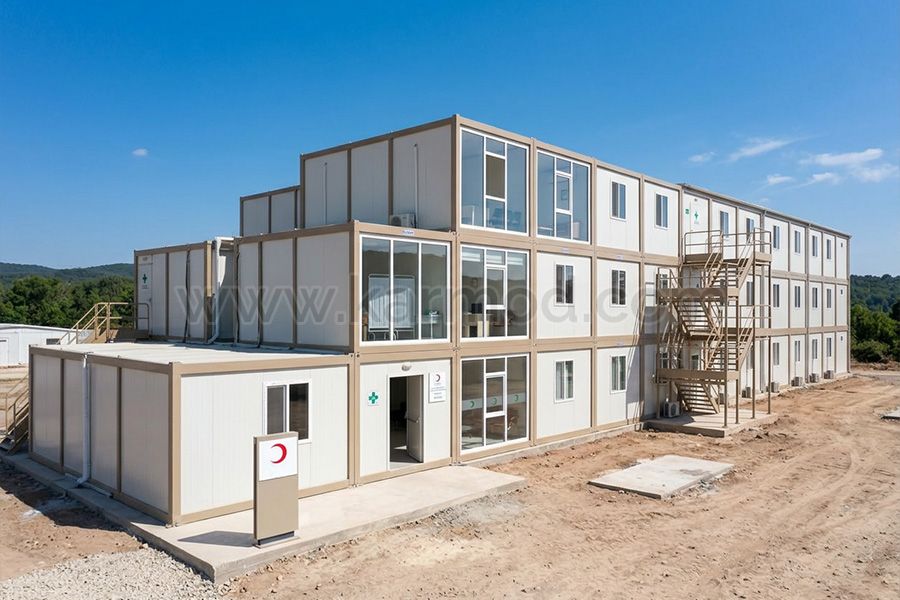
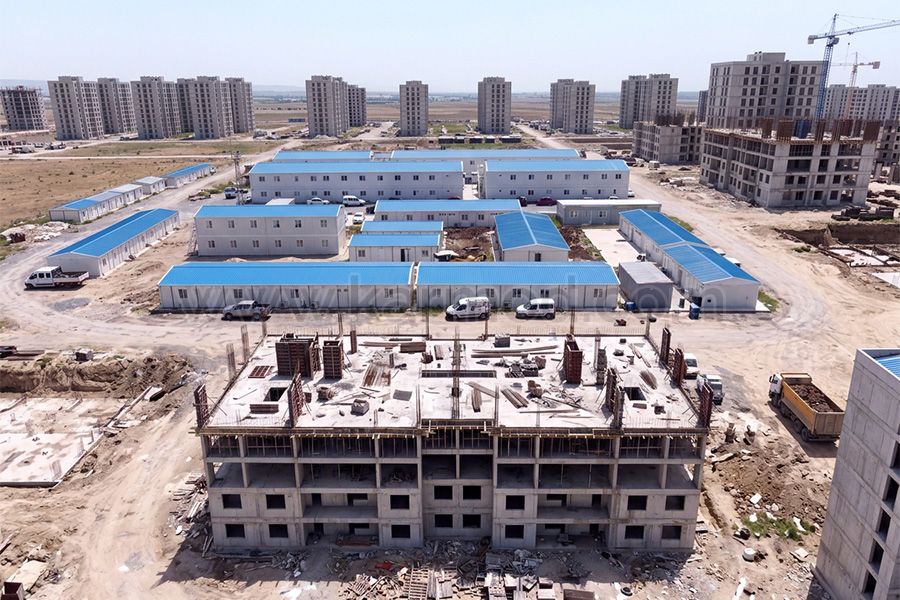
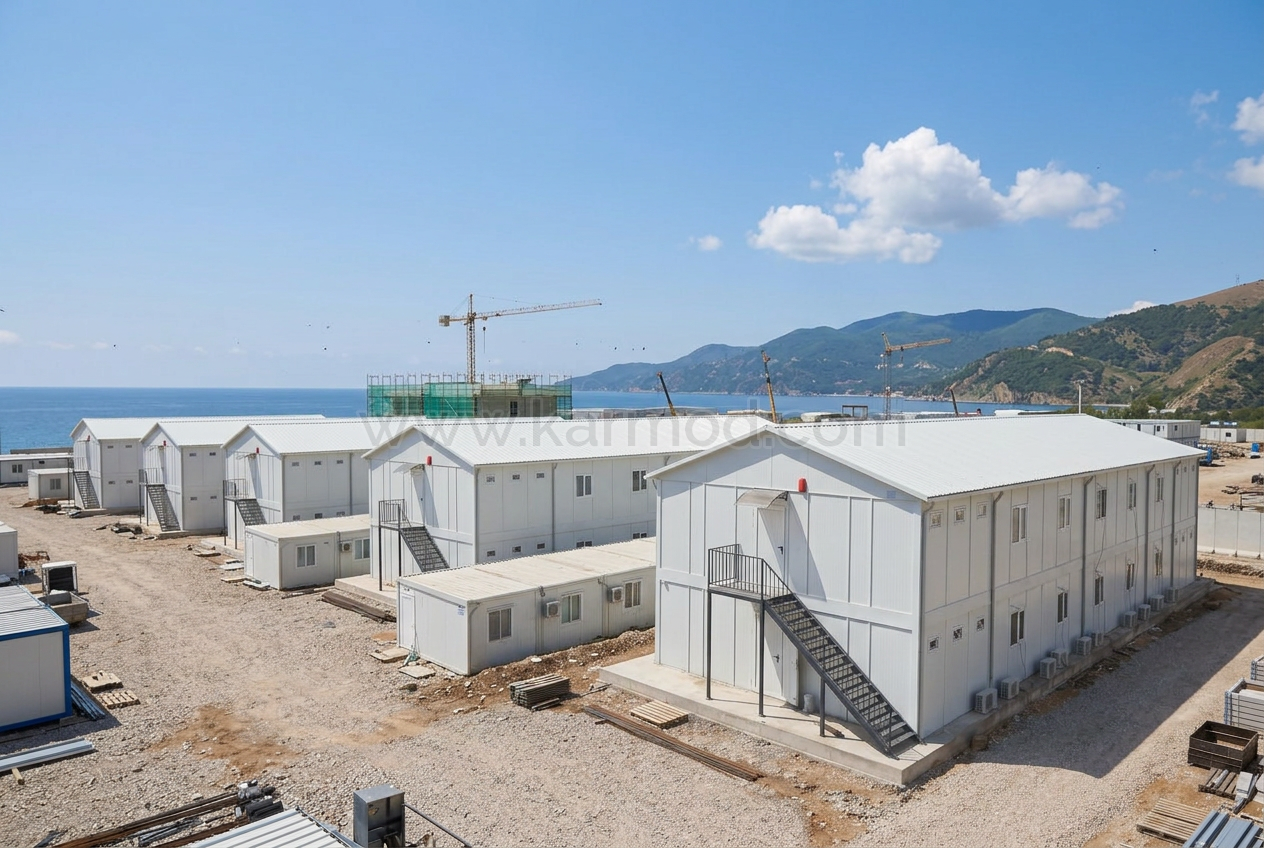
The Light Gauge Steel (LGS) or Cold-Formed Steel (CFS) framing system is widely applied in modular building. Prefabricated frames are produced in factories with high precision and then transported to construction sites for quick assembly. This method enables faster project completion, reduces waste, and ensures a consistent level of quality.

When comparing wood to CFS, cost differences often depend on location and project scale. Wood is generally cheaper upfront, but it is susceptible to termites, warping, and fire damage. Cold-formed steel may have a slightly higher initial cost but offers long-term savings due to its durability, reduced maintenance needs, and better resistance to natural disasters. In large-scale projects, CFS can prove more cost-effective over time.


Cold-formed steel building materials are available in the form of wall studs, joists, floor panels, trusses, and modular kits. Many suppliers offer customized solutions to match specific project requirements. These materials are often shipped flat-packed, making them easier and more cost-effective to transport before assembly.
CFS is considered a superior structural material for modern construction because it combines strength, lightness, and resilience. It withstands extreme weather, resists pests and fire, and maintains dimensional stability over decades. Its recyclability also makes it an environmentally friendly choice compared to traditional materials.
Durability: Resistant to corrosion, pests, and rot.
Speed: Prefabricated components reduce construction timelines.
Precision: Manufactured with tight tolerances for accuracy.
Sustainability: Recyclable and less wasteful than conventional methods.
Safety: Fire-resistant and resilient against seismic and wind loads.
Long Lifespan – Buildings can last 50+ years with minimal maintenance.
Cost Savings Over Time – Lower repair and energy costs compared to wood.
Design Flexibility – Easily customizable for residential, commercial, or modular applications.
Eco-Friendly Choice – Made from recyclable materials with a smaller carbon footprint.
Faster Construction – Prefabricated components speed up project delivery.
In order to serve you better, if you could kindly send an e-mail to info@karmod.com for questions and details about your theoretical and special architectural plans, projects, and product specifications, your request will be responded to as soon as possible.

From one end of the world to the other, we enable our customers to reach the ready-made construction sector produced with the new technology of the world. We guarantee reliability through technology and innovation, flexible commercial models and smart supply chain solutions that add value for you, following the project production network.
Discover
Karmod is one of the largest prefabricated construction companies in Turkey, with a production of 45,000 m2. produces high quality prefabs and prefab containers