EN
EN 


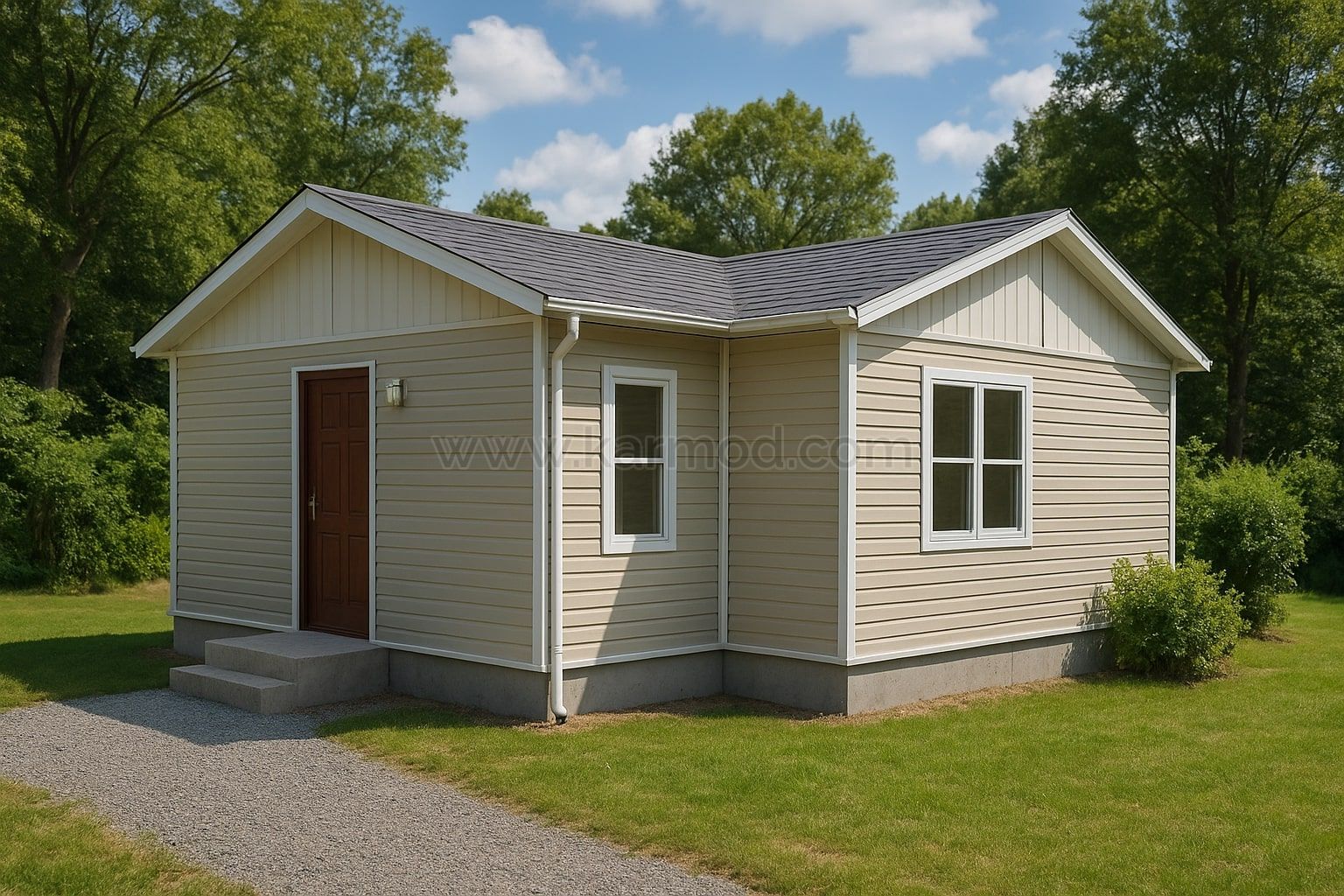
Sustainable building, also known as green building, is the practice of designing, constructing, and operating structures in an environmentally responsible and resource-efficient way. It focuses on reducing negative impacts on the environment while creating healthy, durable, and cost-effective spaces for people to live and work. This approach considers the entire life cycle of a building, from material selection and construction to energy use, maintenance, and eventual deconstruction.
Modern sustainable buildings integrate innovative design solutions to reduce energy consumption and environmental impact. Examples include:
Green roofs and living walls that improve insulation and air quality.
Passive solar design using natural light and heat to minimize energy demand.
Net-zero energy homes that generate as much energy as they consume.
Rainwater harvesting systems for water conservation.
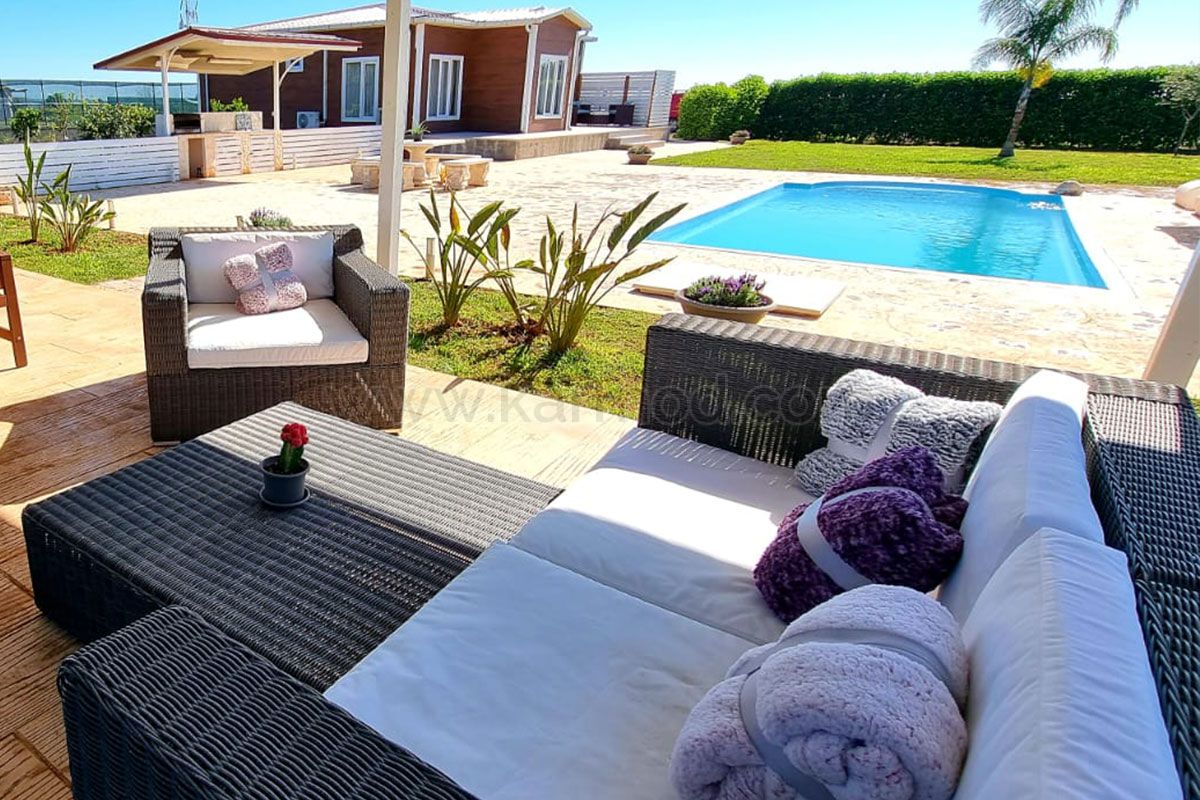
One notable example is the Bullitt Center in Seattle, USA, often referred to as the “greenest commercial building in the world.” It operates on net-zero energy, collects and treats rainwater, and uses composting toilets. The building demonstrates how sustainable design can combine functionality with environmental responsibility while reducing long-term operational costs.
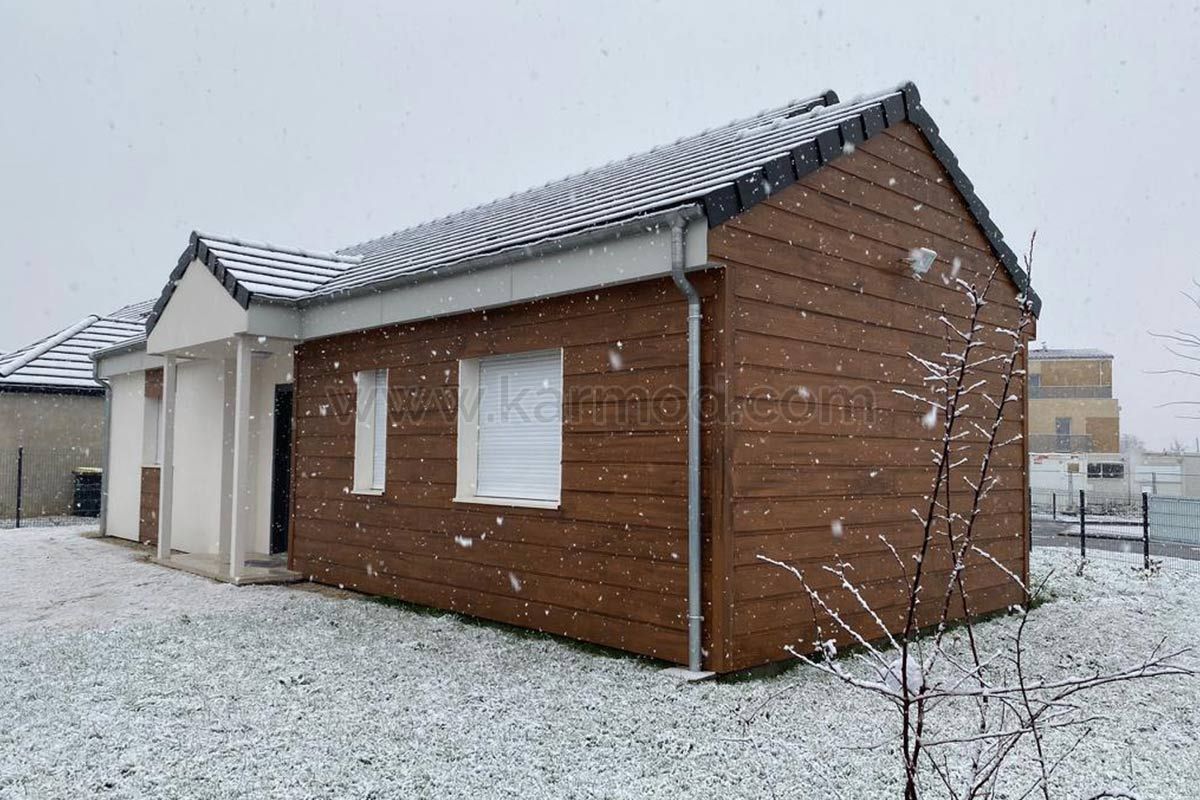
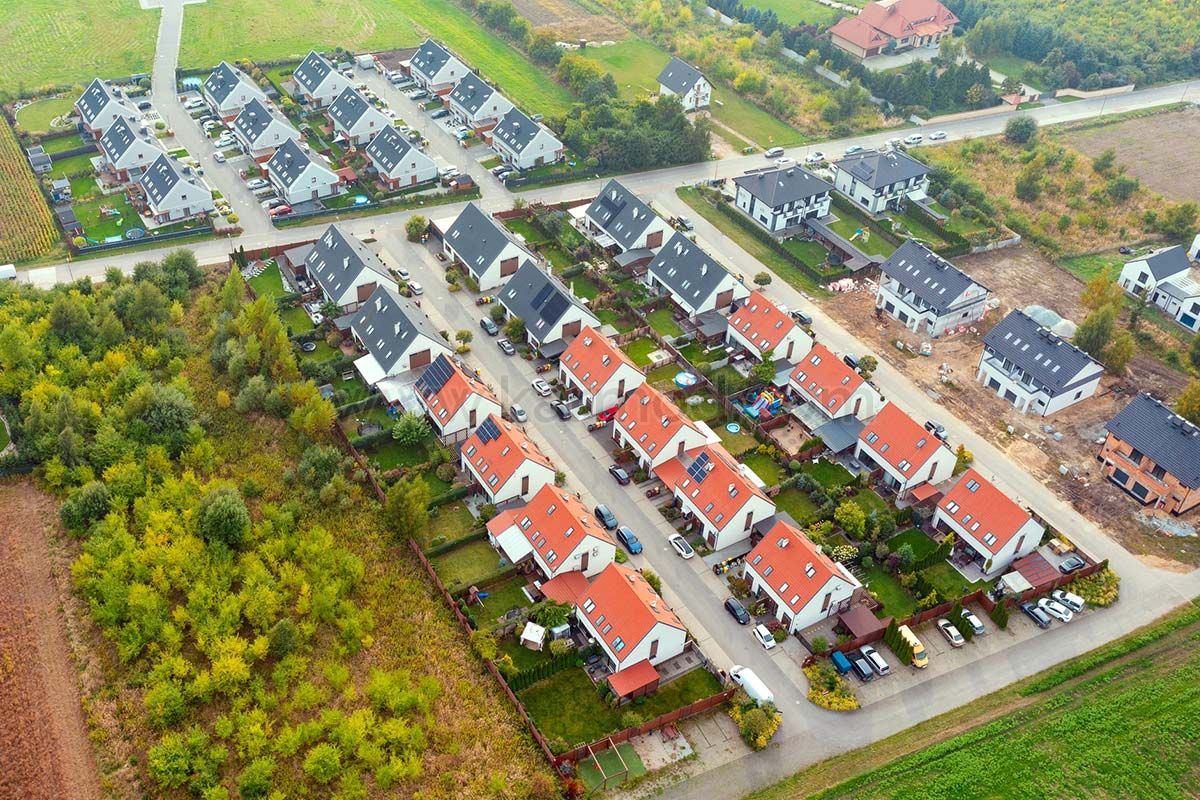
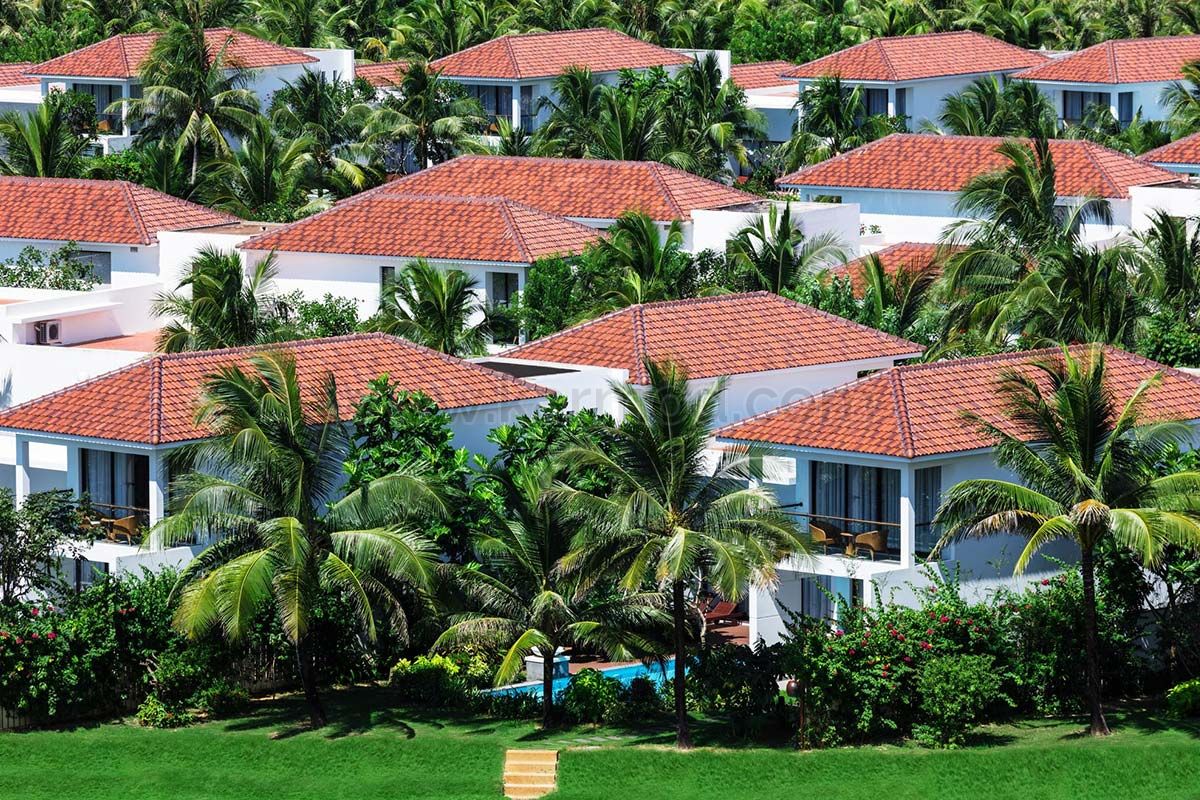
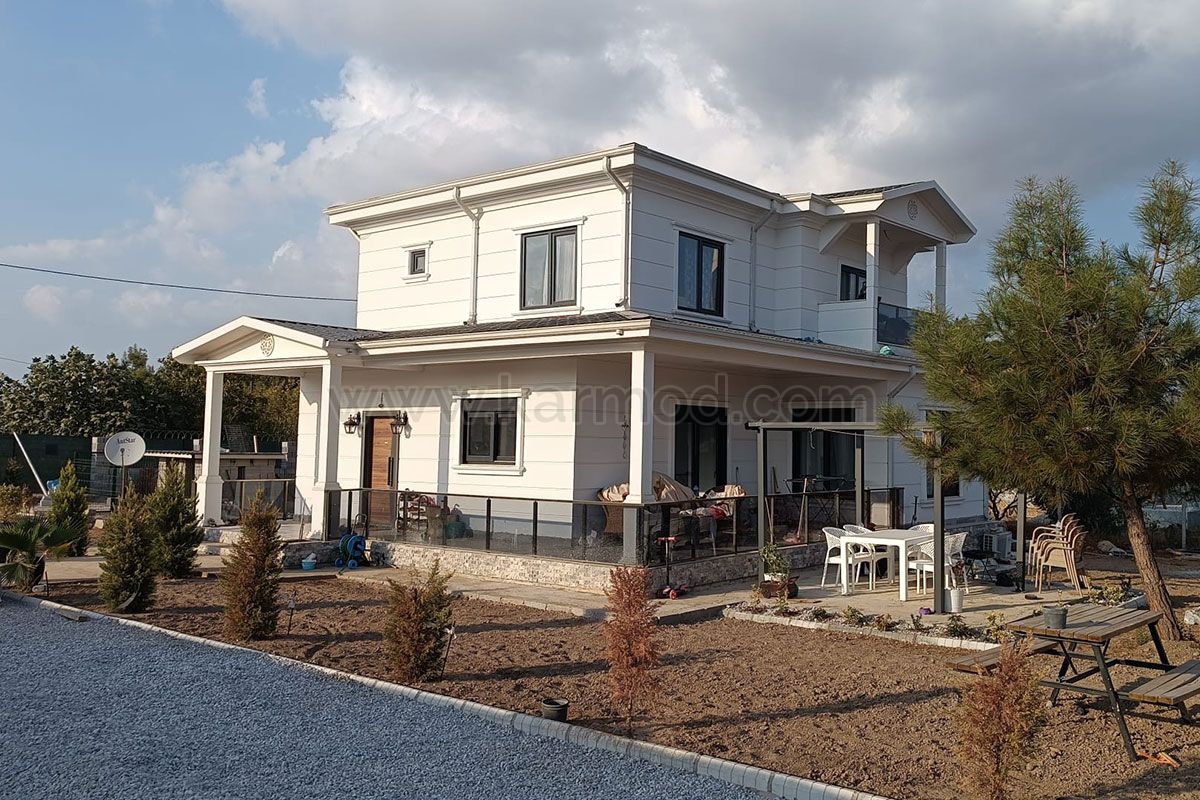
Sustainable building materials are selected for their low environmental impact, durability, and efficiency. Popular options include:
Cross-Laminated Timber (CLT): Renewable, strong, and with a low carbon footprint.
Recycled Steel: Durable, reusable, and energy-efficient.
Rammed Earth & Bamboo: Natural, renewable, and cost-effective options.
Low-VOC Paints & Finishes: Improve indoor air quality and reduce harmful emissions.
One of the best examples is The Edge in Amsterdam, which is widely considered one of the most sustainable office buildings in the world. Built with advanced steel structures and smart technologies, it uses renewable energy, rainwater collection, and intelligent lighting systems to minimize energy use while maximizing comfort and productivity.
Sustainable construction is essential in addressing climate change, reducing greenhouse gas emissions, and preserving natural resources. Green buildings also improve human health by providing cleaner air, natural light, and energy-efficient spaces. On a broader scale, they support sustainable urban development and help cities meet environmental targets.
Lower energy and water bills
Improved air quality and occupant health
Reduced carbon footprint
Faster construction with modular or prefab techniques
Long-term durability and reduced maintenance costs
Positive community and environmental impact
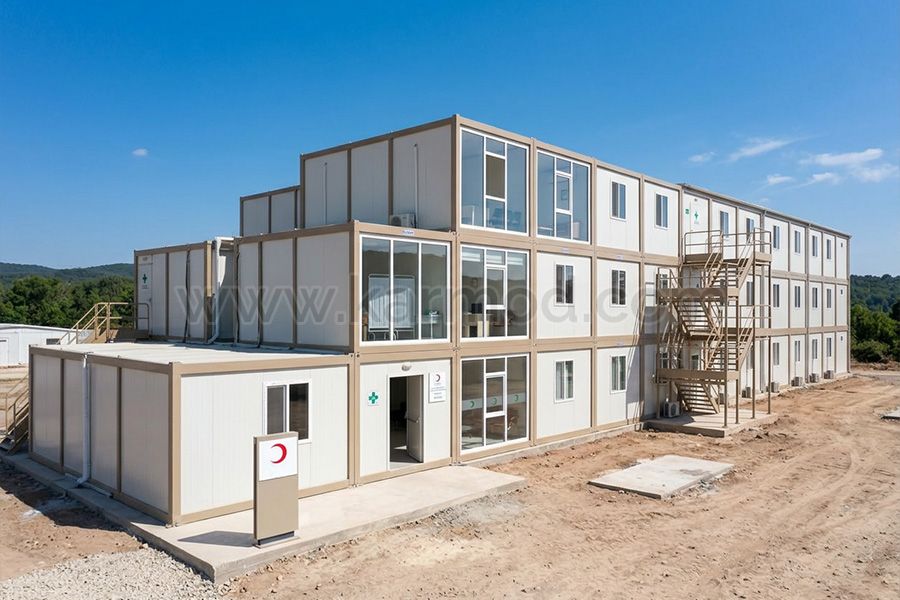
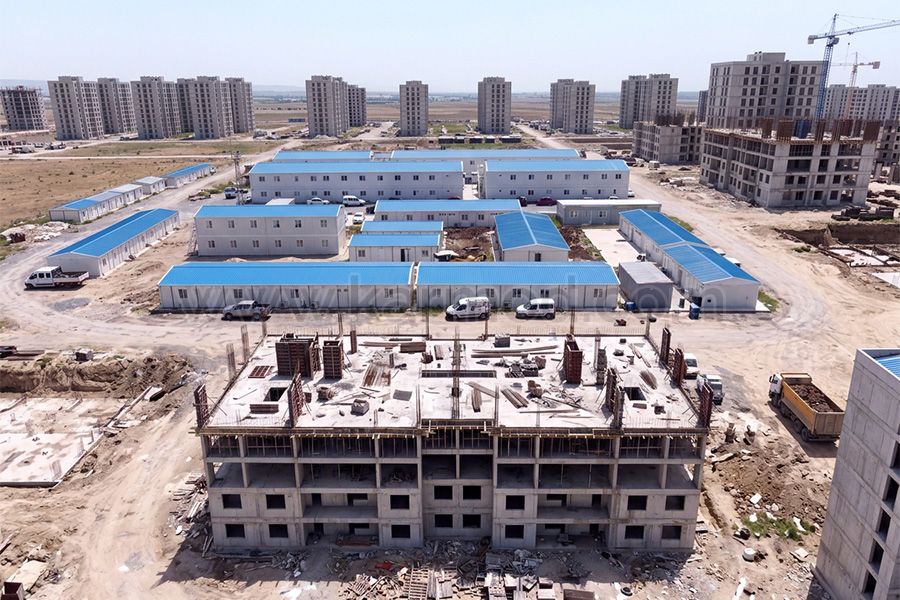
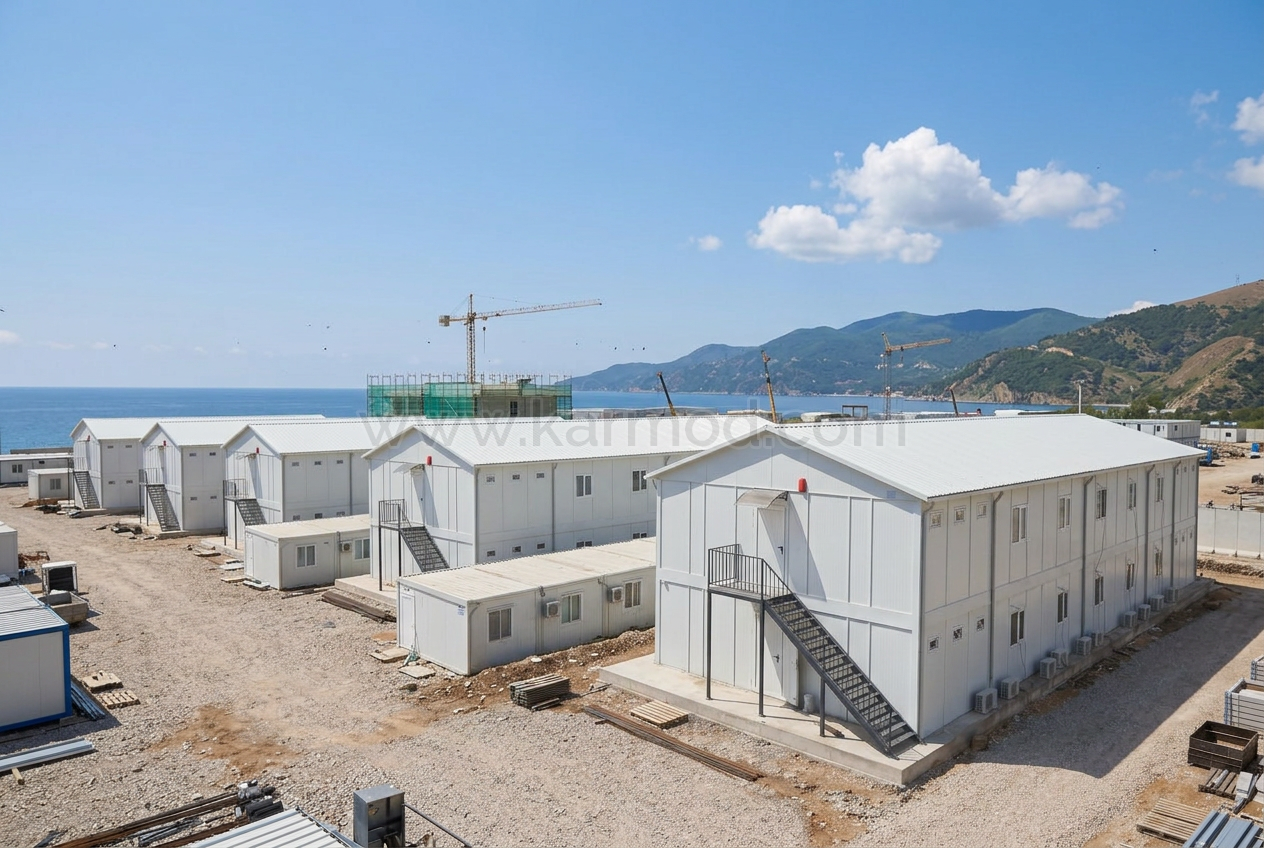
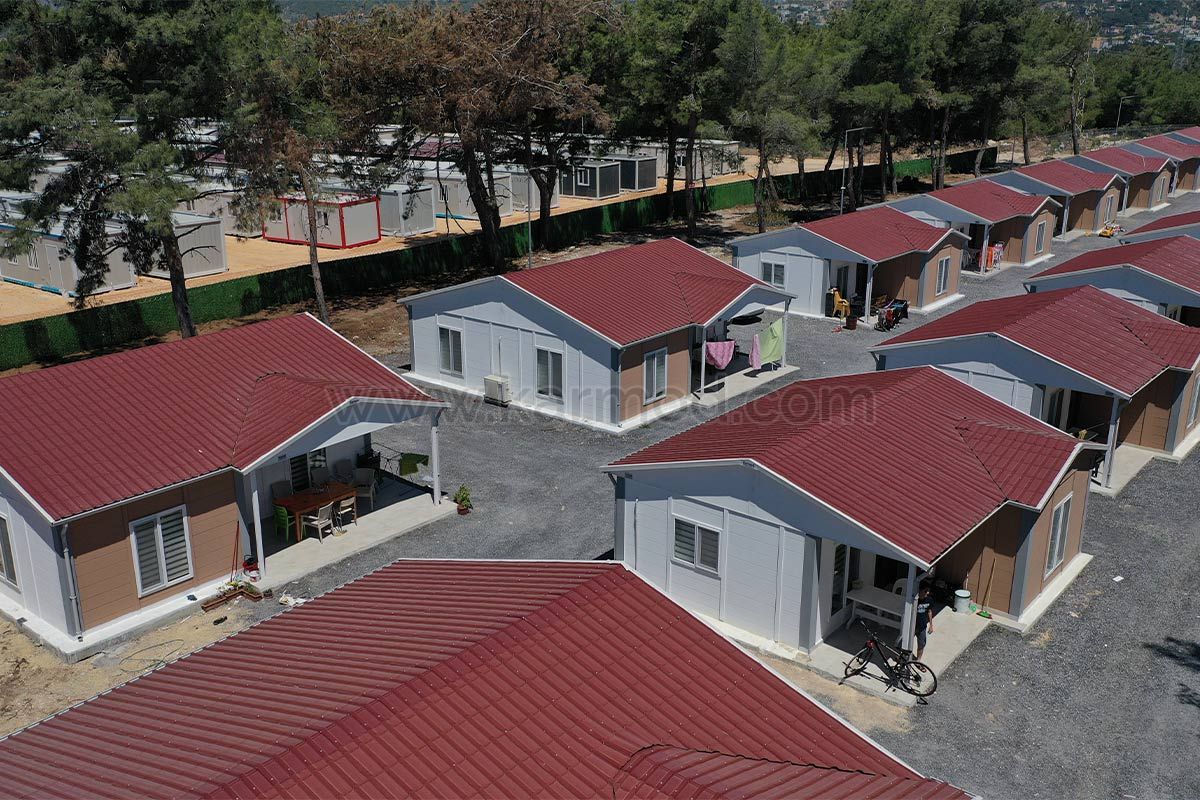
Lightweight steel structures are becoming a popular choice for sustainable construction projects. They combine strength, flexibility, and recyclability, making them suitable for housing, schools, and medical clinics. Lightweight steel modular buildings can be rapidly deployed in urban or remote areas, offering sustainable and scalable solutions for healthcare, disaster relief, and residential developments.
In order to serve you better, if you could kindly send an e-mail to info@karmod.com for questions and details about your theoretical and special architectural plans, projects, and product specifications, your request will be responded to as soon as possible.

From one end of the world to the other, we enable our customers to reach the ready-made construction sector produced with the new technology of the world. We guarantee reliability through technology and innovation, flexible commercial models and smart supply chain solutions that add value for you, following the project production network.
Discover
Karmod is one of the largest prefabricated construction companies in Turkey, with a production of 45,000 m2. produces high quality prefabs and prefab containers