EN
EN 


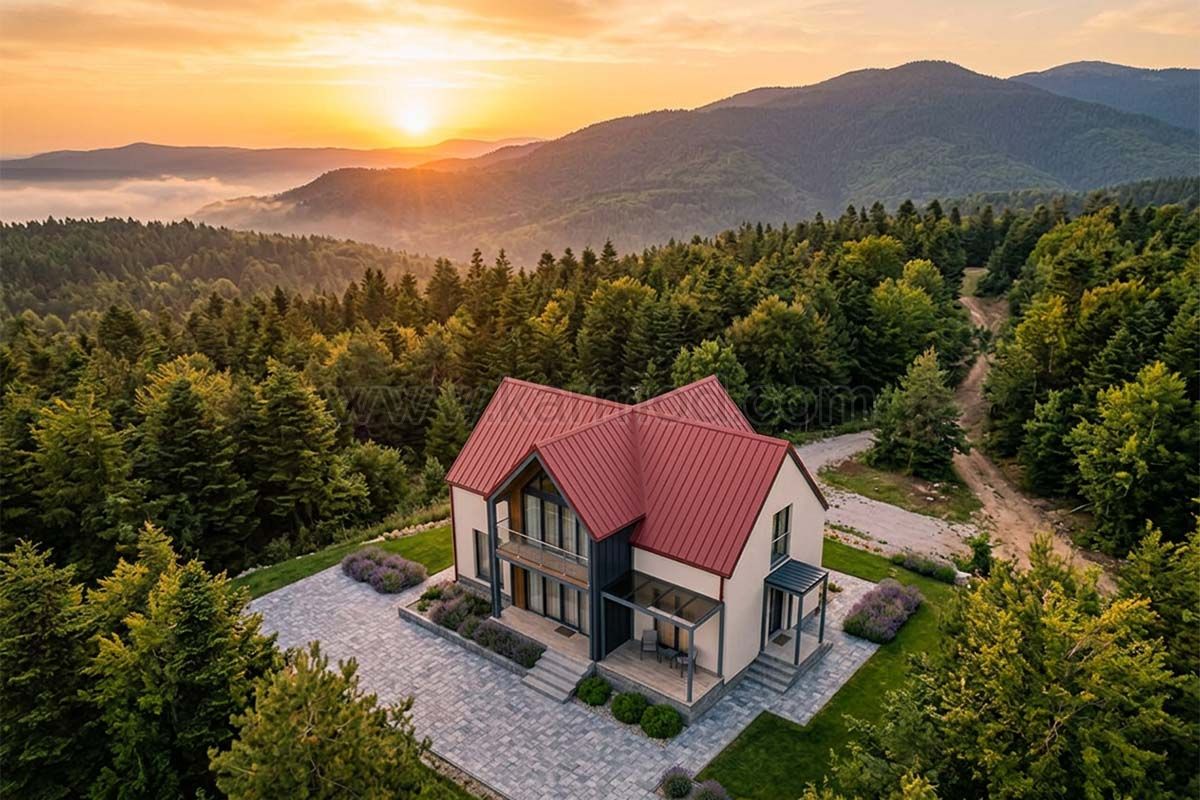
The way we build is changing. Homeowners are no longer satisfied with structures that simply “stand.” They want spaces that breathe, materials that tell a story, and homes that feel as good as they look. This shift has brought the use of natural materials in prefabricated houses to the forefront of modern architecture.
Prefabricated houses were once associated with speed and efficiency alone. Today, they represent something much more refined: sustainability, design intelligence, and a closer relationship with nature. When natural materials meet precision-engineered prefabrication, the result is a home that delivers durability, aesthetic warmth, and long-term value in one seamless package.
Let’s explore how natural materials are transforming prefabricated homes and why this approach is redefining the future of residential construction.
Prefabricated construction has evolved beyond its industrial image. With advancements in architectural design and material science, prefab homes now offer sophistication without sacrificing environmental responsibility. The integration of natural building materials such as wood, stone, clay, and cork creates structures that feel grounded, timeless, and authentic.
Unlike synthetic materials, natural materials carry texture, warmth, and subtle variation. They age gracefully. They respond to light differently throughout the day. In a prefabricated house, where precision manufacturing ensures structural integrity, natural materials add character and emotional depth.
Homeowners are increasingly searching for eco-friendly prefabricated houses that align with sustainable living values. Natural materials reduce carbon footprints, improve indoor air quality, and support energy efficiency goals. The demand is not a trend; it’s a long-term shift toward conscious living.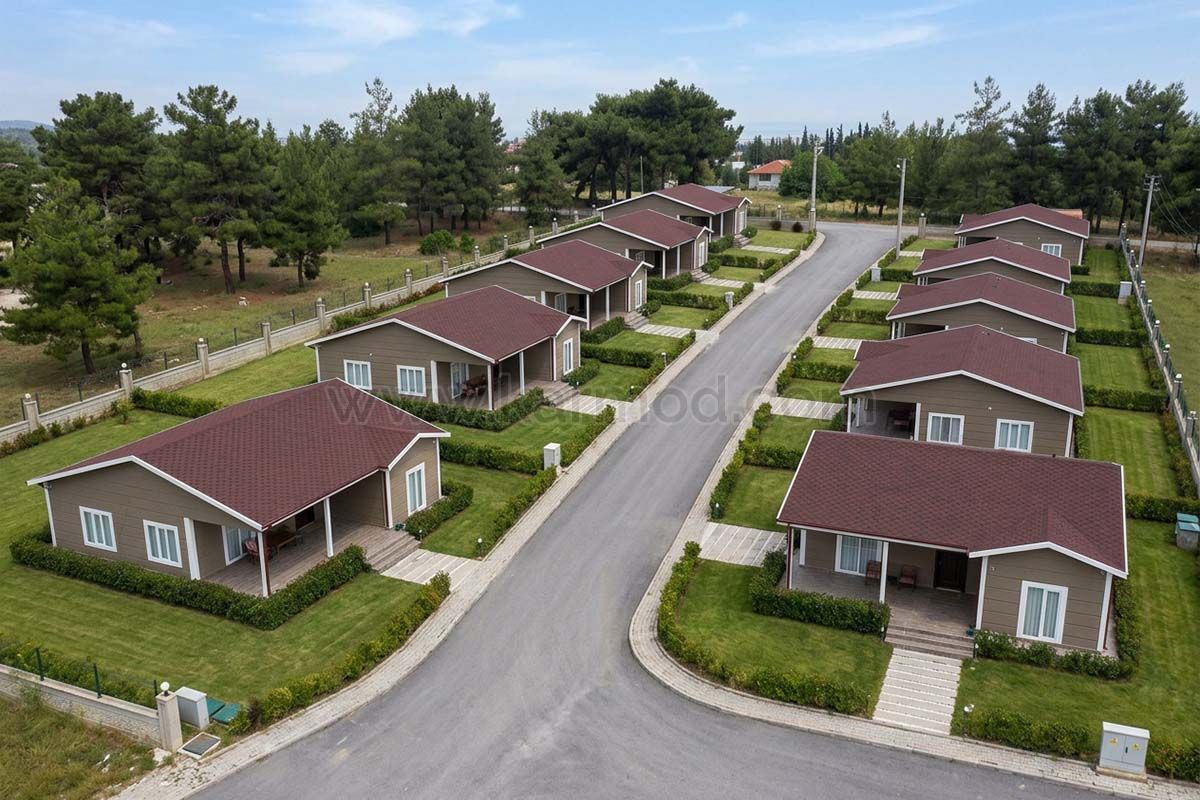
Wood remains one of the most powerful elements in modern prefab design. From structural framing to interior finishes, timber plays a central role in creating sustainable prefab houses that feel both contemporary and welcoming.
Engineered wood products such as cross-laminated timber (CLT) and laminated veneer lumber (LVL) allow prefabricated houses to achieve remarkable strength while maintaining environmental responsibility. These materials are sourced responsibly and manufactured with precision, reducing construction waste significantly.
Beyond structural performance, timber enhances indoor comfort. It regulates humidity naturally and contributes to better indoor air quality. Walking into a timber-based prefabricated house often feels noticeably different — warmer, calmer, more inviting. This is not just design; it’s science meeting craftsmanship.
For homeowners seeking a natural prefab home, timber provides durability, aesthetic flexibility, and long-term performance in one elegant solution.
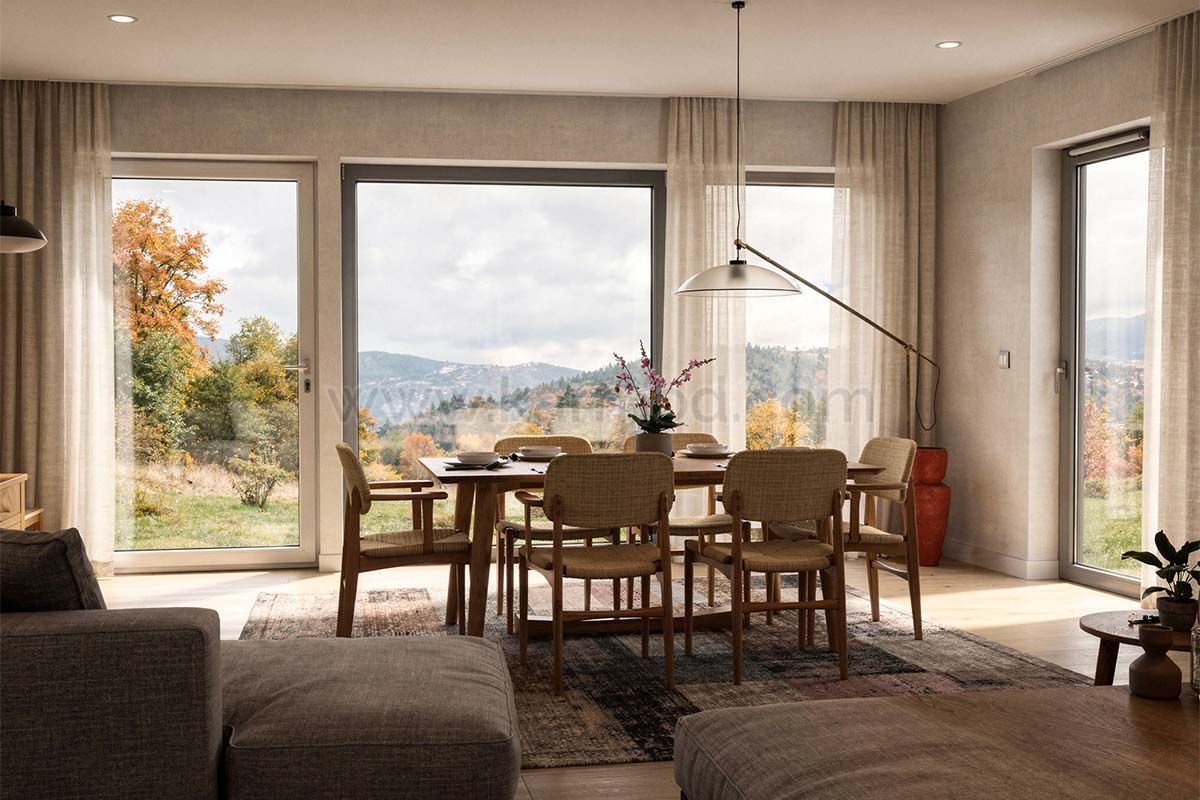
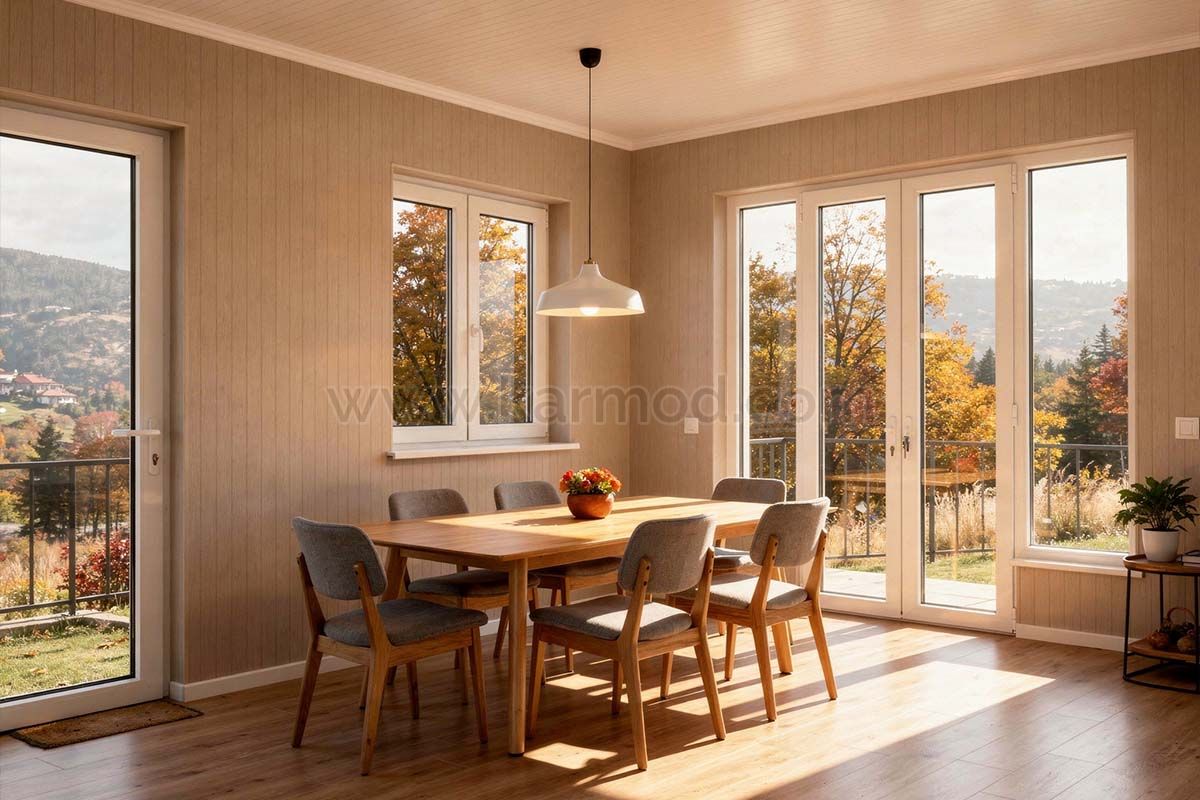
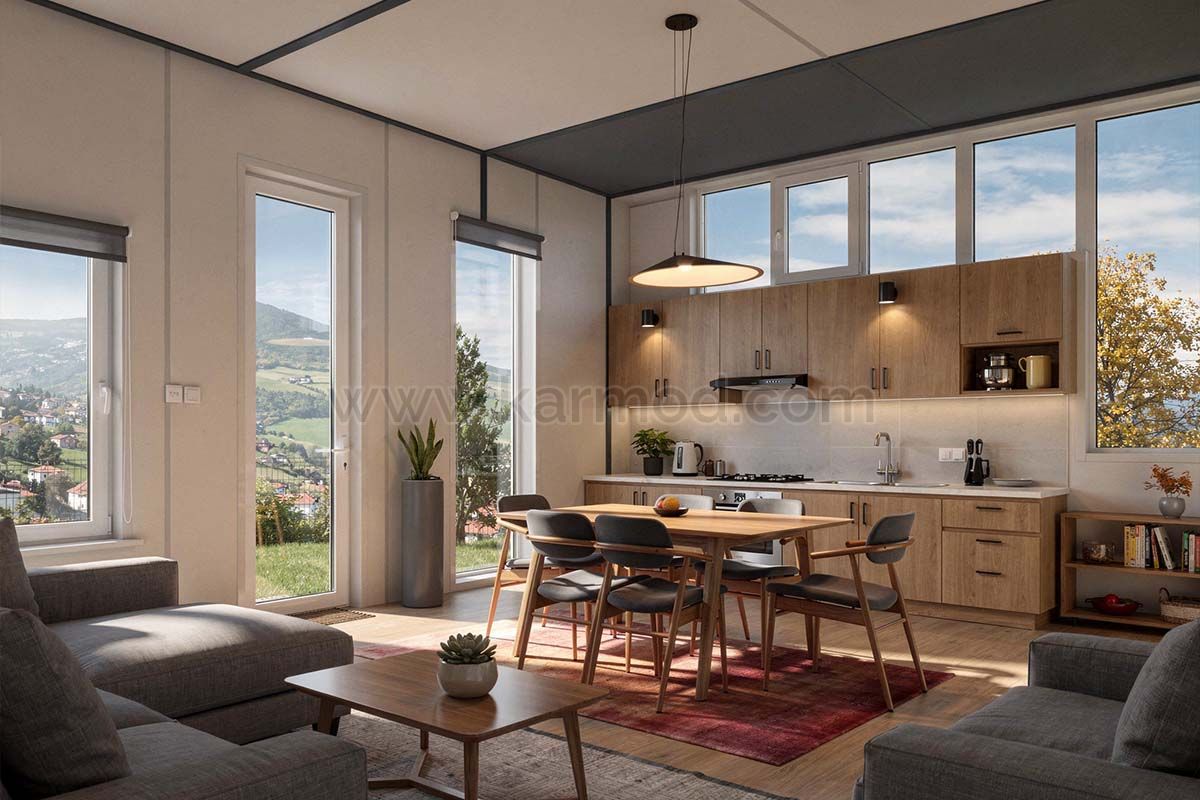
Natural stone introduces a sense of permanence and heritage to prefabricated houses. When combined with factory-built modules, stone cladding elevates the façade, transforming a modern structure into a home that feels rooted in its surroundings.
Stone is not merely decorative. It offers exceptional thermal mass, helping regulate interior temperatures. In hot climates, it absorbs heat slowly; in colder regions, it retains warmth effectively. This contributes to the energy efficiency of sustainable prefabricated homes while adding visual depth.
Natural stone also withstands time with remarkable resilience. Unlike artificial cladding materials that may fade or deteriorate quickly, stone develops a patina that enhances its beauty. For homeowners who value longevity, incorporating natural stone into prefab design becomes an investment in lasting elegance.
Modern architecture is rediscovering ancient wisdom. Clay plasters, lime-based finishes, and compressed earth panels are finding their way into prefabricated house construction. These materials create breathable walls that regulate moisture naturally, reducing the risk of mold and improving indoor air quality.
In a world increasingly concerned about toxins and volatile organic compounds (VOCs), natural building materials in prefab houses provide reassurance. Clay and lime finishes contain minimal synthetic additives, making them ideal for families who prioritize health-conscious living.
The aesthetic appeal is equally compelling. Earth-toned finishes create a soft, organic ambiance that artificial paints often struggle to replicate. The texture feels tactile, the color variations subtle and authentic. These elements bring emotional warmth into precision-built prefabricated environments.
Sustainability does not mean sacrificing innovation. Materials like cork and bamboo represent renewable solutions perfectly suited for prefabricated houses.
Cork is naturally insulating, lightweight, and resistant to moisture. It performs exceptionally well as flooring, wall panels, and even insulation within prefab modules. Its acoustic properties make it particularly attractive for homeowners seeking quiet, serene interiors.
Bamboo, known for its rapid renewability, offers impressive structural strength and aesthetic versatility. When used in eco-friendly prefab homes, bamboo flooring or paneling delivers a contemporary look with a reduced environmental footprint.
Choosing renewable natural materials demonstrates a commitment not just to design, but to responsible living.
Energy efficiency is often the primary motivation behind choosing prefabricated houses. When natural materials are incorporated strategically, performance levels increase significantly. The synergy between factory precision and organic resources creates homes that feel intelligent as much as they feel inviting.
Natural insulation and structural materials contribute to performance in measurable ways. When properly integrated into prefab systems, they deliver:
Wood fiber insulation, cork insulation, and cellulose materials strengthen the building envelope while maintaining environmental responsibility. Because prefab modules are manufactured in controlled environments, material waste is minimized and structural gaps are reduced.
For buyers comparing construction options, this combination of natural materials and prefabricated efficiency represents a strategic investment in both sustainability and financial savings.
There is a reason why natural textures resonate so strongly with people. Humans are inherently connected to nature. Biophilic design principles highlight how natural materials reduce stress and increase overall well-being.
In prefabricated houses, where modern lines and clean geometries dominate, natural materials soften the visual language. Exposed wooden beams, stone accent walls, clay-textured surfaces — these details transform a functional structure into a sanctuary.
The use of natural materials in prefabricated houses creates a layered sensory experience. The subtle scent of wood, the cool touch of stone, the visual warmth of earth tones — all contribute to a living space that feels personal rather than manufactured.
Buyers are not just investing in square meters. They are investing in how a space makes them feel every day.
Construction accounts for a significant portion of global carbon emissions. Prefabricated building methods already reduce waste through controlled production. When combined with responsibly sourced natural materials, the environmental benefits multiply.
Timber sourced from certified forests supports sustainable forestry practices. Natural insulation materials reduce reliance on petroleum-based products. Stone and clay require minimal chemical processing compared to synthetic alternatives.
Choosing sustainable prefab house materials reflects a long-term vision. It signals awareness of resource conservation, carbon reduction, and ecological balance. For many homeowners, that responsibility carries as much value as the physical structure itself.
Sustainability is no longer optional. It is an expectation — and natural materials help meet that expectation with integrity.
There is a common misconception that natural materials require excessive maintenance. In reality, many outperform artificial products over decades of use. When integrated into prefabricated systems built under strict quality control, their performance becomes even more reliable.
Natural material prefab homes stand out because they offer:
Properly treated timber can last generations. Stone gains character rather than deteriorating. Lime-based finishes resist cracking and age with elegance.
From an investment standpoint, durability directly influences property value. Buyers understand that homes built with sustainable natural materials are designed for longevity — and that translates into financial confidence.
Modern homeowners value individuality. Prefabricated houses once had a reputation for limited design flexibility. That perception has changed dramatically.
Today’s prefab systems allow customization in layout, façade materials, finishes, and interior details. Natural materials expand these possibilities even further. Whether the vision is a minimalist timber retreat, a stone-accented contemporary residence, or an earth-toned eco-home, natural materials adapt seamlessly.
This flexibility ensures that sustainability does not come at the expense of style. Each home can reflect the personality and priorities of its owner while maintaining the efficiency and reliability of prefabricated construction.
Real estate markets increasingly reward sustainability. Buyers actively search for energy-efficient, environmentally conscious properties. Homes constructed with natural materials often command higher interest and stronger resale value.
The visual authenticity of natural finishes photographs beautifully, enhancing online listings and attracting attention in competitive markets. Eco-conscious features also appeal to a growing demographic of environmentally aware buyers.
Investing in a prefabricated house built with natural materials is not just a lifestyle choice — it is a strategic decision that aligns with future market demand.
Indoor environments influence daily well-being more than most people realize. Synthetic materials can emit chemicals that compromise air quality. Natural materials, by contrast, contribute to healthier indoor spaces.
Wood regulates humidity. Clay absorbs excess moisture. Lime plasters resist mold growth naturally. These qualities create interiors that feel fresh and balanced.
Families looking for a home that supports both physical and emotional health often prioritize natural materials in prefab construction for precisely this reason. The difference is not merely aesthetic; it is experiential.
As architectural innovation continues to evolve, the integration of natural materials will become even more refined. Smart building systems, renewable energy technologies, and precision manufacturing will work hand in hand with sustainable resources.
Prefabricated houses built with natural materials represent a powerful intersection of tradition and technology. They reflect respect for the environment while embracing modern efficiency.
Homeowners are no longer choosing between speed and sustainability, or design and responsibility. They can have all of it — intelligently designed, beautifully finished, and environmentally aligned.
Choosing the right partner makes all the difference. A prefabricated house crafted with natural materials requires expertise, design sensitivity, and a commitment to quality at every stage.
If you are exploring the possibility of building a sustainable prefab home that combines durability, aesthetics, and environmental responsibility, now is the time to take the next step. Let’s create a space that feels authentic, performs exceptionally, and stands as a long-term investment in your future.
Contact us today to discuss your project, explore design options, and discover how natural materials can transform your prefabricated house into a home that truly inspires.
In order to serve you better, if you could kindly send an e-mail to info@karmod.com for questions and details about your theoretical and special architectural plans, projects, and product specifications, your request will be responded to as soon as possible.

From one end of the world to the other, we enable our customers to reach the ready-made construction sector produced with the new technology of the world. We guarantee reliability through technology and innovation, flexible commercial models and smart supply chain solutions that add value for you, following the project production network.
Discover
Karmod is one of the largest prefabricated construction companies in Turkey, with a production of 45,000 m2. produces high quality prefabs and prefab containers