EN
EN 


Spanning coastlines on the Atlantic and Pacific, vast interior plains, mountain regions, and arid desert areas, the United States presents one of the world’s most varied building environments. Climate conditions range from humid subtropical zones in the Southeast to cold winters in the Upper Midwest, wildfire-prone heat in parts of the West, and hurricane exposure along coastal regions—factors that directly shape material choices and envelope performance.
Alongside a diversified economy anchored by logistics, manufacturing, energy, technology, and large-scale infrastructure programs, demand has grown for fast, repeatable, and adaptable building solutions. In this setting, container-based approaches are increasingly used for container buildings, container homes, and modular construction. USA container buildings offer predictable production quality, shorter site timelines, and layouts that can be expanded or relocated as needs change.


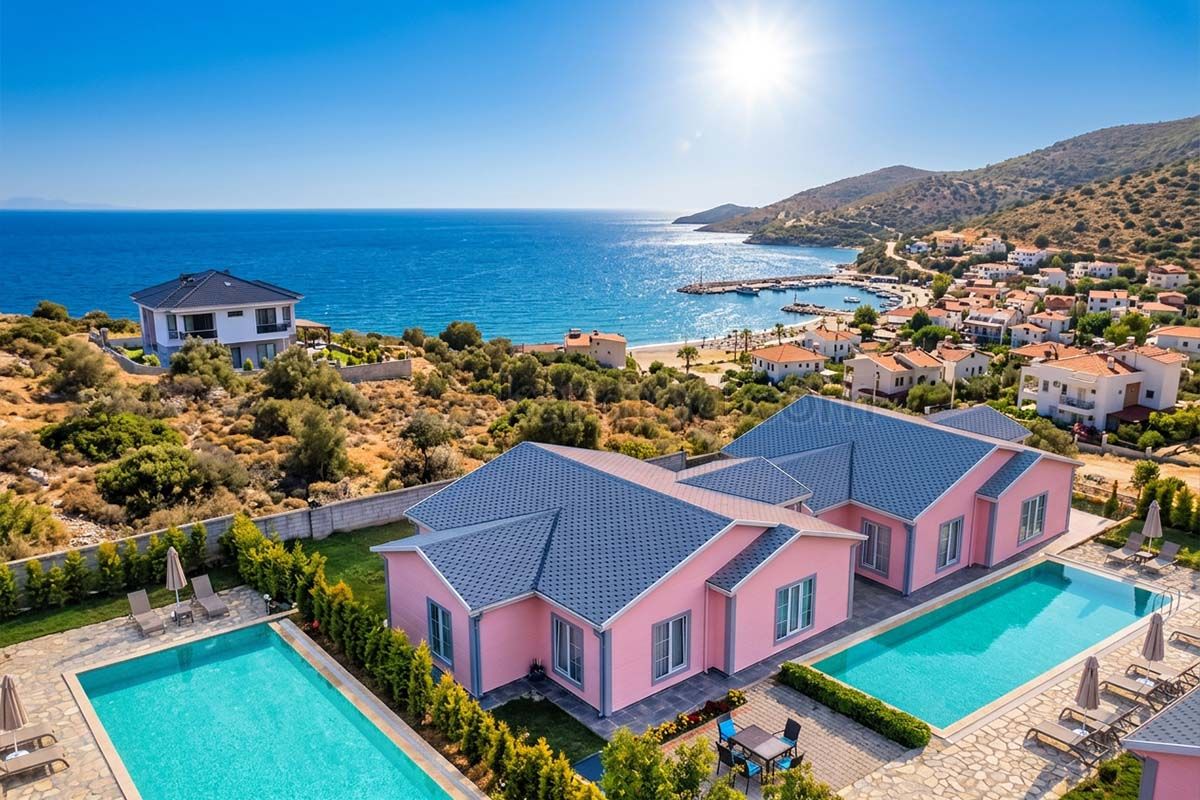
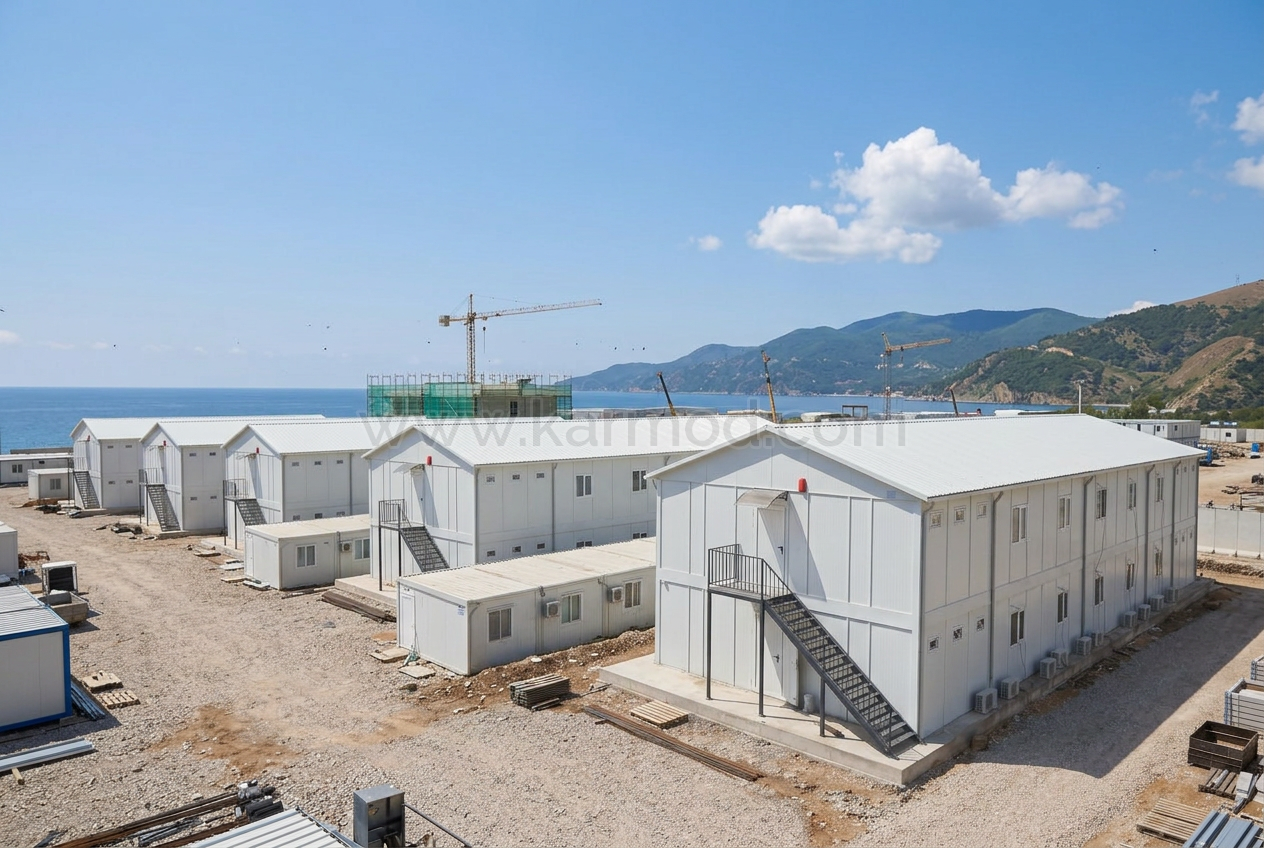
USA container homes have moved beyond niche applications and are now specified for guest housing, staff accommodation, remote project lodging, and compact residential programs where schedule certainty matters. As modular container buildings, they support phased growth—adding rooms, extending floor plans, or combining multiple modules—without the complexity of traditional structural alterations.
Sustainability is often a practical outcome of controlled manufacturing and material efficiency rather than a headline claim. Prefabricated container systems reduce on-site waste and help standardize detailing, which improves consistency across multiple locations. For many projects, affordability comes from compressed timelines, fewer weather delays, and more predictable labor planning, especially when replicating a proven module across sites.
Climate suitability is determined by engineering decisions: corrosion protection and vapor management for humid regions; insulation strategy and solar heat control for hot climates; and thermal bridging control plus airtight detailing for cold winters. These measures help deliver climate-resistant container buildings that perform reliably across the varied conditions found throughout the United States.


USA container storage solutions are widely used where secure, weather-protected space is needed quickly and where operations may shift over time. Mining sites use storage modules for tools, consumables, and critical spares in remote areas. Agriculture operations rely on container storage for seasonal equipment, irrigation components, feed, and packaged goods. Logistics hubs and distribution yards use containers to buffer inventory and stage shipments, while construction sites depend on locked storage for power tools, materials, and site documentation.
Durability comes from robust steel frames, reinforced access points, and protective coatings designed for long service life. Security can be strengthened with heavy-duty doors, lock boxes, and internal partitioning for controlled access. A key advantage is relocation: when a project ends or a site changes, storage capacity can be moved and redeployed without starting over with new construction.
For buyers evaluating USA container buildings, manufacturer capability matters most in engineering detail, repeatable quality, and how well units are specified for local climate and operational requirements. Karmod focuses on structural integrity, insulation performance, corrosion protection, and consistent production tolerances—factors that influence comfort, durability, and maintenance over the building’s lifecycle.
Customization is handled as an engineering exercise rather than a cosmetic change: interior planning, openings, HVAC readiness, electrical routing, and finish systems are coordinated to support the intended use. This approach helps deliver prefabricated container systems that remain dependable under varied weather exposure and frequent deployment cycles.
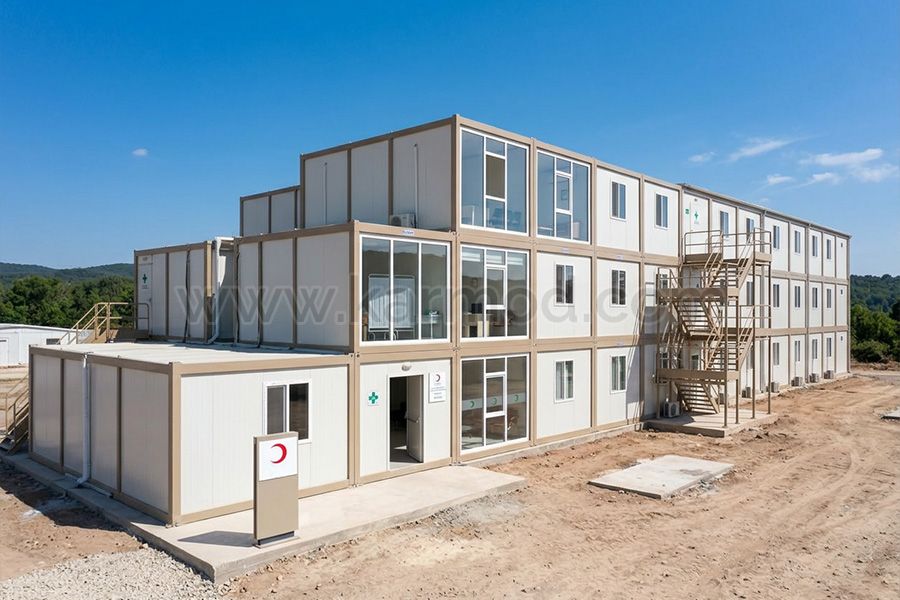
USA container offices are used for site administration, project management, meeting rooms, and modular office compounds where speed and adaptability are essential. They can be configured as single modules for small teams or expanded into multi-unit layouts that include reception areas, open workspaces, private offices, and support rooms.
With container office solutions, scalability is built into the concept: offices can grow as headcount increases, and layouts can be reconfigured without major downtime. Compared with conventional site-built options, the cost advantage often comes from shorter installation periods, reduced site disruption, and standardized fit-out packages that maintain consistent workplace conditions across locations.


USA container buildings are increasingly used for commercial facilities that need reliable delivery schedules and the ability to expand in stages. Container-based commercial buildings can function as service centers, showrooms, customer support spaces, and multi-unit business complexes, with modular container buildings supporting planned growth without extensive demolition or prolonged closures.
Prefabricated container systems also help maintain consistency across multi-site rollouts. Repeatable module specifications simplify planning and reduce variability, while still allowing design adjustments to match local codes, site constraints, and brand requirements.
USA container shop concepts support pop-up shops, seasonal retail, kiosks, and retail clusters where placement, speed, and identity matter. Exterior treatments, glazing layouts, and signage zones can be tailored to reflect branding, while interior fit-outs can be adapted for display, storage, and point-of-sale needs.
Because modules can be relocated or reconfigured, retailers can respond to changing foot traffic patterns, event calendars, or redevelopment cycles. This flexibility helps test new locations and scale successful formats without the long lead times associated with conventional storefront construction.
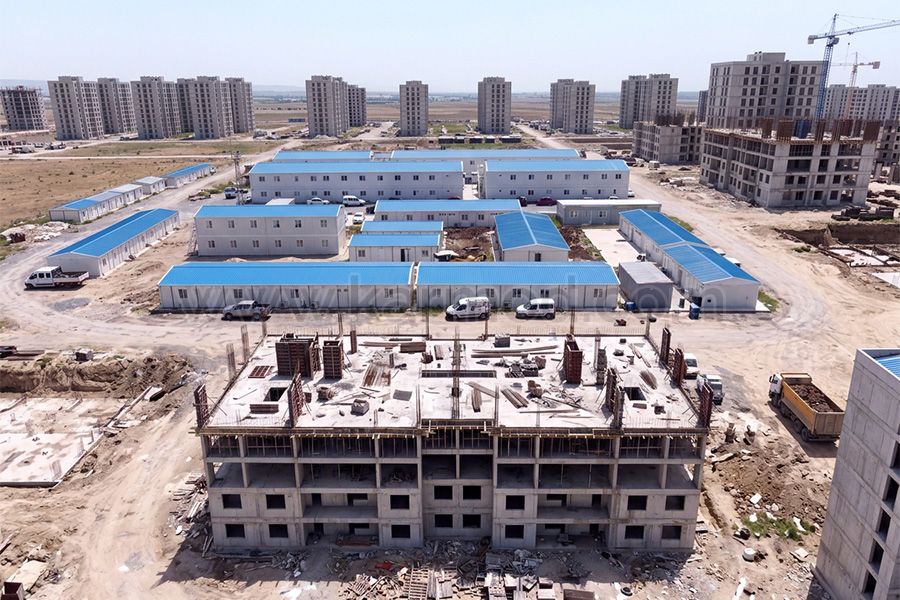
In many U.S. metro areas facing housing pressure, modular approaches are being evaluated for faster delivery of compact apartments, student housing, and workforce accommodation. USA container homes can be assembled into multi-unit residential layouts, supporting predictable schedules while maintaining consistent build quality through factory-controlled production.
Container apartment concepts can be planned as small communities with shared courtyards, circulation corridors, and communal amenities. Modular stacking and repeatable unit plans support efficient land use, while climate-resistant container buildings help maintain performance across regions with heat, cold, humidity, or severe weather exposure.
USA container buildings are also applied to public and institutional needs where quick deployment and future expansion are important. Schools and training spaces can be configured as classrooms, labs, and administrative rooms. Clinics can be planned for consultation, triage, and support functions. Community centers can include multipurpose halls, offices, and service counters, while public infrastructure projects use container modules for security stations, field offices, and temporary service points.
By combining modular container buildings with prefabricated container systems, organizations can add capacity in phases and relocate modules when priorities shift. These USA container buildings demonstrate how adaptable design, controlled manufacturing, and climate-ready detailing can support modern space requirements without sacrificing practicality or long-term reliability.
In order to serve you better, if you could kindly send an e-mail to info@karmod.com for questions and details about your theoretical and special architectural plans, projects, and product specifications, your request will be responded to as soon as possible.

From one end of the world to the other, we enable our customers to reach the ready-made construction sector produced with the new technology of the world. We guarantee reliability through technology and innovation, flexible commercial models and smart supply chain solutions that add value for you, following the project production network.
Discover
Karmod is one of the largest prefabricated construction companies in Turkey, with a production of 45,000 m2. produces high quality prefabs and prefab containers