EN
EN 


The word “construction” often brings to mind images of cranes, scaffolding, and workers in hard hats. But have you ever wondered what lies behind these visible elements? Construction is not merely about putting stone on stone; it is a complex process that shapes the way we live, work, and interact with our environment. From skyscrapers piercing the sky to quiet suburban homes, every building tells a story of planning, design, and execution.
In this article, we will explore how construction functions as a vital industry, the diverse categories of building projects, and the materials that make it all possible. Whether you are a curious reader or someone interested in career opportunities in this sector, you’ll find insights that reveal why construction is more than just physical labor—it is a cornerstone of civilization.
Construction can be defined as the art and science of creating physical structures that meet human needs. Yet this definition barely scratches the surface. Why? Because construction is also about problem-solving, innovation, and long-term impact. Every project begins with an idea—perhaps a family needing a new home, a city expanding its public transport, or a company requiring a modern office tower.
Before a single brick is laid, there is a sequence of activities: financing, design approval, safety evaluations, and environmental assessments. Consider a hospital project: its goal is not just to provide walls and beds, but to support healthcare delivery with proper ventilation, accessibility, and patient safety. That is why construction is often described as a bridge between imagination and functionality.


Just as doctors specialize in different medical fields, the construction industry also branches into diverse categories. Each type has its own objectives, challenges, and benefits.
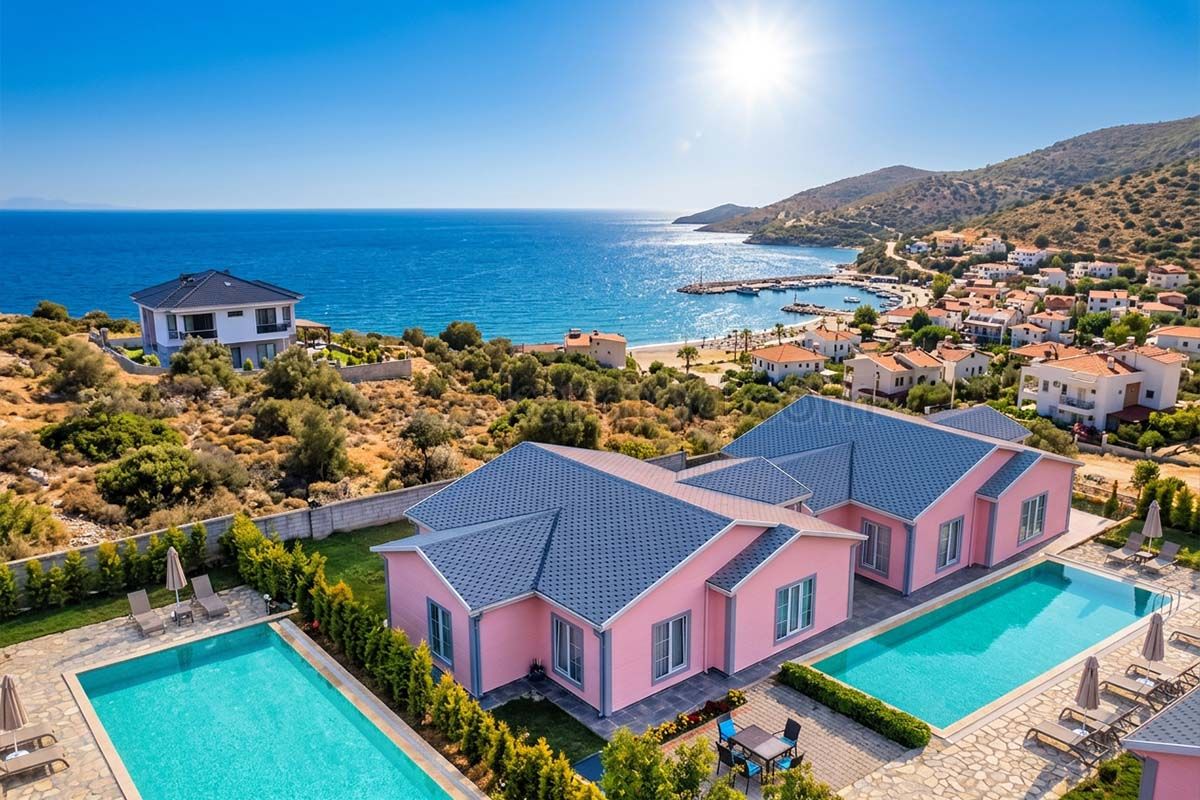
The most relatable type of construction is residential. Everyone, after all, needs a roof over their head. But even within this category, there are multiple approaches:
Think about how housing design differs in Tokyo versus New York. In dense cities, apartments maximize vertical space, while suburban areas emphasize larger homes with outdoor amenities.
Commercial construction is about creating spaces where business happens—offices, shopping malls, hotels, and restaurants. Unlike residential projects, these buildings must handle heavy daily use by thousands of people. They also demand strict adherence to fire safety codes, efficient electrical systems, and flexible layouts for future renovations.
One striking example is co-working spaces. Once rare, they are now booming in cities worldwide, reshaping commercial construction priorities toward open designs and shared utilities.
Industrial construction may not always be visible to the public eye, but it plays a critical role in national economies. Factories, warehouses, oil refineries, and energy plants are part of this category. These sites often require:
Take Tesla’s Gigafactories, for instance—massive facilities that combine advanced design with sustainability goals. Such examples highlight how industrial construction intersects with global technological progress.
Infrastructure projects are what truly bind societies together. Roads, bridges, railways, airports, and water pipelines fall into this group. You might drive over a bridge daily without realizing the years of engineering and safety analysis that preceded its opening.
These projects are often government-funded and aim to improve public welfare. An excellent example is the construction of high-speed rail networks in countries like China and Spain, dramatically cutting travel times and reducing carbon emissions.
Institutional construction is centered on buildings that serve communities—schools, universities, hospitals, libraries, and government offices. The goal is not profit but service. For example, a university campus may prioritize student accessibility and research laboratories, while a hospital focuses on sterile conditions and efficient emergency access routes.
Every impressive structure owes its strength and beauty to materials. But how do builders decide what to use? It usually depends on durability, cost, availability, and environmental impact. Let’s look at some staples:
For example, Dubai’s skyline is full of steel-and-glass marvels, while Scandinavian countries often showcase eco-friendly timber-based designs.
 The Essence of Construction: More Than Building Walls
Why should an average person care about construction? Because its effects reach into daily living. Here are a few practical takeaways:
Construction is not without hurdles. Rising material costs, environmental concerns, and labor shortages pose challenges worldwide. However, the future looks promising with trends like:
Imagine neighborhoods where homes are built in days instead of months, with minimal waste. This is not science fiction—it’s already being tested.
Construction is far more than physical labor; it is a discipline that transforms ideas into tangible realities. From residential homes to monumental infrastructure, the industry weaves itself into every aspect of human existence. The choice of materials, the type of project, and the goals behind it all reveal one truth: construction is about improving quality of life.
So, the next time you see scaffolding on your street or a crane towering above a city skyline, pause and ask yourself: what new story is being written here? Because in the end, construction is not just about buildings—it is about shaping the world we live in, for today and for generations to come.
In order to serve you better, if you could kindly send an e-mail to info@karmod.com for questions and details about your theoretical and special architectural plans, projects, and product specifications, your request will be responded to as soon as possible.

From one end of the world to the other, we enable our customers to reach the ready-made construction sector produced with the new technology of the world. We guarantee reliability through technology and innovation, flexible commercial models and smart supply chain solutions that add value for you, following the project production network.
Discover
Karmod is one of the largest prefabricated construction companies in Turkey, with a production of 45,000 m2. produces high quality prefabs and prefab containers