EN
EN 


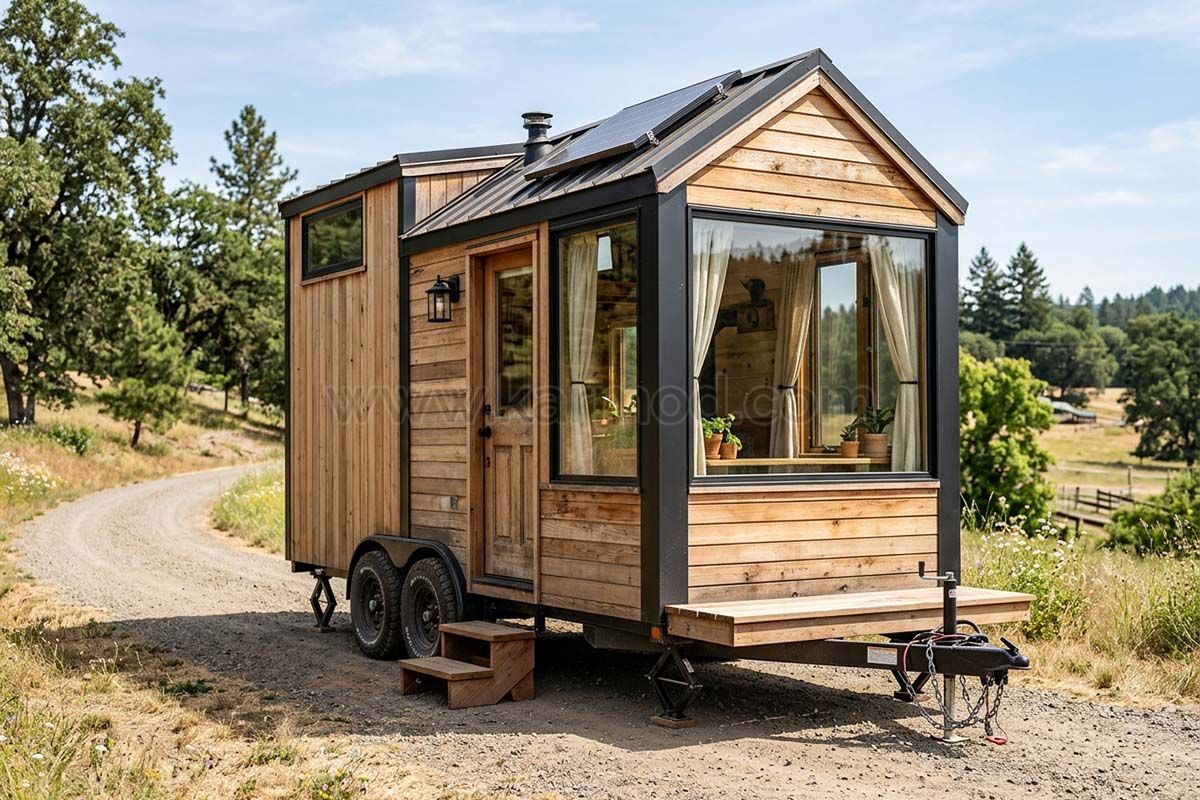
Living in a tiny house changes the way you look at space. Every square meter matters. Every corner should serve a purpose. The same philosophy applies outdoors. A minimalist garden isn’t just about clean lines and fewer plants — it’s about creating a space that feels open, functional, and deeply connected to your lifestyle.
For homeowners investing in modular or container-based tiny houses, the garden becomes an extension of the living room. It’s where mornings begin with coffee, where evenings wind down, where guests gather. When designed thoughtfully, even the smallest outdoor area can feel expansive, intentional, and refined.
Minimalism is not about emptiness. It’s about clarity. Tiny house owners already embrace efficient design indoors; carrying that approach outside creates visual harmony between structure and landscape.
A cluttered garden can make a small property feel even tighter. Too many materials, colors, or plant types break visual flow. A minimalist layout, on the other hand, creates breathing space. Clean pathways. Defined zones. Repetition in materials. The result feels calm — and surprisingly spacious.
There’s also practicality. Fewer plant varieties mean easier maintenance. Defined planting beds reduce watering waste. Smart lighting eliminates the need for excessive fixtures. A minimalist garden saves time while enhancing property value — an important factor if you ever decide to sell or upgrade your modular home.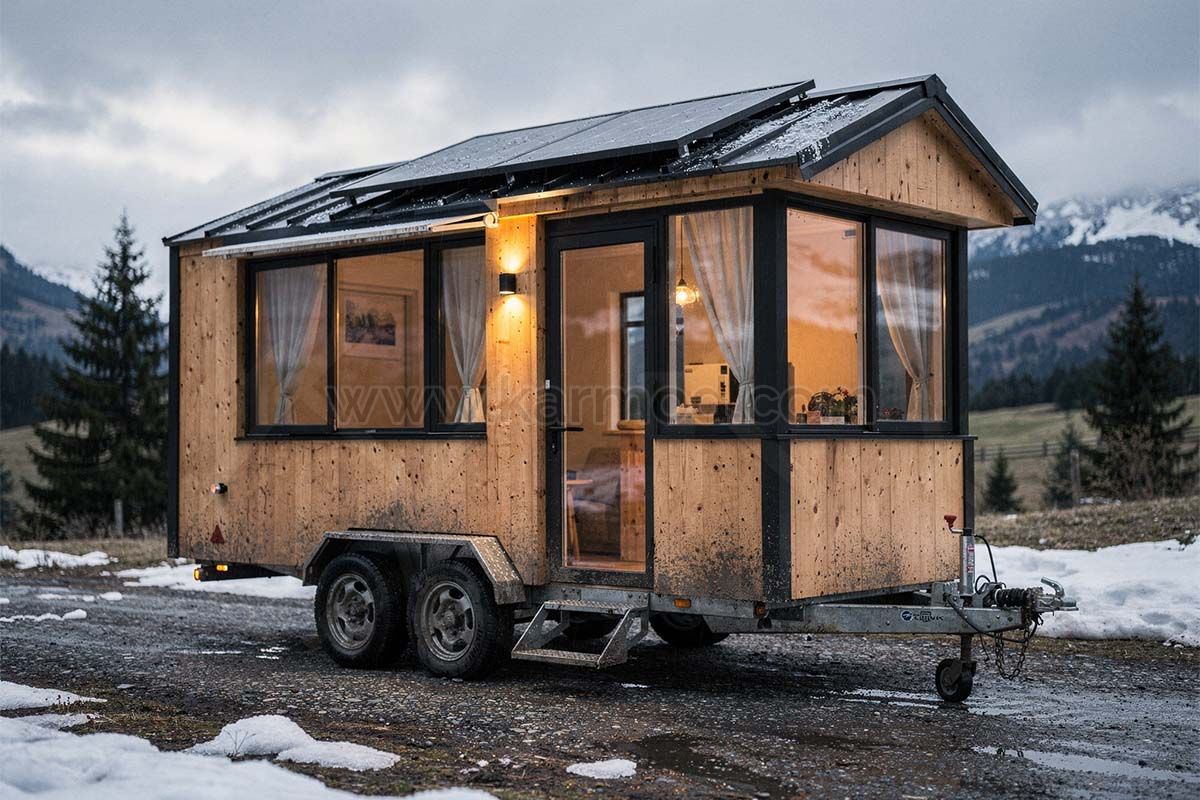
Before choosing plants, think in zones. Even a compact outdoor area can be divided into purposeful sections:
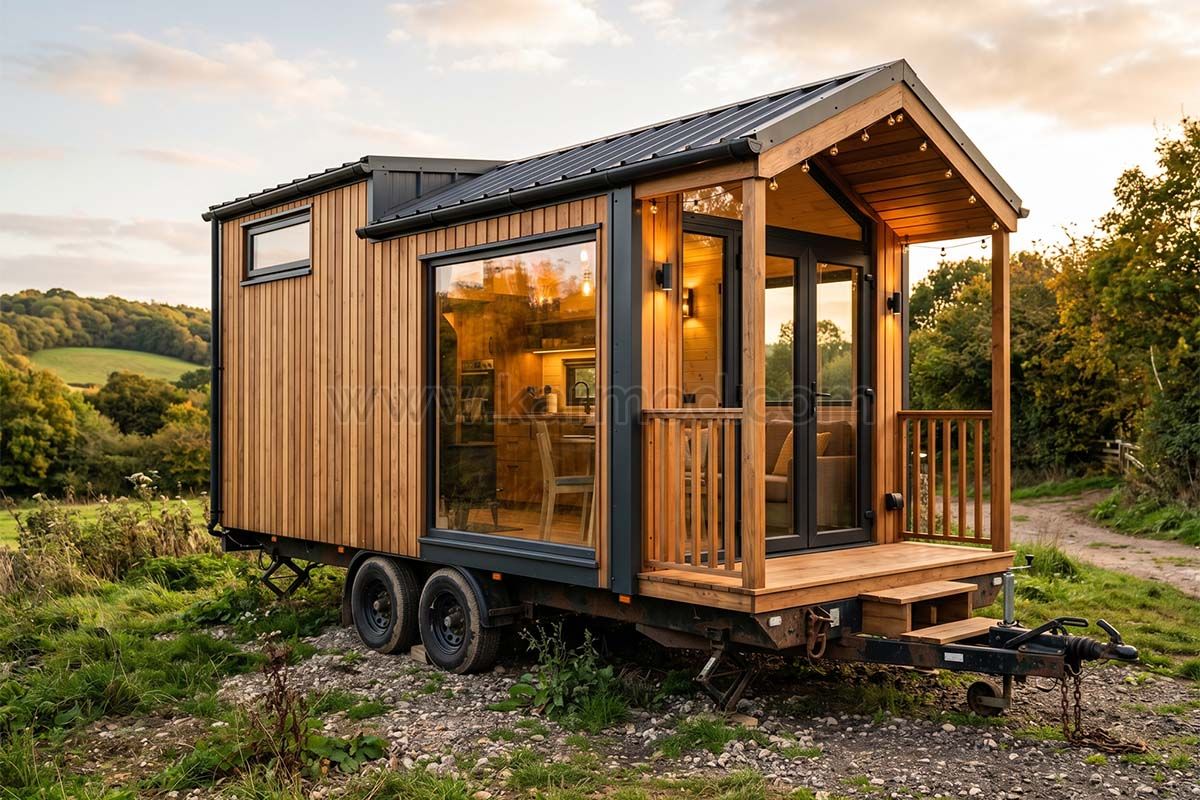
Zoning prevents visual chaos. It tells the eye where to rest. For example, placing a small wooden deck directly adjacent to a prefabricated or container home creates a seamless indoor-outdoor transition. A simple gravel path leading to a single feature tree can instantly elevate the space.
Think about how you move. Where do you step out? Where do you want shade? Where would guests sit? Designing around real-life habits makes the garden feel natural rather than staged.
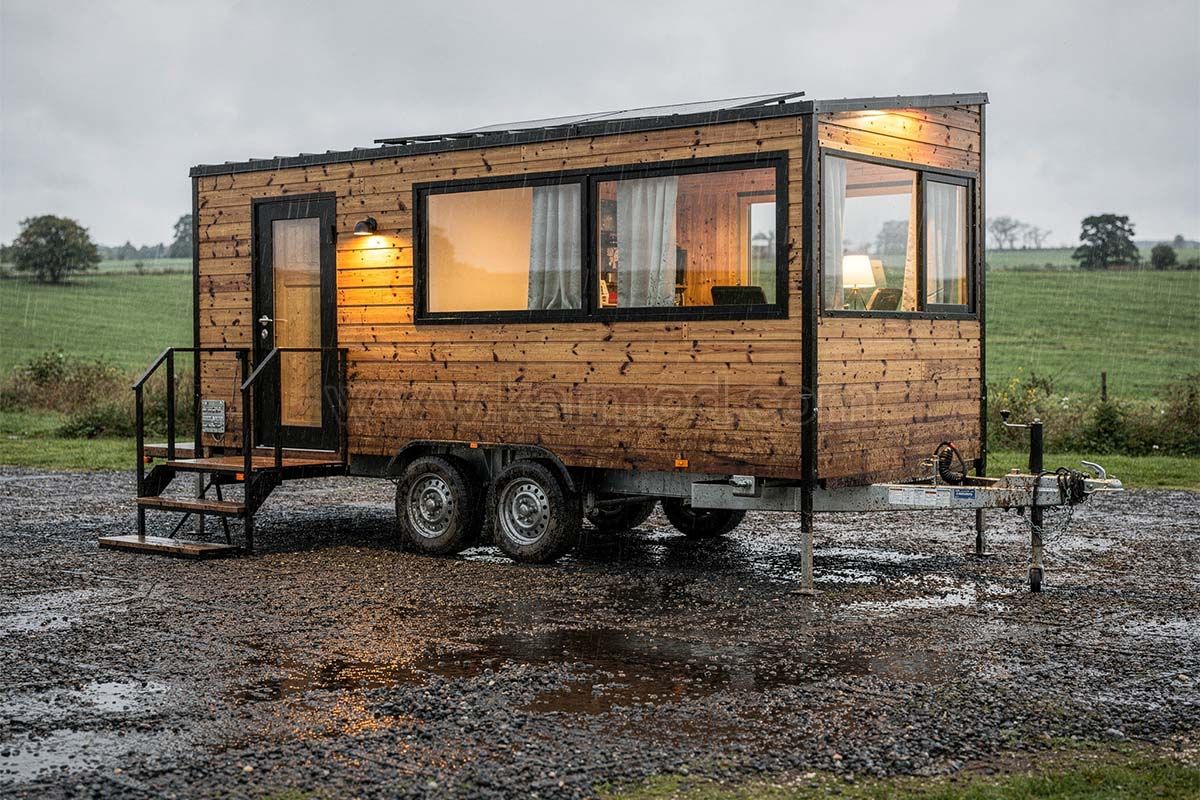
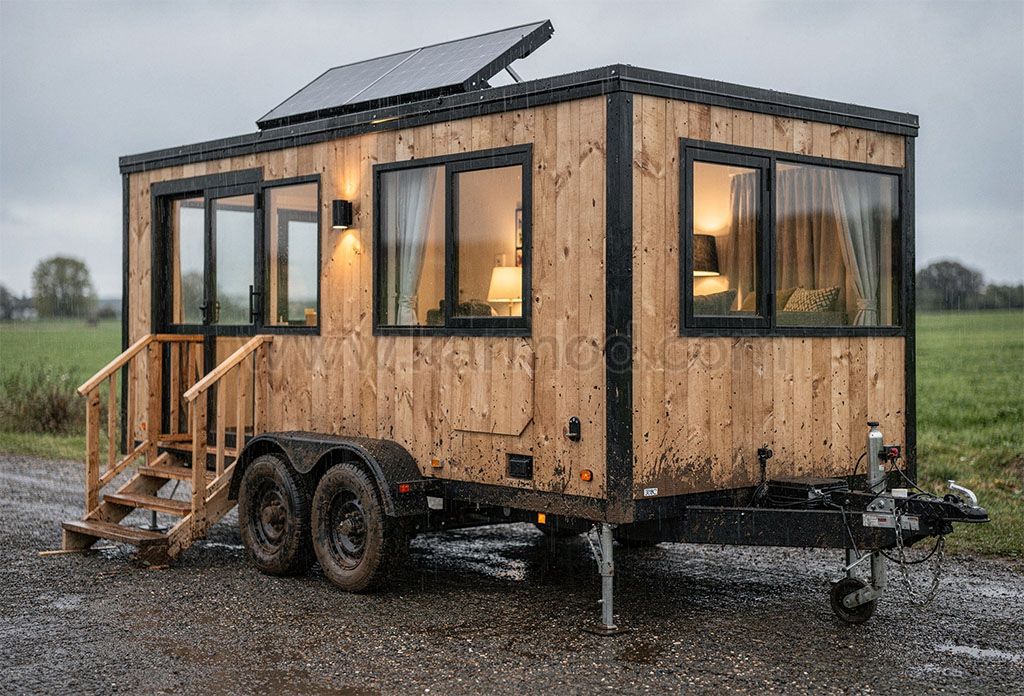
Minimalist gardens rely heavily on material consistency. Instead of mixing stone, brick, wood, and tile all together, choose two — at most three — complementary materials.
Gravel combined with treated wood decking works beautifully around modern container homes. Concrete pavers paired with black metal edging create a sleek industrial look that echoes steel modular structures.
Consistency builds sophistication. Repetition builds rhythm. When materials match the architectural style of the tiny house, the entire property feels thoughtfully planned — not pieced together.
In small gardens, every plant matters. Overplanting shrinks the space visually. Strategic planting expands it.
Instead of filling beds with multiple flower varieties, choose a limited palette:
Repeating the same plant species in small clusters creates visual continuity. The eye reads repetition as order. Order feels spacious.
Clients often tell us they feared a “minimal” garden would feel empty. In reality, it feels intentional — and easier to maintain long term. Especially for container homeowners using the property as a weekend retreat or rental investment.
In tiny house living, every feature should work hard. The same goes for the garden.
Built-in bench seating with hidden storage. Raised planters that double as privacy screens. Pergolas that support climbing plants while providing shade. A fire pit that becomes a gathering centerpiece.
When we design modular housing projects, we often recommend integrated solutions that merge architecture and landscape. A pergola attached directly to a container unit, for instance, visually expands the home while increasing usable outdoor space.
Smart lighting is another subtle but powerful tool. Warm LED strip lights under benches or along pathways create depth at night without overwhelming the area.
Privacy is important — especially in compact plots or prefabricated housing communities. The mistake many homeowners make is building tall, heavy fences that visually shrink the garden.
Instead, consider:
These solutions provide screening while still allowing airflow and light. The garden feels secure, yet open.
A raised wooden deck can transform a small outdoor area into a defined living zone. It subtly separates relaxation space from planting areas.
For container homes, matching the deck height with the entry threshold ensures a seamless transition. This detail may seem small — but it significantly improves comfort and resale appeal.
Adding built-in seating along deck edges maximizes space without crowding it. When designed correctly, even a 15–20 m² garden can comfortably host four to six guests.
Minimalist gardens naturally align with sustainable principles. Fewer lawn areas mean less watering. Native plants require minimal intervention. Gravel surfaces reduce irrigation needs.
For clients investing in prefabricated or modular housing for long-term living or rental purposes, this is a major advantage. Lower maintenance equals lower operating costs. Lower costs increase profitability.
Drip irrigation systems, permeable surfaces, and solar garden lighting are small additions that make a noticeable difference over time.
The best minimalist gardens don’t look staged — they feel lived in. A reading chair positioned where morning light hits. A small dining table placed under filtered shade. A herb planter within arm’s reach of the kitchen door.
Think about how you want to use the space. Weekend barbecues? Quiet evenings? Remote work outdoors?
A well-designed garden around a tiny house enhances daily life. It doesn’t compete with the structure — it completes it.
A minimalist garden only works when the house it surrounds is designed with the same intelligence and care. Proportion, positioning, structural quality — they all matter. That’s why choosing the right tiny house is the first and most important step.
Our modular and container homes are engineered not just as structures, but as complete living solutions. We design with outdoor integration in mind. Proper elevation. Smart entry placement. Structural compatibility for decking and pergolas. Every detail supports your lifestyle from day one.
Whether you’re planning a private retreat, a rental investment, or a permanent downsized home, we help you build it correctly — without costly revisions later.
If you’re considering a tiny house that combines modern architecture, efficient design, and long-term durability, let’s talk.
Request a personalized quote today and discover how your future home — and garden — can be designed as one seamless experience.
In order to serve you better, if you could kindly send an e-mail to info@karmod.com for questions and details about your theoretical and special architectural plans, projects, and product specifications, your request will be responded to as soon as possible.

From one end of the world to the other, we enable our customers to reach the ready-made construction sector produced with the new technology of the world. We guarantee reliability through technology and innovation, flexible commercial models and smart supply chain solutions that add value for you, following the project production network.
Discover
Karmod is one of the largest prefabricated construction companies in Turkey, with a production of 45,000 m2. produces high quality prefabs and prefab containers