EN
EN 


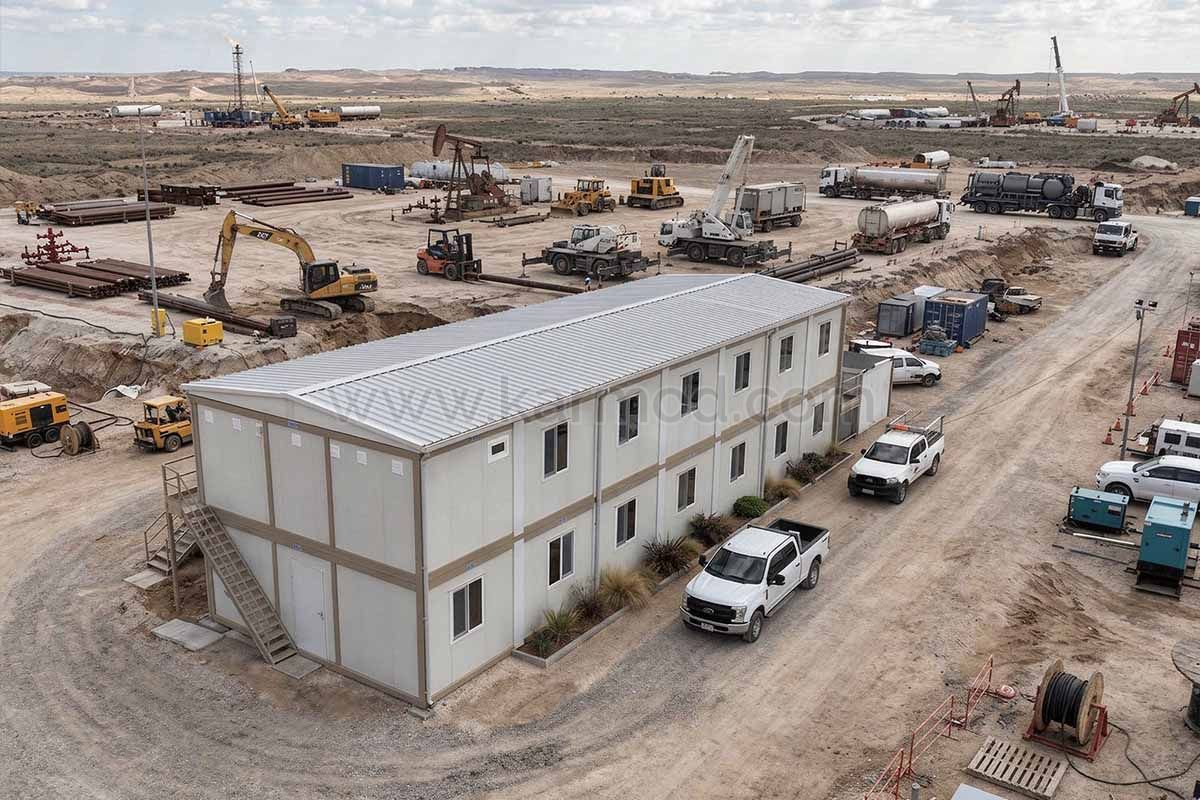
Bridge construction projects need organized worker facilities from the first day of mobilization. Whether the project involves a river crossing, a viaduct, a highway bridge, a coastal structure, or a large suspension system, teams must work close to heavy equipment, lifting operations, concrete works, steel assembly, and changing site conditions. For this reason, a bridge construction worker camp should be planned as a safe and functional base for both field crews and management teams.
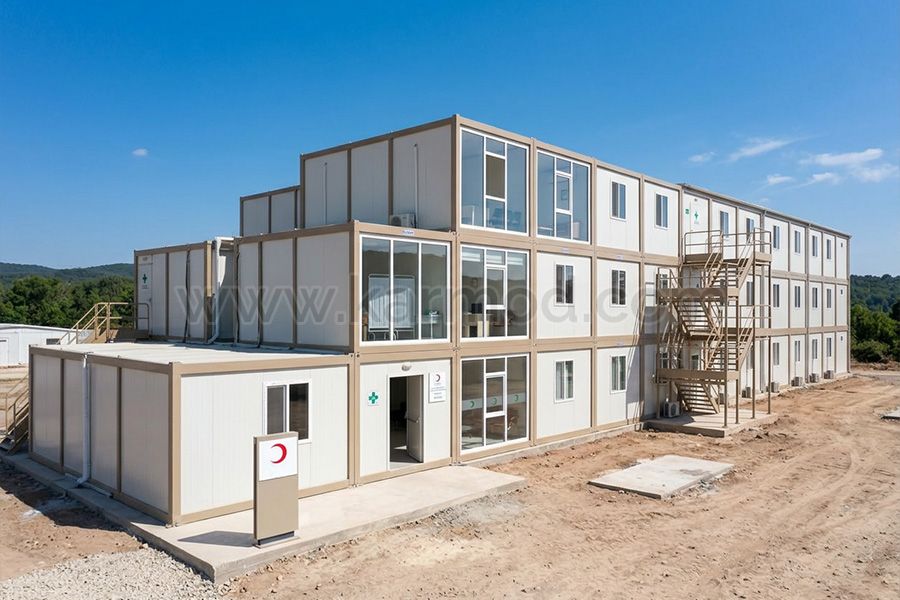
Modular camp buildings make this process faster and more flexible. They can be used for accommodation, offices, dining halls, sanitary units, storage areas, first-aid rooms, safety training spaces, and welfare facilities. Since bridge projects often progress in phases, modular buildings can be expanded, relocated, or adapted according to the changing needs of the construction site.
A bridge construction camp helps project teams stay close to the active work zone while reducing dependency on distant hotels, rented housing, or temporary local facilities. This is especially important for projects built over rivers, valleys, coastal areas, highways, or remote infrastructure corridors.
Bridge construction involves different specialist teams at different stages. Piling crews, crane operators, welders, formwork teams, concrete workers, surveyors, safety officers, and quality control teams may all need access to accommodation and site support facilities. A modular worker camp allows these teams to live, rest, eat, and coordinate near the project area.
The camp also improves daily organization. Workers can attend safety briefings on site, supervisors can manage shifts more easily, and project managers can respond faster to field requirements.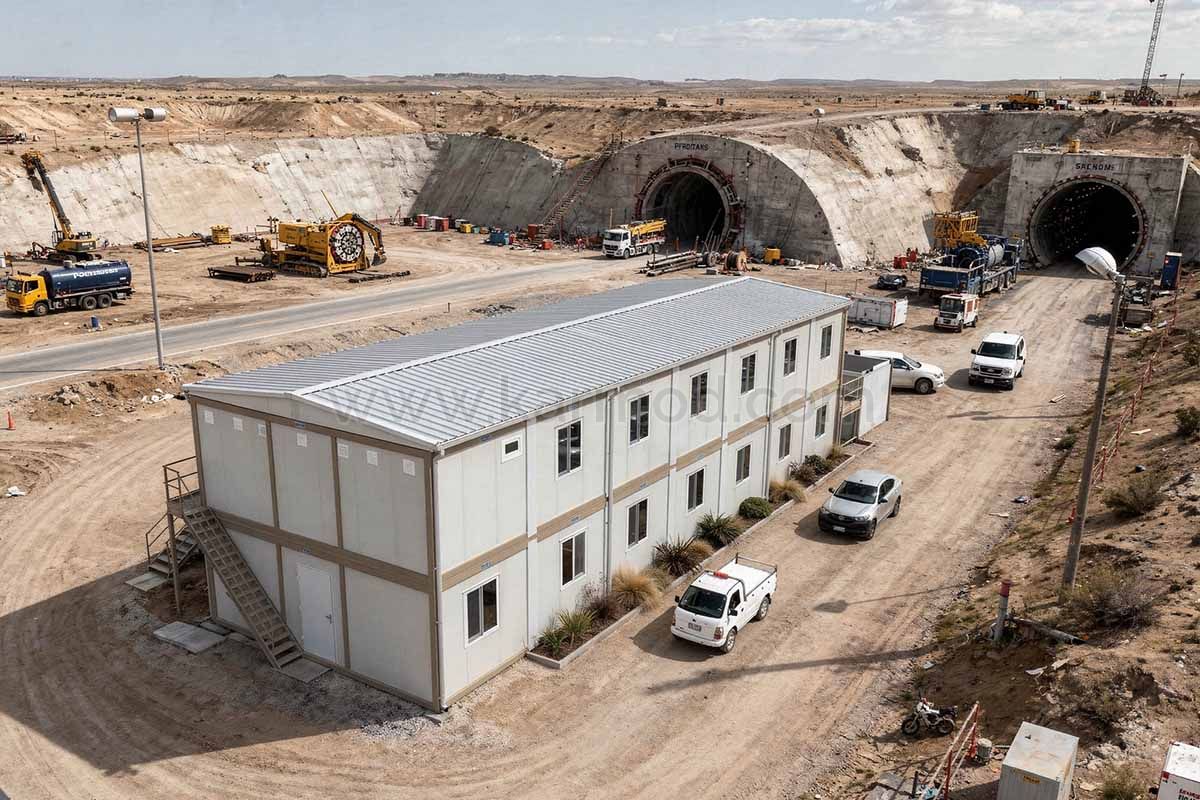
Large bridge worker accommodation must be designed for long working periods and demanding site conditions. Workers may spend long hours outdoors, often around heavy machinery, elevated work areas, water crossings, or traffic zones. After each shift, they need clean and comfortable spaces where they can rest and recover.
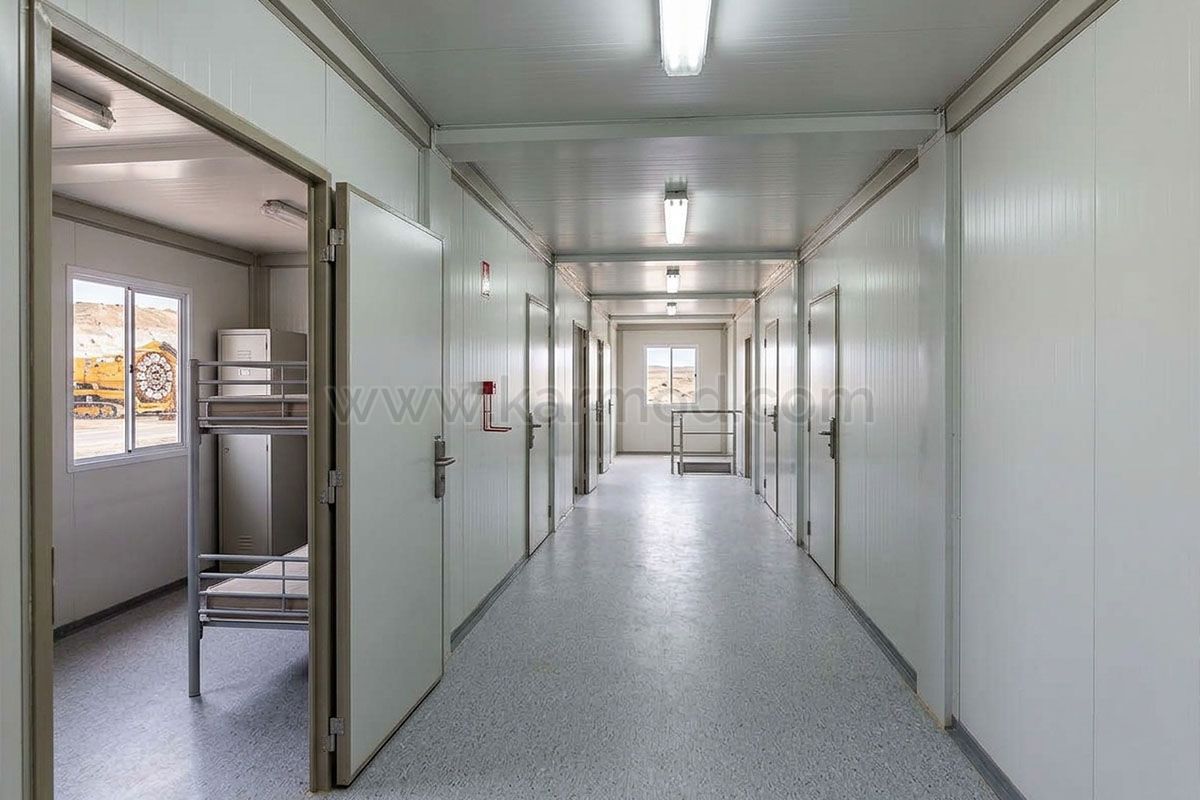
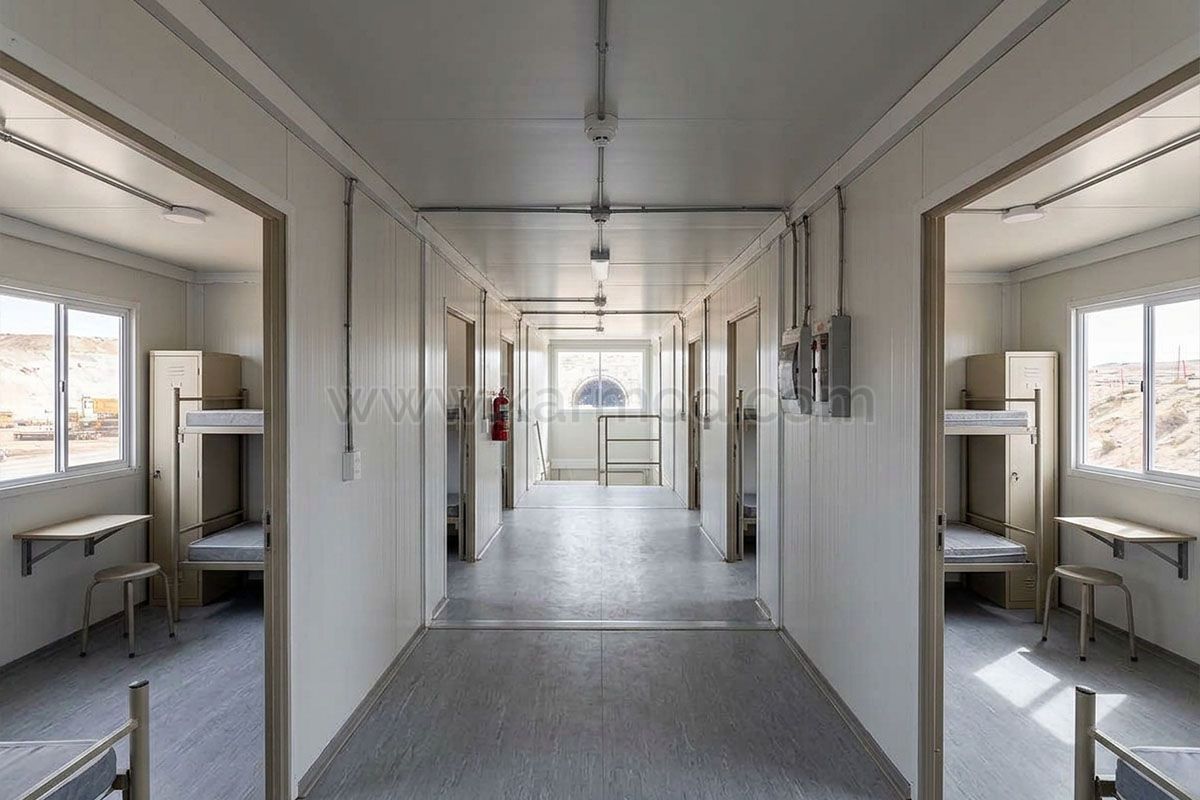
Accommodation units can be planned as shared rooms, dormitory-style spaces, or separate rooms for supervisors and technical staff. These units may include beds, lockers, lighting, heating, cooling, ventilation, electrical outlets, and bathroom options.
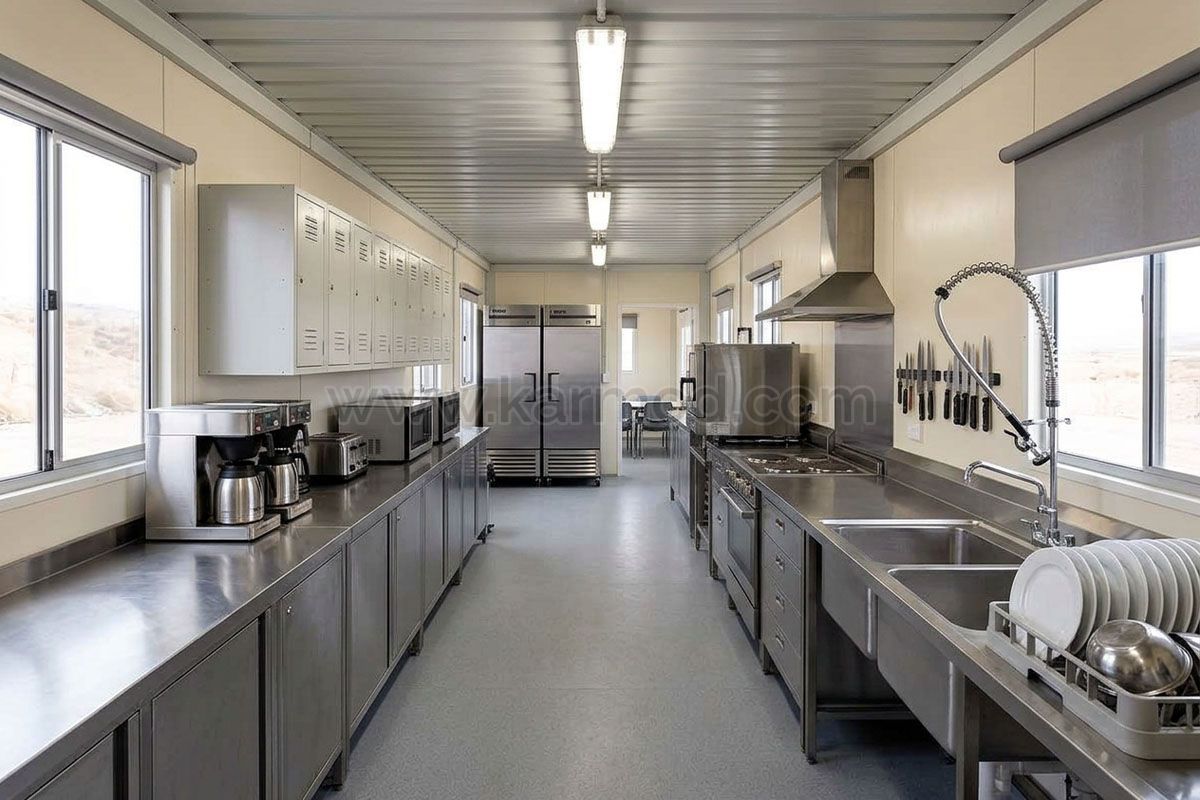
For larger bridge projects, accommodation areas are usually supported by dining halls, kitchens, laundry rooms, sanitary units, recreation areas, and first-aid rooms. This creates a complete living environment that supports worker welfare throughout the project.
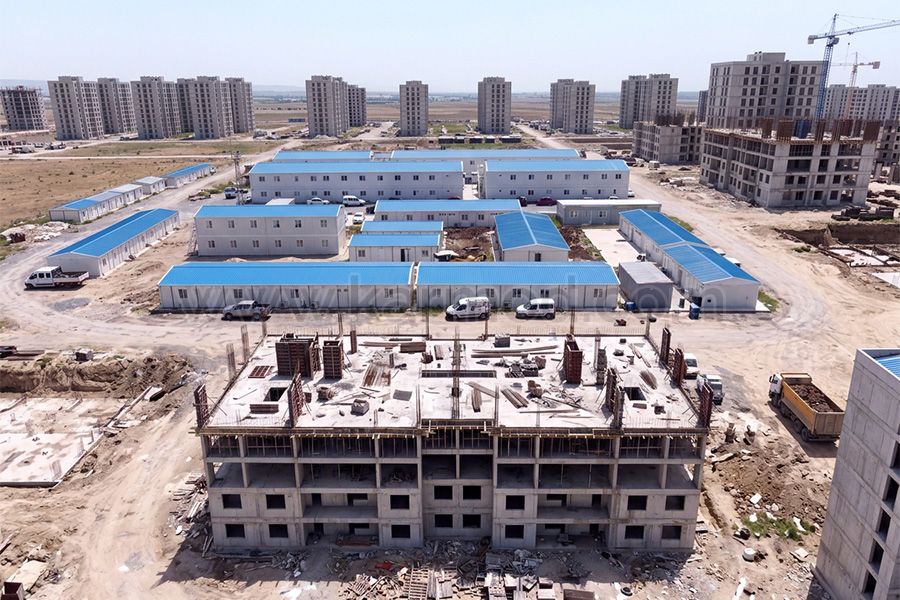
Viaduct project housing is often required along long infrastructure routes where construction activities may be spread across several sections. In these projects, workers may need to stay near the active section of the viaduct to reduce travel time and improve productivity.
Modular camp units can be placed near the work area and arranged according to the site layout. Accommodation blocks can be separated from offices, storage areas, equipment zones, and vehicle routes. This separation helps improve safety and makes the camp easier to manage.
Site facilities may include management offices, engineering rooms, meeting spaces, document control areas, sanitary buildings, dining spaces, storage containers, and security cabins. Together, these units form a practical base for the bridge and viaduct construction team.
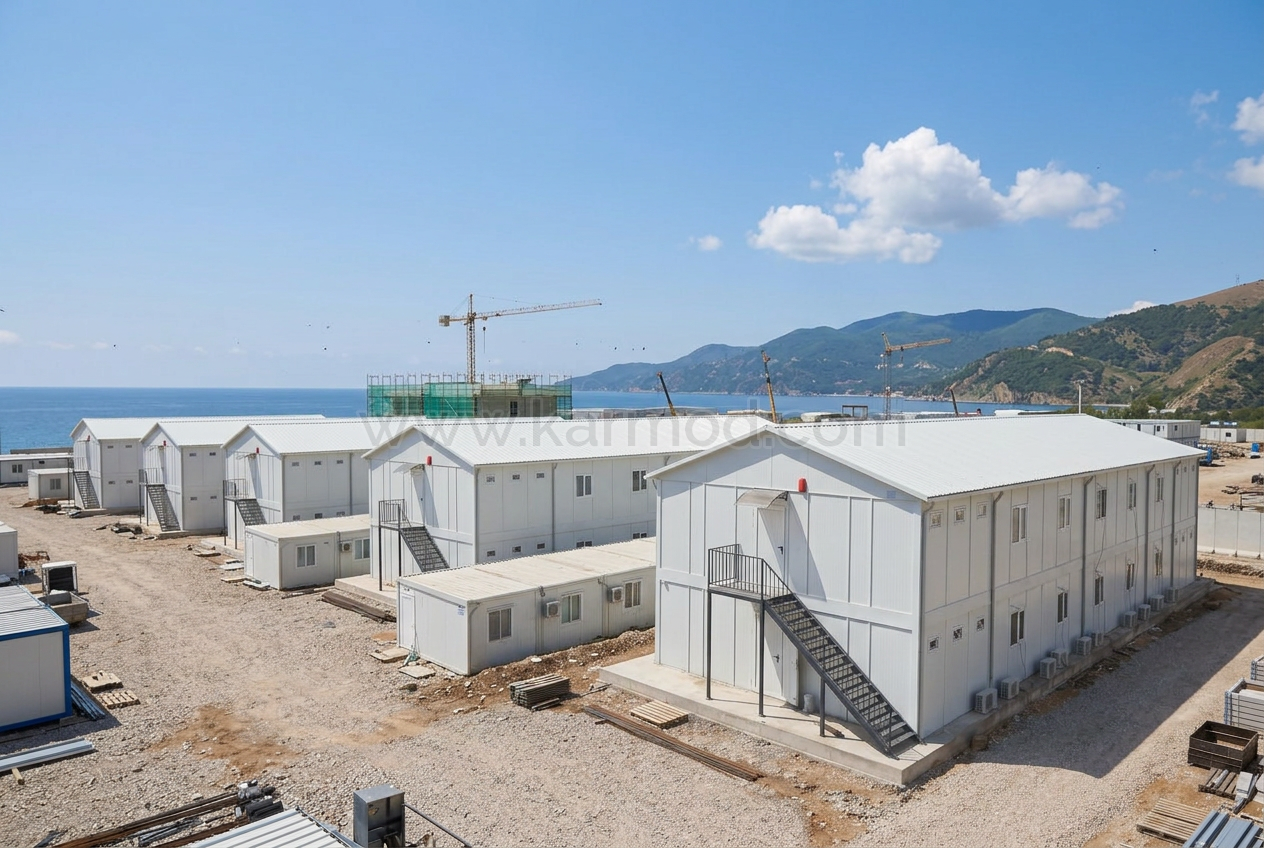
A river crossing project camp requires careful planning because the construction area may involve water-related risks, changing ground conditions, marine equipment, temporary platforms, cranes, barges, and environmental controls. The camp must support both land-based and water-side construction activities.
Camp placement should consider flood risk, river level changes, soil stability, drainage, access roads, and emergency evacuation routes. Accommodation and welfare areas should be located away from lifting zones, marine operations, heavy vehicle routes, and unstable ground.
A river crossing project camp may also need emergency response facilities, rescue equipment storage, medical rooms, communication systems, and safety coordination offices. These facilities help protect workers and support faster response during unexpected site events.


A bridge EPC modular building can support engineering, procurement, and construction activities in one organized office complex. EPC bridge projects require close coordination between design teams, site engineers, procurement staff, subcontractors, quality inspectors, and project managers.
Modular office buildings can include private offices, open work areas, meeting rooms, technical rooms, archive spaces, safety offices, and contractor coordination rooms. These spaces help teams manage drawings, schedules, inspection documents, material tracking, and daily reports.
Since EPC projects can change in scale during construction, modular buildings offer an important advantage. Additional units can be added during peak periods, while unused buildings can be removed or relocated when the project enters a smaller phase.
Safety is one of the most important parts of bridge camp planning. Bridge works may involve working at height, lifting operations, concrete pouring, welding, traffic management, marine activities, and changing weather conditions. The camp should be located and organized to reduce exposure to these risks.
Clear pedestrian routes, controlled entry points, lighting, emergency exits, fire safety equipment, signage, and safe vehicle circulation should be included in the camp layout. Accommodation and dining areas should be separated from active construction zones and machinery routes.
Welfare facilities are also essential. Clean toilets, showers, dining halls, laundry rooms, rest areas, medical support, and recreation spaces help workers maintain health and morale during long projects. A well-planned camp supports both worker comfort and better site discipline.
In order to serve you better, if you could kindly send an e-mail to info@karmod.com for questions and details about your theoretical and special architectural plans, projects, and product specifications, your request will be responded to as soon as possible.

From one end of the world to the other, we enable our customers to reach the ready-made construction sector produced with the new technology of the world. We guarantee reliability through technology and innovation, flexible commercial models and smart supply chain solutions that add value for you, following the project production network.
Discover
Karmod is one of the largest prefabricated construction companies in Turkey, with a production of 45,000 m2. produces high quality prefabs and prefab containers