EN
EN 


Straddling Europe and Asia, Turkey connects major trade corridors between the Black Sea, the Mediterranean, and the Middle East. From the coastal belts around the Aegean and Mediterranean to the high plateaus of Central Anatolia and the humid Black Sea region, the country’s geography creates distinct climate demands for the built environment. Turkey’s diversified economy—driven by manufacturing, logistics, construction, agriculture, tourism, and energy—also creates constant pressure for facilities that can be delivered quickly, scaled efficiently, and maintained reliably.
That is why container-based solutions are becoming a practical route for many projects: container buildings for sites and operations, Turkey container homes for housing needs, and modular construction for rapid deployment across cities, industrial zones, ports, and remote regions. When designed as modular container buildings with engineering-grade insulation, corrosion protection, and climate-resistant detailing, prefabricated container systems can align with Turkey’s varied weather patterns and fast-moving commercial timelines.


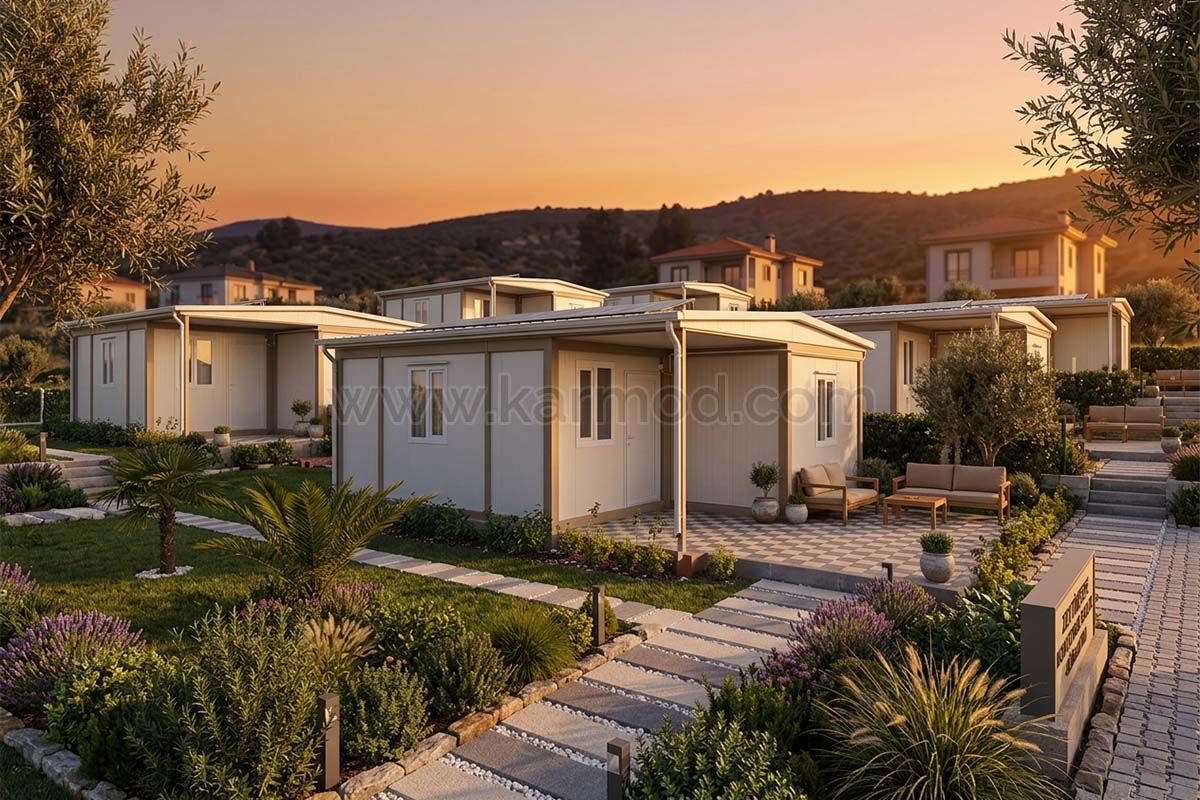
Turkey container homes reflect a broader shift toward smarter land use and faster project delivery. Container-based residential units work well when the goal is to control quality, standardize performance, and shorten the time between design and occupancy. With a modular approach, layouts can be configured for compact studios, family units, or multi-unit compounds while preserving consistent specifications across locations.
Sustainability is one of the driving forces behind Turkey container homes. By using prefabricated container systems manufactured under controlled factory conditions, material waste is minimized and quality is consistently monitored. High-performance insulation panels, thermal break details, and optimized window placement improve energy efficiency in both hot Mediterranean summers and colder continental winters.
Affordability is another decisive factor. Compared to conventional construction, modular container buildings reduce on-site labor, shorten construction schedules, and allow parallel production and site preparation. This results in predictable budgeting and faster returns for investors. Flexibility also plays a central role: units can be expanded horizontally or vertically, relocated if needed, or reconfigured to meet evolving residential demands.
Climate suitability is critical in Turkey. From humid coastal regions to dry inland zones, climate-resistant container buildings are engineered with corrosion-protected steel frames, insulated wall systems, and roofing assemblies designed to handle temperature variation, wind exposure, and seasonal rainfall. This ensures long-term durability without compromising interior comfort.
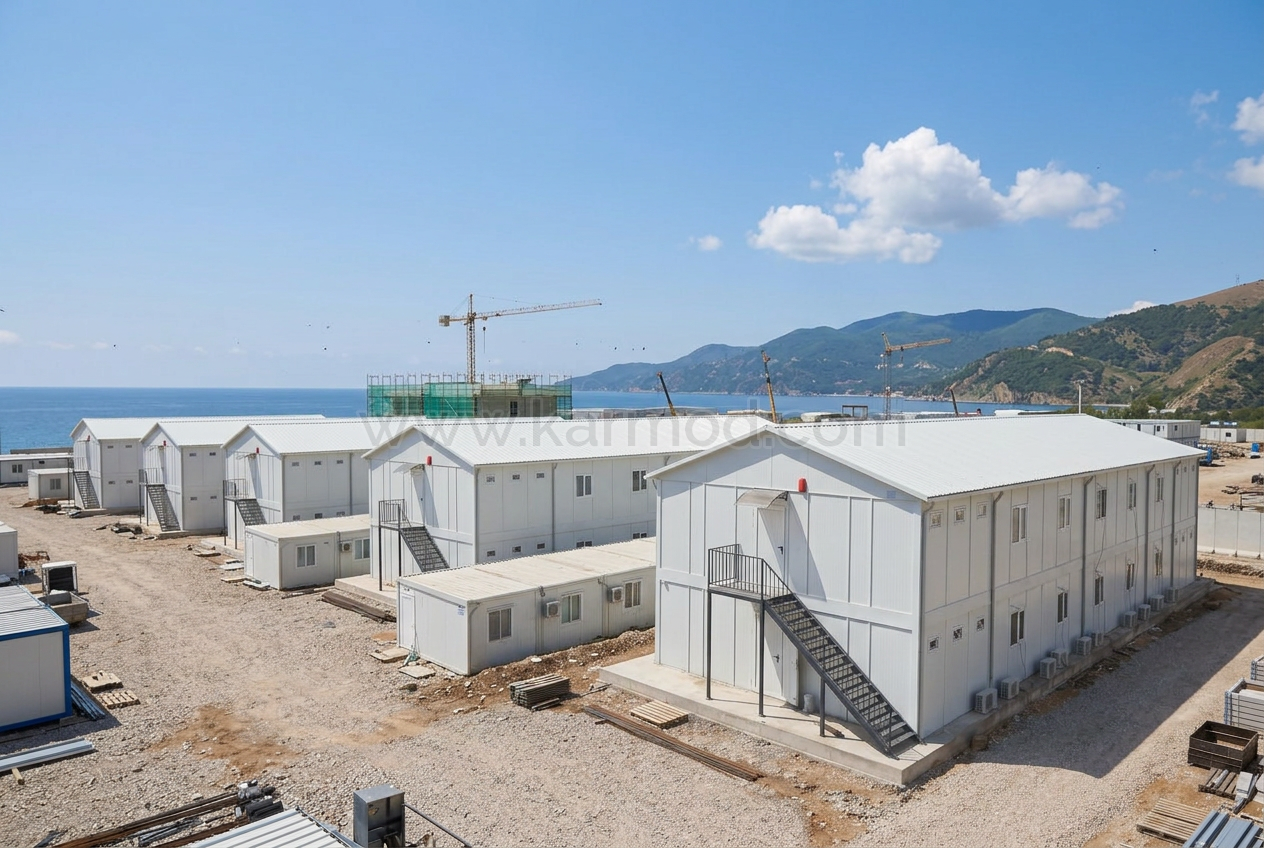
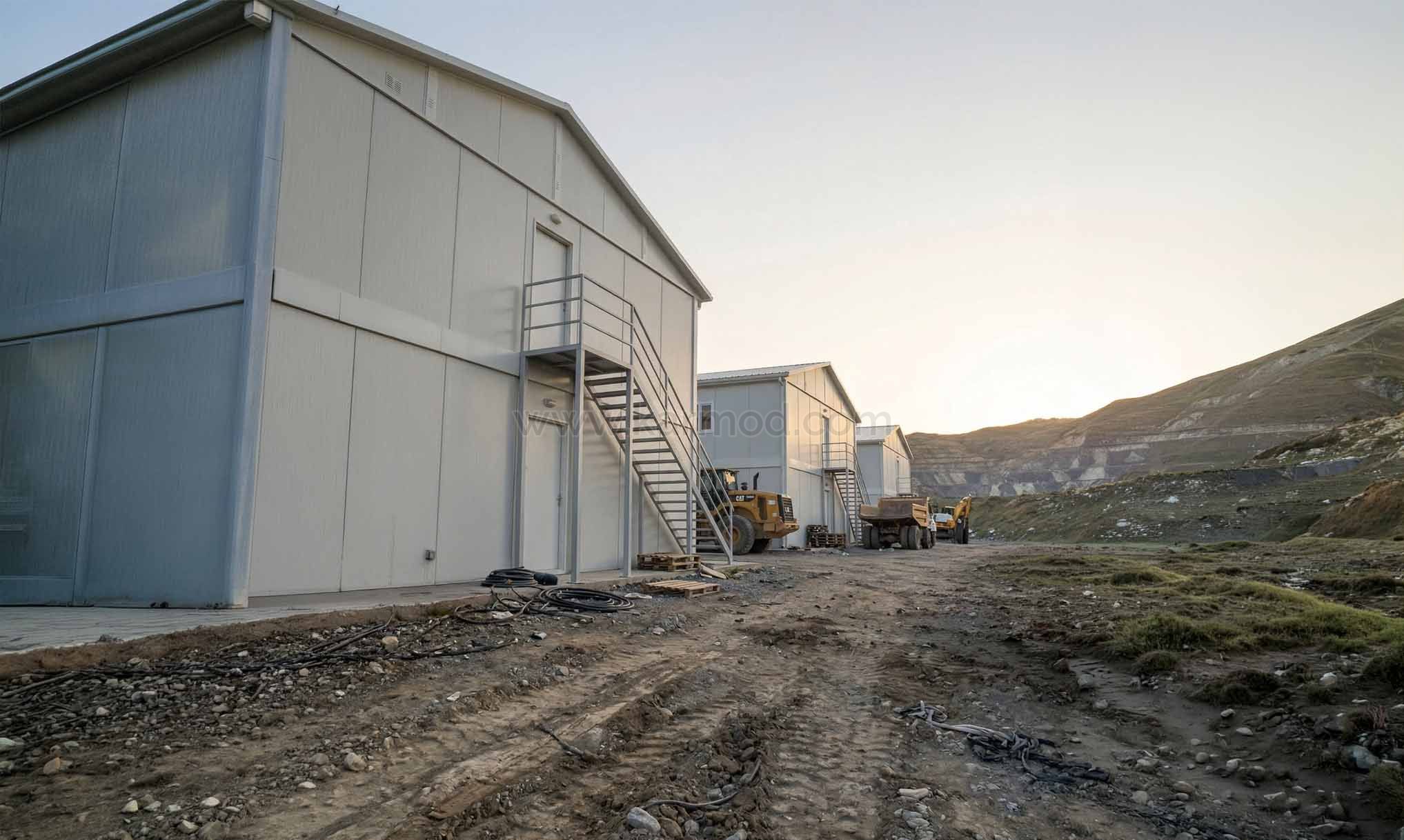
Turkey container storage solutions are widely used across mining, agriculture, logistics, and construction sectors. In mining regions and infrastructure projects, secure and relocatable storage units protect equipment, spare parts, and sensitive materials under demanding site conditions. Reinforced steel structures and lockable systems provide high levels of security in remote environments.
In agriculture, modular storage containers support seasonal operations by offering protected environments for tools, packaged goods, and temporary supplies. For logistics companies operating through ports and inland distribution hubs, prefabricated container systems serve as scalable storage extensions that can be deployed quickly during peak demand.
Construction sites across Turkey benefit from container storage solutions that can be delivered ready-to-use, positioned easily, and relocated as projects progress. Their mobility reduces material loss and enhances site organization. Designed as climate-resistant container buildings, these units withstand heat, dust, humidity, and heavy use while maintaining structural integrity.
When evaluating Turkey container buildings, engineering reliability and production consistency are essential. Karmod’s manufacturing approach emphasizes standardized quality control, precision steel fabrication, and advanced surface protection systems tailored to diverse climatic conditions across Turkey.
By integrating structural analysis, insulation engineering, and modular coordination into each project, Karmod ensures that container homes, container offices, and container storage solutions meet both functional and environmental performance requirements. Climate-resistant container buildings are produced with corrosion-resistant coatings, insulated sandwich panels, and optimized joinery details that enhance long-term durability.
Customization is managed within a controlled production framework. This allows projects to be adapted for different industries while maintaining structural safety, transport efficiency, and rapid installation on site. The result is a reliable supply of modular container buildings aligned with Turkey’s industrial and commercial growth.
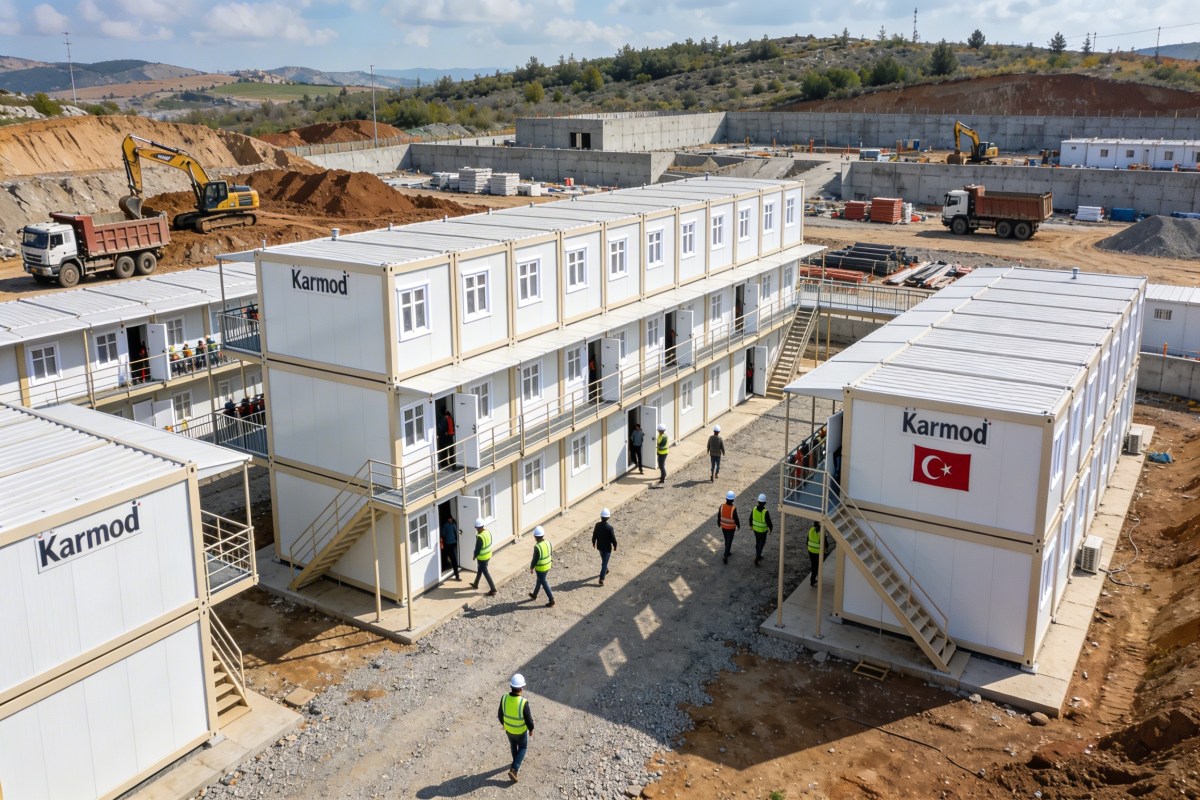
Turkey container offices offer adaptable workspaces for construction sites, industrial facilities, energy projects, and corporate campuses. Designed with modular coordination principles, these units can function as standalone offices or multi-story administrative complexes.
With container office systems, interior layouts can include meeting rooms, open-plan workspaces, management offices, rest areas, and sanitary facilities. As business operations expand, additional modules can be integrated seamlessly, ensuring scalability without disrupting ongoing activities.
Cost control is a major advantage. Prefabricated container systems reduce construction timelines and limit unexpected site-related expenses. At the same time, thermal insulation, ventilation planning, and energy-efficient glazing improve comfort and operational efficiency. Turkey container offices therefore combine mobility, flexibility, and long-term economic value.


Commercial developments across Turkey increasingly incorporate modular container buildings to create business centers, showrooms, service facilities, and mixed-use complexes. These structures allow phased expansion, enabling investors to align construction stages with market growth.
Turkey container buildings used for commercial purposes are engineered for structural stability, façade customization, and interior adaptability. Whether positioned in industrial zones or urban districts, prefabricated container systems provide efficient space utilization and predictable project timelines.
Turkey container homes principles are also applied to retail design, giving rise to container shops and retail clusters that can be deployed rapidly in city centers, coastal areas, or event spaces. Pop-up concepts benefit from modularity, allowing businesses to test markets with limited initial investment.
Retail units built as modular container buildings offer strong branding flexibility through exterior cladding options, glazing configurations, and signage integration. As commercial needs evolve, additional modules can be added to create larger retail environments or reorganized into compact, high-traffic layouts.
Rapid urbanization in major Turkish cities has intensified the search for efficient housing models. Turkey container homes configured as apartment blocks offer a practical response to housing shortages and temporary accommodation needs. Multi-unit layouts can be arranged around shared courtyards or stacked vertically to optimize land use.
These climate-resistant container buildings integrate insulation systems, acoustic treatments, and mechanical infrastructure to meet long-term residential standards. Community-oriented designs may include shared terraces, circulation corridors, and communal facilities, supporting both functionality and social interaction.
Beyond housing and commercial use, Turkey container buildings support public and institutional projects such as schools, training centers, mobile clinics, and community facilities. Prefabricated container systems enable rapid response to regional development needs, disaster recovery requirements, and infrastructure expansion.
Educational units can be configured with classrooms, administrative rooms, and sanitary facilities. Healthcare containers can include examination rooms and waiting areas, designed for hygiene and operational efficiency. Community centers benefit from modular container buildings that can be expanded as participation grows.
Across sectors, Turkey container storage solutions, Turkey container offices, and Turkey container homes illustrate how modular construction can deliver reliable, scalable, and climate-adapted spaces. By combining engineering discipline with flexible design, prefabricated container systems continue to shape a practical and forward-looking construction approach throughout Turkey.
In order to serve you better, if you could kindly send an e-mail to info@karmod.com for questions and details about your theoretical and special architectural plans, projects, and product specifications, your request will be responded to as soon as possible.

From one end of the world to the other, we enable our customers to reach the ready-made construction sector produced with the new technology of the world. We guarantee reliability through technology and innovation, flexible commercial models and smart supply chain solutions that add value for you, following the project production network.
Discover
Karmod is one of the largest prefabricated construction companies in Turkey, with a production of 45,000 m2. produces high quality prefabs and prefab containers