EN
EN 


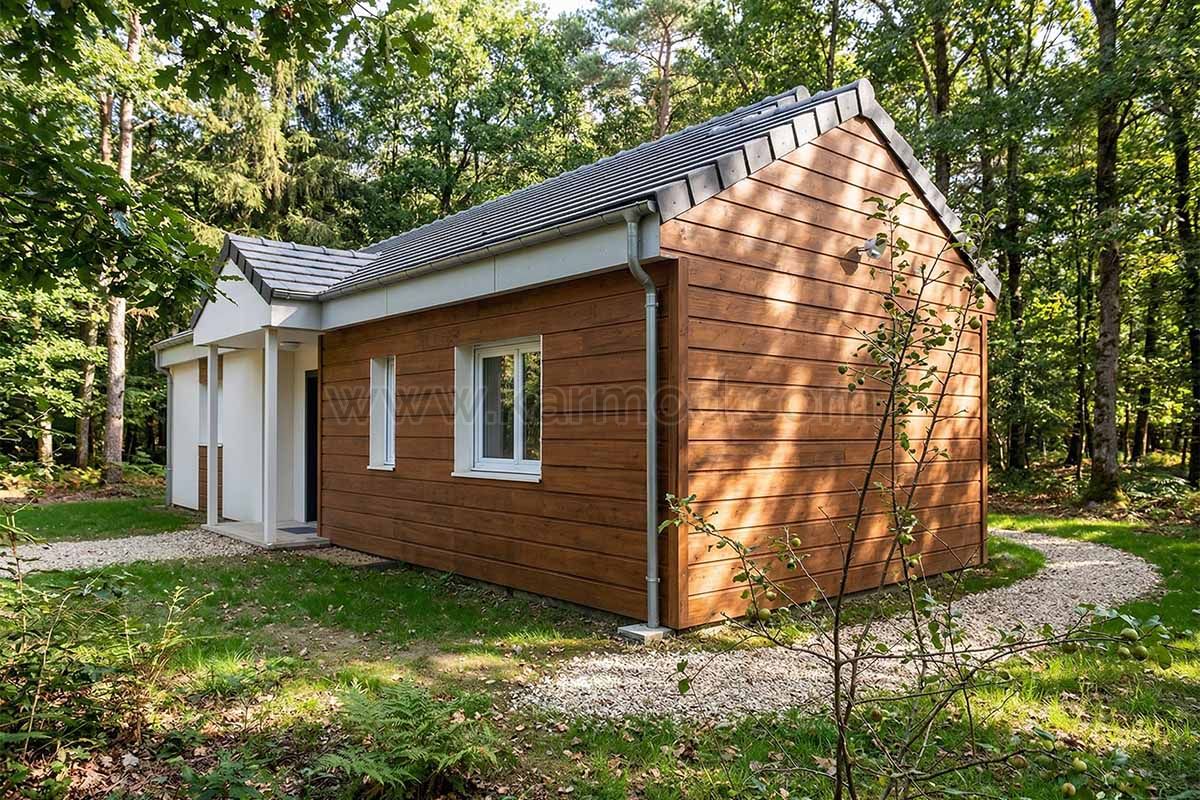
Tiny houses have become a global symbol of minimalist, affordable, and sustainable living. They promise freedom—freedom from high mortgages, clutter, and the excesses of traditional housing. Yet, as thousands of new owners discover, the journey toward tiny house living comes with its own set of unique challenges. From legal barriers to comfort issues, each obstacle requires thoughtful planning and the right construction approach.
Understanding these challenges early helps future owners make smarter, cost-effective decisions—especially when choosing a prefabricated or modular model that already solves many of these problems. Whether you’re planning a countryside escape, a backyard ADU, or a mobile living solution, knowing what to expect makes the transition smoother and more rewarding.
Now let’s explore the top five real-world challenges tiny house owners face—and how the right design, materials, and prefabrication partner can turn those hurdles into long-term advantages.
For many aspiring tiny house owners, the first major challenge begins long before construction—the legal and zoning framework. Local regulations often classify tiny houses differently depending on their structure: some are viewed as recreational vehicles (if built on wheels), while others qualify as permanent dwellings (if built on foundations). This classification determines where and how you can legally live in your unit.
In urban and suburban areas, zoning codes can restrict where a tiny house can be placed. Some municipalities require specific land-use permits, while others only allow tiny homes as Accessory Dwelling Units (ADUs) or within designated mobile home zones. Researching these details early prevents costly relocation or redesign issues later on. Working with a prefab manufacturer familiar with local regulations can save significant time and ensure your investment complies with all housing standards.
Key legal steps to prepare for:
A professionally managed prefab project simplifies this entire process. Reputable manufacturers design according to zoning requirements and help secure compliance certificates, allowing you to move in without bureaucratic stress.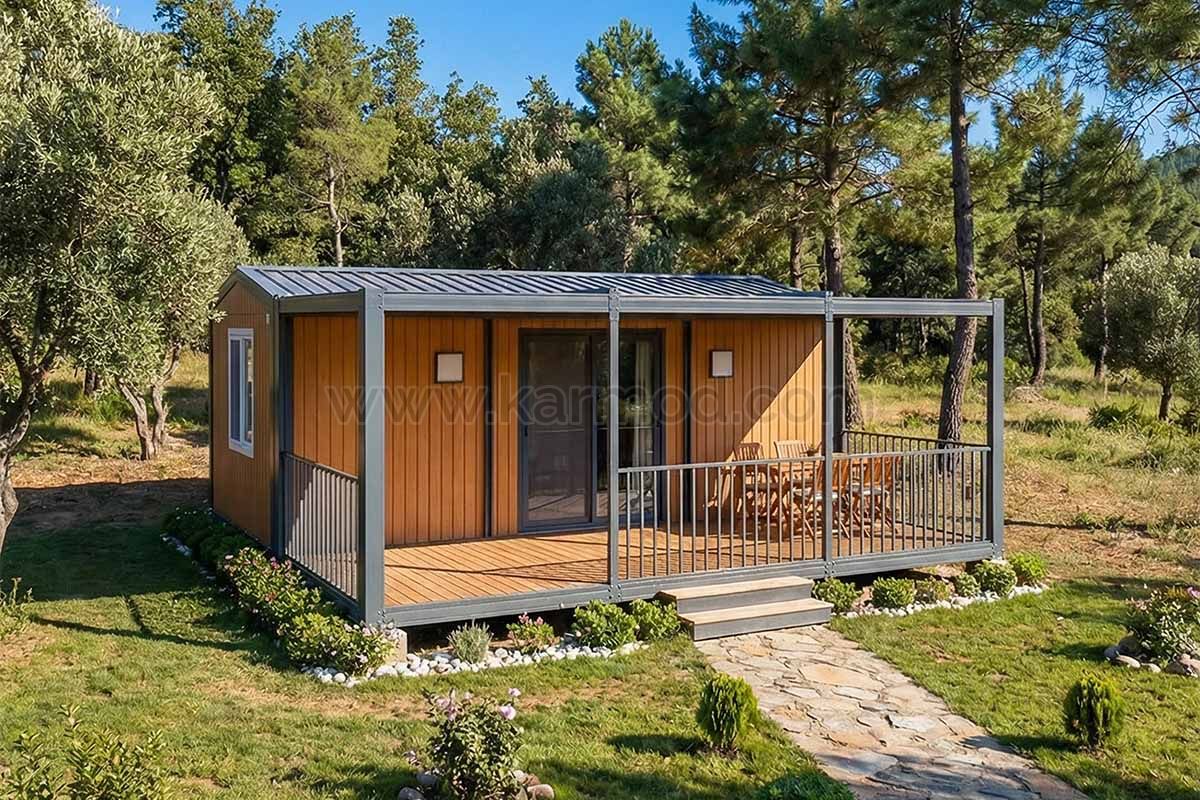
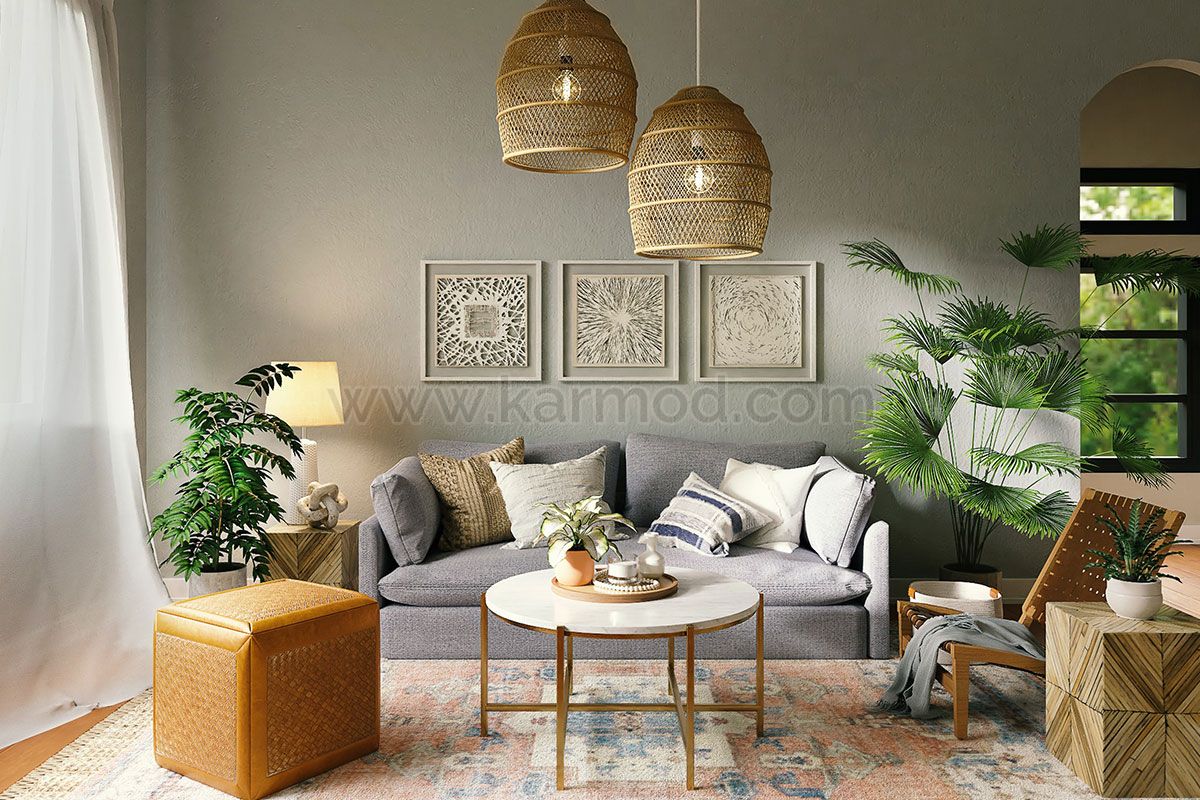
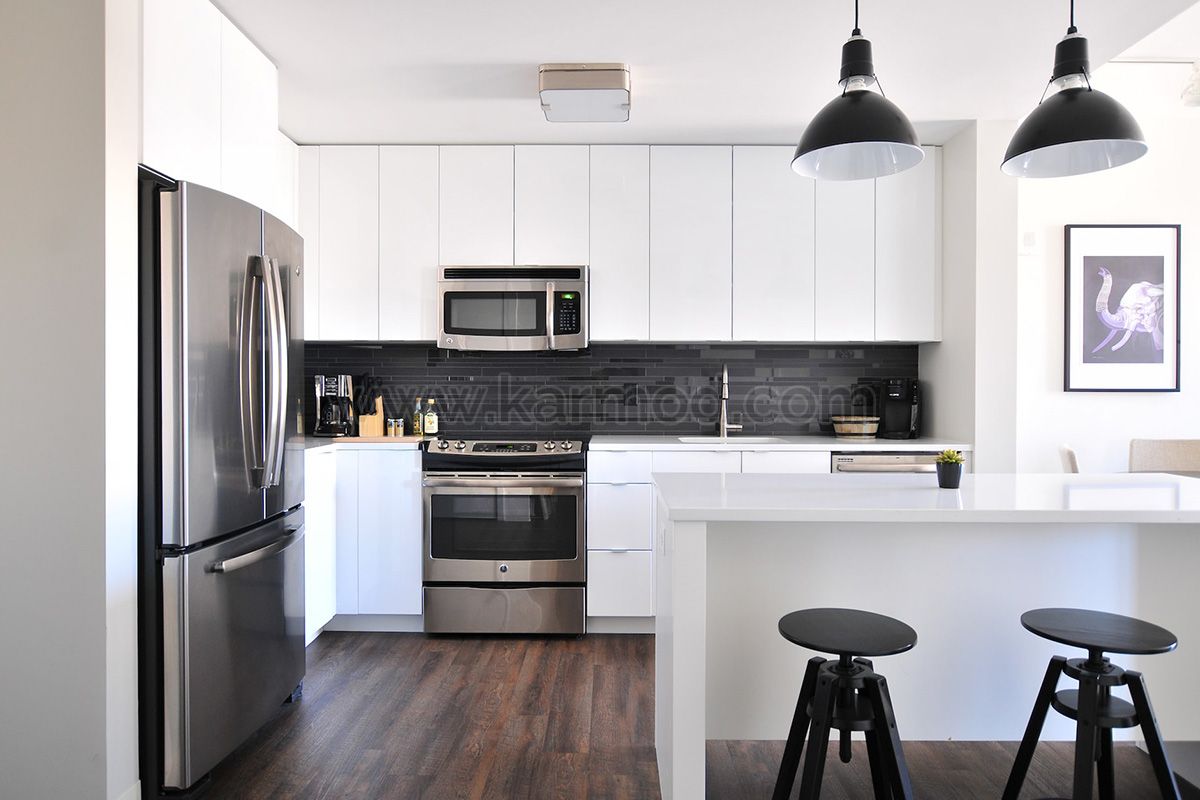
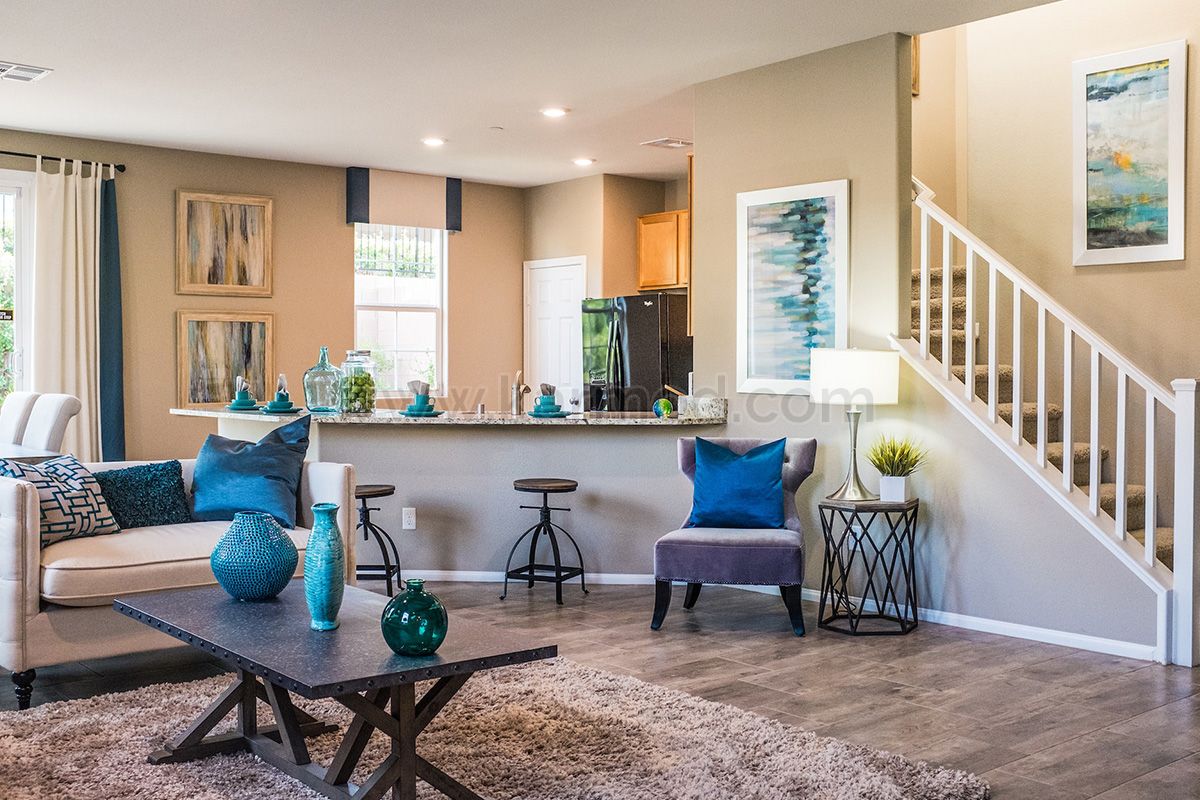
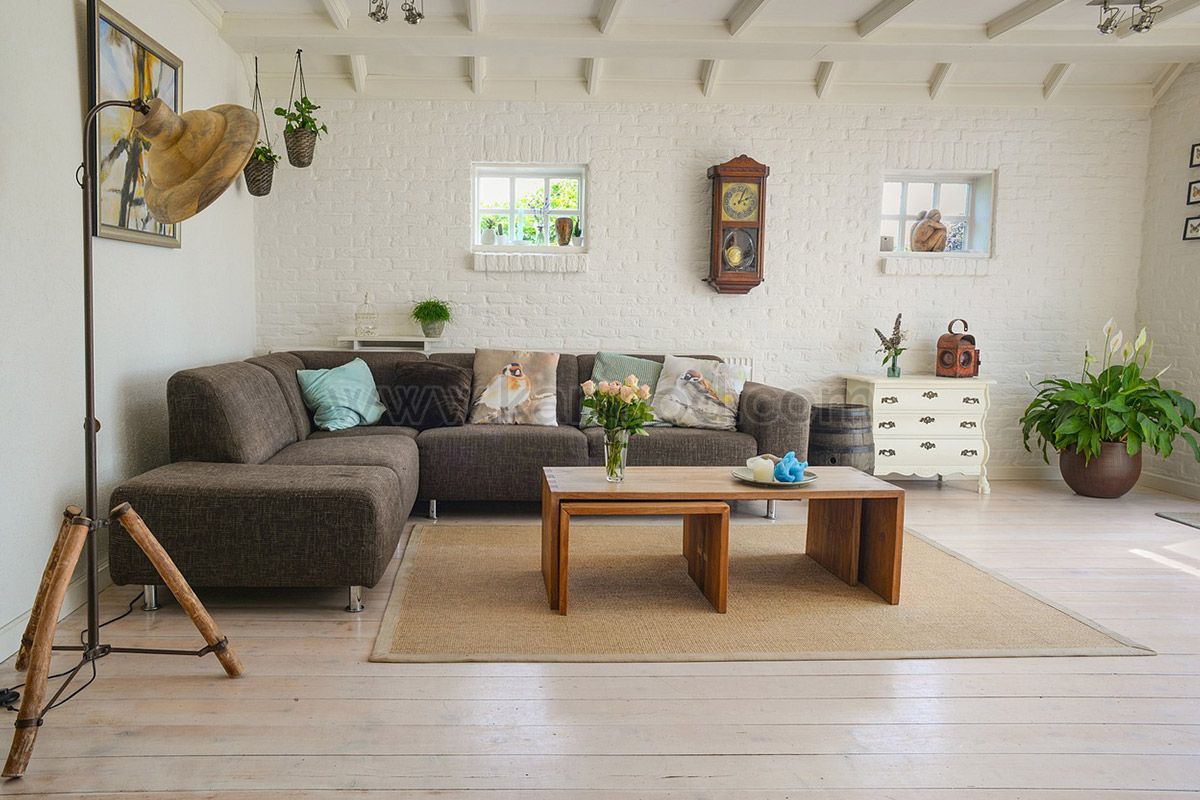
Living in a tiny house requires more than just reducing possessions—it demands strategic design thinking. Every square meter must serve multiple purposes without making the interior feel cramped. Owners quickly realize that traditional furniture and layouts simply don’t work in compact spaces. The secret lies in multi-functional furniture, clever circulation planning, and vertical design that draws the eye upward, creating a sense of openness.
Professionally prefabricated tiny houses often solve this issue from the start. Built-in seating that hides storage, convertible beds, and fold-out kitchen counters are not just aesthetic touches—they are essential space-saving solutions. Moreover, careful placement of windows, doors, and partitions makes a small home feel surprisingly spacious. A well-designed prefab model can provide the same comfort as a larger home while maintaining efficiency and balance.
Smart design features that make a big difference:
With these design principles, even a 20-square-meter home can feel generous, organized, and livable. By investing in a customized modular layout, tiny house owners can enjoy practical luxury without sacrificing mobility or affordability.
Comfort is one of the biggest challenges in tiny house living—especially when it comes to temperature control and humidity management. Because of their compact size, tiny homes heat up and cool down faster than traditional houses. Without proper insulation and ventilation, they can quickly become too hot in summer or too damp during rainy seasons. Moisture accumulation can lead to mold, odor, and material damage, all of which reduce the lifespan of your investment.
High-quality prefab tiny houses are engineered with climate-specific insulation systems. This means materials and wall layers are selected based on whether the structure will stand in a cold mountain zone, a humid coastal area, or a dry inland region. Proper ventilation is also critical; continuous airflow keeps indoor air fresh and prevents condensation behind walls. Using energy-efficient windows, vapor barriers, and acoustic insulation can transform a small space into a quiet, cozy, and durable home.
Essential comfort checklist for tiny house owners:
Choosing a prefabricated model with tested thermal systems ensures year-round comfort with minimal energy use. This combination of insulation, ventilation, and soundproofing creates a peaceful environment where you can live efficiently without sacrificing comfort.
Utility management is another key challenge for tiny house owners. Because these homes can be mobile, rural, or even entirely off-grid, planning how to power, supply, and drain your home becomes essential. Electricity, water, and waste systems must be efficient, low-maintenance, and suited to your location. For on-grid installations, connecting to local utilities may require permits or upgrades to handle power loads. Off-grid owners, on the other hand, must design self-sustaining systems that deliver comfort without relying on municipal networks.
Modern prefab tiny houses can easily integrate both systems. For grid-connected models, hidden wiring, plumbing conduits, and quick-connect fittings simplify installation. For off-grid lifestyles, adding solar panels, batteries, and rainwater harvesting systems ensures complete independence. Smart waste solutions—such as composting toilets and greywater recycling systems—make it possible to live comfortably even in remote environments.
Quick guide to setting up your utilities:
When these systems are pre-engineered in a turnkey prefabricated model, owners can move in instantly—without the delays or risks of DIY installation. This is what makes modern prefab designs ideal for both urban plug-in living and remote off-grid adventures.
While tiny houses are celebrated for being budget-friendly, financing and long-term value can be surprisingly complex. Unlike conventional homes, tiny houses—especially mobile or hybrid ones—don’t always fit traditional mortgage categories. Many banks still classify them as RVs or personal property, which limits access to long-term, low-interest financing. This makes it essential for buyers to partner with manufacturers who can provide proper documentation and certifications, proving the unit’s construction quality and safety compliance.
Insurance poses similar challenges. Policies vary depending on whether your unit is mobile, semi-permanent, or built on a foundation. Coverage can be harder to find for off-grid or movable units, but specialized insurers are emerging for prefabricated and modular housing. Getting a professional prefab model with engineering certificates and fire-safety reports not only makes insurance easier but also increases the resale value of your home.
Key financial tips for tiny house owners:
By securing the right financing and insurance early, you protect your investment and position your tiny house as a valuable, tradable asset—not just a lifestyle choice. Prefabricated models built to international standards stand out in the resale market, offering both peace of mind and stronger returns.
Many first-time tiny house owners overlook how local climate and site conditions affect long-term comfort and durability. What feels like a perfect countryside setting may expose the home to unexpected challenges—such as strong coastal winds, humidity, snow loads, or extreme heat. A lightweight structure reacts quickly to temperature shifts, and without proper design measures, this can lead to discomfort or damage over time. Prefabricated tiny houses built with steel frames, treated panels, and weatherproof coatings offer stronger protection across diverse environments.
Site logistics also matter more than most anticipate. Delivering and placing a tiny home requires clear access roads, leveled ground, and safe utility connections. Urban lots might limit delivery routes, while rural areas can require longer utility lines or off-grid solutions. A professional modular manufacturer typically handles site assessment, delivery planning, and installation coordination, ensuring your home is not only beautiful but also optimally positioned for drainage, sunlight, and wind direction.
Key environmental factors to evaluate before setup:
A climate-aware design dramatically extends the lifespan of a tiny house and ensures energy efficiency year-round. Owners who take these steps early enjoy fewer repairs, greater comfort, and better resale appeal—no matter where they live.
Owning a tiny house should feel like freedom, not frustration—and that’s exactly what professional prefabrication solutions deliver. When you partner with an experienced modular housing manufacturer, every stage of the process—Design → Fabrication → Delivery → Installation—is handled systematically. This turnkey approach removes uncertainty, minimizes delays, and ensures compliance with both structural and legal requirements. You don’t just get a small home; you get a complete living solution that’s engineered for durability, comfort, and efficiency.
A well-organized prefab project starts with digital design and precision fabrication. Walls, roofs, and floor panels are pre-engineered using certified materials, then assembled under factory-controlled conditions. Once delivered, professional crews handle installation in days, not months. Clients also benefit from clear documentation—zoning approvals, engineering reports, energy certificates, and safety documentation—which simplifies insurance and resale.
Advantages of professional prefab processes:
Choosing a reliable manufacturer eliminates the guesswork from tiny house ownership. You gain not only a durable, modern space but also the assurance that your investment is protected from start to finish.
Many buyers are drawn to tiny houses because of their affordable entry cost, but the final price depends on several interconnected factors. The total cost is shaped by the size, structural material, design complexity, and finishing quality. A simple steel-framed model with standard insulation will cost far less than a custom-designed home with solar panels, luxury finishes, and integrated smart systems. Prefabricated production keeps prices consistent and transparent, avoiding the unpredictable expenses of on-site builds.
Beyond initial purchase, the total cost of ownership—including energy use, maintenance, and transportation—should also be considered. Energy-efficient models with good insulation and renewable power sources (like solar panels or battery packs) drastically reduce utility bills. Similarly, low-maintenance materials such as galvanized steel, composite panels, and PVC windows help preserve long-term value without costly repairs.
Top factors that influence your tiny house budget:
Understanding these cost drivers helps buyers invest wisely. Partnering with a transparent prefab manufacturer allows you to compare models, customize features, and stay within budget while still achieving a stylish, comfortable, and durable home.
Tiny houses are no longer limited to off-grid enthusiasts—they’ve become flexible, income-generating solutions for students, travelers, workers, and families alike. Many owners are discovering that with the right design, a tiny house can serve as more than just a residence; it can become a rental unit, a studio, or a remote workspace that quickly pays for itself. Prefabricated units make this even easier, as they arrive fully equipped for comfort, energy efficiency, and quick setup.
Student housing is one of the fastest-growing segments for tiny homes. Universities and private landlords are adopting prefab models to create compact, affordable student villages. Similarly, workforce and oil field housing demand sturdy, portable solutions that can withstand heavy use and frequent relocation. And in the tourism sector, tiny house resorts and eco-lodges are thriving because they combine luxury and minimalism while keeping operational costs low.
By choosing a modular system, property owners can quickly scale up or repurpose their investment based on demand. The same tiny house that serves as a rental unit today can be transformed into a home office or guest suite tomorrow—offering both flexibility and profit potential.
Popular and profitable applications include:
When designed and built professionally, a tiny house is not just an affordable living solution—it’s a versatile, high-return investment that continues to generate value in multiple ways.
Step into a new way of living — compact, elegant, and designed for real freedom. Our modular and prefabricated tiny houses combine modern design with engineering precision to give you a home that’s affordable, durable, and ready anywhere you are. Whether you’re building for personal living, rental income, or an off-grid retreat, we make the process seamless from start to finish.
Why choose our modular tiny homes:
Your dream of minimal, modern, and meaningful living starts here. Let’s build your tiny house today — crafted for comfort, engineered for life.
In order to serve you better, if you could kindly send an e-mail to info@karmod.com for questions and details about your theoretical and special architectural plans, projects, and product specifications, your request will be responded to as soon as possible.

From one end of the world to the other, we enable our customers to reach the ready-made construction sector produced with the new technology of the world. We guarantee reliability through technology and innovation, flexible commercial models and smart supply chain solutions that add value for you, following the project production network.
Discover
Karmod is one of the largest prefabricated construction companies in Turkey, with a production of 45,000 m2. produces high quality prefabs and prefab containers