EN
EN 


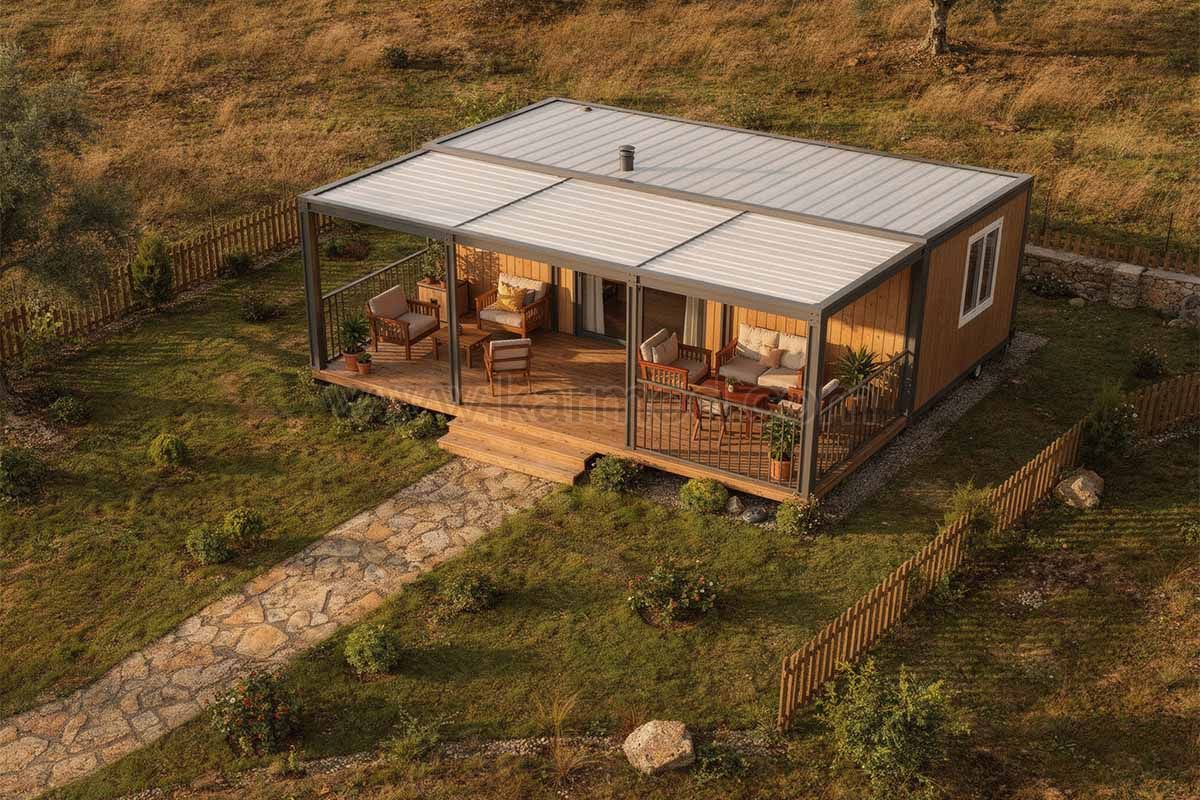
Tiny houses have never been just about square meters. They are about intention, freedom, and intelligent design choices that make every inch count. As we move into 2026, the way homeowners approach tiny house design colors is shifting dramatically. Color is no longer a decorative afterthought—it is a strategic tool that influences mood, perception of space, resale value, and even buyer decisions.
If you’re planning to build, renovate, or invest in a tiny home, understanding the 2026 tiny house color trends could be the difference between blending in and standing out. The right palette does more than look good in photos; it makes a small space feel expansive, warm, and irresistibly livable. Let’s explore the colors that will define the tiny house movement in 2026—and how you can use them to create a home that truly sells itself.
The sterile whites and cold grays that dominated past years are giving way to warmer, earth-inspired tones. In 2026, earthy neutral colors for tiny houses are leading the way. Think soft clay beige, muted sand, warm taupe, and creamy limestone. These shades bring calm without making the space feel flat or lifeless.
These tones work exceptionally well in compact spaces because they create visual continuity. When walls, cabinetry, and built-ins share a warm neutral base, the space feels cohesive and larger than it actually is. Designers are pairing these neutrals with natural wood textures, matte black fixtures, and woven fabrics to create a grounded, welcoming atmosphere.
From a resale and marketing perspective, neutral tiny house interiors appeal to a broader buyer pool. They allow potential homeowners to imagine their own personality within the space. If you're building to sell or rent, this palette increases perceived value while maintaining a sophisticated look.
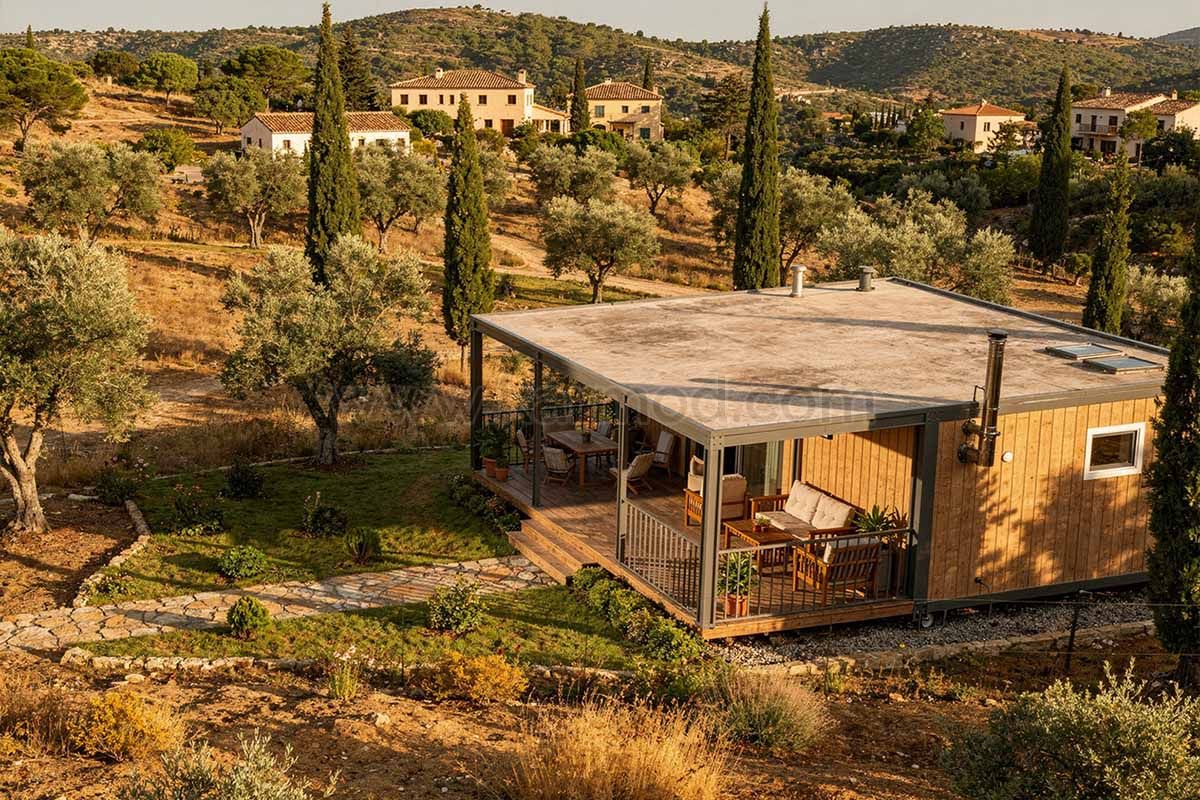
Green continues its reign, but in 2026 it becomes softer, more refined, and deeply connected to sustainability. Muted olive green for tiny houses and sage variations are emerging as must-have colors for walls, cabinetry, and even exterior siding.
These tones resonate with the eco-conscious philosophy behind many tiny home projects. Olive and sage create a sense of calm, freshness, and balance—qualities that buyers actively seek in smaller living environments. In a compact home, color must do emotional work, and green delivers that effortlessly.
Used strategically, muted green cabinetry against warm neutral walls creates contrast without overwhelming the space. Exterior applications are equally powerful. A tiny house painted in earthy green blends beautifully into natural surroundings, making it especially attractive for off-grid or rural placements.
For developers and designers, this color trend speaks directly to the growing demand for sustainable tiny house design—a keyword and a lifestyle movement that continues to grow year after year.
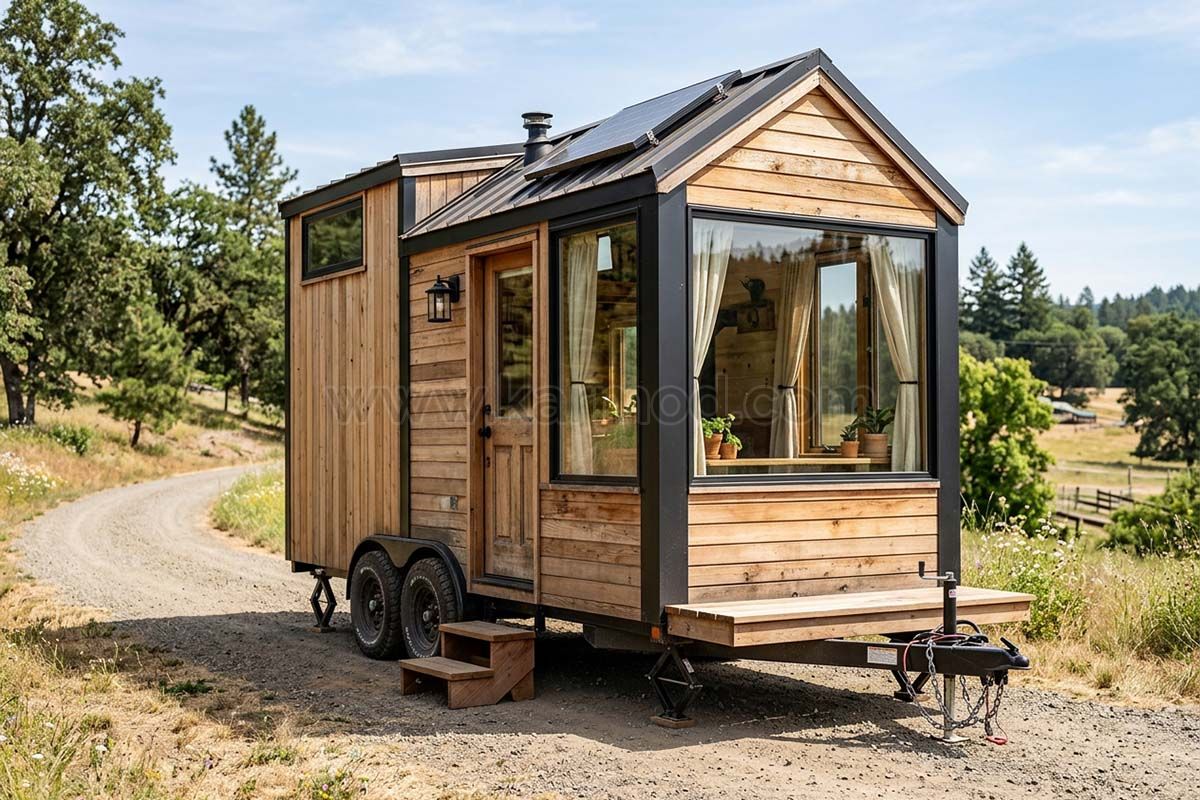
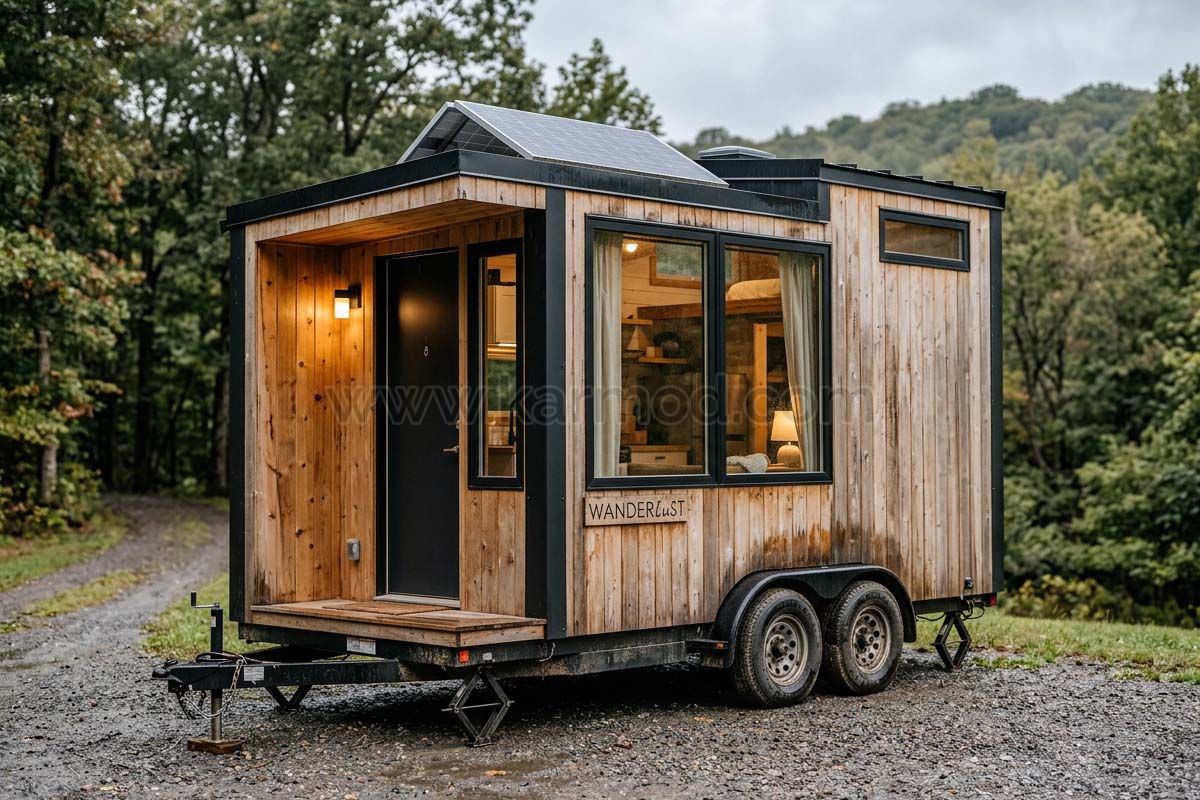
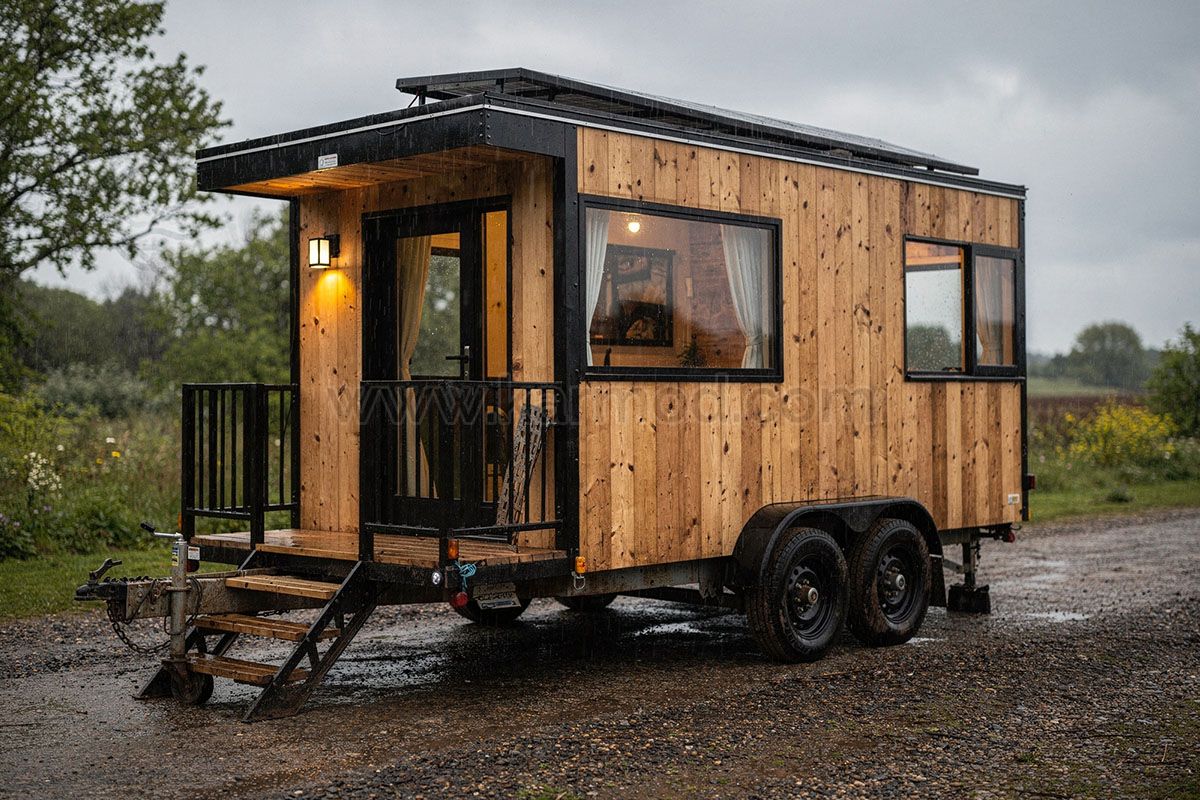
Blue in 2026 is not shy. While lighter pastels are still around, bold navy and deep ocean blues are gaining traction as accent colors. In small homes, full dark walls can feel heavy—but when used correctly, navy blue accents in tiny houses create a surprising sense of depth.
A navy accent wall behind a bed, built-in storage in midnight blue, or deep blue lower cabinets can anchor a room and make it feel intentional and high-end. The key lies in balance: pairing dark blue with warm woods, brass details, and layered lighting prevents the space from feeling enclosed.
Buyers often associate deep blue with stability, confidence, and sophistication. When selling a tiny home, these psychological cues subtly influence purchasing decisions. A strategically placed navy feature can elevate the perceived quality of the entire build.
Terracotta has evolved from a bold Mediterranean statement to a muted, modern essential. In 2026, terracotta tones in tiny house interiors are softer, dustier, and more versatile than ever.
These desert-inspired shades add personality without dominating the room. A subtle terracotta backsplash, textured clay paint finish, or accent decor pieces can instantly warm up a minimal interior. When layered with linen textiles and natural light, the result feels curated rather than crowded.
From a marketing angle, desert tones photograph beautifully. They perform exceptionally well in online listings and social media promotions. For anyone building a tiny house to attract Airbnb guests or buyers, these colors increase visual engagement and emotional appeal.
Contrary to traditional small-space advice, darker tones are no longer avoided. Charcoal gray and soft black for tiny houses are being used strategically to add contrast and structure.
Instead of painting entire rooms black, designers are highlighting architectural features—window frames, stair railings, loft edges, built-in shelving. These darker details frame the space and make lighter areas appear brighter by comparison.
In exterior design, a matte charcoal tiny house paired with warm wood decking creates a striking, contemporary presence. For premium builds targeting high-end buyers, this palette communicates confidence and modernity.
Interior design sets the mood, but exterior color creates the first impression. The most popular tiny house exterior colors 2026 reflect harmony with nature while maintaining modern sophistication.
Leading choices include:
Tiny homes often sit in open landscapes, forests, or minimalist urban lots. Exterior colors that blend with the environment increase visual appeal and long-term property value. They also photograph exceptionally well, which matters more than ever in digital-first property marketing.
In compact living environments, color directly affects how spacious a home feels. Light-reflective surfaces amplify natural daylight, making interiors feel open. Warm undertones prevent small rooms from feeling sterile or cold.
Layering tone-on-tone neutrals elongates walls visually, while darker base cabinets create grounding without shrinking vertical space. Strategic contrast—such as darker lower halves and lighter upper walls—can subtly manipulate proportions.
For homeowners and builders, understanding color psychology in tiny house design is not just aesthetic theory. It’s a practical strategy that influences comfort, satisfaction, and even resale potential.
Selecting the perfect palette involves more than following trends. Consider your location, lighting conditions, and target audience. A coastal tiny house may benefit from soft blues and sandy neutrals, while a forest retreat thrives with greens and earthy tones.
Testing paint samples under different lighting conditions is essential. Morning light, artificial lighting, and evening shadows all transform color perception. Investing time here prevents costly repainting later.
Buyers often fall in love with a space within seconds. Color is one of the first subconscious signals they process. A thoughtfully chosen 2026 palette can create that immediate emotional connection—the kind that leads to inquiries, bookings, and sales.
Design trends influence market demand. Staying aligned with modern tiny house color trends positions your property competitively. Outdated colors can quietly reduce perceived value, even if the build quality is exceptional.
Warm neutrals, muted greens, bold navy accents, desert tones, and structured charcoals collectively reflect where contemporary design is heading. Integrating these colors into your tiny house design ensures it feels current, relevant, and desirable.
Color is one of the most cost-effective upgrades you can make. Compared to structural renovations, a well-executed paint and design strategy delivers an impressive return on investment.
Creating a tiny house that feels spacious, modern, and emotionally engaging requires intention. The most popular 2026 design colors for tiny houses are not just about style—they are about creating spaces that people instantly connect with.
If you are planning a new build or redesigning your current tiny home, now is the perfect time to align your project with these emerging color trends. The right palette can transform your space—and the way people experience it.
Ready to elevate your tiny house with a 2026-inspired color strategy? Let’s design a space that captures attention and converts interest into action.
In order to serve you better, if you could kindly send an e-mail to info@karmod.com for questions and details about your theoretical and special architectural plans, projects, and product specifications, your request will be responded to as soon as possible.

From one end of the world to the other, we enable our customers to reach the ready-made construction sector produced with the new technology of the world. We guarantee reliability through technology and innovation, flexible commercial models and smart supply chain solutions that add value for you, following the project production network.
Discover
Karmod is one of the largest prefabricated construction companies in Turkey, with a production of 45,000 m2. produces high quality prefabs and prefab containers