EN
EN 


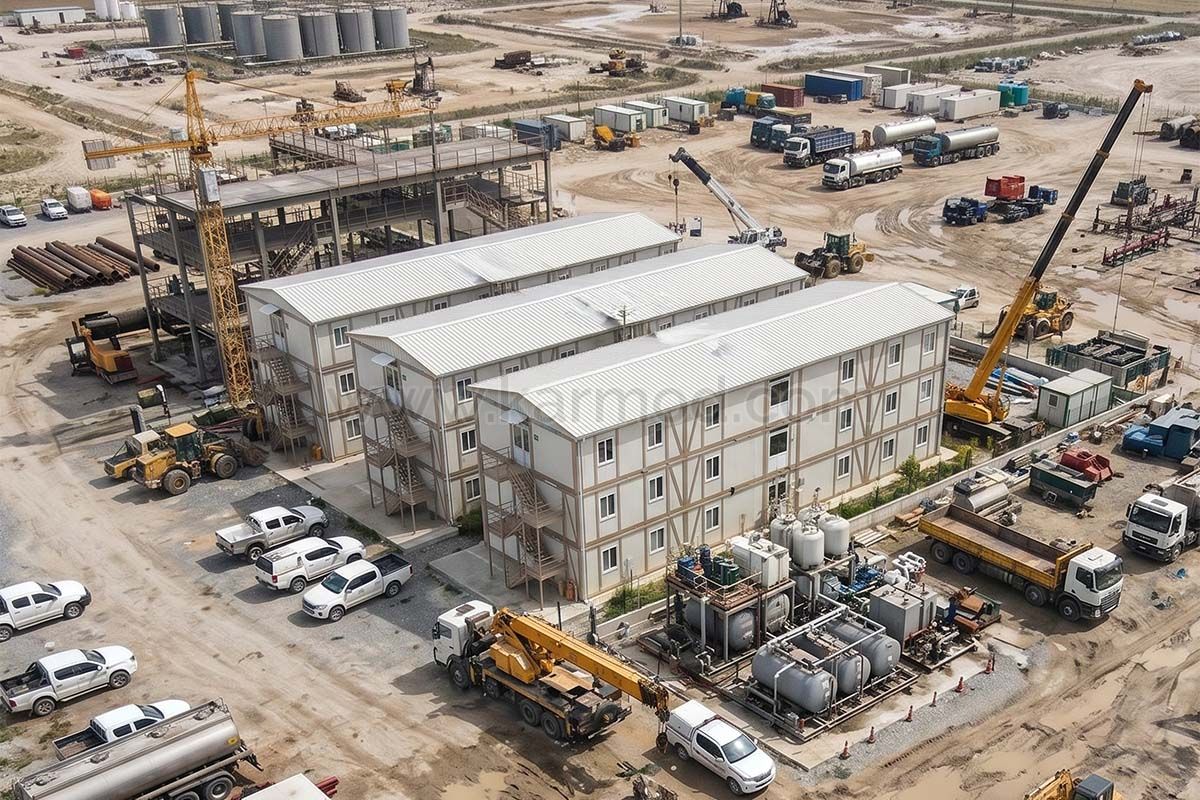
Solar power plants are usually built across large open areas where permanent offices, accommodation units, and technical buildings are not always available at the beginning of the project. Before panels are installed, teams need a place to manage documents, organize workers, hold meetings, store equipment, and coordinate daily site activities. Solar power plant site office containers provide a practical solution for this need.
These modular units can be delivered to the project area and used as offices, control rooms, staff rest areas, meeting spaces, storage rooms, or temporary accommodation units. Because they are portable and easy to expand, they are highly suitable for solar energy projects that move through different installation phases.
A solar farm site office is more than a temporary room placed near the construction area. It acts as the operational center of the project. Site engineers, project managers, safety officers, contractors, and logistics teams can use the office to plan daily tasks and monitor field progress.
Solar power plant projects often cover wide land areas. Without an office close to the work zone, teams may lose time traveling between the site and distant facilities. A container office helps reduce this problem by bringing the management area directly to the field.
These offices can also support communication between different teams. Installation crews, electrical teams, panel suppliers, and supervisors can coordinate work schedules more efficiently when they have a shared space on site.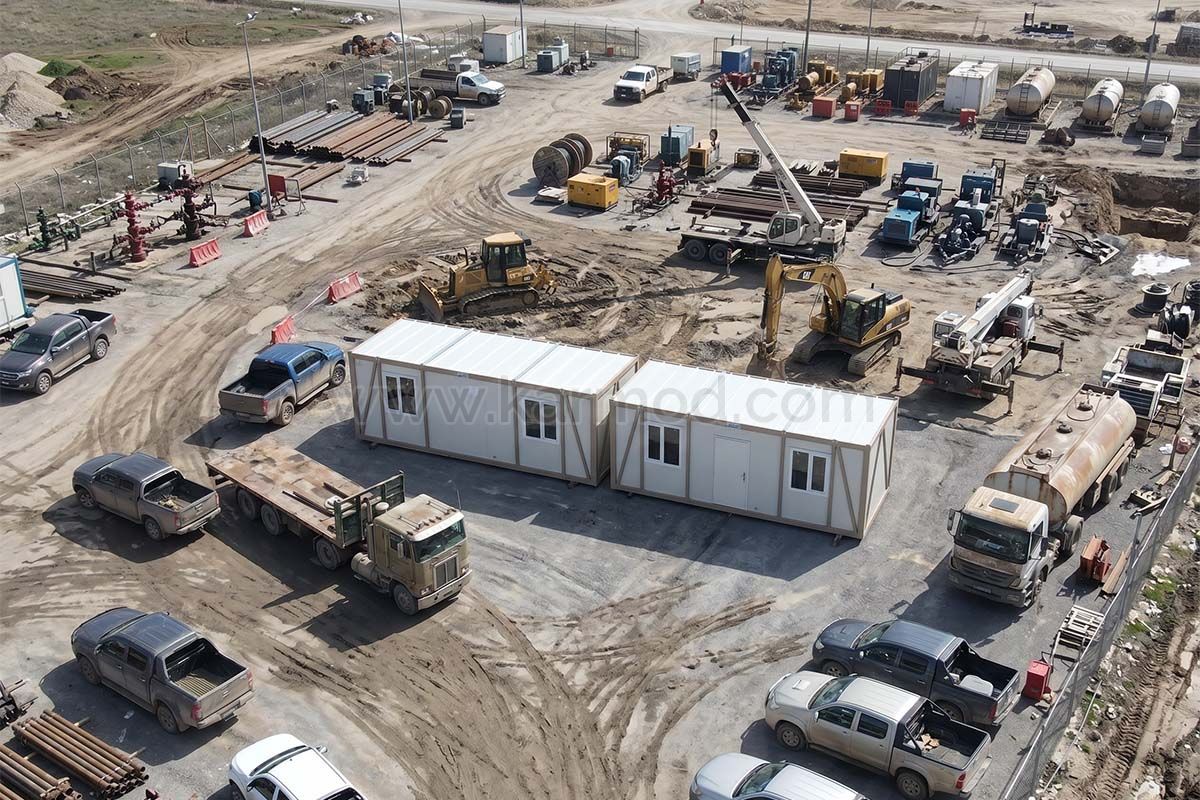
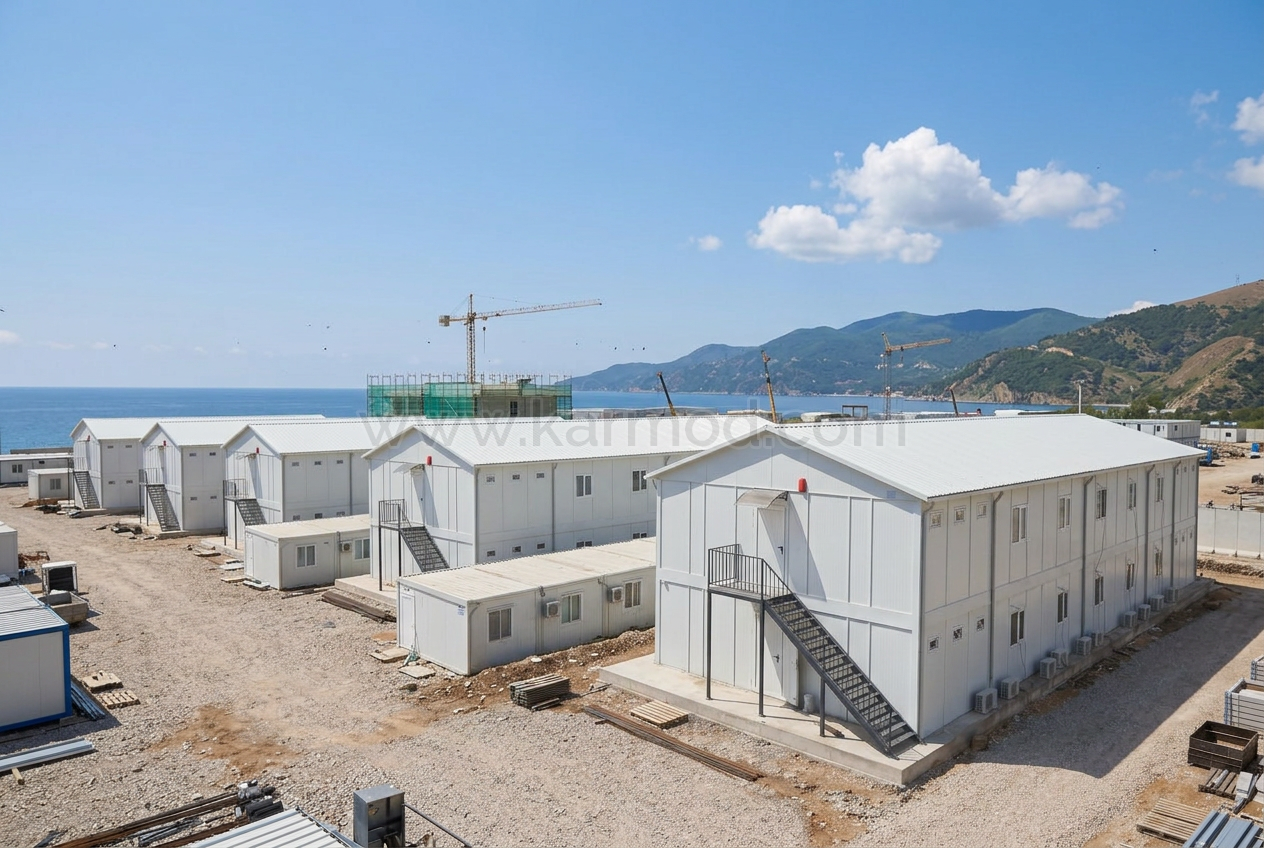
A PV project container office can be designed according to the size and complexity of the solar power plant. Small projects may need only one or two office units, while larger solar farms may require a complete modular office complex with meeting rooms, technical rooms, storage areas, restrooms, and staff areas.
Container offices can be arranged side by side, stacked, or connected with corridors depending on the site layout. This modular structure gives project owners the flexibility to increase or reduce office capacity during different phases of construction.
For example, the early site preparation phase may need offices for survey teams and project managers. During panel installation, more units may be added for contractors, quality control teams, and safety personnel. After commissioning, some units can be removed or converted for maintenance use.
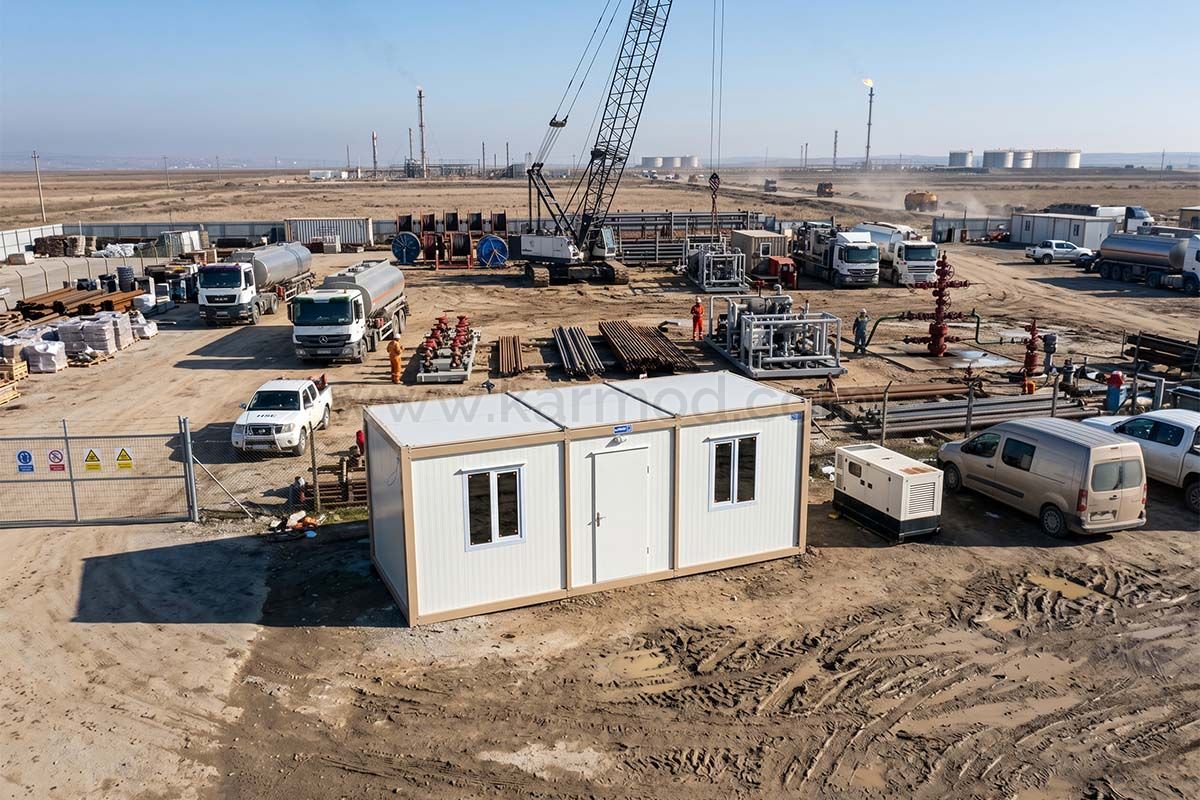
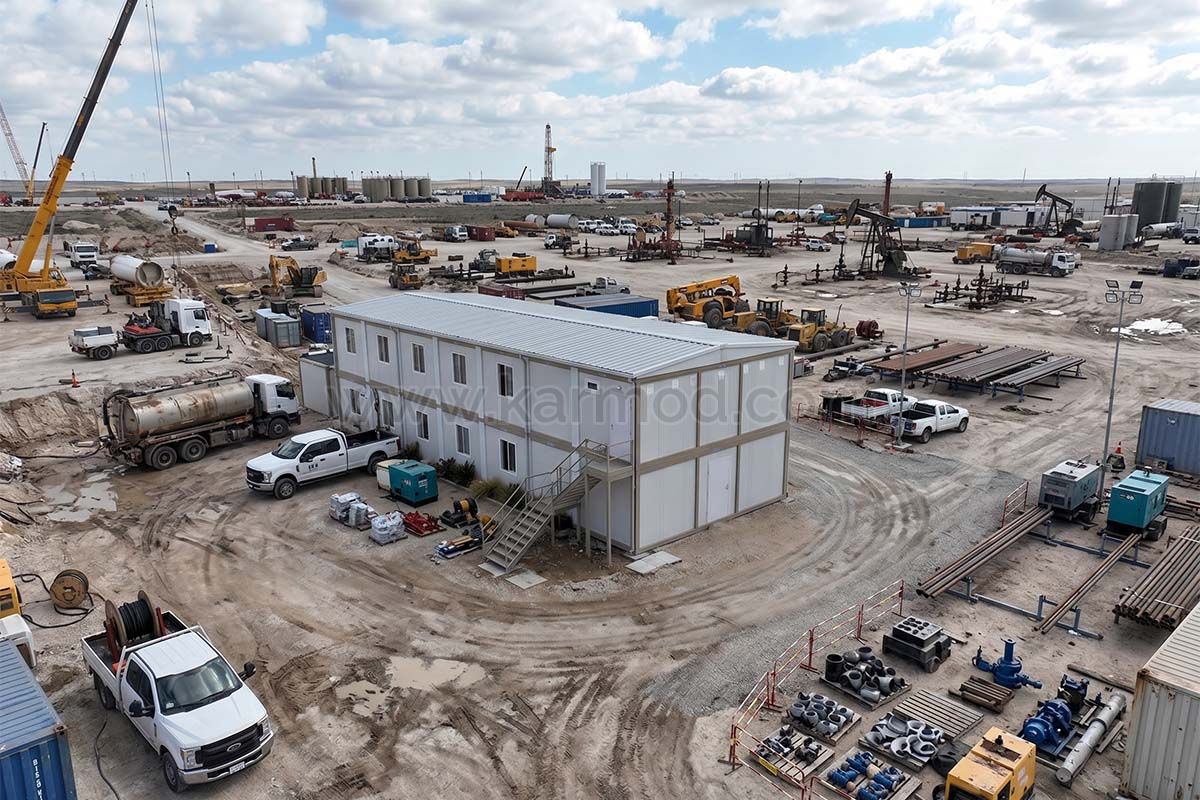
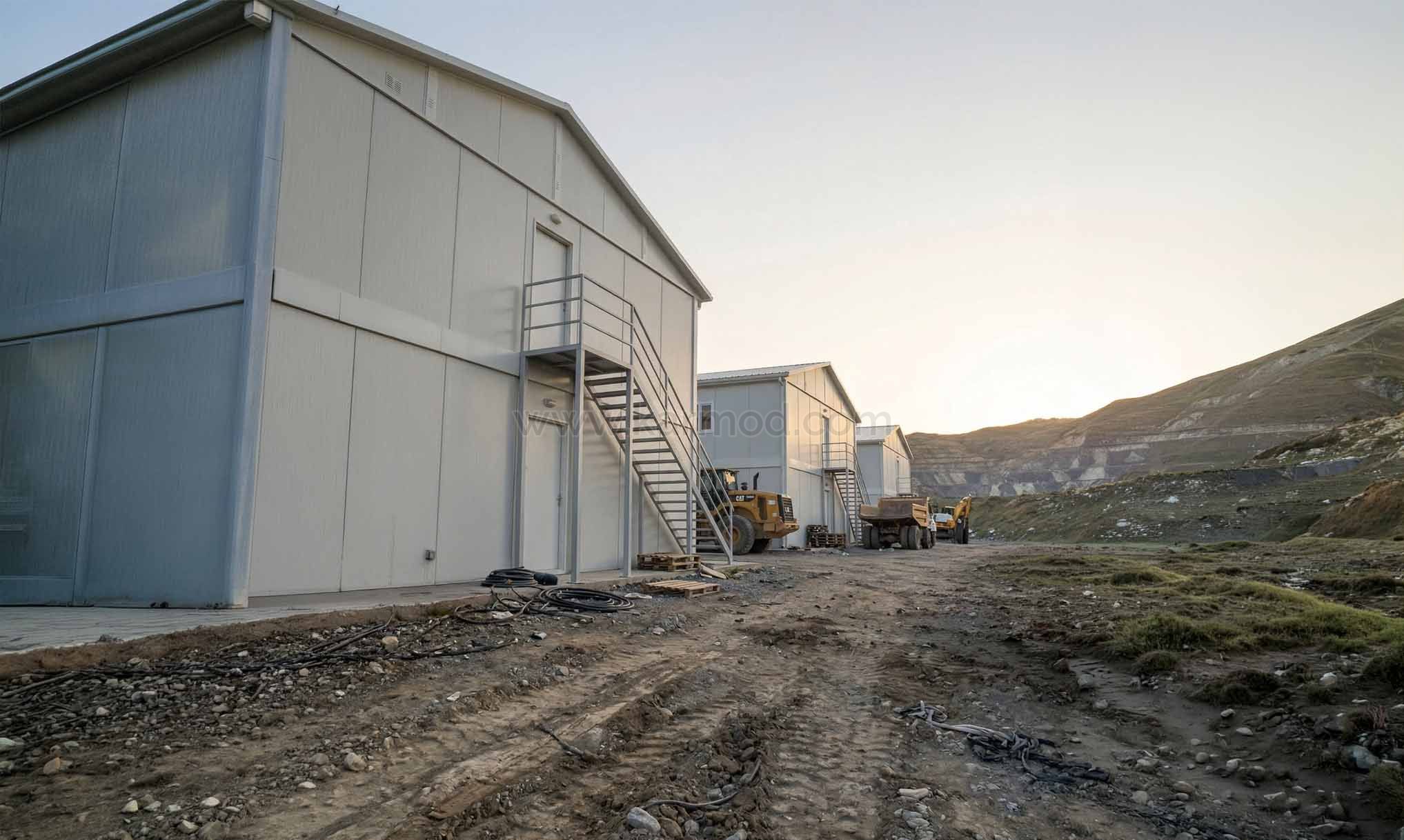
A solar panel installation camp often includes more than office space. Large solar projects may need accommodation units, dining areas, sanitary facilities, storage containers, security cabins, and first-aid rooms. Site office containers can be integrated into this wider camp layout.
When workers stay close to the project area, daily operations can become easier to manage. Teams can start work faster, attend briefings on site, and access support facilities without long transportation delays.
The office container can also be used as a control point for work permits, safety meetings, shift planning, visitor registration, and equipment tracking. This helps create a more organized work environment throughout the installation period.
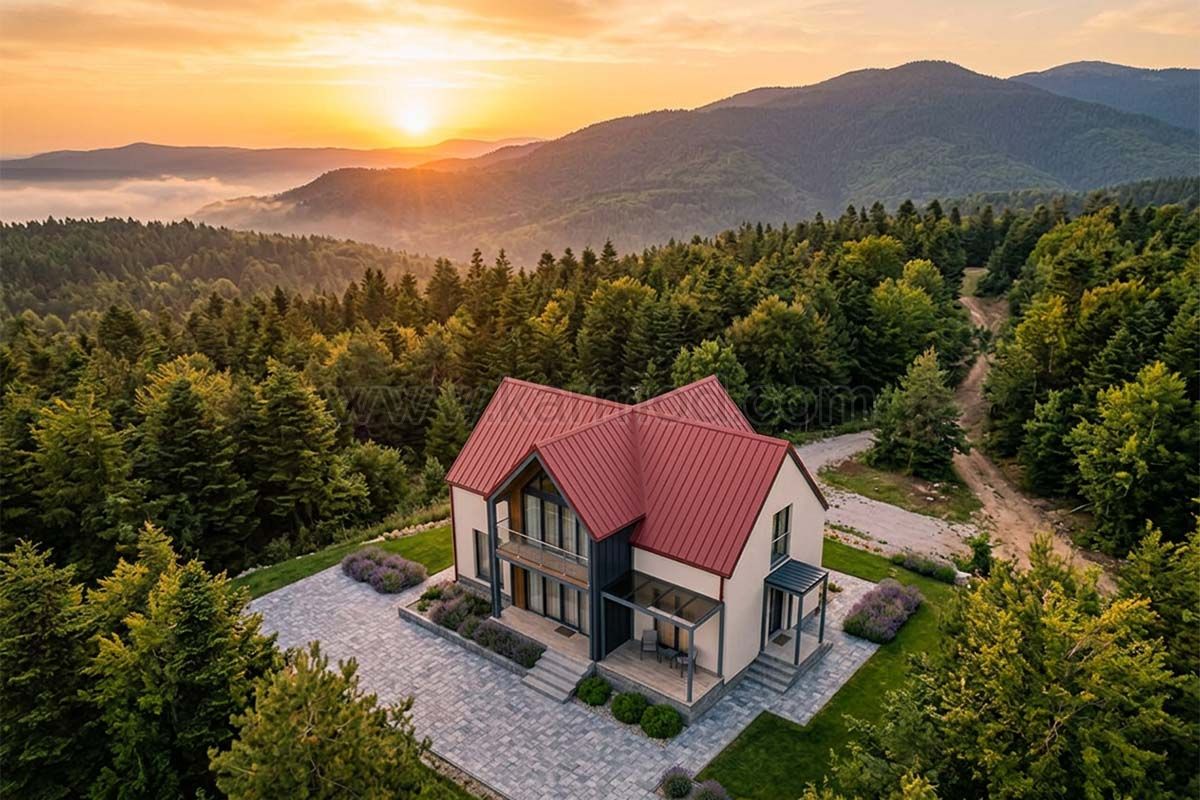
Many solar power plants are developed in remote or semi-remote areas where infrastructure is limited. A renewable energy field office gives teams a functional workspace without depending on nearby buildings.
These offices can be equipped with lighting, insulation, air conditioning, heating, electrical systems, internet infrastructure, desks, cabinets, and meeting areas. They can also be customized with partitions to create private rooms for engineers, supervisors, or administrative staff.
For off-grid energy sites, container offices can be adapted with solar-powered systems, battery storage, and efficient electrical equipment. This makes them especially useful for remote solar projects where grid connection may not be available during the early stages of construction.
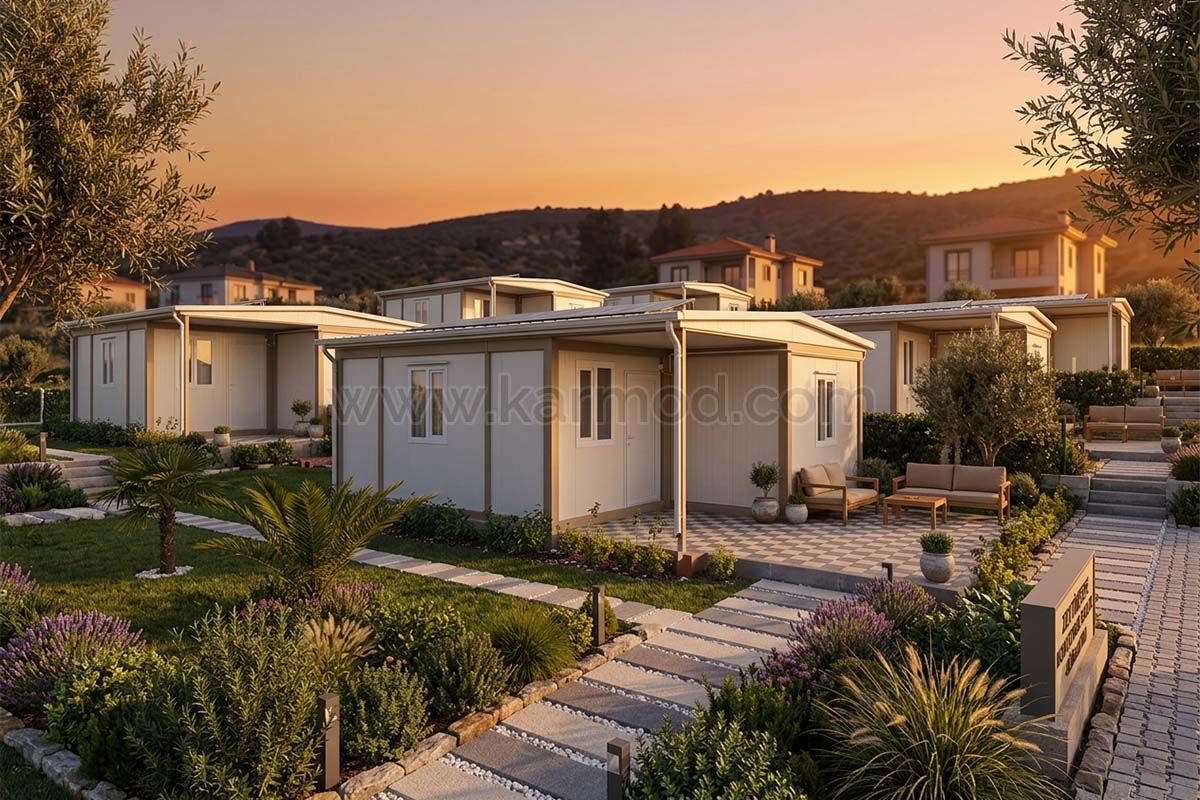
Photovoltaic site accommodation may be necessary when the project location is far from hotels, towns, or worker housing. Container units can be used to create sleeping areas, bathrooms, dining spaces, laundry rooms, and rest zones for workers.
Combining accommodation with site offices creates a more complete solar project camp. Workers, engineers, and supervisors can remain close to the field, which helps improve time management and daily coordination.
These accommodation units can be planned for short-term or medium-term use. If the project moves to a new section of the site or to another solar farm, the containers can be transported and reused. This gives companies a practical advantage compared to permanent structures that cannot be moved.
One of the main advantages of solar power plant site office containers is flexibility. Solar projects often progress in phases, and the need for office space may change during each stage. Modular containers allow companies to adapt quickly without starting a new construction process.
Cost control is another important benefit. Traditional buildings require more time, site labor, and permanent groundwork. Container offices are produced in advance and installed faster, helping reduce delays and setup expenses.
They also offer long-term value because the same units can be used on multiple projects. After one solar plant is completed, the office containers can be relocated to another renewable energy site, storage area, or maintenance base.
In order to serve you better, if you could kindly send an e-mail to info@karmod.com for questions and details about your theoretical and special architectural plans, projects, and product specifications, your request will be responded to as soon as possible.

From one end of the world to the other, we enable our customers to reach the ready-made construction sector produced with the new technology of the world. We guarantee reliability through technology and innovation, flexible commercial models and smart supply chain solutions that add value for you, following the project production network.
Discover
Karmod is one of the largest prefabricated construction companies in Turkey, with a production of 45,000 m2. produces high quality prefabs and prefab containers