EN
EN 


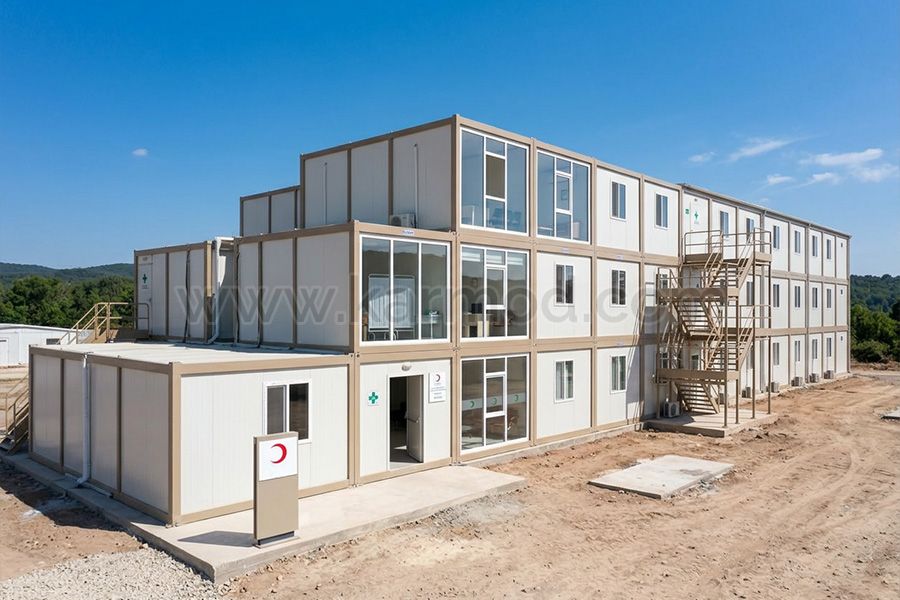
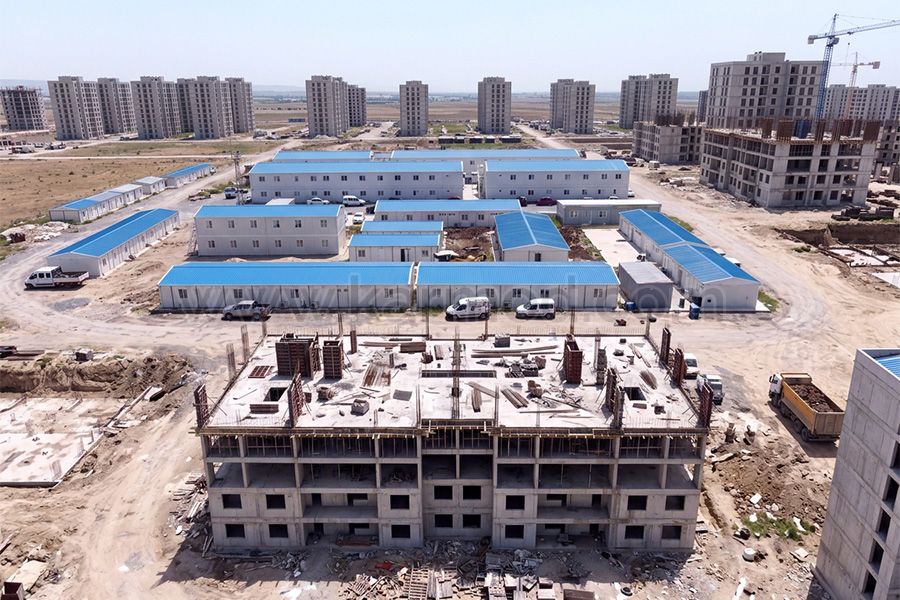
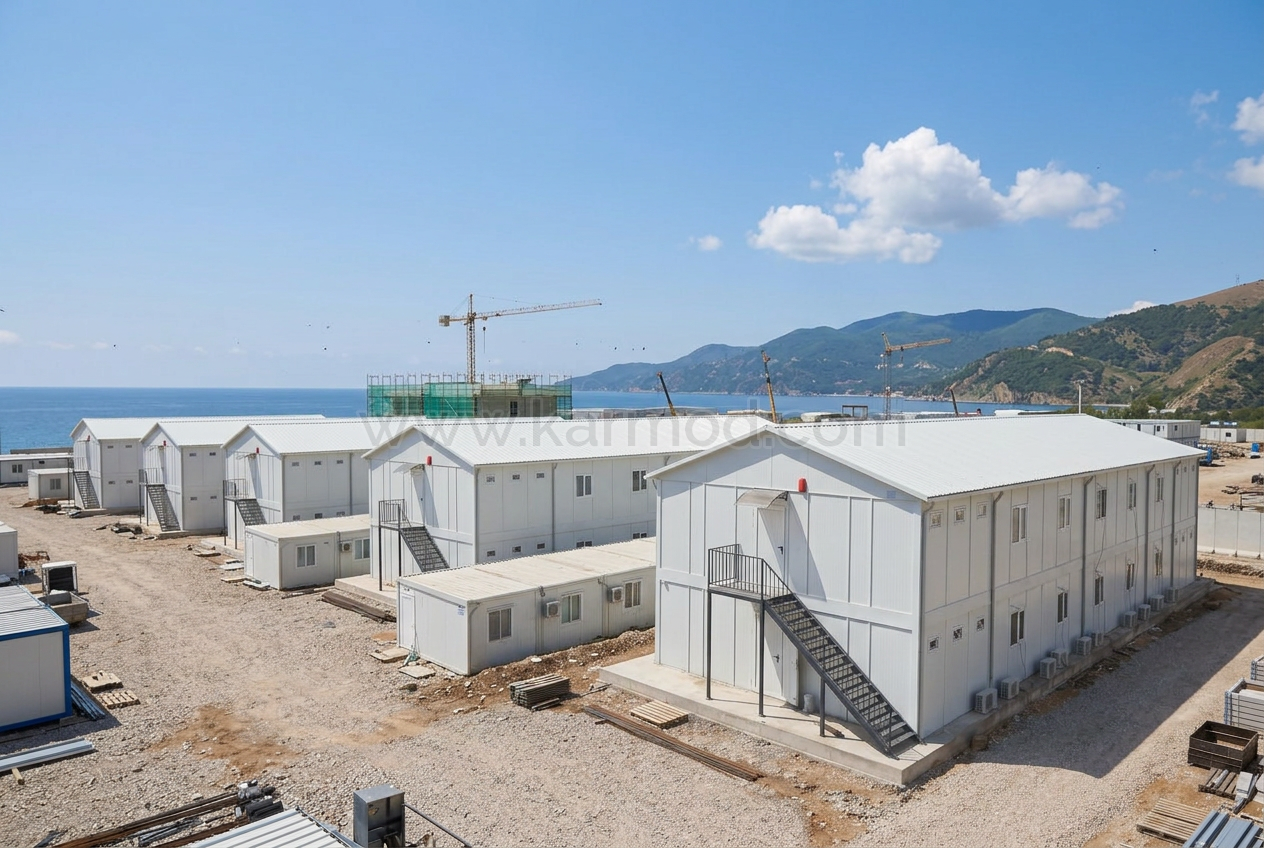
Social housing is more than the provision of affordable homes—it is a powerful tool for promoting social inclusion, urban regeneration, and sustainable development. The architecture of social housing plays a pivotal role in shaping communities and enhancing the quality of life for residents. This article examines key principles of social housing architecture and highlights examples that demonstrate innovation and impact.
Social housing architecture refers to the design and construction of affordable housing projects with an emphasis on functionality, accessibility, and community well-being.
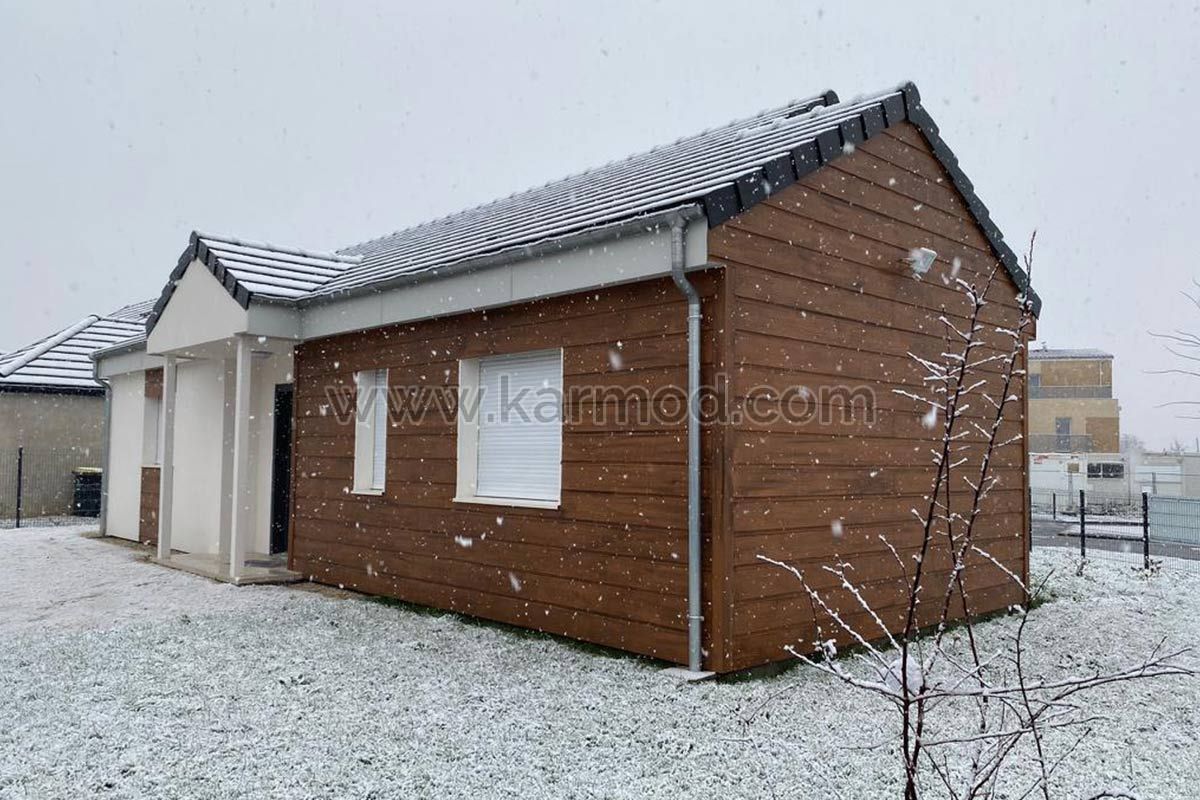
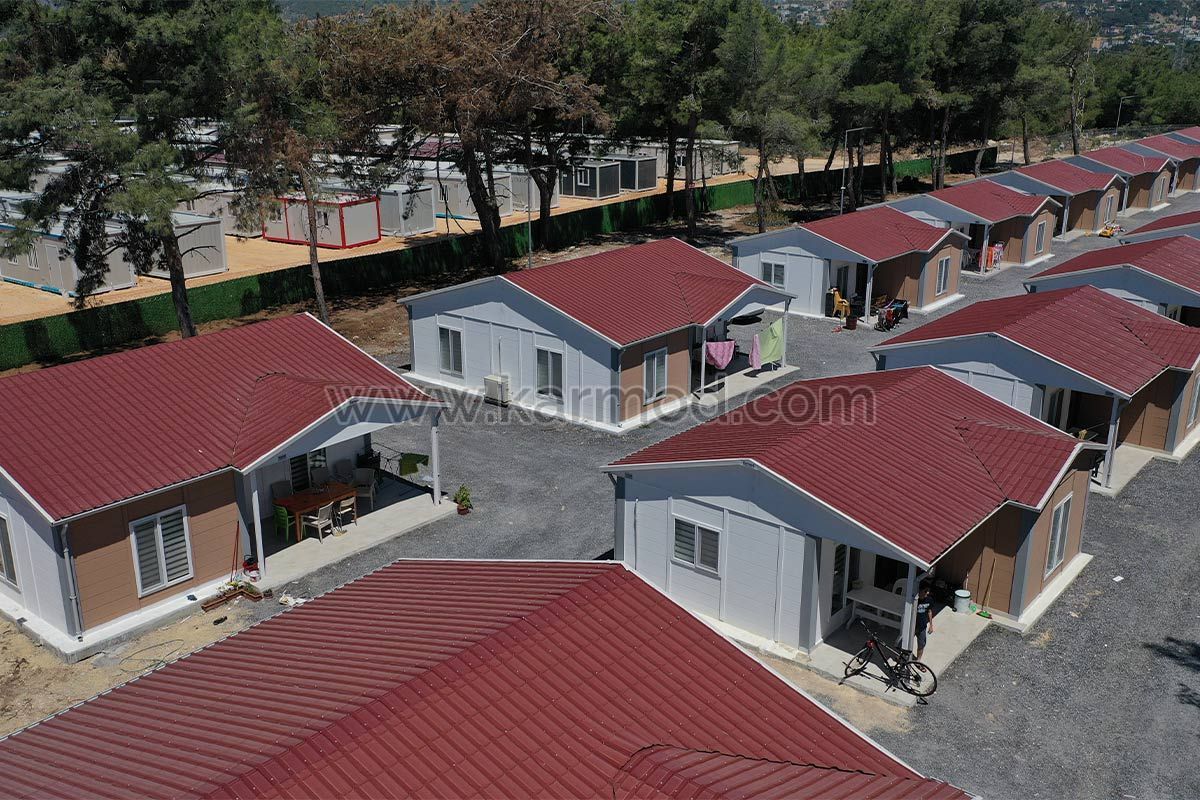
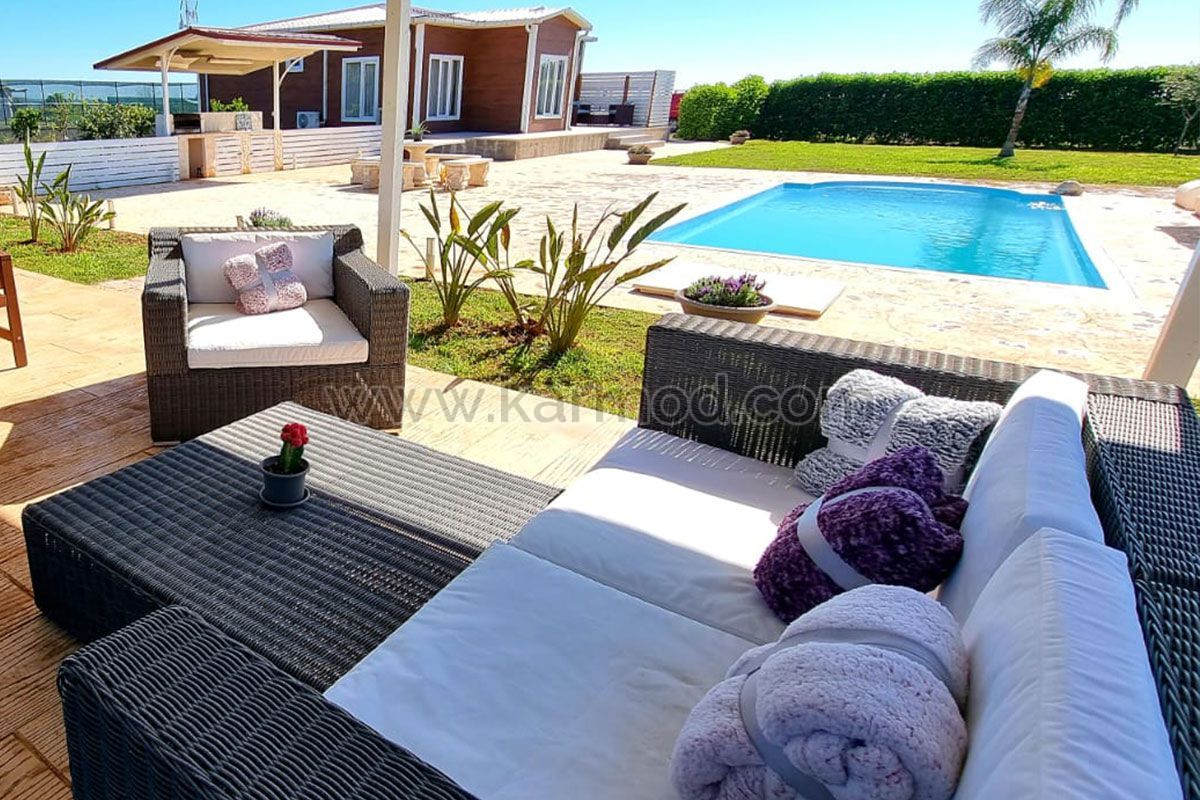
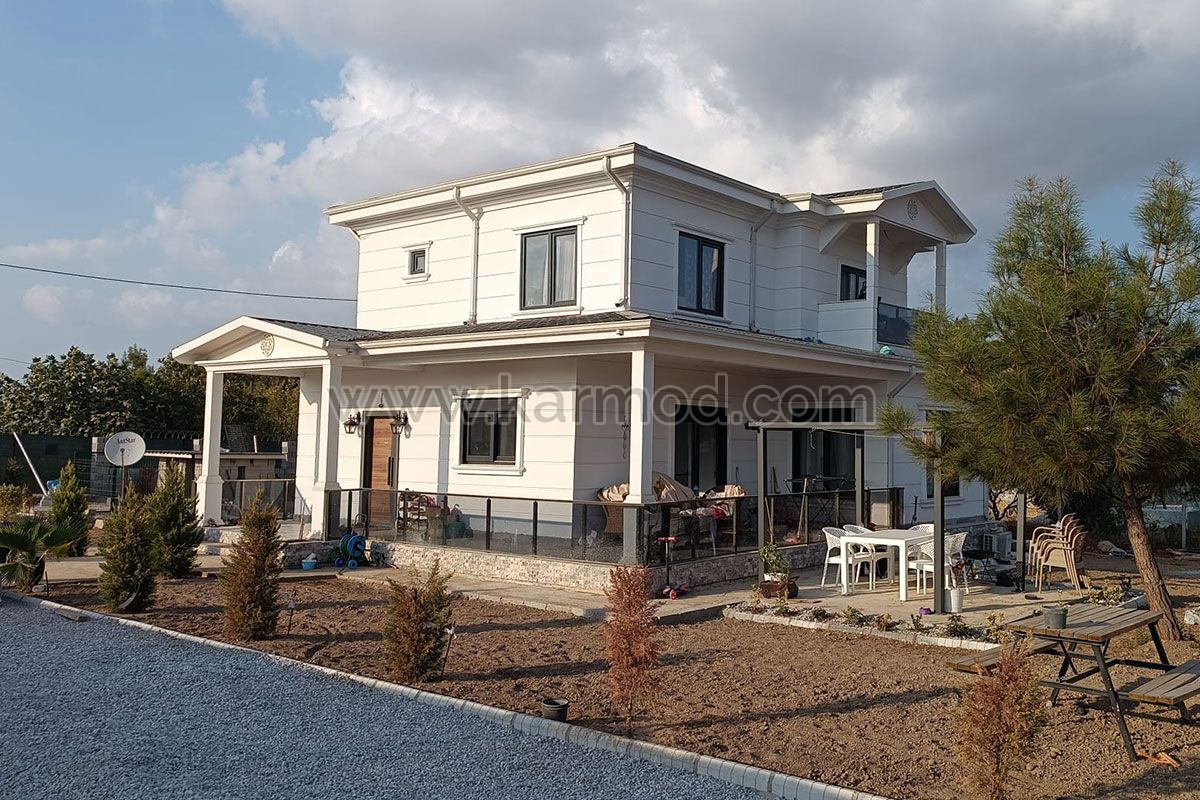
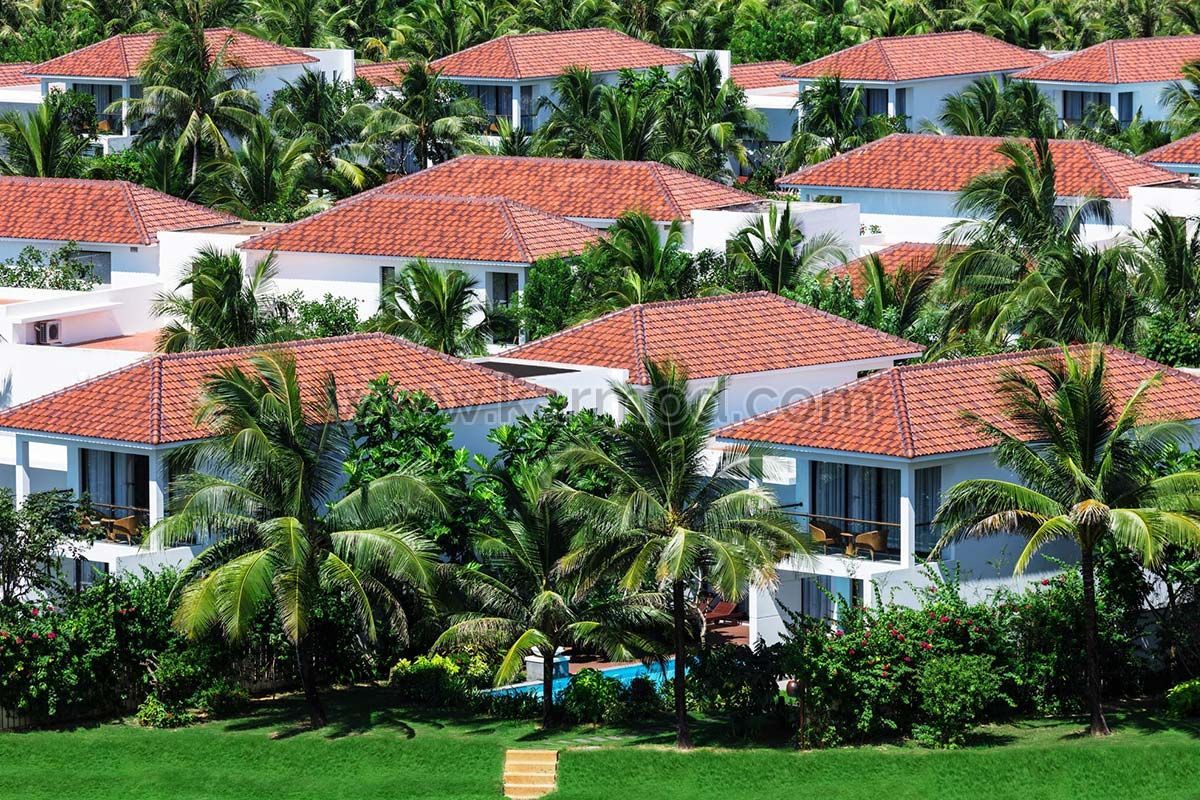


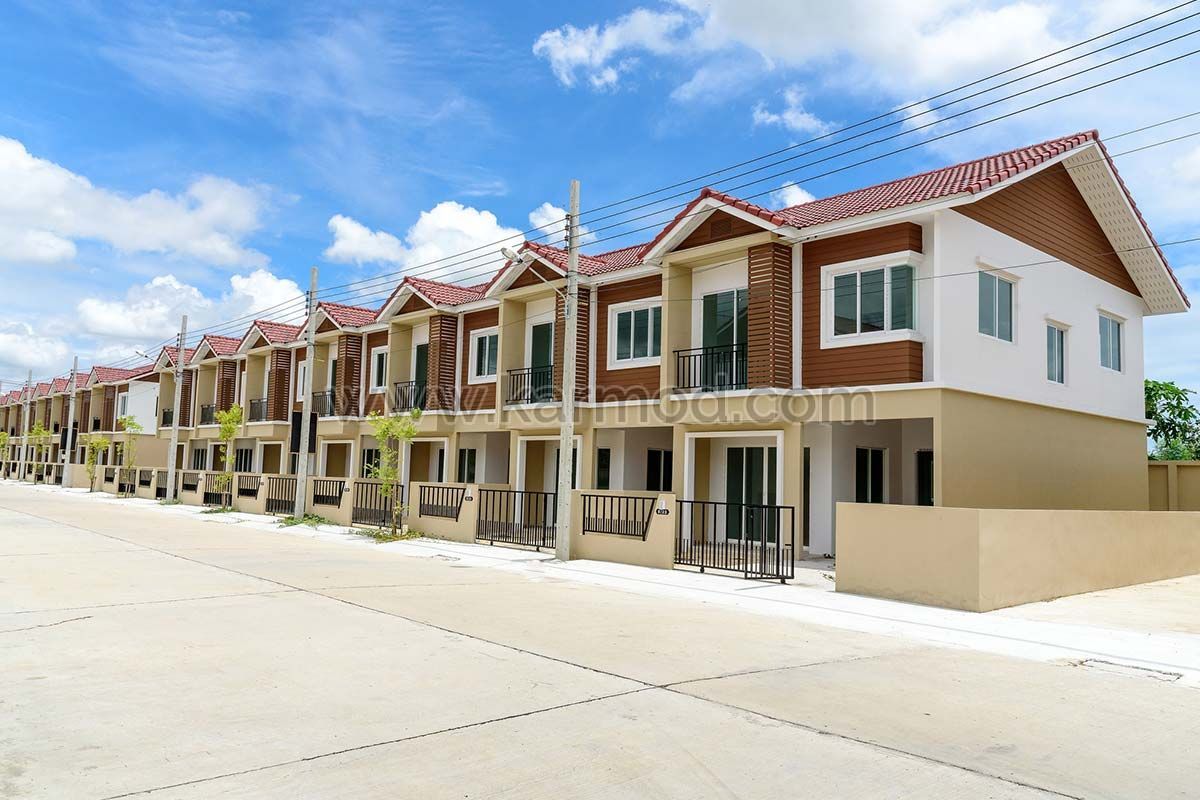

The future of social housing architecture lies in the integration of smart technologies, modular construction, and climate-resilient materials. By embracing innovation, social housing can set new benchmarks for urban living while ensuring affordability and inclusivity.
Social housing architecture is a critical element in addressing global housing challenges. Through sustainable design, community-focused planning, and architectural innovation, social housing projects can create environments that promote dignity, equity, and long-term well-being. The examples highlighted here demonstrate how architecture can transform not only physical spaces but also the social fabric of entire communities.
In order to serve you better, if you could kindly send an e-mail to info@karmod.com for questions and details about your theoretical and special architectural plans, projects, and product specifications, your request will be responded to as soon as possible.

From one end of the world to the other, we enable our customers to reach the ready-made construction sector produced with the new technology of the world. We guarantee reliability through technology and innovation, flexible commercial models and smart supply chain solutions that add value for you, following the project production network.
Discover
Karmod is one of the largest prefabricated construction companies in Turkey, with a production of 45,000 m2. produces high quality prefabs and prefab containers