Smart Integration: IoT and Modular Buildings
Shaping the Future of Living Spaces with Intelligent Solutions
Introduction
Digital transformation is no longer confined to software and mobile applications; architecture, construction, and urban planning are also being reshaped. The integration of IoT (Internet of Things) technologies with modular building systems enables the creation of sustainable, flexible, and user-centered urban environments.
But what happens when IoT meets modular buildings?
What is IoT and Why Does It Matter?
IoT refers to devices connected through the internet, gathering and analyzing data, and acting accordingly. From smart sensors to energy management systems, IoT makes buildings more efficient, secure, and user-friendly.
-
Energy Management: Smart thermostats and lighting systems reduce consumption.
-
Security: Smart cameras, biometric access, and sensors enhance safety.
-
User Experience: Voice assistants, device integration, and automated climate control improve daily life.
Modular Buildings: The Key to Flexibility
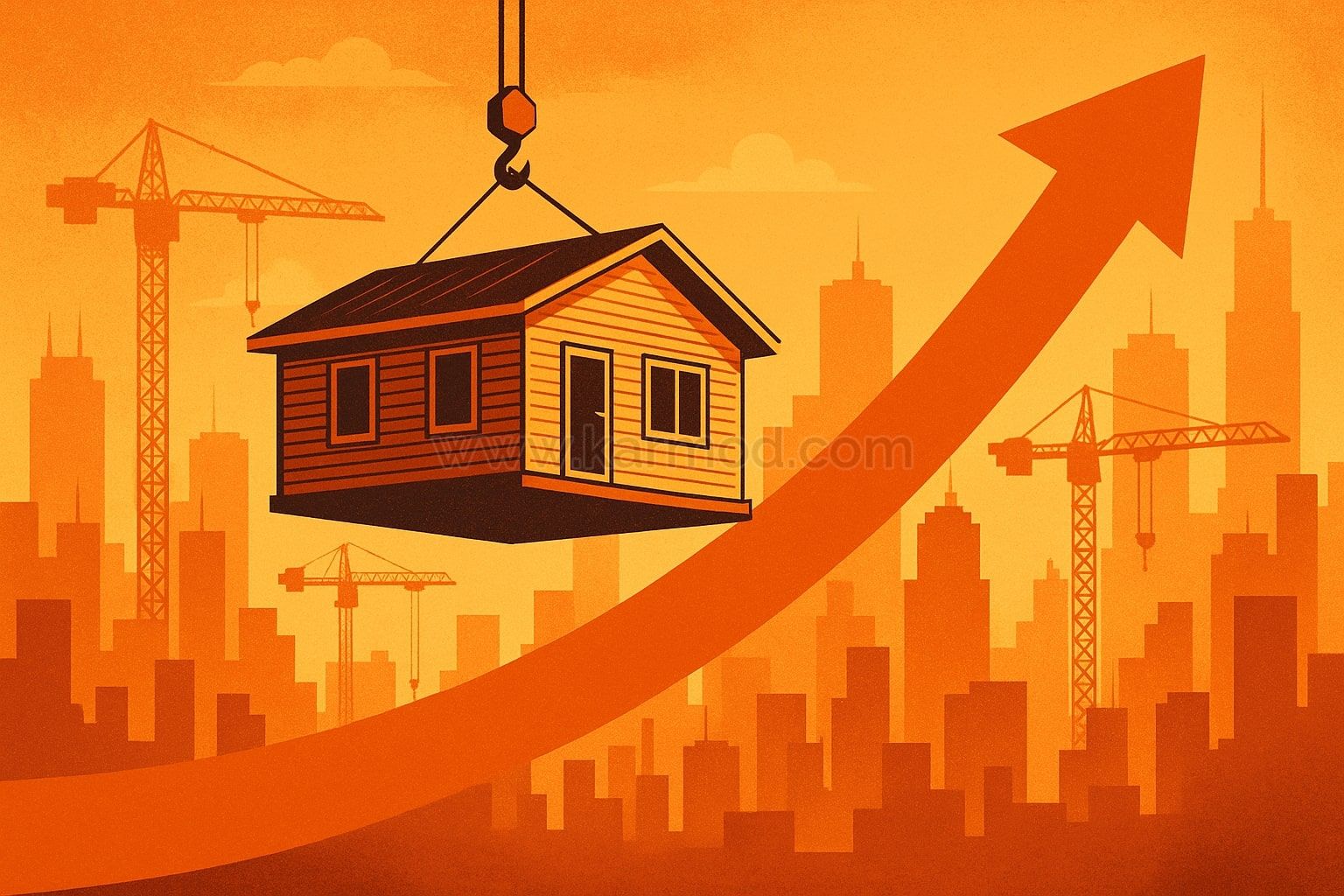
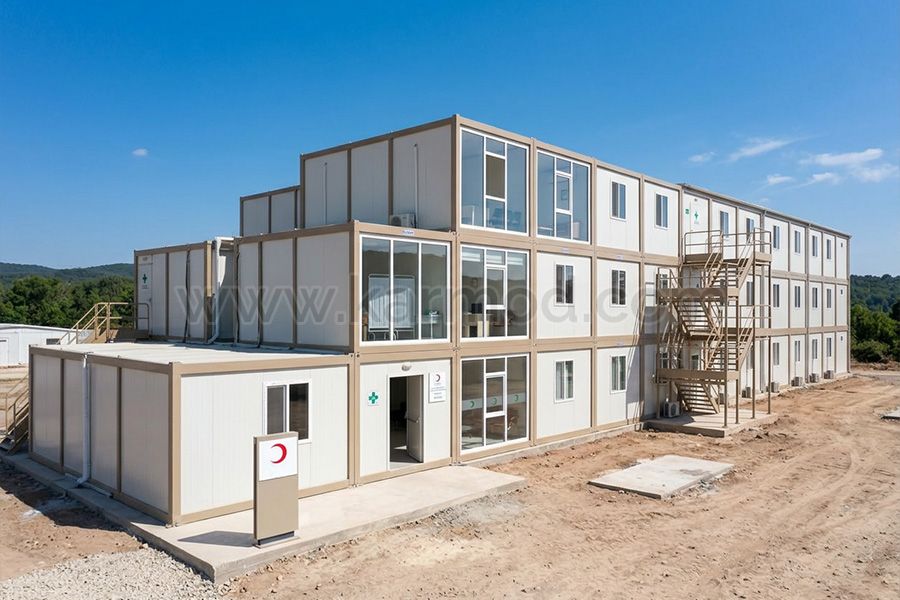
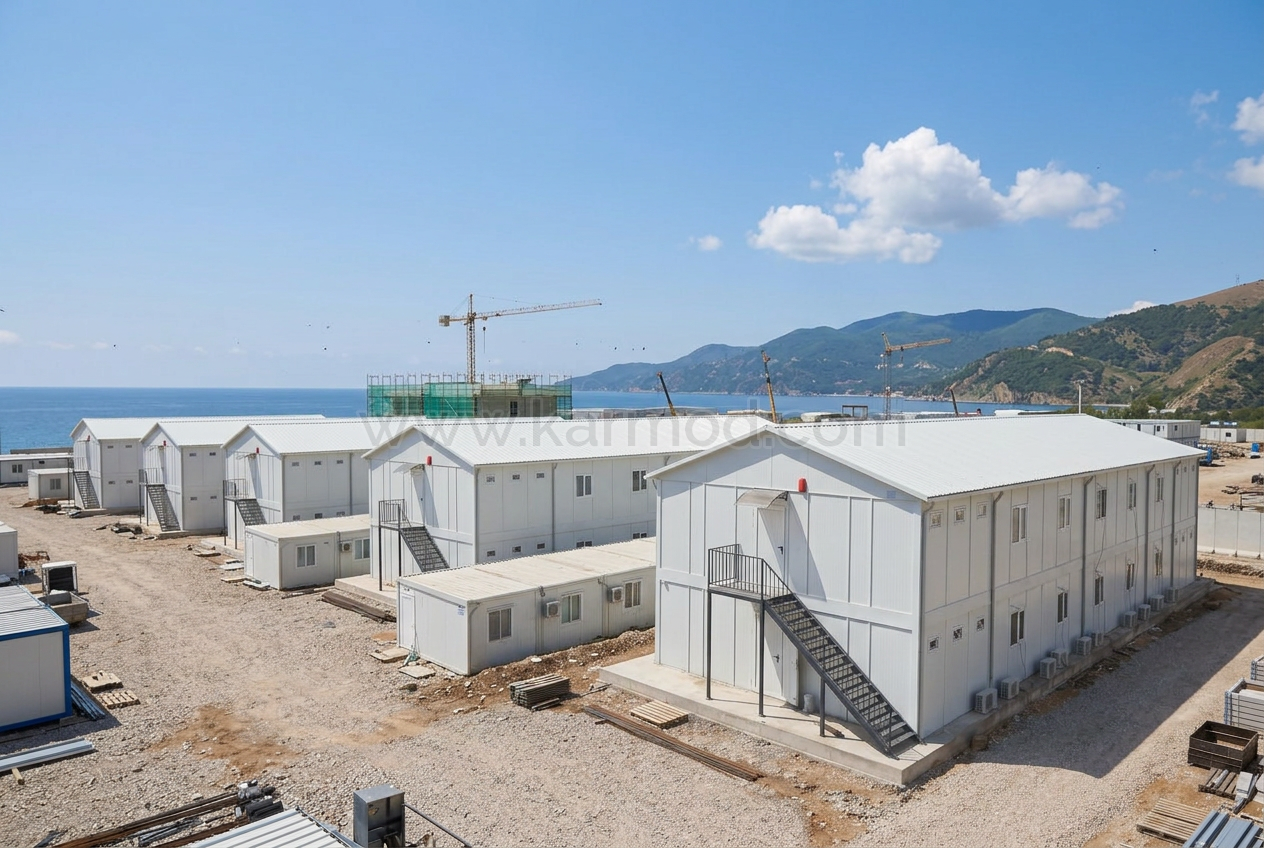
Modular construction is based on prefabricated modules produced in factories and quickly assembled on-site. This approach:
-
Saves time (construction time can be reduced by 30–50%).
-
Improves sustainability (less waste, optimized resource usage).
-
Provides flexibility (modules can be added or removed as needs change).
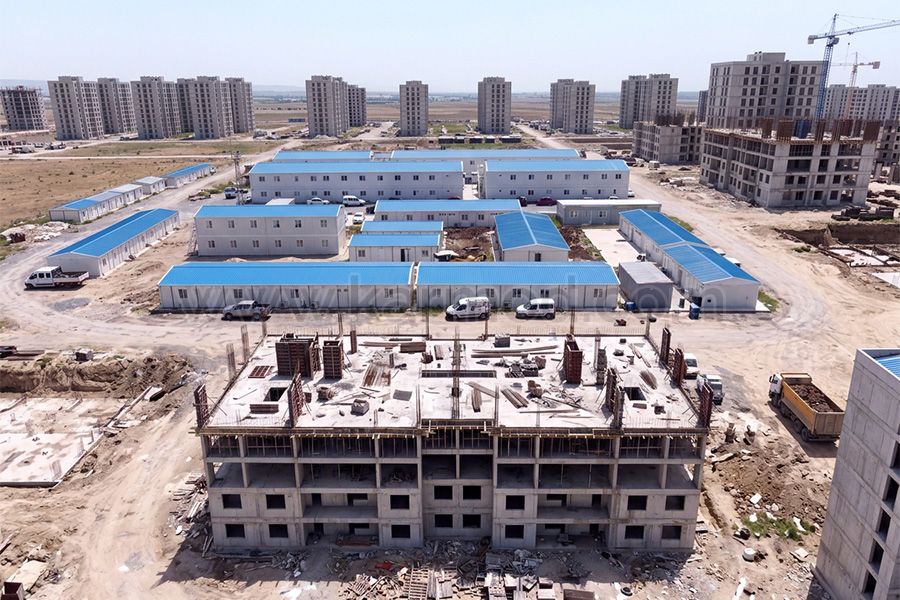
As a result, modular buildings are gaining popularity in housing projects, office spaces, healthcare, and education facilities.
Smart Integration: IoT + Modular Buildings
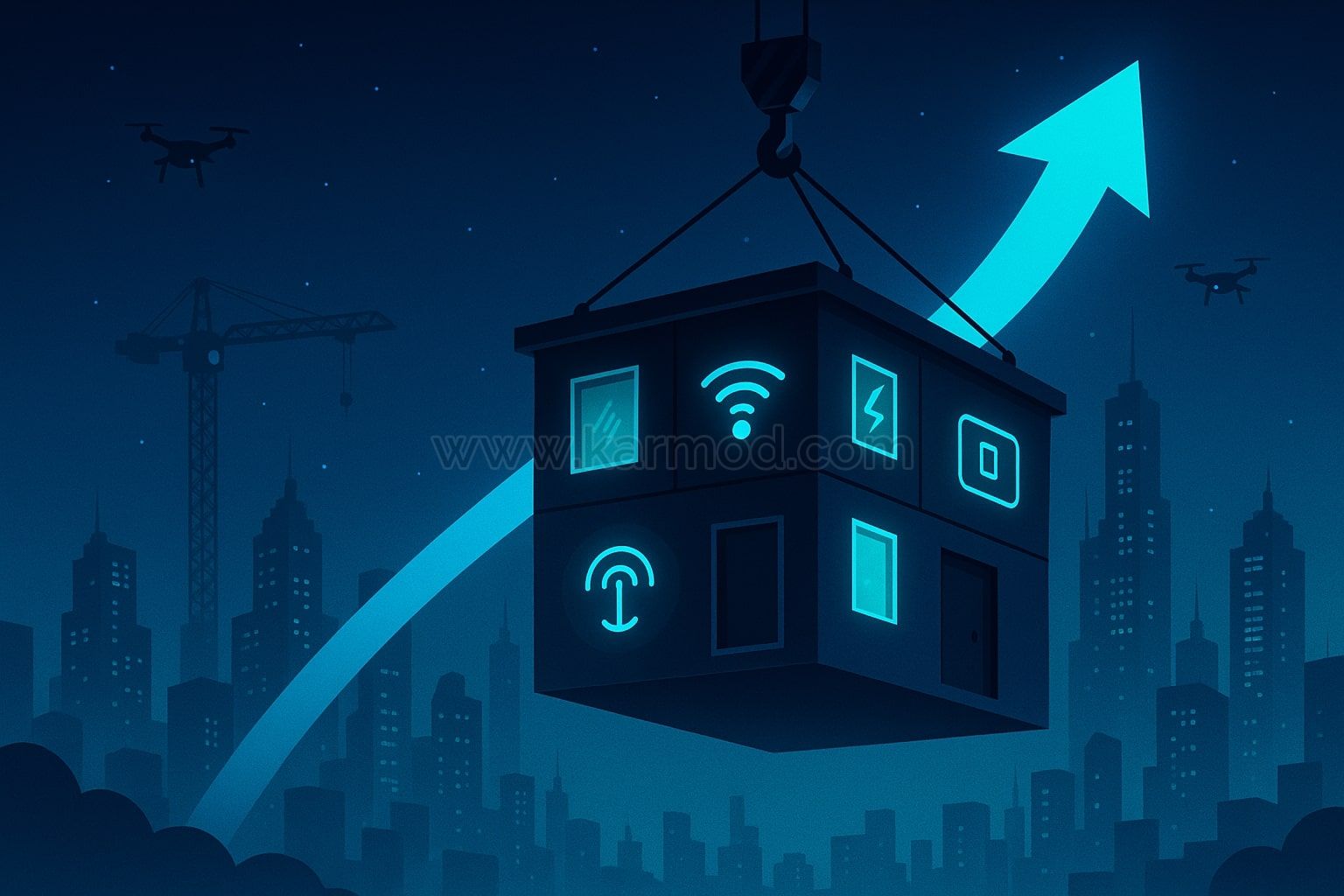
The real revolution lies in the combination of the two. When IoT technologies are integrated into modular structures, the benefits multiply:
-
Smart Construction Process
-
Sensors embedded in modules monitor quality in real time.
-
Logistics are optimized, cutting costs and delays.
-
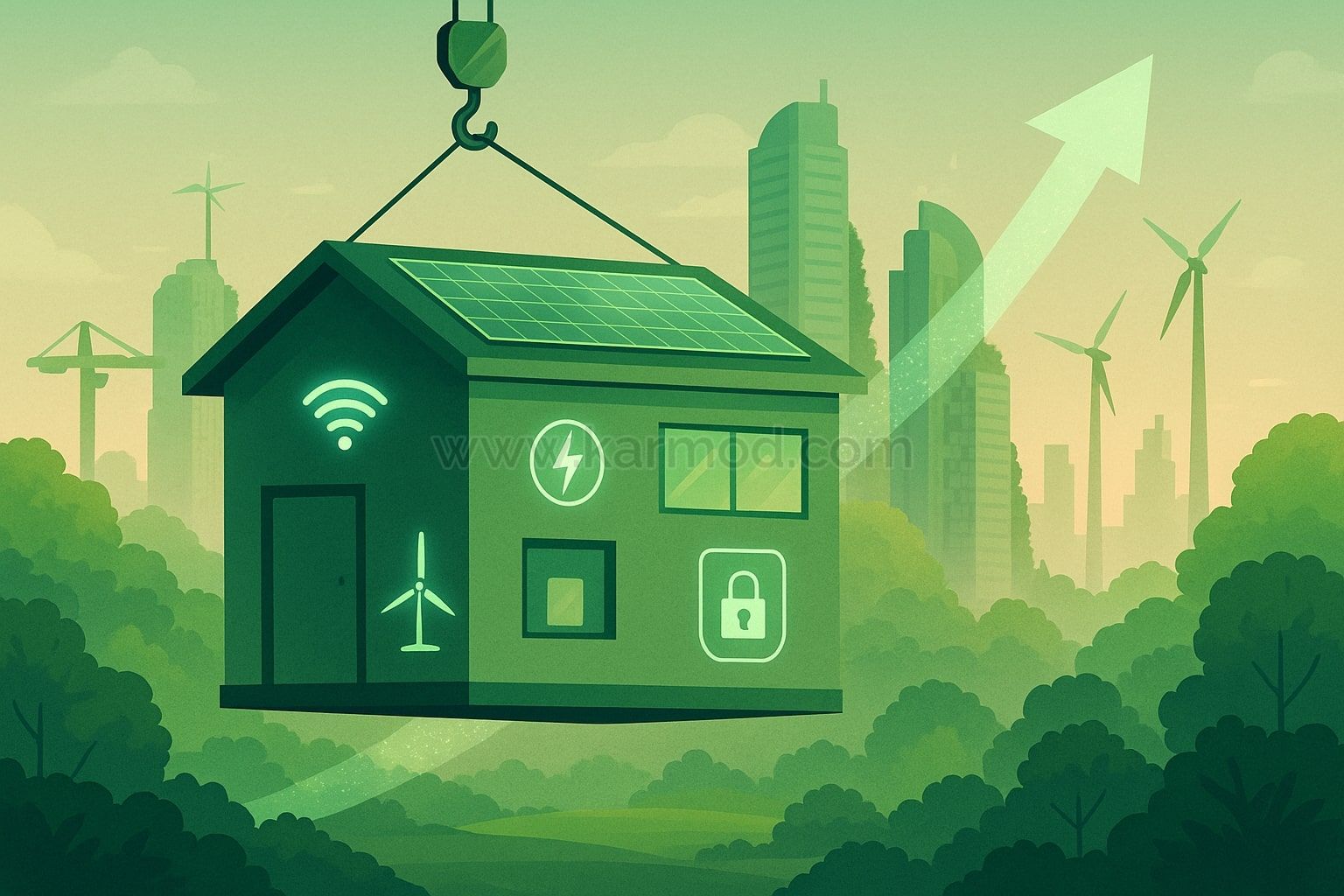
Energy Efficiency and Sustainability
-
Customizable Living Spaces
-
Residents can control temperature, lighting, and security remotely via apps or voice assistants.
-
As new modules are added, IoT systems automatically adapt to the changes.
-
Smart Community Infrastructure
-
Interconnected modular buildings form the backbone of smart cities.
-
Shared energy grids, smart parking, and traffic management benefit entire communities.
Looking Ahead
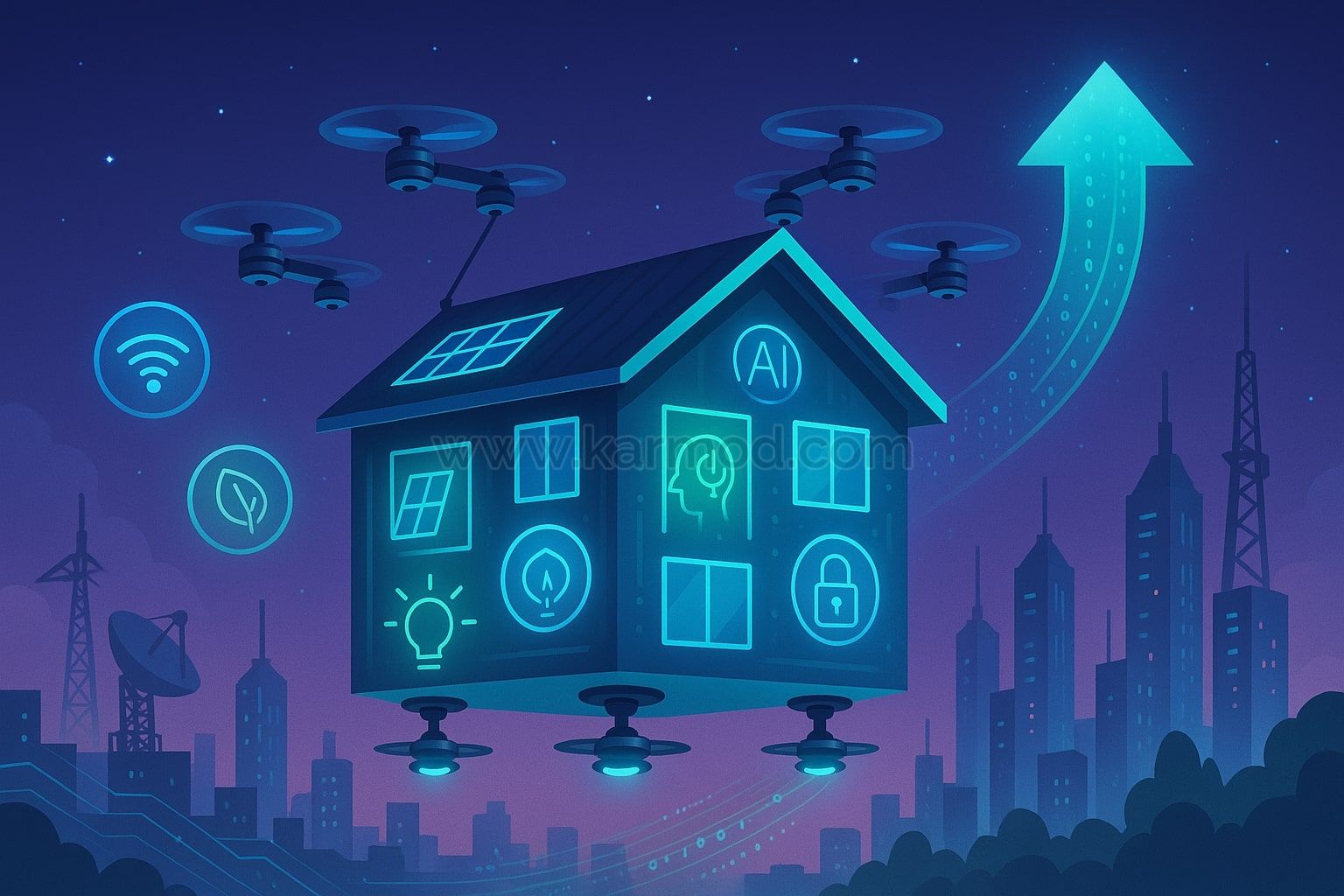
In the coming years, IoT-enabled modular buildings will be a cornerstone of smart city projects. With AI-powered IoT systems, the impact will extend beyond individual convenience to enhancing quality of life for society as a whole.
In conclusion, the flexibility of modular construction combined with the intelligence of IoT paves the way for energy-efficient, sustainable, and highly personalized living spaces—a vision of the future that is already within reach.
Would you like me to make this version more business-focused (emphasizing investment, cost reduction, ROI) or tech-driven (with details about sensors, communication protocols, and system architecture)?
 EN
EN