EN
EN 


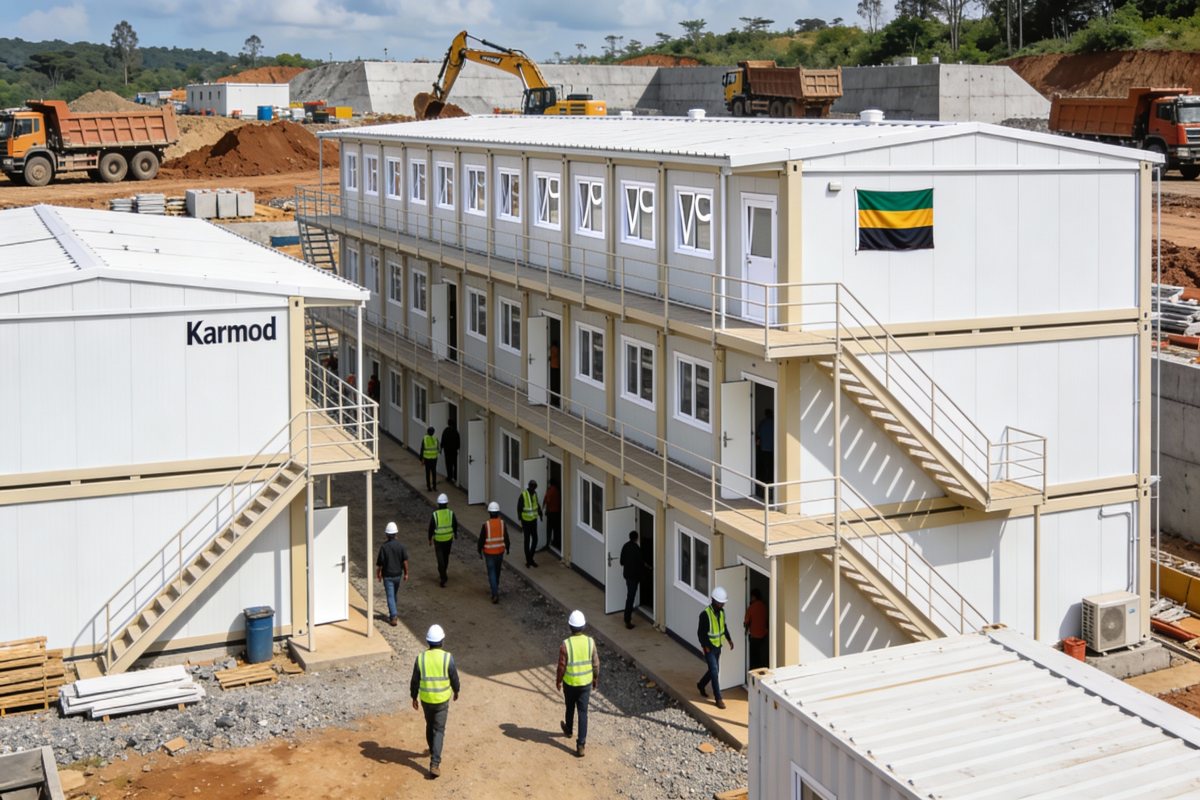
Rwanda’s construction market is evolving quickly as Kigali expands and secondary cities strengthen their roles in logistics, services, and light industry. With a temperate highland climate, distinct wet and dry seasons, and a growing emphasis on efficient land use, project owners often prioritize building methods that shorten timelines, reduce site disruption, and perform reliably across changing weather conditions.
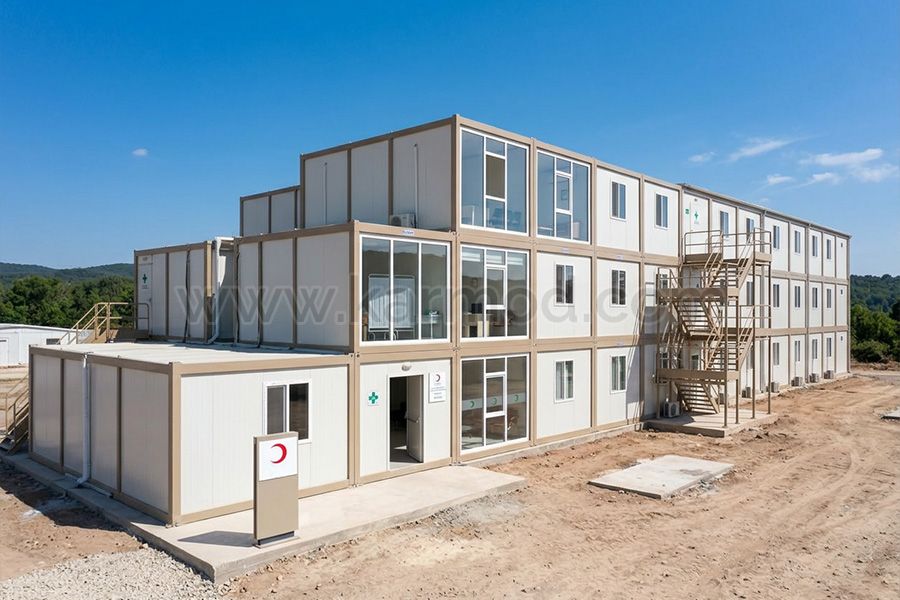
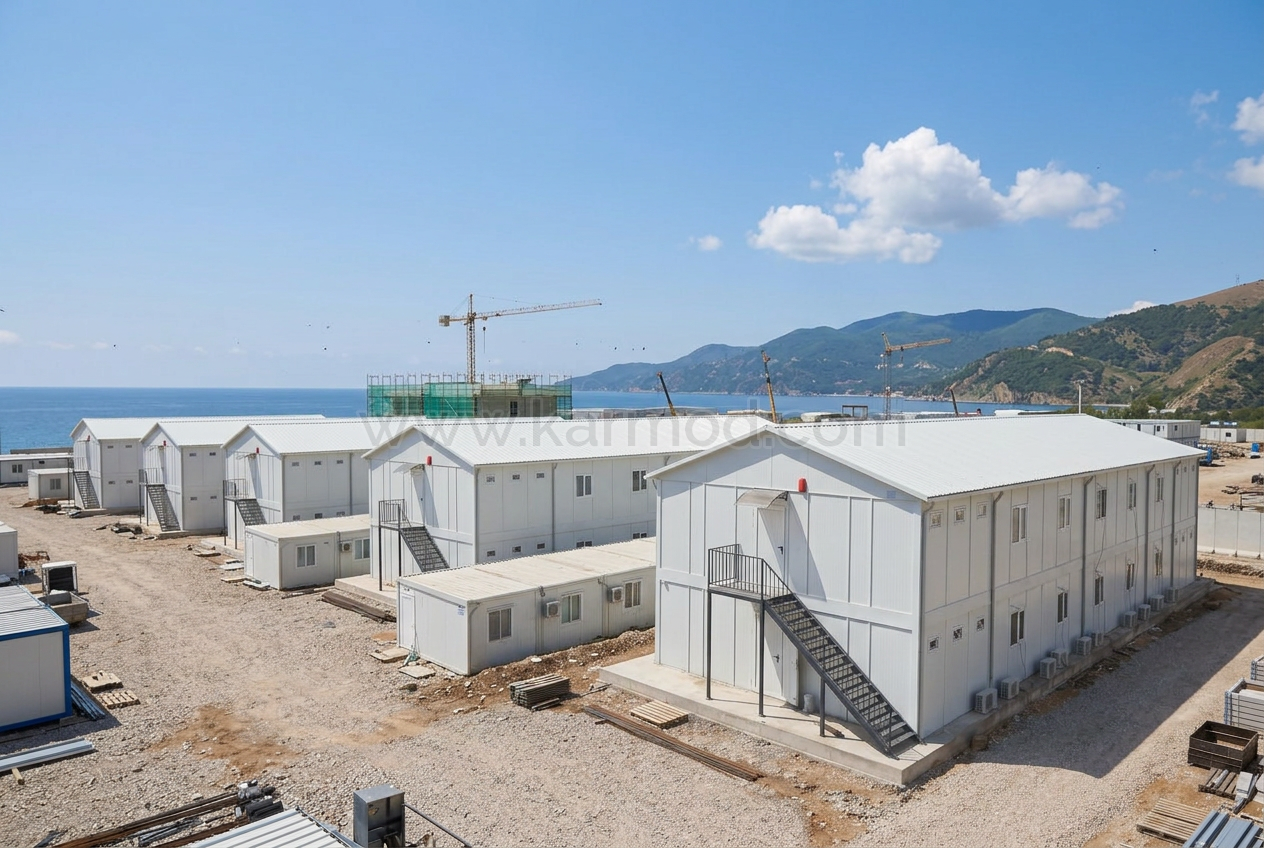
For international B2B buyers, containers have become a practical foundation for fast, controlled delivery of space. Today, Rwanda is seeing broader adoption of Container buildings for workforce accommodation, temporary facilities, and semi-permanent operations. From Rwanda container buildings for active job sites to Rwanda container homes planned for compact plots, modular construction supports predictable budgets and easier scaling when requirements change.


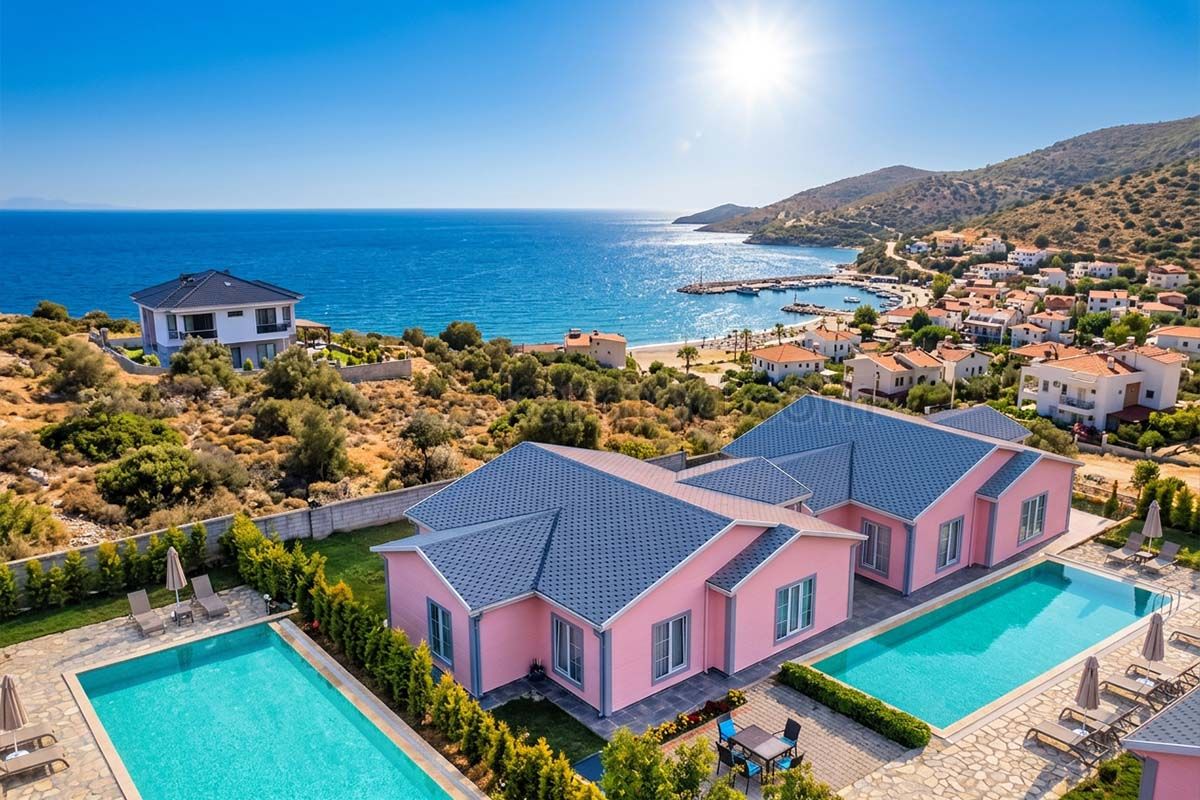
Rwanda container homes are gaining traction because they solve a familiar challenge: delivering comfortable, functional living space without long construction lead times. As prefabricated container systems, these homes can be produced in controlled conditions, which helps improve consistency in insulation installation, detailing, and finishing quality. For buyers who need repeatable outcomes across multiple sites, that controlled production approach is often as important as design.
Sustainability is typically achieved through efficient material use and reduced on-site waste, supported by factory-led workflows. When paired with appropriate insulation packages, ventilation strategy, and moisture management, container-based homes can offer stable indoor comfort throughout Rwanda’s rainy seasons and cooler evenings at elevation.
Affordability comes from shortened project schedules, simplified foundations on many sites, and reduced site labor exposure. The goal is not “cheap construction,” but a predictable route to occupancy with fewer variables. This is especially relevant for staff housing near projects, hospitality cabins, or phased residential developments where units can be added as demand grows.
Flexibility and modularity are the defining advantages. Modular container buildings allow layouts to shift from single modules to multi-module family configurations, with options for terraces, covered walkways, and shared courtyards. In Rwanda, this flexibility supports both urban plots and remote project locations where logistics and site access can change over time.
To perform well in local conditions, climate-resistant container buildings should be specified for rainfall intensity, humidity control, and durable exterior finishes that hold up under frequent wet-dry cycles. That climate suitability is what turns a container structure into a dependable building asset.


Across construction, agriculture, and supply-chain operations, Rwanda container storage solutions provide secure capacity where permanent warehouses are not yet justified or where projects require mobility. These units are used to protect tools, equipment, spare parts, consumables, and sensitive materials while keeping inventory close to the point of use.
Mining and quarry operations often require rugged storage with reliable access control and clear internal organization. Container storage supports secure keeping of components, PPE, maintenance kits, and high-value tools, with upgrades such as reinforced floors, shelving, and controlled ventilation where needed.
Agriculture benefits from nearby storage for inputs and equipment parts, helping reduce handling time during peak seasons. For cooperatives and agribusinesses, modular deployment makes it easier to add capacity near processing points or collection routes.
Logistics and distribution use cases include overflow inventory, packaging materials, returns staging, and temporary buffer storage when volumes spike. For multi-site operators, the relocation advantage is critical: storage can move with contracts, routes, or project phases.
Construction sites rely on durable, lockable storage to maintain order and reduce losses. With strong door systems and appropriate weather protection, these units deliver dependable security and faster site setup.
For Rwanda container buildings, selecting a manufacturer is fundamentally a question of build reliability and long-term performance. Karmod is often considered by international buyers because of its emphasis on controlled production, consistent detailing, and engineering-led solutions that can be adapted to project requirements rather than treated as one-size-fits-all products.
In Rwanda’s wet seasons and humidity-prone conditions, durability depends on how the building envelope is designed: corrosion protection, water-shedding roof and junction details, insulation continuity, and ventilation strategy all influence service life. Where projects require repeat deployment, manufacturing consistency becomes a major advantage in maintaining quality across multiple units and locations.
Customization should serve function first. Practical modifications include layout planning for workflows, door and window positioning for daylight and airflow, security enhancements, internal finishes suited to heavy use, and MEP readiness. When the goal is to scale efficiently, prefabricated container systems help organizations standardize their facilities while still allowing site-specific adaptations.
Fast-moving projects in Rwanda often require professional workspace quickly, whether for site management, engineering teams, administration, or client-facing coordination. Rwanda container offices provide a structured, rapid-to-deploy solution that can be expanded or reconfigured as staffing levels and project phases change. A dedicated container office supports day-to-day operations with a predictable setup, including meeting areas, documentation storage, and controlled access where needed.
Flexibility is central: units can be arranged as single offices, open-plan team spaces, or multi-module compounds with meeting rooms and welfare areas. For organizations balancing CAPEX and project timelines, modular container buildings allow staged delivery and scalable planning without committing to a fixed building footprint too early.
Cost advantage is strongest when paired with performance. Comfortable work environments depend on insulation, ventilation, and acoustic control, particularly in busy sites or near transport corridors. When specified as climate-resistant container buildings, office modules remain productive across seasonal shifts and heavy rainfall periods.


Commercial applications are expanding as Rwanda’s service economy grows and businesses seek faster routes to operational space. Rwanda container buildings can be configured as reception units, service centers, ticketing points, small clinics within private developments, training rooms, customer support hubs, and multi-unit business clusters. The advantage is not only speed, but the ability to plan modular expansion as footfall or service requirements increase.
For developers, modular commercial layouts support phased delivery: start with essential units and add modules for additional tenants, storage, or back-of-house functions. This staged approach reduces risk while maintaining consistent architectural language across a site.
Retailers use container-based formats to launch quickly in high-visibility locations, activate new neighborhoods, or create branded pop-up experiences. Rwanda container buildings for retail can operate as stand-alone kiosks, compact showrooms, cafés, or multi-unit retail clusters with shared circulation and signage strategies.
Branding flexibility is a practical benefit: façades, glazing, canopies, and interior finishes can be aligned with a brand’s identity while still using standardized module sizes. When planned correctly, container shops can be relocated to follow demand, support events, or rotate seasonal locations without rebuilding from scratch.
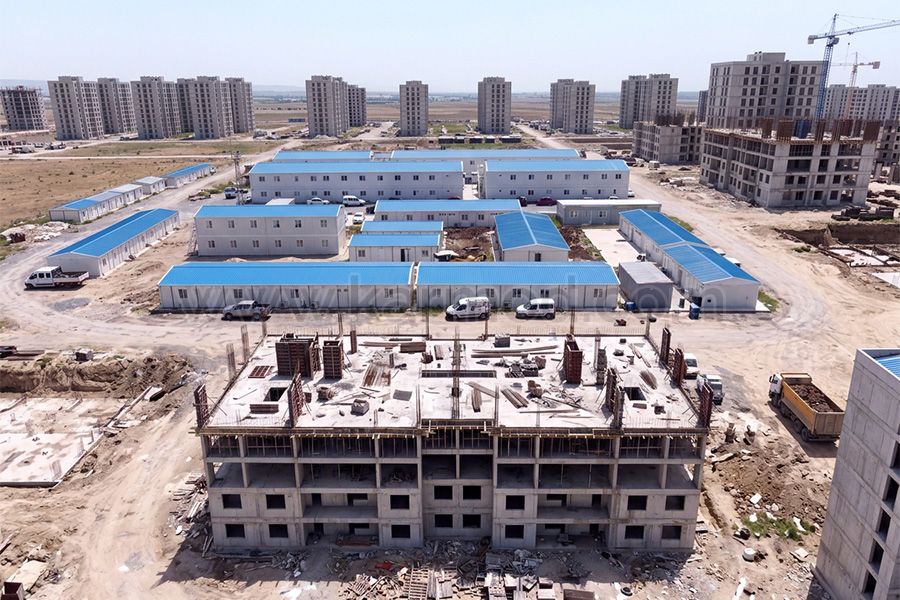
As urban demand increases, Rwanda is exploring housing formats that can be delivered faster and scaled responsibly. Rwanda container homes can be developed into apartment-style schemes using stacked modules, shared stair cores, and community-oriented site planning. This approach is particularly relevant where projects need phased delivery, predictable costs, and compact footprints.
Well-planned container apartment communities can include shared courtyards, shaded walkways, and service zones that support maintenance and waste management. The focus should remain on performance: ventilation, moisture control, and robust finishes are essential to ensure long-term habitability and reduced maintenance. When executed with prefabricated container systems, these projects can standardize quality across repeated unit types.
Beyond residential and commercial needs, Rwanda container buildings support public-facing and social infrastructure where rapid deployment is critical. Modern use cases include:
With the right engineering and detailing, modular container buildings become dependable assets rather than short-term structures. For organizations operating across multiple locations, aligning Rwanda container buildings, Rwanda container offices, and Rwanda container storage solutions under a consistent specification standard helps improve reliability, simplify procurement, and support scalable expansion as needs evolve.
In order to serve you better, if you could kindly send an e-mail to info@karmod.com for questions and details about your theoretical and special architectural plans, projects, and product specifications, your request will be responded to as soon as possible.

From one end of the world to the other, we enable our customers to reach the ready-made construction sector produced with the new technology of the world. We guarantee reliability through technology and innovation, flexible commercial models and smart supply chain solutions that add value for you, following the project production network.
Discover
Karmod is one of the largest prefabricated construction companies in Turkey, with a production of 45,000 m2. produces high quality prefabs and prefab containers