EN
EN 


Spanning eleven time zones from the Baltic to the Pacific, Russia’s geography ranges from densely populated urban corridors to remote industrial territories with limited infrastructure. Long winters, heavy snow loads, freeze–thaw cycles, and strong wind exposure in many regions shape how buildings must perform. At the same time, Russia’s economy depends on large-scale industries—energy, mining, logistics, manufacturing, and agriculture—where fast deployment and reliable site facilities matter as much as long-term durability.
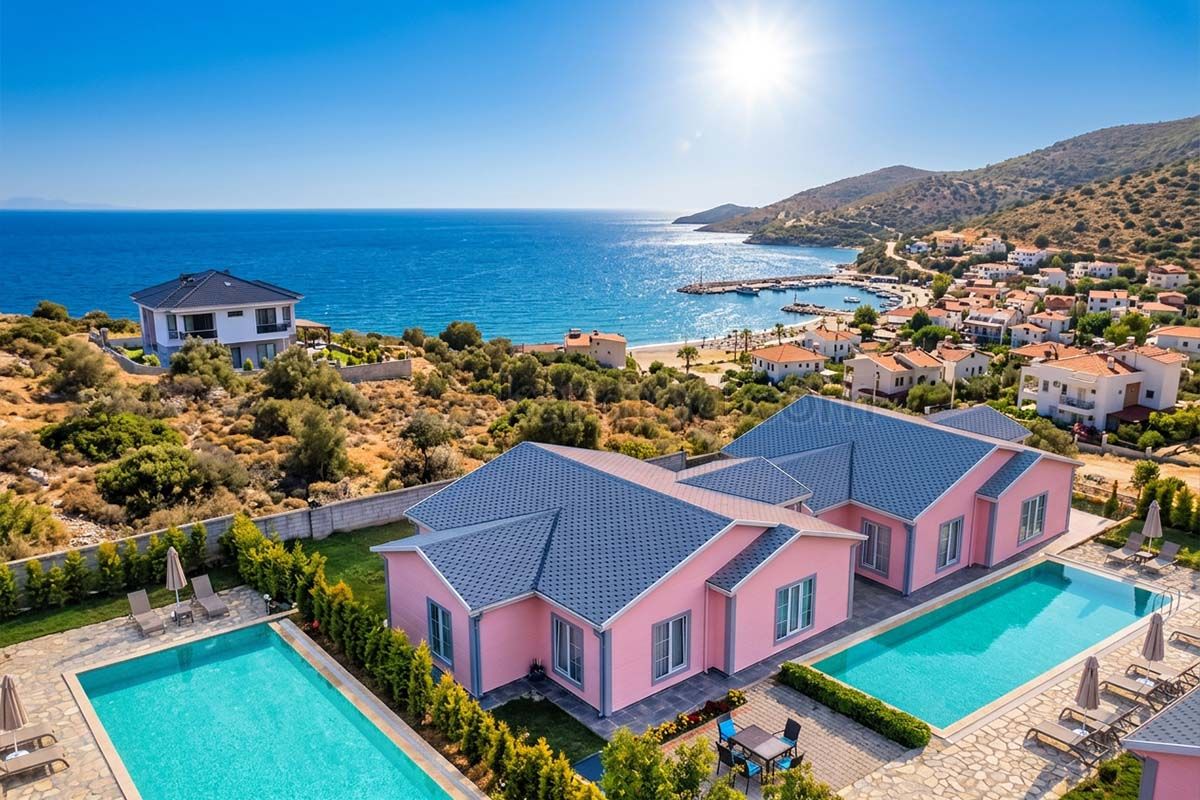
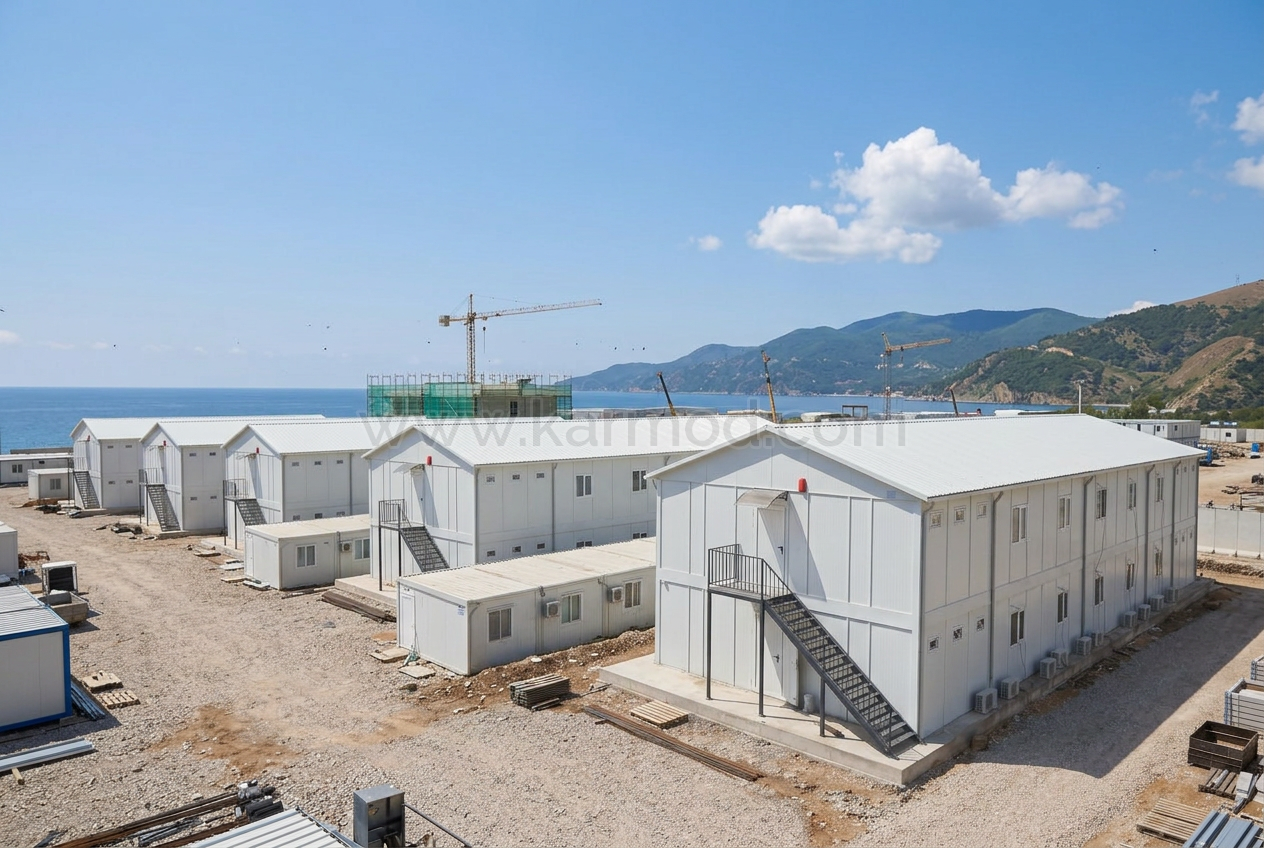
In this context, container-based architecture has become a practical way to create functional space quickly and predictably. Russia container buildings support everything from workforce accommodation and temporary facilities to permanent business units, while Russia container homes offer a modern route to housing that can be expanded over time. With container buildings and modular construction, projects can scale in phases and adapt to location constraints without sacrificing engineering performance.


Russia container homes are increasingly chosen for their efficient footprints and the ability to create comfortable interiors without relying on extended on-site construction seasons. Modular container buildings allow repeatable quality control in production and straightforward assembly on prepared foundations—an advantage in regions where weather windows are short and skilled labor availability can fluctuate.
Sustainability is often less about trends and more about measurable performance. Prefabricated container systems help reduce on-site waste, optimize material usage, and support energy-focused detailing such as high-performance insulation packages, airtight assembly, and thermal-bridge management—crucial in severe cold. For milder southern zones or coastal areas with higher humidity, ventilation strategies, vapor control layers, and corrosion protection become central to ensuring long service life.
For buyers balancing performance and speed, climate-resistant container buildings make it possible to achieve durable envelopes and comfortable interiors while maintaining the advantages of modular delivery.


From northern resource extraction to major transit hubs, Russia container storage solutions are used where secure, weather-protected capacity is needed immediately. Mining operations, agricultural producers, logistics operators, and construction contractors often require storage that can be deployed near the work zone, moved when the project shifts, and secured against unauthorized access.
Well-designed storage units prioritize structural integrity, secure access points, and surface protection suitable for snow, ice, road salt, and seasonal condensation. In addition to classic storage, modular container buildings can be configured as tool cribs, spare-parts depots, or temperature-managed units for sensitive materials.
The relocation advantage is a defining benefit: Russia container storage solutions can follow the work, helping organizations keep assets protected without rebuilding fixed structures for every new location.
In a market shaped by long-distance logistics and demanding climate zones, selecting a container manufacturer is as much an engineering decision as a commercial one. Karmod is recognized for delivering prefabricated container systems with consistent production standards, robust detailing, and project-specific configuration options that suit Russia’s varied conditions.
Rather than relying on generic specifications, reliable solutions focus on the technical layers that determine service life: corrosion protection strategies, insulated panel performance, moisture management, load-bearing design for transport and stacking, and joinery that remains stable through freeze–thaw cycles. For clients, the practical value lies in repeatable quality and the ability to customize layouts, openings, interior finishes, and mechanical provisions without compromising structural discipline.
For international buyers and project developers operating in Russia, engineering reliability and predictable delivery often outweigh purely aesthetic considerations—especially for industrial, infrastructure, and remote projects.
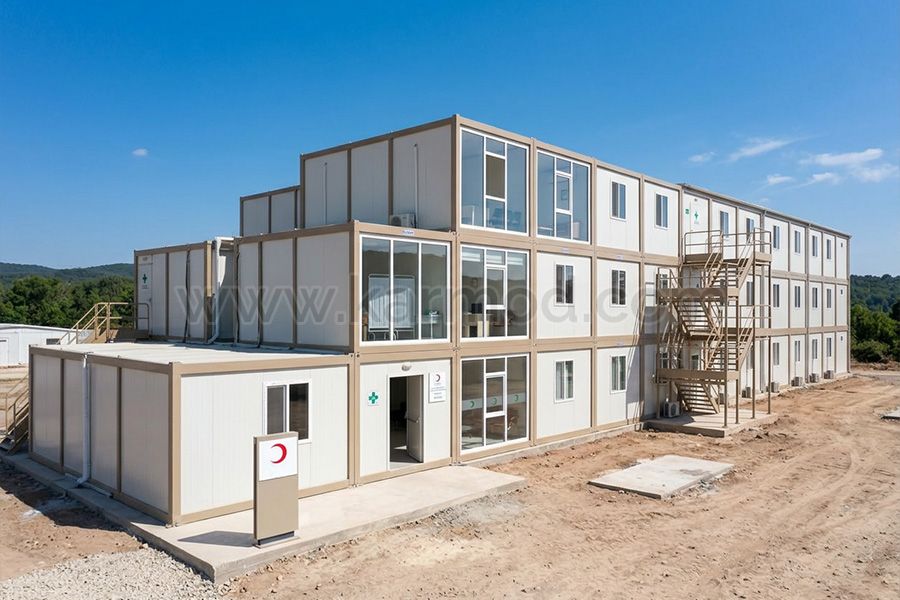
Across industrial zones and expanding regional hubs, Russia container offices support faster setup of professional work environments where traditional construction can slow operations. Using container offices, teams can create site headquarters, meeting rooms, administration areas, and controlled-access workspaces with a standardized footprint that is easy to scale.
Office flexibility comes from modular planning: add units as headcount grows, separate functions, and reorganize layouts when the project moves. Prefabricated container systems also offer a cost advantage by reducing on-site labor intensity and shortening the timeline from procurement to occupancy.


For commercial operators, Russia container buildings enable functional business spaces that can open quickly and adapt to changing demand. Modular container buildings can serve as sales offices, service centers, showrooms, and small business complexes—particularly where leasing cycles, seasonal demand, or fast market entry makes conventional construction less attractive.
Design flexibility is one of the key reasons container-based commercial buildings are adopted. Facades, entrances, glazing, and interior layouts can be tailored to the brand and operational flow, while the structure remains grounded in prefabricated container systems engineered for transport and repeatable assembly.
Retail formats in Russia are increasingly shaped by mobility and speed. Russia container shop innovations support pop-up shops, seasonal kiosks, and modular retail clusters that can be positioned near transport nodes, event venues, or developing neighborhoods.
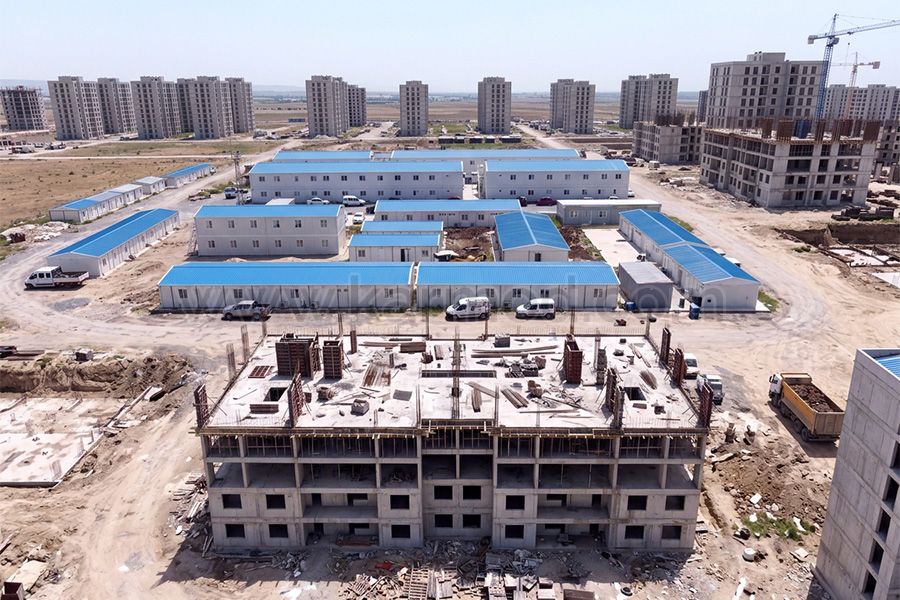
In cities where housing demand can outpace conventional delivery, Russia container apartment concepts provide an alternative pathway to add units with controlled production quality. Modular container buildings support repeatable apartment typologies while enabling staged construction that aligns with financing and permitting timelines.
For multi-unit projects, prefabricated container systems can be planned around community layouts such as shared courtyards, stair cores, and modular service zones. When engineered appropriately, climate-resistant container buildings help manage energy performance, acoustic comfort, and durability—essential for long-term residential use.
Beyond housing and commerce, Russia container buildings are increasingly relevant for public-facing infrastructure where speed and reliability are critical. Modular container buildings can be configured as schools, clinics, community centers, and administrative facilities—especially in regions where traditional construction logistics are complex.
For stakeholders evaluating Russia container homes, Russia container offices, and Russia container storage solutions, the strongest results come from aligning modular design with climate engineering, logistics planning, and lifecycle durability.
In order to serve you better, if you could kindly send an e-mail to info@karmod.com for questions and details about your theoretical and special architectural plans, projects, and product specifications, your request will be responded to as soon as possible.

From one end of the world to the other, we enable our customers to reach the ready-made construction sector produced with the new technology of the world. We guarantee reliability through technology and innovation, flexible commercial models and smart supply chain solutions that add value for you, following the project production network.
Discover
Karmod is one of the largest prefabricated construction companies in Turkey, with a production of 45,000 m2. produces high quality prefabs and prefab containers