EN
EN 


Construction has always been an industry shaped by time, cost, and practicality. Traditional methods, while reliable, are increasingly challenged by today’s demands: urban expansion, sustainability concerns, and the urgent need for adaptable spaces. As a result, relocatable buildings and permanent modular construction (PMC) have emerged as powerful alternatives that combine efficiency with long-term quality.
Both approaches rely on prefabrication, but they serve very different purposes. Relocatable buildings are designed to be temporary yet highly functional, while permanent modular structures can rival or even surpass conventional buildings in durability and design.
Understanding how these two models differ—and how they complement each other—is crucial for schools, healthcare providers, businesses, and governments looking for flexible infrastructure solutions.
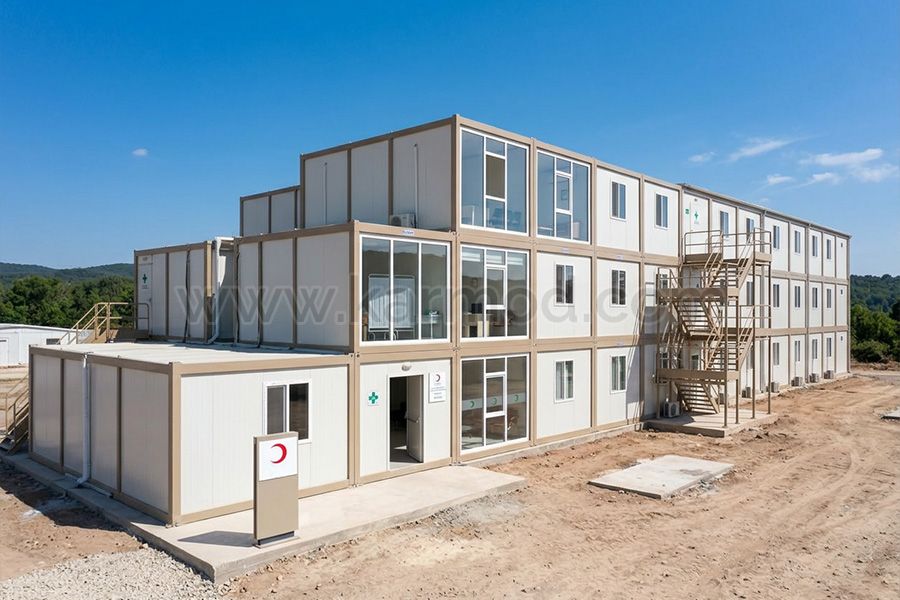
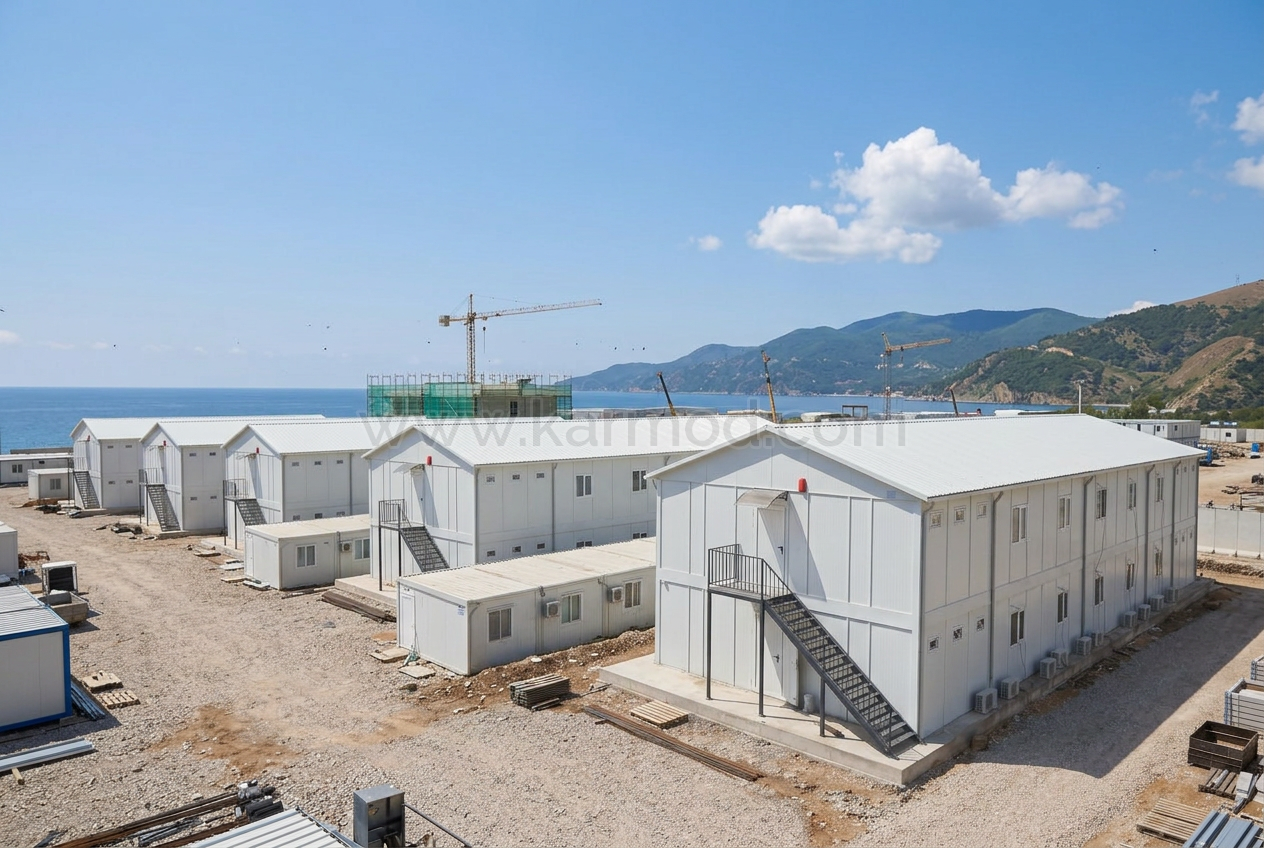
Relocatable buildings, sometimes known as mobile or temporary modular structures, are manufactured off-site and delivered ready for use. They can be assembled quickly, dismantled just as easily, and relocated to meet evolving needs.
Despite their temporary label, relocatable buildings are built to meet strict codes and standards. They are often used for:
Relocatable buildings are not about cutting corners; they’re about delivering usable, safe, and efficient spaces in record time.


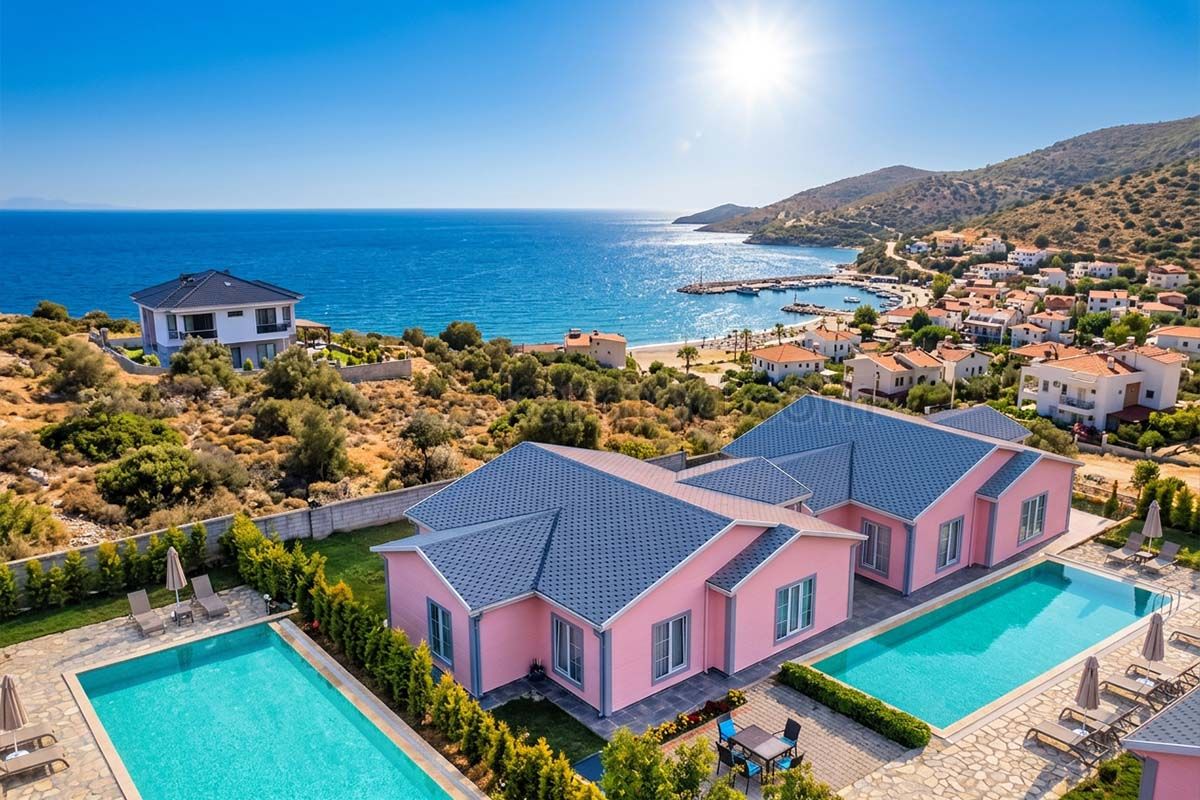
Permanent modular construction is a method of building in which large portions of a structure are prefabricated in factory conditions and then transported to the site for final assembly. Unlike relocatable buildings, PMCs are meant to last for decades, integrating into communities as schools, hospitals, offices, or residential complexes.
PMC combines the best of traditional construction with the efficiency of modular innovation.
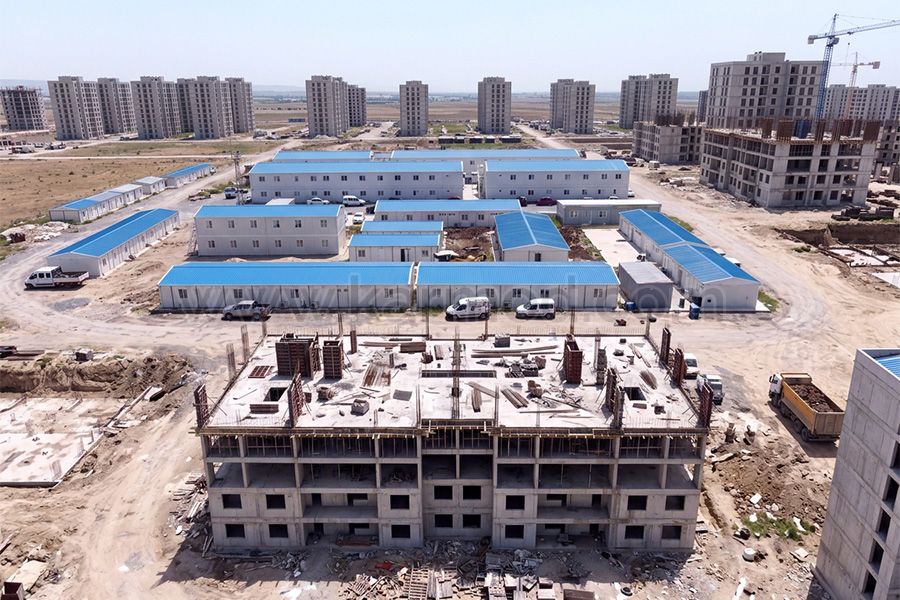
Relocatable buildings and PMCs both stem from prefabrication, but their applications differ significantly. Relocatable units are typically deployed for short-term or transitional needs, while PMCs offer long-term, investment-grade infrastructure.
In practice, organizations often use both: a school district may employ relocatable classrooms during a sudden enrollment spike, then invest in a permanent modular wing once long-term demand is confirmed. Similarly, a hospital might install relocatable testing units during a health crisis while simultaneously commissioning permanent modular operating rooms.
The key distinction lies in intended lifespan—relocatable buildings are about immediacy, while PMC emphasizes permanence and integration into the built environment.

One of the most significant reasons modular solutions are gaining traction is their environmental impact.
Relocatable buildings contribute by being reusable across multiple sites, while PMCs support long-term sustainability goals through durable and eco-conscious construction.
Despite rapid adoption, modular and relocatable buildings face lingering myths:
Choosing between relocatable buildings and PMC requires weighing immediate versus long-term needs.
Forward-looking organizations often combine both: using relocatable units for short-term agility while investing in PMC for permanent infrastructure.
Fast-growing school districts in the U.S. and Canada have relied on relocatable classrooms to prevent overcrowding, then transitioned to modular campuses when enrollment stabilized.
During global health emergencies, relocatable clinics provided immediate testing and treatment centers, while PMCs were built to expand hospital capacity permanently.
Companies expanding to new markets have used relocatable offices as interim solutions before moving into permanent modular headquarters.
Both relocatable buildings and PMC are evolving alongside advances in technology and sustainability. Looking ahead, we can expect:
The line between temporary and permanent is becoming more fluid, as even relocatable buildings now incorporate advanced design elements that rival permanent structures.
Relocatable buildings and permanent modular construction represent two sides of the same innovative coin. Both challenge the idea that quality and speed are mutually exclusive. By leveraging prefabrication, organizations can respond to urgent needs without sacrificing safety or design—and can plan for the future with durable, efficient structures.
The world is changing, and construction must change with it. With relocatable and permanent modular options, industries gain the tools to build smarter, faster, and greener than ever before.
In order to serve you better, if you could kindly send an e-mail to info@karmod.com for questions and details about your theoretical and special architectural plans, projects, and product specifications, your request will be responded to as soon as possible.

From one end of the world to the other, we enable our customers to reach the ready-made construction sector produced with the new technology of the world. We guarantee reliability through technology and innovation, flexible commercial models and smart supply chain solutions that add value for you, following the project production network.
Discover
Karmod is one of the largest prefabricated construction companies in Turkey, with a production of 45,000 m2. produces high quality prefabs and prefab containers