EN
EN 


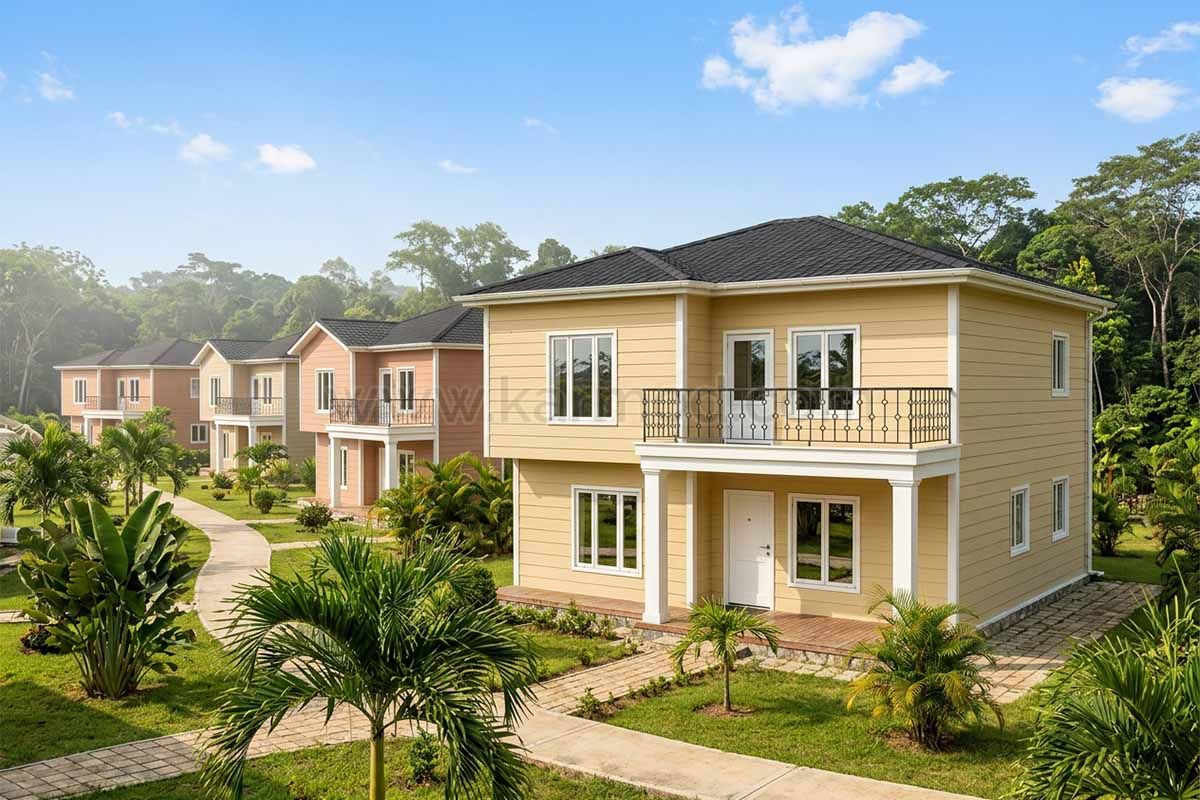
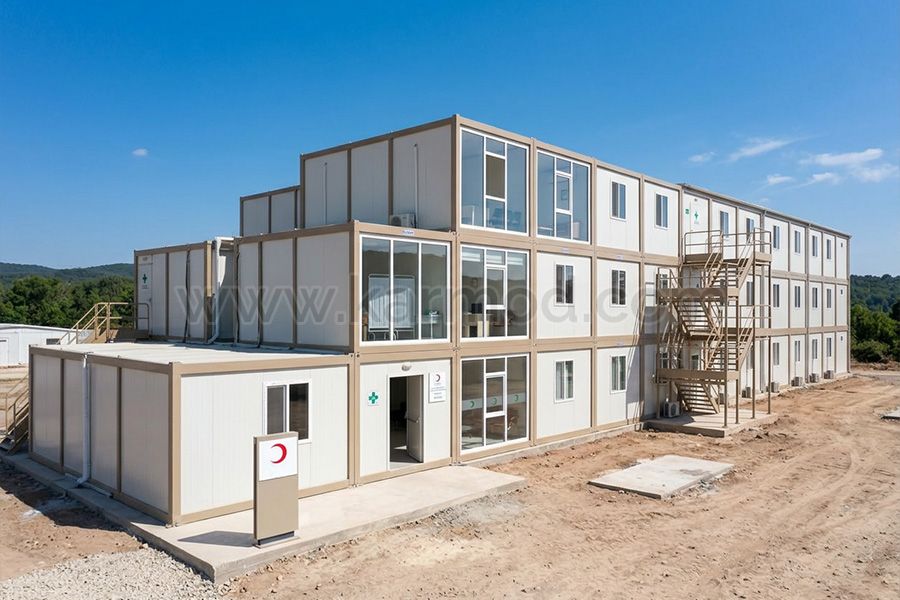
Prefabricated homes in Venezuela can be described as factory-produced housing systems designed for fast installation, flexible use, and practical living conditions. In this article, the term “prefabricated home” refers to a complete building solution that may include a steel frame, insulated wall panels, roofing system, floor structure, windows, doors, electrical lines, plumbing, bathroom units, kitchen areas, and optional climate-adapted features. Modular construction is commonly produced off-site in controlled factory conditions, which can improve quality control and reduce on-site construction disruption.
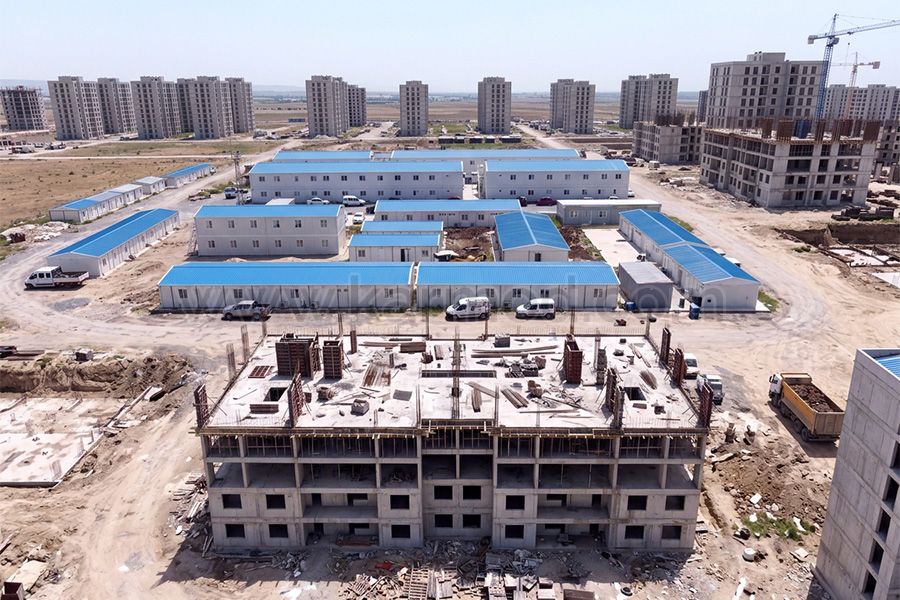
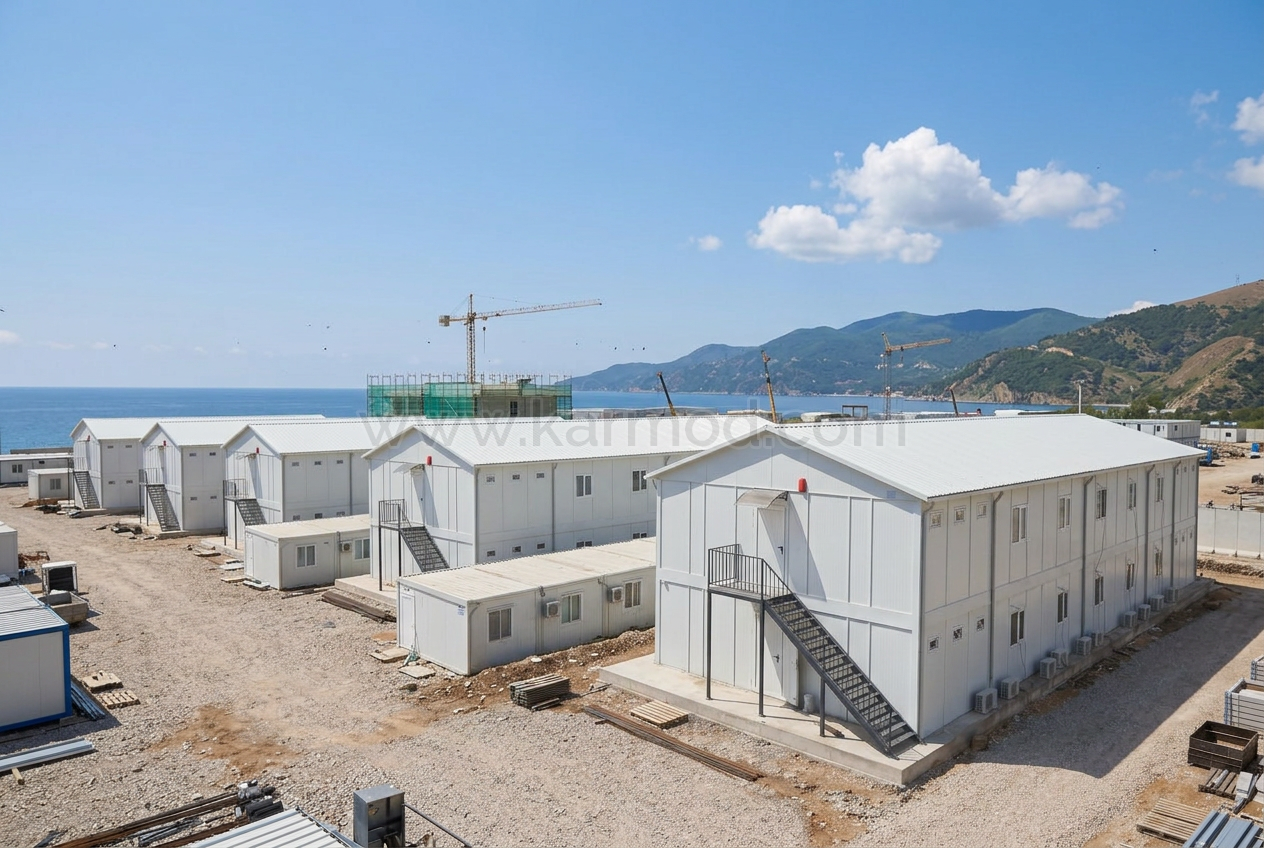
Prefabricated homes are especially useful when speed and standardization matter. Since many parts of the building are manufactured before arriving on site, the construction process can become more organized and predictable. This makes prefab homes suitable for private housing projects, company accommodation areas, worker camps, rural settlements, and emergency housing programs.
In Venezuela, prefabricated homes can be adapted to different regional needs. Coastal areas may require corrosion-resistant steel, strong roof fixing, and good ventilation because of humidity and salt exposure. Inland or rural areas may need simpler transport logistics, durable wall systems, and easy-to-maintain utility connections. Urban areas, on the other hand, may benefit from compact modular layouts that make better use of limited land.
A well-designed prefabricated home is not only about fast installation. Technical details are what make the structure reliable. For example, the roof must be securely connected to the wall frame, wall panels must be fixed to the structural skeleton, and the whole building must be anchored to the foundation. In seismic regions, building codes and seismic design provisions are important because they guide how structures should be designed and constructed to reduce earthquake risk.


This is why searches such as Venezuela earthquake today, earthquakes in Venezuela, and seismic risk Venezuela are relevant when discussing housing safety. Northern Venezuela is located near the boundary between the Caribbean Plate and the South American Plate, where strike-slip fault movement can create damaging earthquakes. For prefab homes, this does not mean that every building is automatically earthquake-proof; it means the design, foundation, anchoring, and installation quality must match the risk level of the area.
For regions affected by a Caracas earthquake or strong local shaking, prefab housing should be planned after a proper site evaluation. Engineers should check soil type, slope stability, drainage, access roads, and whether the land is suitable for a lightweight modular structure. If the site has weak soil, landslide risk, or poor drainage, the foundation design may need to be strengthened before installation.
Another important point is Venezuela aftershocks. After a major earthquake, aftershocks can continue and may damage already weakened buildings. For this reason, prefab homes used in post-disaster housing should include strong frame connections, flexible water and electrical lines, fixed interior furniture, and secure roof-to-wall joints. The goal is not only to build quickly, but to create a safer and more stable living environment.
Prefabricated homes can also support long-term housing development in Venezuela. They can be produced in repeatable models, transported in sections, and assembled according to project needs. This makes them useful for both small family homes and larger planned settlements. In areas where traditional construction is slow, costly, or difficult to organize, prefab systems can offer a more practical alternative.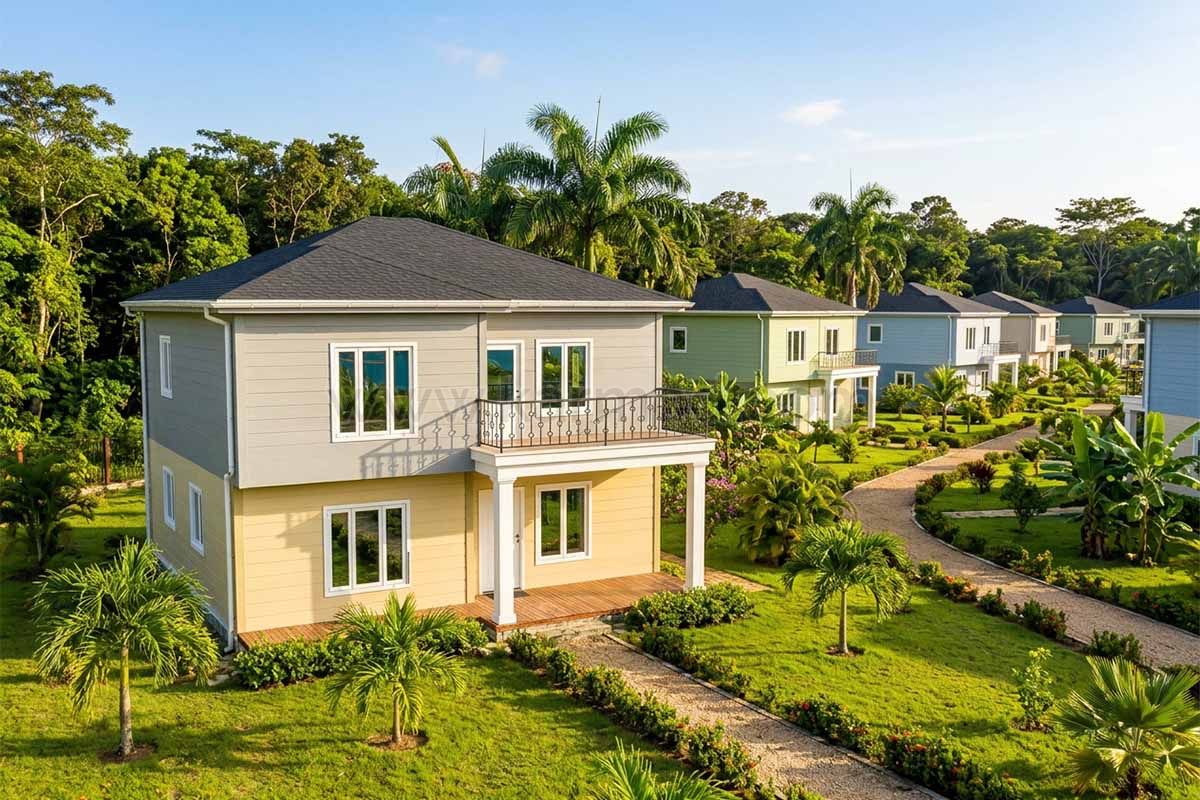
From a technical point of view, a high-quality prefab home in Venezuela should include:
The main advantage of prefab homes is that they combine speed with controlled production. However, the success of a prefabricated housing project depends on correct engineering, good materials, trained installation teams, and proper land selection. In Venezuela, where housing needs may vary between urban, coastal, rural, and disaster-prone regions, prefabricated homes can provide a flexible and practical building solution.
In order to serve you better, if you could kindly send an e-mail to info@karmod.com for questions and details about your theoretical and special architectural plans, projects, and product specifications, your request will be responded to as soon as possible.

From one end of the world to the other, we enable our customers to reach the ready-made construction sector produced with the new technology of the world. We guarantee reliability through technology and innovation, flexible commercial models and smart supply chain solutions that add value for you, following the project production network.
Discover
Karmod is one of the largest prefabricated construction companies in Turkey, with a production of 45,000 m2. produces high quality prefabs and prefab containers