EN
EN 


If you take a look at the construction industry today, you’ll notice something interesting: the traditional “brick by brick” approach is no longer the only option. More and more developers, homeowners, and governments are turning to prefabricated buildings as a smart alternative. But what exactly makes prefab so attractive, and where does it fit into the bigger picture of modern construction? Let’s dive in.


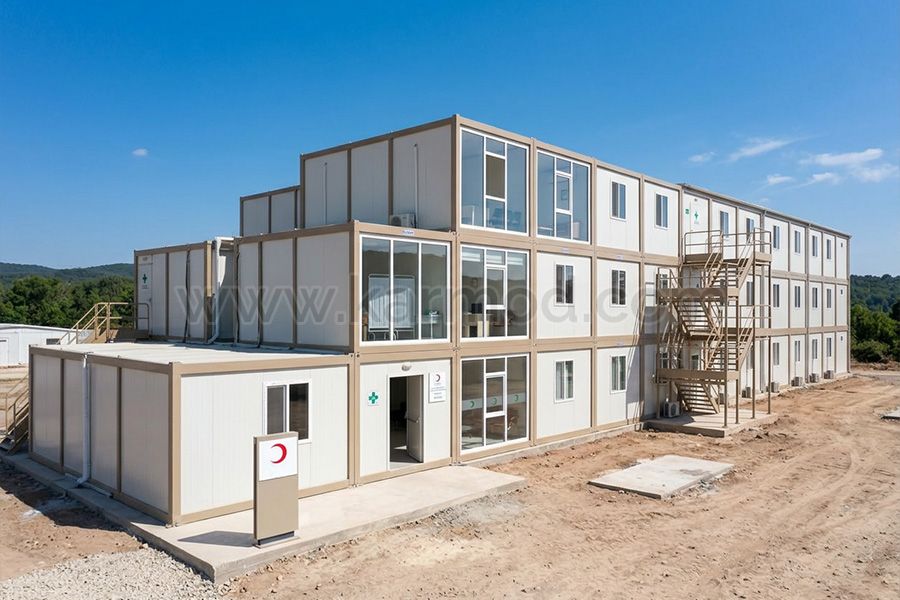
At its core, prefabrication means that most of the building components—walls, floors, roofs—are produced in a factory-controlled environment and later assembled on-site. This approach is not only more efficient but also less prone to the unpredictable delays caused by weather, labor shortages, or logistical problems.
Simply put, prefabrication is bringing speed, efficiency, and predictability into a sector that has historically struggled with cost overruns and long timelines.
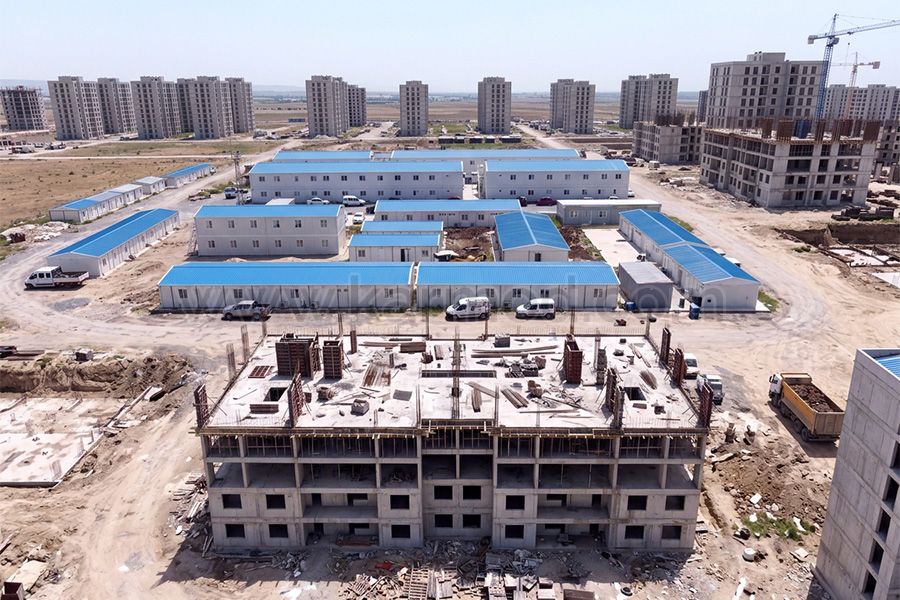
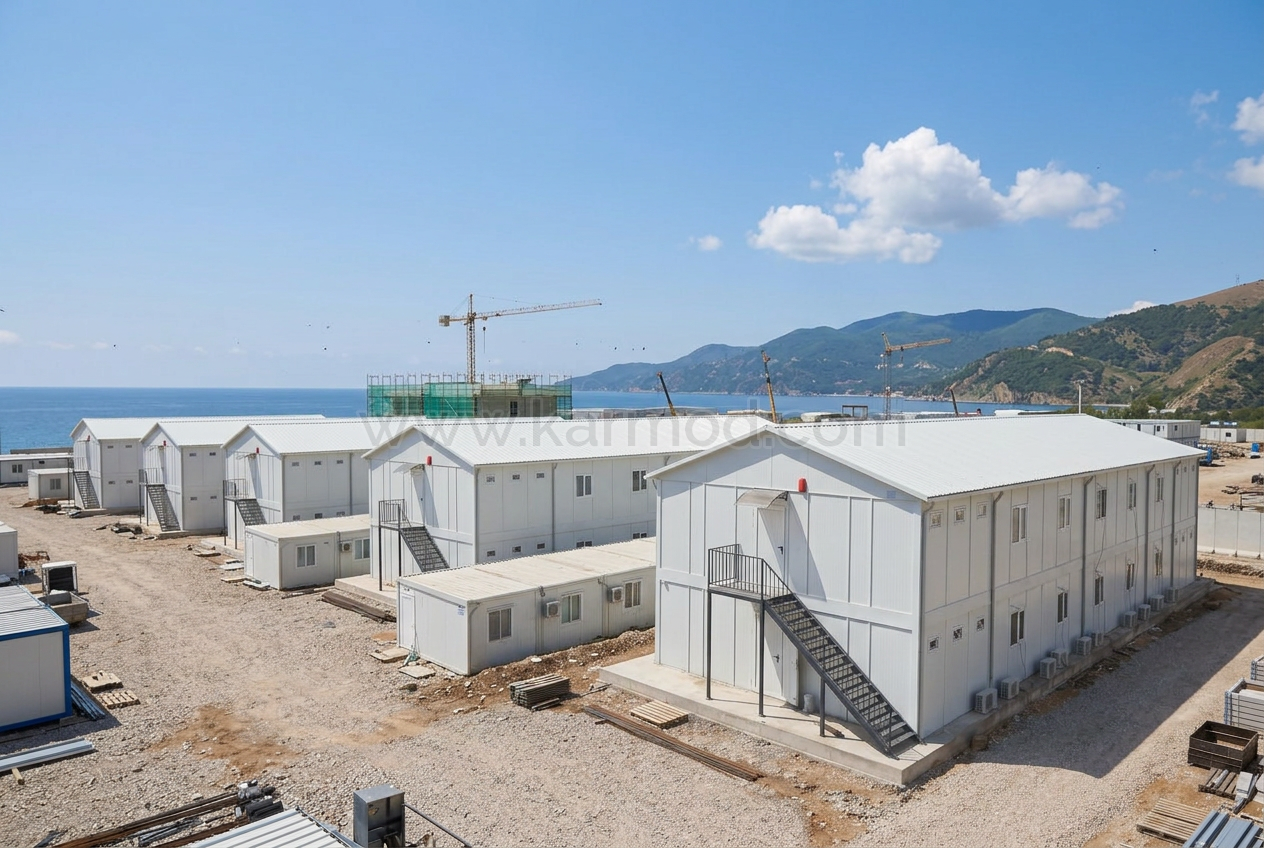
While most people think of prefab in the context of affordable housing or modular homes, the industry is going much further.
This versatility proves that prefabrication is not just a niche—it’s a mainstream building method.
Of course, it’s not all smooth sailing. Some people still associate prefabricated buildings with “temporary” or “low-quality” structures. Additionally, transporting large modules can be costly in certain regions. However, continuous improvements in design, material quality, and local regulations are gradually overcoming these barriers.


Looking ahead, prefabricated buildings are expected to become a dominant force in the global construction market. With smart technologies, renewable energy solutions, and customizable designs entering the scene, prefab homes and commercial buildings are positioning themselves as sustainable, future-ready solutions.
Experts predict that by 2030, a significant portion of urban development will rely on prefabrication methods—making it one of the fastest-growing construction trends worldwide.
Prefabricated buildings are no longer just a convenient alternative. They represent a fundamental shift in how we think about construction: faster, greener, and more adaptable to the needs of the modern world.
In order to serve you better, if you could kindly send an e-mail to info@karmod.com for questions and details about your theoretical and special architectural plans, projects, and product specifications, your request will be responded to as soon as possible.

From one end of the world to the other, we enable our customers to reach the ready-made construction sector produced with the new technology of the world. We guarantee reliability through technology and innovation, flexible commercial models and smart supply chain solutions that add value for you, following the project production network.
Discover
Karmod is one of the largest prefabricated construction companies in Turkey, with a production of 45,000 m2. produces high quality prefabs and prefab containers