EN
EN 


Zimbabwe is a landlocked country in Southern Africa characterized by high plateaus, savannah landscapes, and diverse climate zones ranging from subtropical conditions to semi-arid regions. With expanding urban centers such as Harare and Bulawayo, along with growing demand for housing in both rural and peri-urban areas, efficient and cost-controlled construction methods are increasingly important. Seasonal rainfall, warm temperatures, and infrastructure variations across provinces require housing systems that are adaptable and reliable.
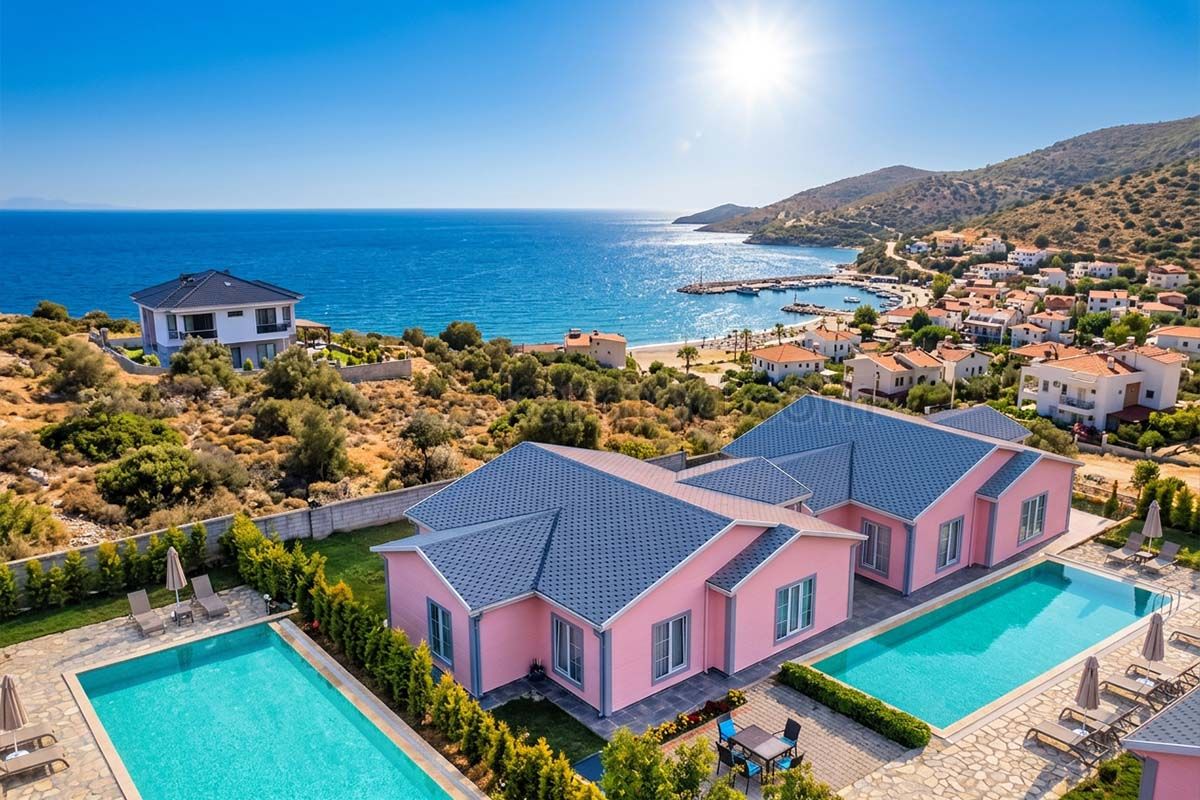
A prefab house in Zimbabwe offers a practical solution to these challenges. Prefabricated housing solutions are manufactured in controlled facilities and assembled on-site, reducing construction time and minimizing material waste. Prefab homes in Zimbabwe are particularly suitable for projects where speed, budget predictability, and climate resilience are key priorities. Through advanced modular housing solutions and modular construction systems, homes can be customized for local conditions while maintaining consistent structural quality.
Housing systems in Zimbabwe must respond to temperature variations, seasonal rains, and both urban and remote construction environments. Modern prefabricated housing solutions are engineered to address these factors efficiently.
Prefab homes in Zimbabwe are designed with insulation systems and moisture-resistant materials that help maintain indoor comfort during hot seasons and heavy rainfall periods. Structural components are manufactured to withstand regional weather patterns, ensuring durability in both city and rural settings.
Transporting conventional building materials to remote areas can increase project timelines and costs. A prefab house in Zimbabwe is delivered in modular sections, simplifying logistics and reducing on-site labor requirements. This approach supports remote or climate-based construction projects where accessibility may be limited.
Since structural elements are produced off-site, assembly time is significantly shorter compared to traditional brick-and-mortar construction. Faster installation allows homeowners, developers, and institutions to complete housing projects within predictable schedules.
The cost of prefab homes in Zimbabwe depends on size, architectural layout, insulation level, and interior specifications. Compared to conventional construction methods, prefabricated systems provide clearer budgeting due to standardized production processes and reduced labor intensity.
Each project is evaluated individually to reflect transportation distance, foundation requirements, and selected materials. This project-based approach ensures that buyers receive accurate and transparent pricing aligned with their needs.
For buyers seeking economical housing, a low cost prefab house in Zimbabwe cost structure focuses on optimized design and efficient material use. Standardized modular components reduce unnecessary expenses while maintaining structural integrity and safety.
Modular cost control also allows phased expansion. Homeowners can begin with a core unit and add additional modules later, making budget planning more flexible. For more details about system features, you can review available prefab homes models.


Zimbabwe’s growing population has increased demand for organized residential development. Prefabricated housing solutions support large-scale housing initiatives by enabling consistent quality and faster deployment.
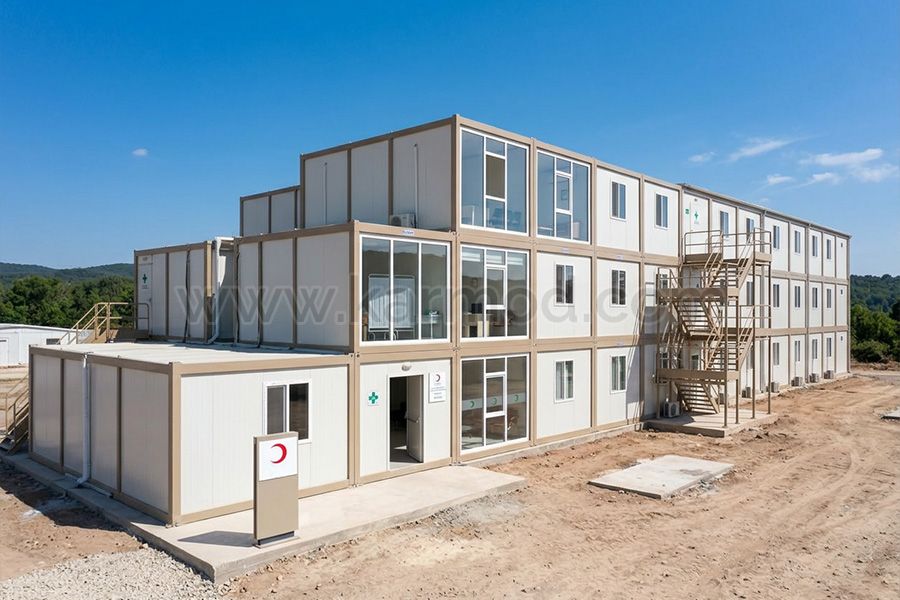
Modular housing solutions allow the development of standardized residential units for community projects. Infrastructure such as schools, clinics, and shared facilities can be integrated into broader housing master plans.
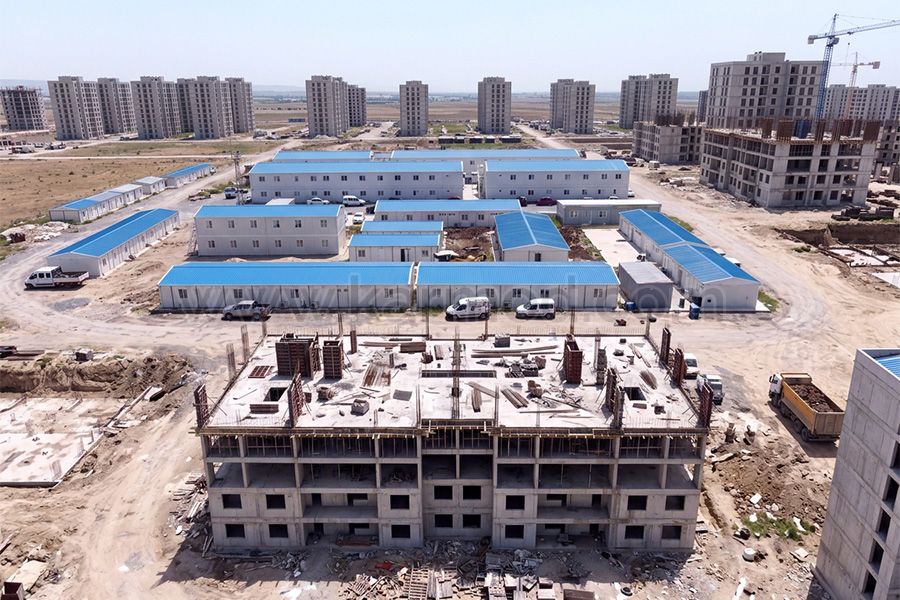
Public housing initiatives benefit from modular construction systems due to cost transparency and scalable production. Prefab homes in Zimbabwe can be manufactured in volume while maintaining uniform quality standards.
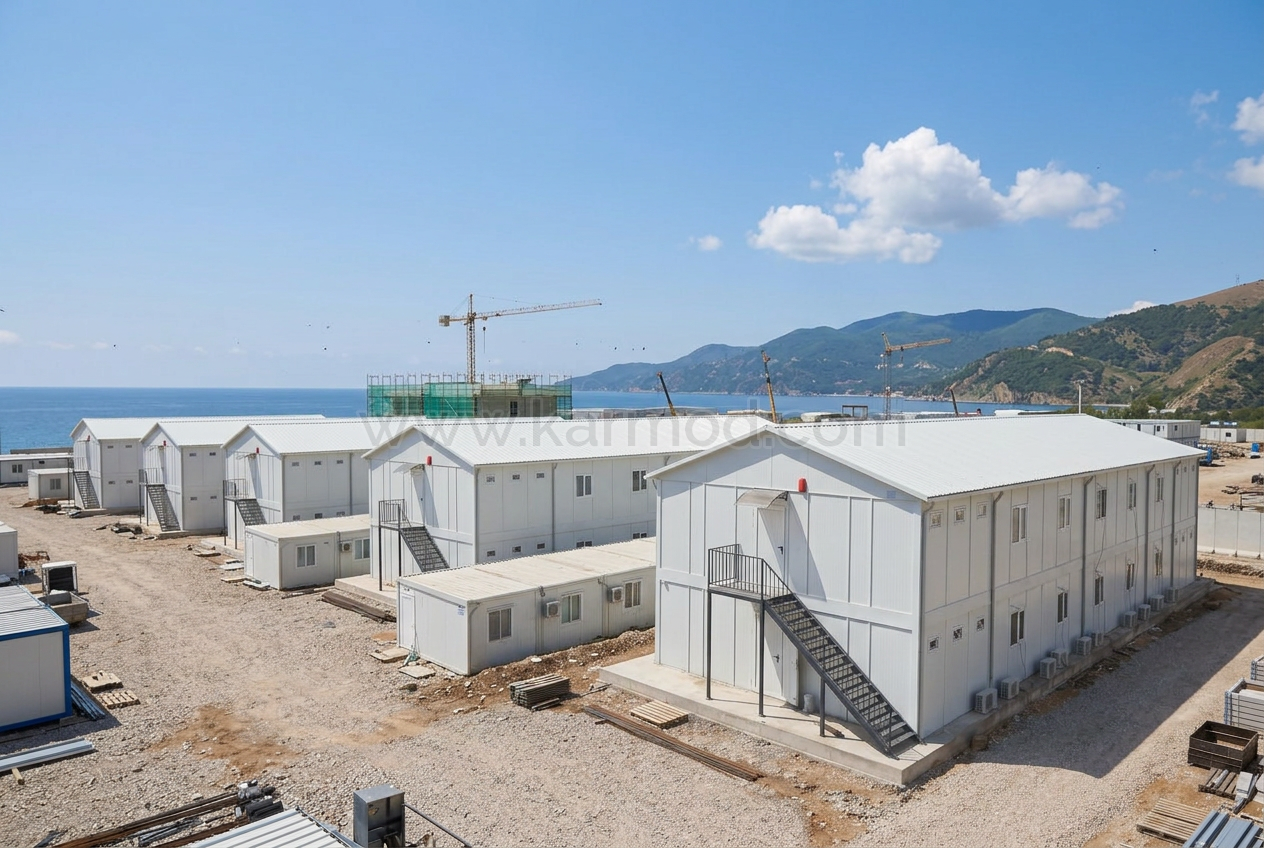
In cases where rapid accommodation is required—such as workforce housing or post-disaster support—prefabricated systems can be installed quickly, reducing overall project timelines.
Industrial, agricultural, and commercial sectors increasingly require durable building systems. Prefab steel buildings in Zimbabwe provide strong structural solutions for warehouses, factories, and logistics centers. Customizable steel buildings are engineered for long-term operational performance.
Steel structural systems offer high load-bearing capacity and resistance to structural stress, making them suitable for industrial and commercial use.
Protective coatings and engineered roofing systems enhance resistance against rainfall, heat exposure, and environmental wear.
Prefab steel buildings in Zimbabwe are designed for minimal maintenance and future expansion, allowing facilities to scale as operational needs grow.
Modular homes in Zimbabwe combine design flexibility with long-term planning advantages. Built through modular construction systems, these homes can be adapted for urban developments or countryside living.
Layouts can be adjusted to include additional bedrooms, verandas, or service areas. Exterior finishes can also be selected to reflect local architectural preferences.
Additional modules can be integrated into the original structure without major reconstruction. This expandability makes modular homes in Zimbabwe suitable for growing families.
Prefabricated housing solutions offer predictable maintenance requirements and operational costs, supporting sustainable residential planning.
Mobile homes in Zimbabwe provide flexible accommodation for temporary or relocatable needs. These structures are produced as transportable units and require minimal site preparation.
Mobile units are suitable for construction sites, agricultural projects, mining operations, and seasonal workforce accommodation.
Unlike permanent structures, mobile homes can be relocated to different sites when required, supporting project-based usage.
From infrastructure development to rural service facilities, mobile and modular housing systems offer adaptable shelter solutions with efficient assembly and dismantling processes.


Prefab houses in Zimbabwe are transforming the housing sector by delivering affordable, energy-efficient, and durable homes. These prefabricated housing solutions combine modern design principles with practical construction methods suitable for local climate conditions. Whether for private residences or investment properties, prefab homes in Zimbabwe offer reliable and scalable living spaces.
In urban areas such as Harare, prefabricated houses are increasingly preferred due to fast installation and cost control. Modular homes in Zimbabwe allow property owners to respond to rising urban housing demand while maintaining flexibility in design. Prefabricated systems help reduce construction time and provide structured solutions for expanding neighborhoods.
Regional developments, including the growth of prefab houses South Africa, have influenced construction trends in Zimbabwe. Many buyers searching for affordable housing alternatives are considering prefabricated and modular systems as a strategic investment. These systems align international quality standards with local environmental requirements.
While prefab homes offer many advantages, some considerations remain important. Customization flexibility may vary depending on the chosen model, and quality standards differ between manufacturers. Careful evaluation of materials, structural systems, and installation expertise is essential to ensure long-term durability and performance.
In order to serve you better, if you could kindly send an e-mail to info@karmod.com for questions and details about your theoretical and special architectural plans, projects, and product specifications, your request will be responded to as soon as possible.

From one end of the world to the other, we enable our customers to reach the ready-made construction sector produced with the new technology of the world. We guarantee reliability through technology and innovation, flexible commercial models and smart supply chain solutions that add value for you, following the project production network.
Discover
Karmod is one of the largest prefabricated construction companies in Turkey, with a production of 45,000 m2. produces high quality prefabs and prefab containers