EN
EN 


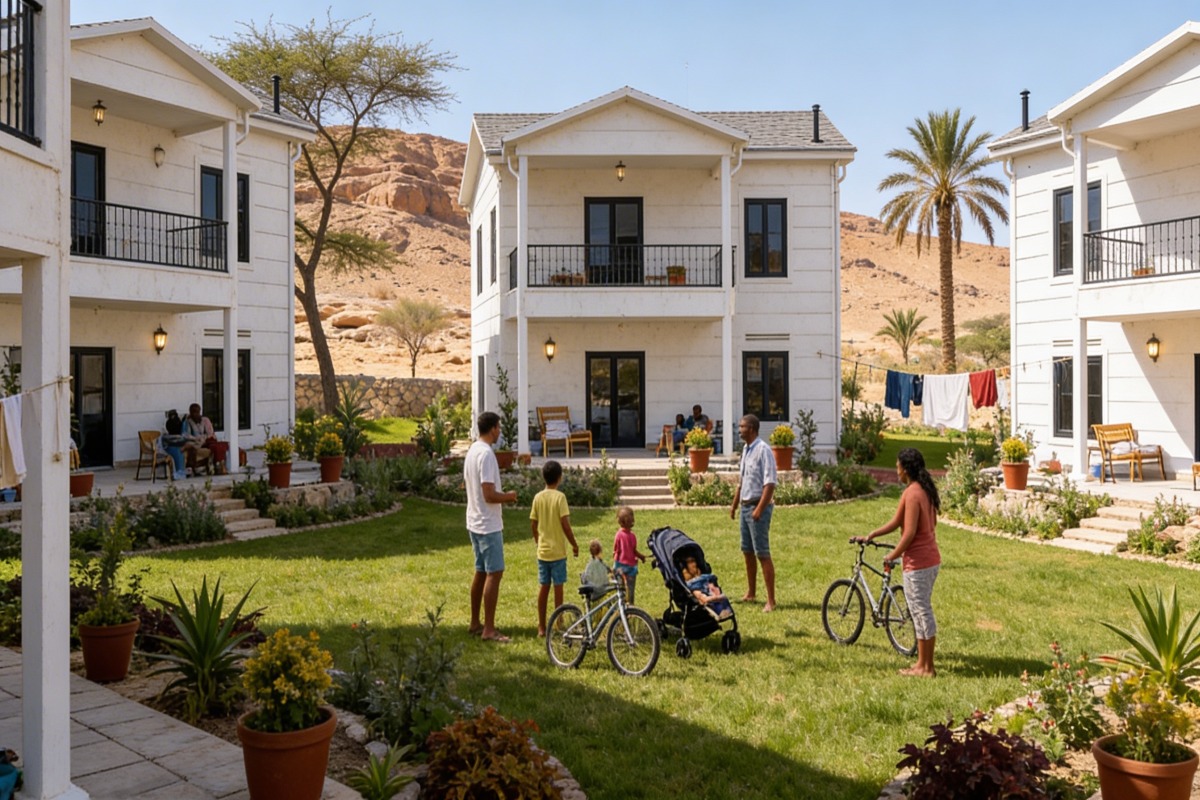
Sudan is one of the largest countries in Northeast Africa, characterized by vast deserts, semi-arid regions, and areas influenced by the Nile River. The climate is predominantly hot and dry, with extremely high summer temperatures, seasonal sandstorms, and limited rainfall in many regions. Construction projects in Sudan often face logistical challenges, remote site conditions, and infrastructure limitations. In this environment, investing in a prefab house in Sudan can provide a practical and efficient response to climate and accessibility constraints.
Prefab homes in Sudan are well suited to hot climates because they can be engineered with appropriate insulation, ventilation systems, and heat-resistant materials. Through advanced modular housing solutions and controlled factory production, prefabricated housing solutions help ensure consistent quality while reducing on-site construction time. For remote or climate-based construction areas, modular construction systems offer a structured and reliable alternative to conventional building methods.


Housing in Sudan must respond to extreme heat, strong sun exposure, and in some areas, dust and wind. Prefabricated housing solutions can be designed to meet these environmental demands while maintaining indoor comfort.
High daytime temperatures require wall and roof systems that reduce heat transfer. A prefab house in Sudan can be produced with enhanced insulation, reflective roofing materials, and ventilation strategies that support airflow. Durable exterior finishes also help protect structures from sun damage and sand exposure.
In remote or developing regions where construction materials and skilled labor may be limited, prefab homes in Sudan offer logistical efficiency. Since major components are produced off-site, transportation and installation can be organized more systematically, reducing dependency on prolonged on-site construction processes.
Modular construction systems enable rapid assembly once site preparation is complete. Faster installation is particularly beneficial for housing developments, workforce accommodation, and community projects where timely delivery is essential.
The cost of prefab homes in Sudan depends on factors such as size, layout complexity, insulation level, interior specifications, and transportation distance. Compared to traditional construction methods, modular systems provide better cost predictability due to standardized production processes.
Our prefab homes are designed to balance affordability with structural durability. Transport logistics, foundation requirements, and regional site conditions all influence final pricing. For this reason, quotations are generally prepared based on project-specific requirements.
A low cost prefab house in Sudan can be achieved through optimized modular layouts and efficient material planning. Standardized production reduces material waste and shortens construction time, helping to control overall project expenses.
Our low-cost prefab houses are developed to provide affordability without compromising structural performance. Modular cost control allows flexibility in selecting finishes, room configurations, and optional features while maintaining durability suitable for Sudan’s climate.
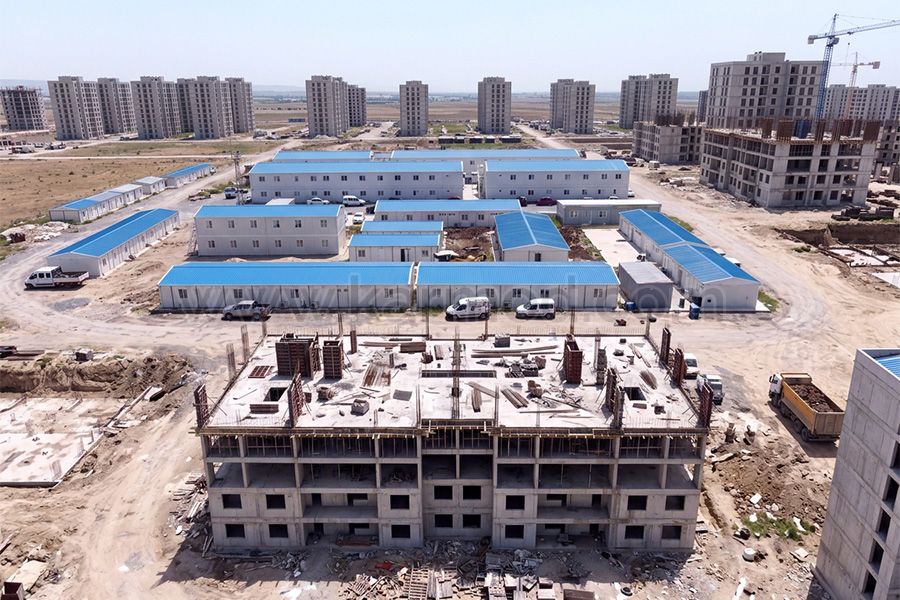
Access to affordable housing remains a priority in many regions of Sudan. Social housing projects supported by prefabricated housing solutions can help deliver residential units more quickly and efficiently.
Modular construction systems enable repeatable unit designs that are suitable for community housing developments, emergency accommodation, and public-sector initiatives. Faster deployment and consistent production standards support large-scale housing programs aimed at improving living conditions.
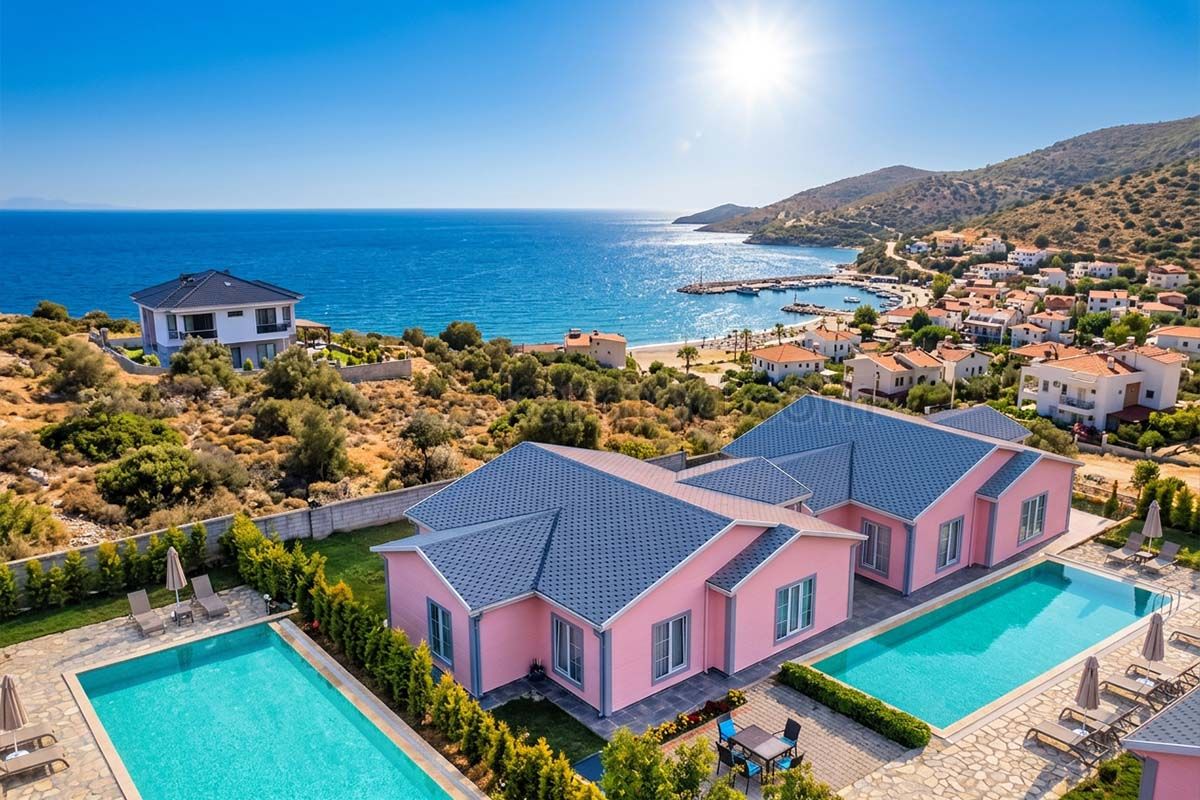
Prefab homes in Sudan can be configured for single-family dwellings or multi-unit residential communities, depending on project scope and regional needs.
Prefab steel buildings in Sudan are widely used for industrial, commercial, and institutional applications. Steel structures offer high strength and durability, making them suitable for warehouses, factories, storage facilities, and operational centers.
Our prefab steel buildings are engineered for long-term performance under demanding environmental conditions. Proper coating systems and structural design help protect against heat exposure and environmental wear.
Steel systems also allow flexible interior layouts and scalability, supporting long-term operational planning in various sectors.
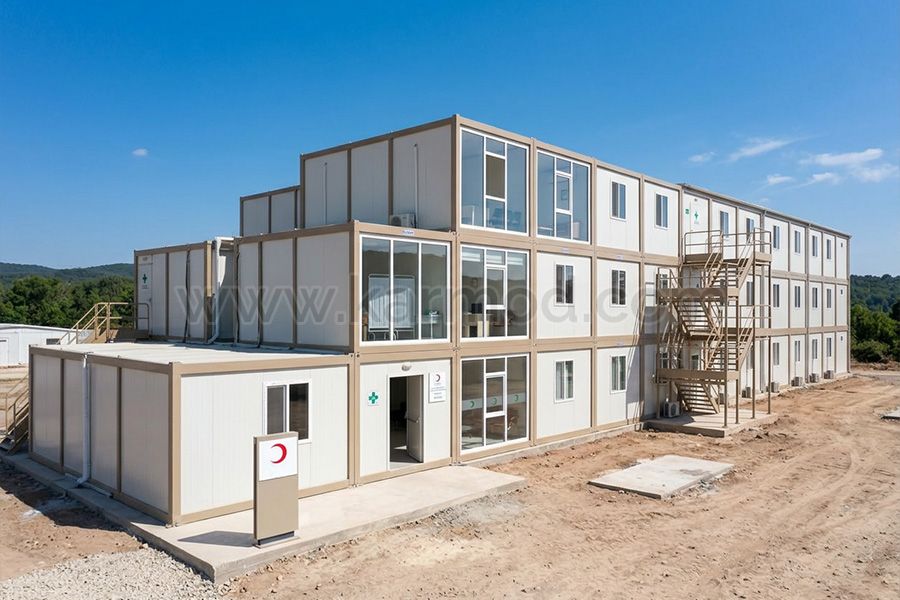
Modular homes in Sudan provide adaptable housing solutions that can be customized for urban areas, rural settlements, and workforce housing projects. Layout options can be tailored to local living patterns and family sizes.
Expandability is an important advantage of modular construction systems. As household needs grow or project requirements change, additional modules can be integrated into the existing structure. This flexibility supports long-term planning and phased development.
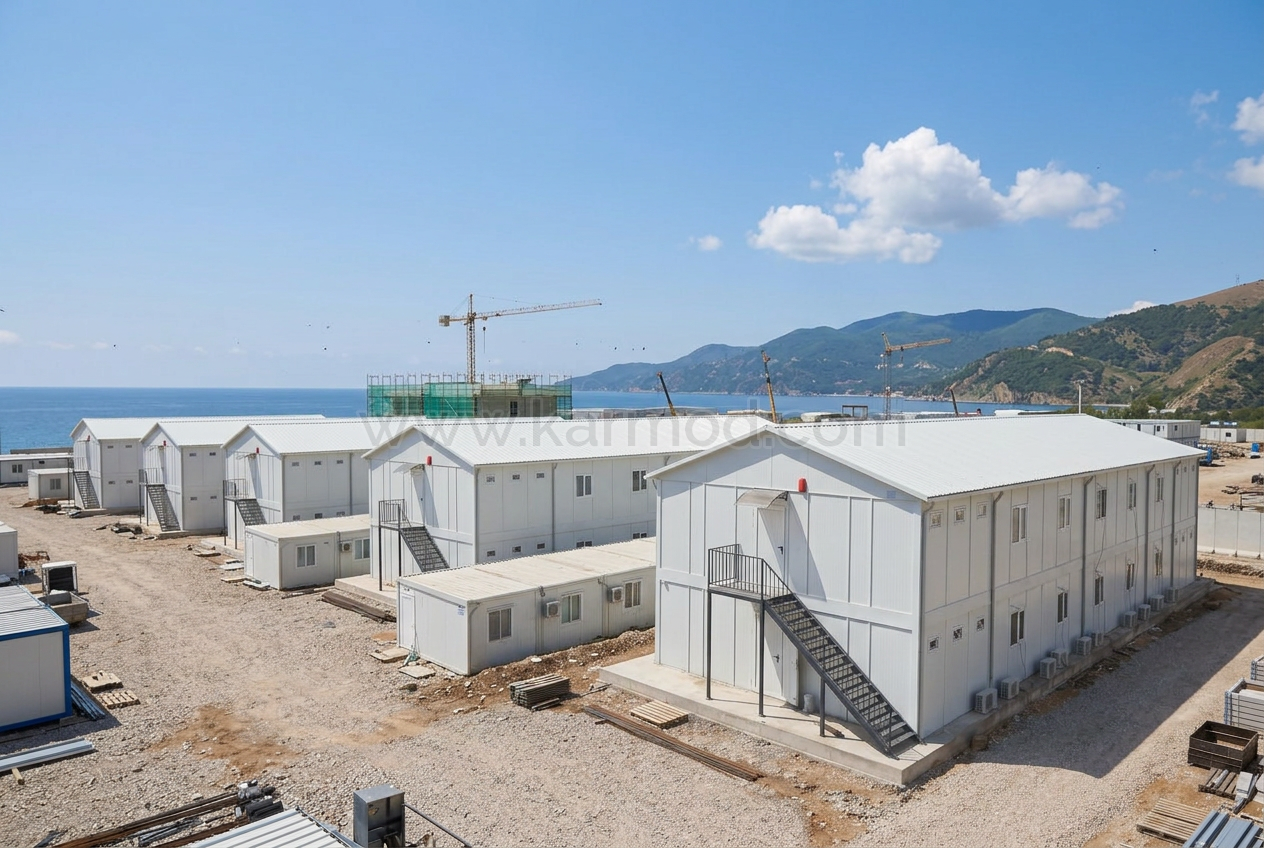
Mobile homes in Sudan are suitable for temporary housing, construction site accommodation, and relocatable project-based use. Their transportable design allows installation in remote or developing areas with limited infrastructure.
Mobile units can be configured for short-term or extended occupancy, depending on the intended purpose. Durable yet lightweight materials facilitate relocation while maintaining structural safety and comfort.
For more information about our products and services, please visit our website at www.karmod.com/en/ or email us at info@karmod.com.
In order to serve you better, if you could kindly send an e-mail to info@karmod.com for questions and details about your theoretical and special architectural plans, projects, and product specifications, your request will be responded to as soon as possible.

From one end of the world to the other, we enable our customers to reach the ready-made construction sector produced with the new technology of the world. We guarantee reliability through technology and innovation, flexible commercial models and smart supply chain solutions that add value for you, following the project production network.
Discover
Karmod is one of the largest prefabricated construction companies in Turkey, with a production of 45,000 m2. produces high quality prefabs and prefab containers