EN
EN 


Rwanda is a landlocked country in East Africa known for its highland geography, hilly terrain, and temperate tropical climate that varies by elevation. With a fast-growing economy, strong urban development in Kigali, and increasing demand for housing across secondary cities and rural districts, construction often needs to balance speed, quality, and budget control. A prefab house in Rwanda is well suited to these conditions because it can be manufactured in controlled environments and installed efficiently on-site, helping reduce delays and improve build consistency.
Prefab homes in Rwanda also support development in areas where site access, terrain, or rainy seasons can complicate conventional construction schedules. Using modular housing solutions and modular construction systems, many prefabricated housing solutions are delivered as planned components and assembled with predictable timelines and reduced on-site labor. This makes prefab construction practical for both individual homeowners and larger residential programs.
Prefab houses in Rwanda are often selected for their ability to perform well in varying elevations, seasonal rainfall, and a mix of urban and rural construction contexts. Factory-produced components can improve quality control and reduce the risks associated with inconsistent on-site conditions.
Rwanda’s two rainy seasons and humid periods require materials and detailing that manage moisture and temperature shifts. Well-designed prefab homes incorporate insulation, ventilation planning, and exterior finishes that support durability and indoor comfort in both warmer lowlands and cooler highland areas.
As a landlocked country, Rwanda relies on regional transport corridors for imported materials, and last-mile delivery can be challenging on hilly roads outside major centers. Prefabricated housing solutions help streamline logistics by shipping coordinated modules and components, reducing material losses and simplifying site storage and handling.
A major advantage of a prefab house in Rwanda is fast installation. Because key elements are produced off-site, on-site work is focused on foundations, connections, and finishing. This approach supports year-round construction planning and can reduce the overall project duration compared to traditional methods.


To ensure long-term performance, it remains important to work with systems that use appropriate structural detailing and climate-ready materials. This is especially relevant in Rwanda where local site conditions vary widely, from dense urban plots to rural land with limited infrastructure.
Prefab homes are increasingly considered in Rwanda for their controlled build process and predictable timelines. Prefab homes prices in Rwanda typically depend on floor area, structural system choice, insulation and finishes, and the complexity of the layout.
Pricing is usually influenced by the selected model type (standard vs. customized), number of rooms, roof and façade options, and interior specification level. Modular construction systems allow repeated production of standardized parts, which can help manage budgets while maintaining consistent quality.
Because Rwanda is landlocked, transport routes and delivery distance from entry points to the project site can influence total cost. Site accessibility, road conditions, and unloading requirements may also affect logistics planning, particularly for projects outside Kigali or in more remote districts.
Most projects are priced through a project-based quotation approach that considers the intended use (primary residence, staff housing, community project), foundation scope, site constraints, and installation requirements. This helps align expectations on timeline, inclusions, and overall cost.
Low cost prefab house in Rwanda cost options are typically based on simpler layouts, standardized materials, and limited customization, while still maintaining essential structural and comfort requirements. Affordability does not have to mean compromising durability when the system is designed for local weather and usage patterns.
Modular cost control can be achieved by adjusting the floor plan size, choosing practical interior finishes, and prioritizing essential features first, with upgrades planned over time. For entry-level and scalable options, Prefab homes provide a structured pathway to budget-focused housing delivery.


More affordable prefab homes in Rwanda often start with streamlined designs that prioritize essential spaces and efficient construction. Even in simpler configurations, properly insulated prefab structures can support energy efficiency and improved comfort compared to many conventional builds.
Larger modular homes in Rwanda with expanded square footage, higher-end finishes, or specialized features may have higher costs, but they provide greater customization and can be planned for long-term use, phased expansion, or multi-generational living.


In many cases, the total cost remains competitive because the build schedule is shorter and on-site labor demand is reduced. Final pricing depends on site conditions, transport planning, and the project scope defined in the quotation.
Rwanda’s continued urban growth and demand for structured residential development have increased interest in social and community housing delivery. Prefab homes in Rwanda can support social housing projects by enabling repeatable unit designs, consistent build quality, and faster rollout schedules.
For public or government-supported initiatives, prefabricated housing solutions can help deliver housing units efficiently, especially when timelines are constrained. Modular construction systems also allow phased neighborhood development, where housing blocks can be expanded as infrastructure and budgets scale.
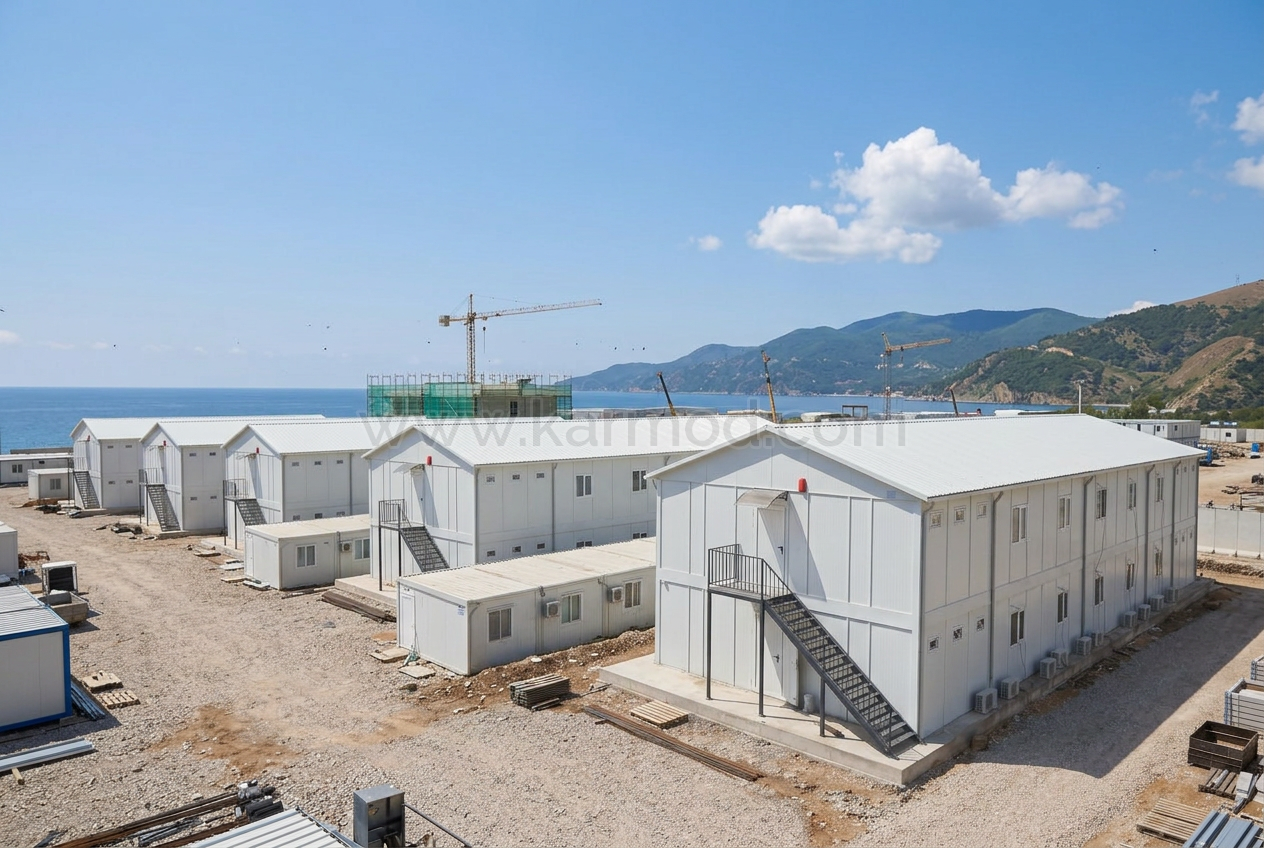
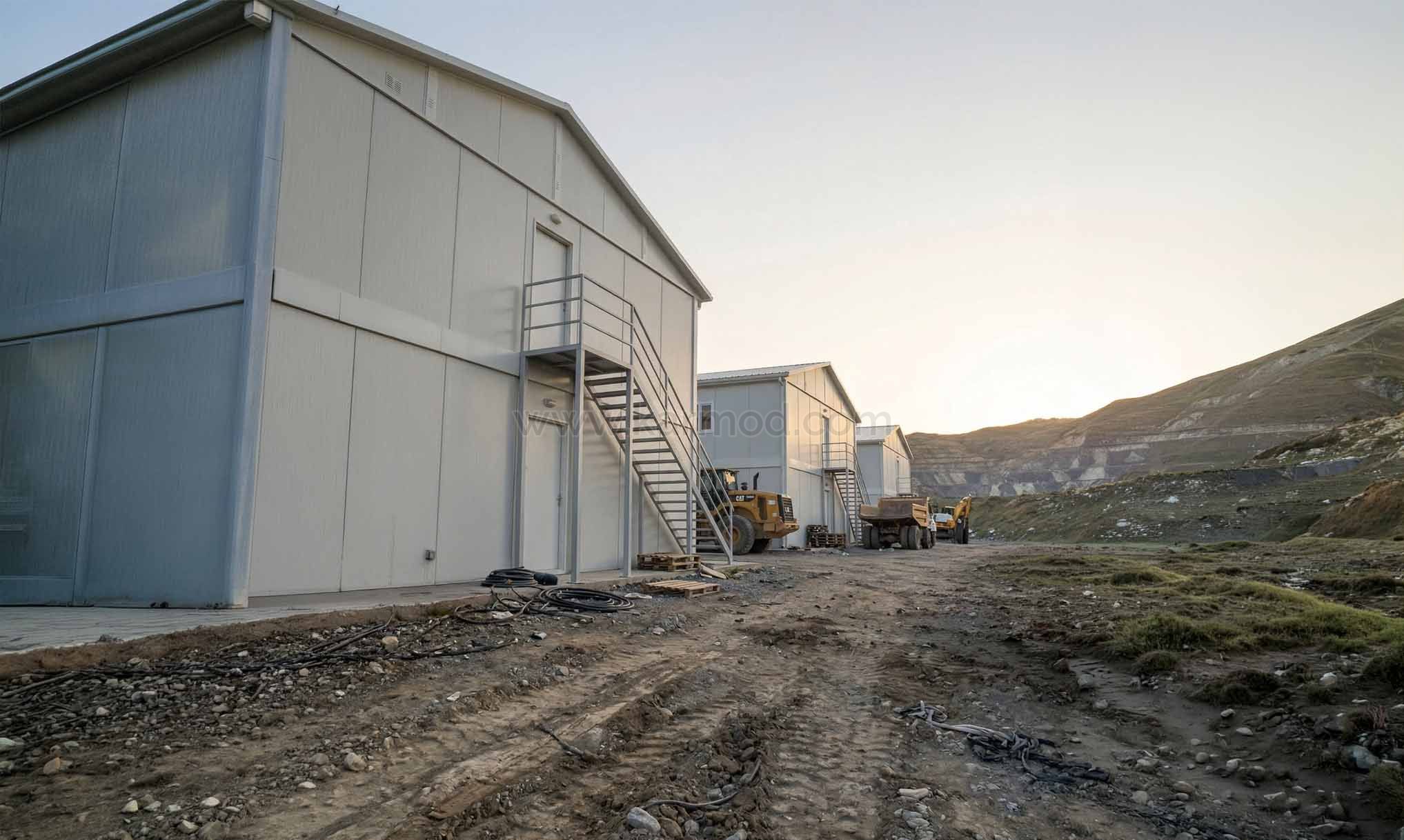
Fast deployment benefits are particularly relevant for worker housing, emergency replacement housing, or community programs that require rapid installation with clear cost control.
Prefab steel buildings in Rwanda are widely used for workshops, warehouses, commercial structures, and institutional facilities where long-term durability and structural stability are priorities. Steel systems can perform well across Rwanda’s varied elevations when designed with appropriate corrosion protection and drainage detailing.
Weather resistance and long-term use are supported through engineered connections, protective coatings, and structural designs that consider wind, rainfall, and roof loading. For projects requiring strong structural spans and adaptable layouts, prefab steel buildings provide a practical solution.
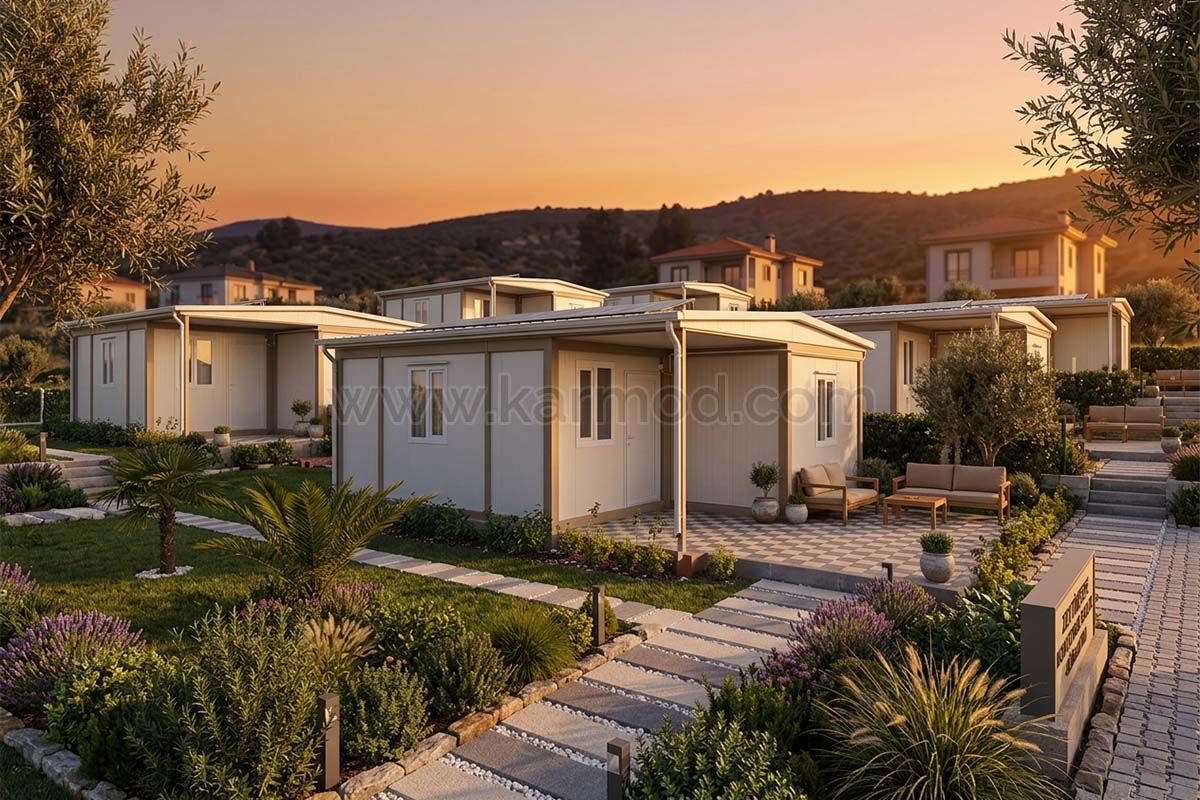
Modular homes in Rwanda are designed to offer flexibility in layout and planning. Homeowners can choose standardized modules for quicker delivery or customize room arrangements to suit family size, land shape, and long-term needs.
Expandability is one of the key advantages: additional rooms or functional spaces can often be added later with less disruption than traditional construction. This supports long-term planning for growing households or phased residential investments, particularly where budgets are managed over time.
Mobile homes in Rwanda are commonly considered for temporary housing, staff accommodation, site offices, and project-based usage where relocation may be required. These units can be installed quickly and moved when a project ends or when operational needs shift.
Relocatable solutions are especially useful for construction sites, infrastructure projects, and remote operations where permanent builds are not practical. With controlled manufacturing and planned installation, mobile homes in Rwanda can offer functional, time-efficient space without extended site work.
Karmod is recognized as a prefab home manufacturer active in international modular housing solutions, with experience in factory-produced building systems and project-based delivery. In Rwanda, where housing demand continues to grow alongside urban development and regional expansion, prefabricated housing solutions are often evaluated for speed, quality consistency, and predictable installation timelines.
Prefab homes produced through modular construction systems can be adapted to different site contexts, from dense urban plots around Kigali to rural locations where logistics and on-site resources may be limited. As with any supplier selection, material quality, engineering standards, and suitability for local climate conditions should remain key evaluation criteria.
In order to serve you better, if you could kindly send an e-mail to info@karmod.com for questions and details about your theoretical and special architectural plans, projects, and product specifications, your request will be responded to as soon as possible.

From one end of the world to the other, we enable our customers to reach the ready-made construction sector produced with the new technology of the world. We guarantee reliability through technology and innovation, flexible commercial models and smart supply chain solutions that add value for you, following the project production network.
Discover
Karmod is one of the largest prefabricated construction companies in Turkey, with a production of 45,000 m2. produces high quality prefabs and prefab containers