EN
EN 


The Pitcairn Islands are one of the most remote territories in the world, located in the South Pacific Ocean and characterized by rugged geography, limited accessibility, and a small local economy. The islands experience a maritime climate with high humidity, strong winds, and exposure to salt air, all of which place specific demands on residential construction. In such an isolated environment, traditional building methods can be costly, slow, and highly dependent on imported labor and materials.
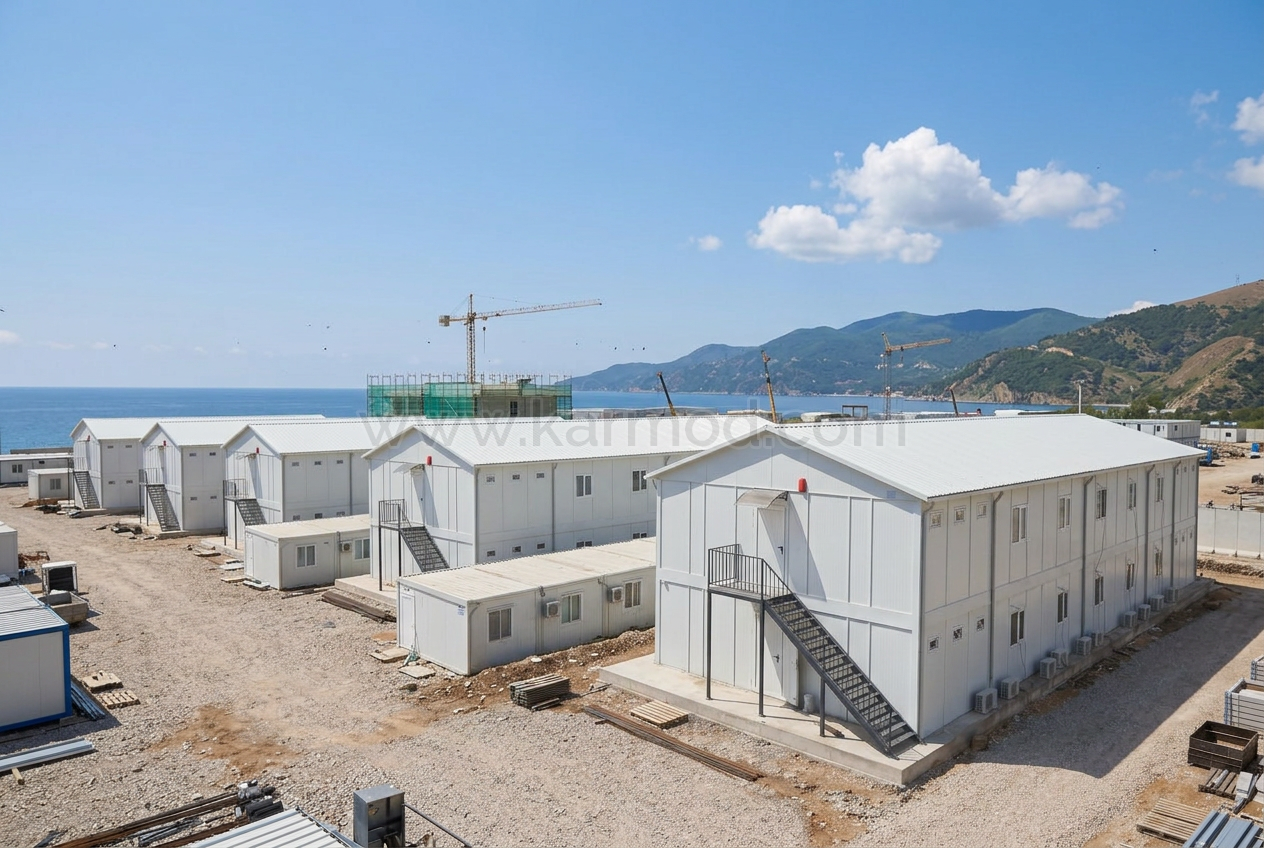
For these reasons, a prefab house in Pitcairn Islands represents a practical and reliable alternative to conventional construction. Factory-produced structures allow most of the building process to be completed off-site, reducing on-island construction time and minimizing logistical challenges. Prefab homes in Pitcairn Islands are well suited to remote delivery, controlled quality standards, and predictable timelines, making them a viable option for permanent residences, community housing, and long-term development based on modern modular housing solutions.
Prefab houses designed for the Pitcairn Islands must address environmental exposure, transport limitations, and efficient on-site assembly. Modern prefabricated housing solutions are engineered to perform reliably in coastal and island climates while remaining adaptable to local infrastructure constraints.
Climate resistance is a key consideration. Prefab houses are manufactured using materials and construction systems that help protect against moisture, corrosion, and wind loads common in oceanic environments. Logistics advantages are equally important; modular construction systems allow building components to be shipped efficiently and assembled with limited equipment. Speed of installation further reduces dependency on extended on-site labor, which is particularly valuable in remote island settings.


Pricing for prefab homes in Pitcairn Islands is influenced by several interrelated factors, including building size, layout complexity, material specifications, and transportation distance. Unlike standardized local construction, prefab housing allows for clearer cost planning by defining most variables at the design stage.
Transport and logistics play a significant role in overall project cost. Modular construction systems help optimize shipping volumes and reduce waste, which is especially important for island deliveries. As a result, prefab homes often present a more predictable and controlled budget structure compared to traditional construction approaches. Pricing is typically determined through a project-based quotation, reflecting site conditions, delivery requirements, and customization needs.
Low cost solutions are achievable without compromising structural integrity or long-term performance. A low cost prefab house in Pitcairn Islands benefits from modular cost control, where design efficiency, standardized components, and factory production reduce unnecessary expenses.
Options such as low-cost prefab homes focus on functional layouts, efficient use of materials, and scalable designs. These approaches allow affordability while maintaining durability and suitability for remote and climate-sensitive environments.
Social housing plays an important role in supporting stable communities in isolated regions. In the Pitcairn Islands, prefab housing can support community-oriented developments by offering consistent quality, faster deployment, and controlled construction standards.
Prefab systems are well suited for public or government-led housing initiatives where timelines, budgets, and long-term usability must be carefully managed. Fast deployment benefits allow essential housing to be delivered with minimal disruption, while modular construction systems support phased expansion as community needs evolve.
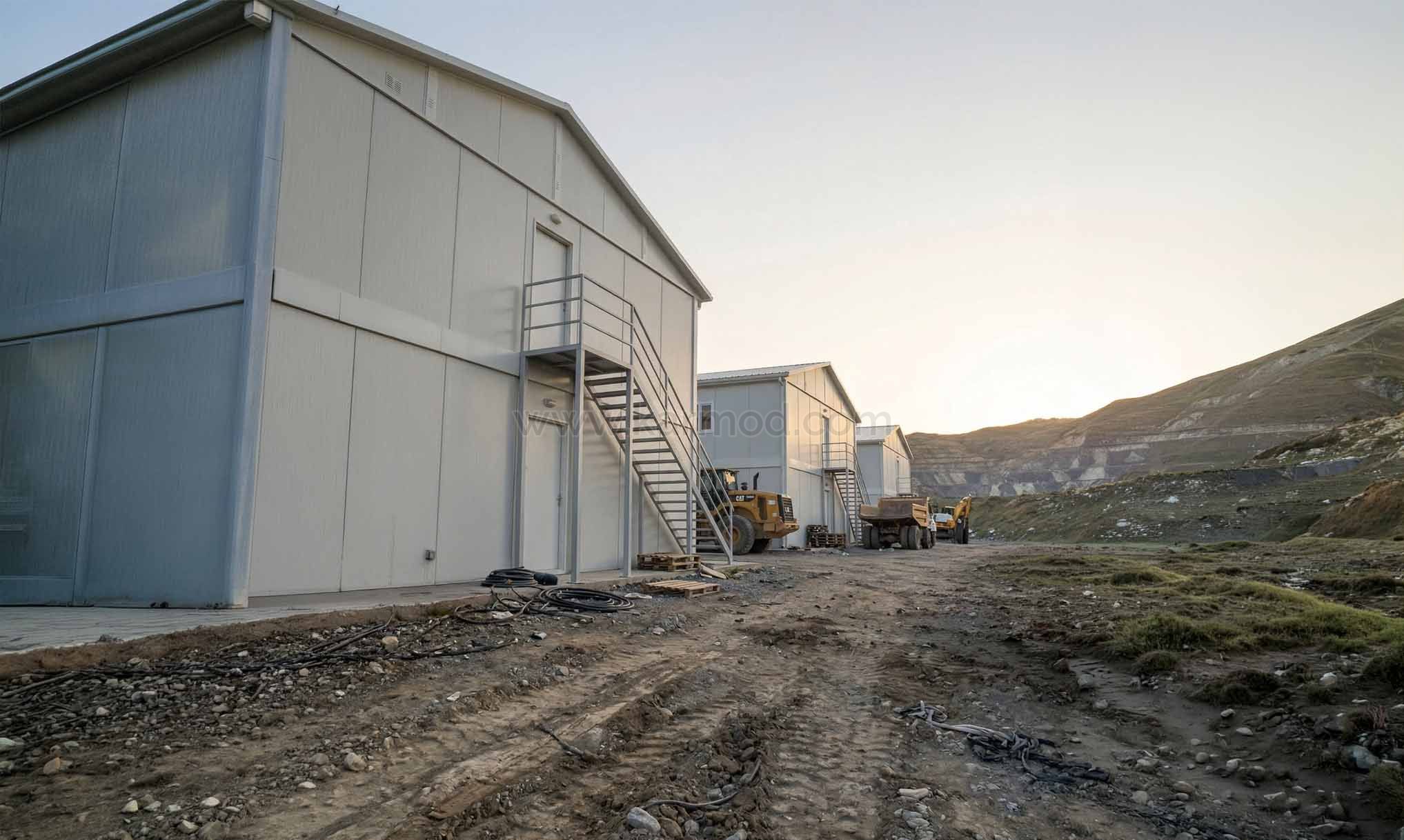
Prefab steel buildings are widely used in environments where durability and weather resistance are critical. In the Pitcairn Islands, steel-based prefabricated structures offer long-term performance against humidity, wind exposure, and corrosive coastal conditions.
Solutions such as prefab steel buildings provide structural stability, extended service life, and adaptability for residential or multi-purpose use. These systems are designed for repeated transport handling and long-term use, making them suitable for remote island construction.
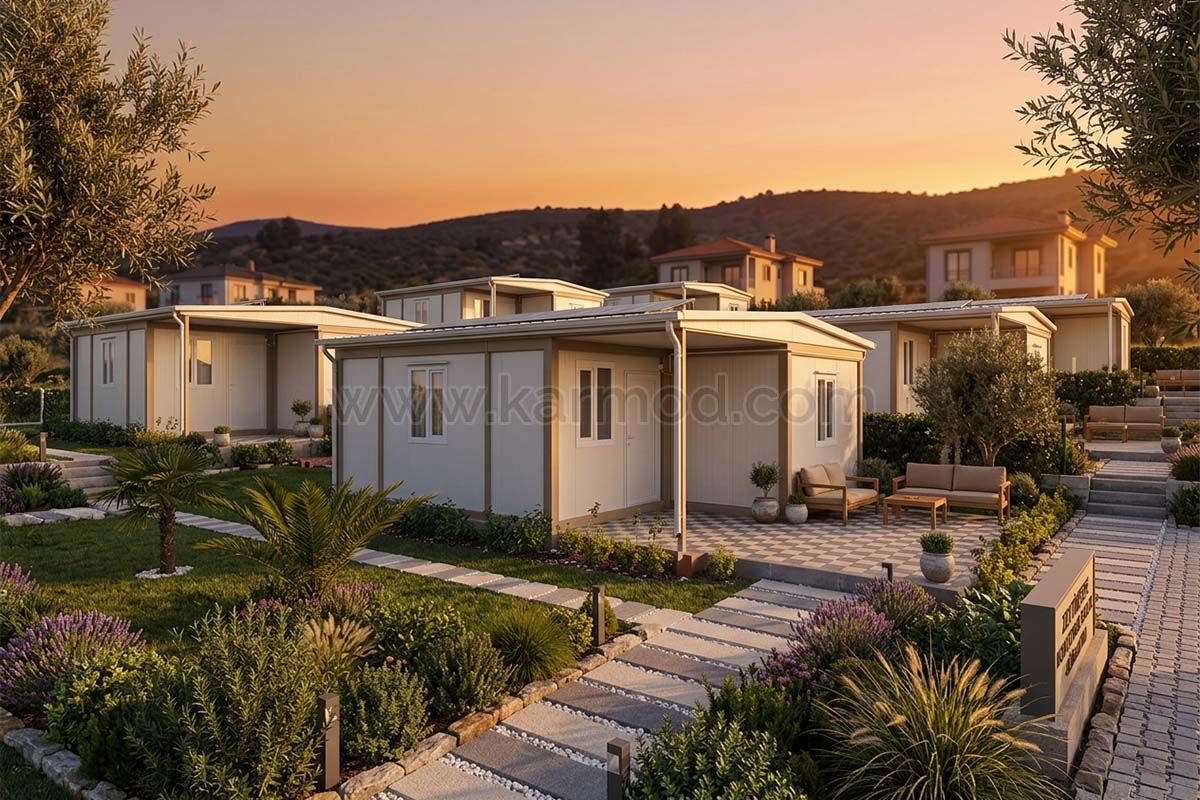
Modular homes in Pitcairn Islands offer flexibility through customizable layouts and phased development options. Homes can be designed to meet current needs while allowing future expansion as household or community requirements change.
This approach supports long-term planning by enabling additions or reconfigurations without the need for full reconstruction. Modular construction systems also simplify maintenance and component replacement, which is particularly beneficial in remote locations.
Mobile homes in Pitcairn Islands provide practical solutions for temporary housing, short-term projects, or relocatable accommodation needs. Their transportable nature allows structures to be repositioned as land use or project requirements change.
These project-based housing solutions are often used for infrastructure works, seasonal activities, or interim residential needs. Mobile homes offer controlled quality, faster setup, and adaptability while remaining aligned with the logistical realities of island environments.
In order to serve you better, if you could kindly send an e-mail to info@karmod.com for questions and details about your theoretical and special architectural plans, projects, and product specifications, your request will be responded to as soon as possible.

From one end of the world to the other, we enable our customers to reach the ready-made construction sector produced with the new technology of the world. We guarantee reliability through technology and innovation, flexible commercial models and smart supply chain solutions that add value for you, following the project production network.
Discover
Karmod is one of the largest prefabricated construction companies in Turkey, with a production of 45,000 m2. produces high quality prefabs and prefab containers