EN
EN 


Nigeria is West Africa’s largest economy and one of the continent’s most populous countries, with coastal cities on the Atlantic, humid rainforest zones in the south, and drier savannah conditions toward the north. This range of environments brings distinct building requirements: high humidity and heavy rainfall in places like Lagos and Port Harcourt, intense heat in inland regions, and seasonal storms that can affect construction schedules. For many projects, a prefab house in Nigeria is a practical way to manage climate exposure, shorten build time, and improve quality control.
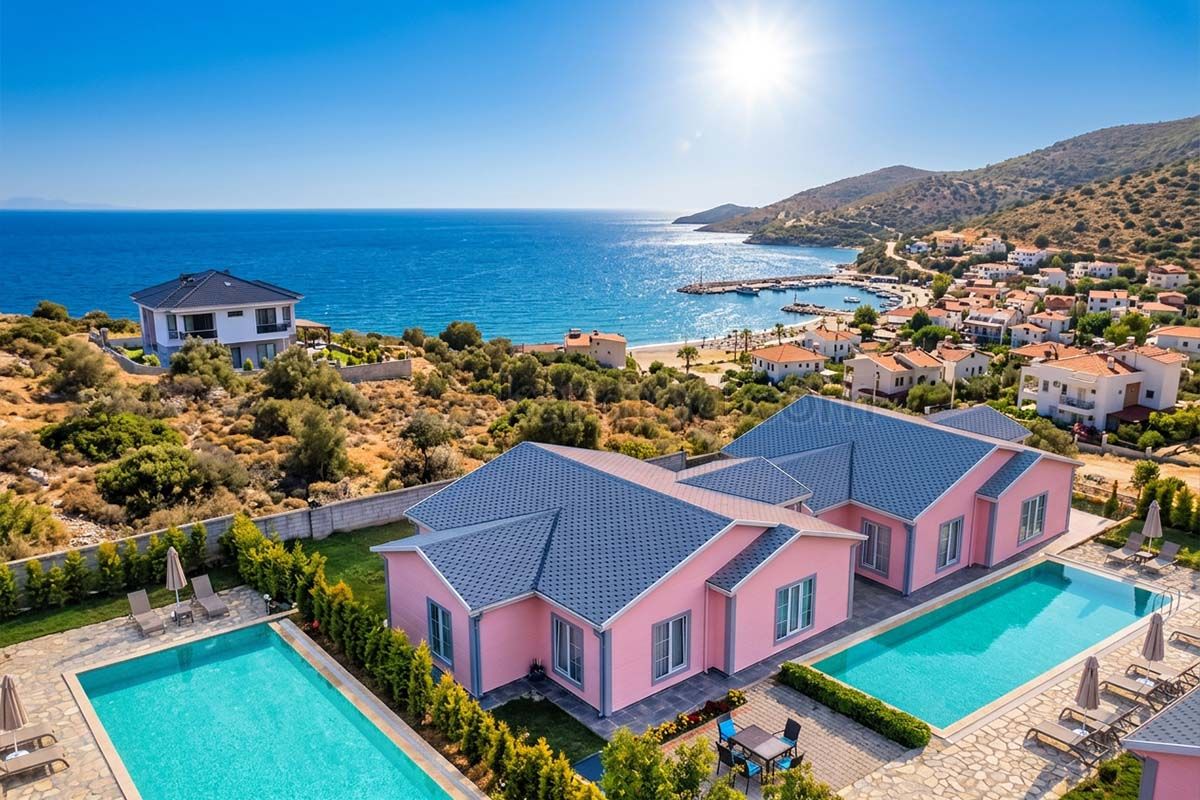
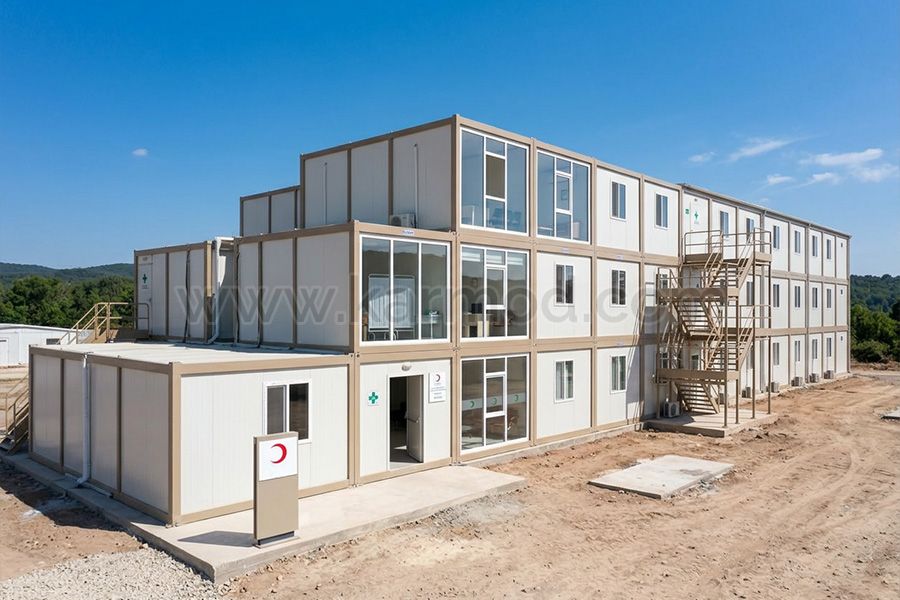
Prefab homes in Nigeria are increasingly considered for residential developments, staff accommodation, and community housing because they can be produced under factory conditions and assembled efficiently on site. With modern modular housing solutions, prefabricated housing solutions can be designed for ventilation, moisture management, and temperature control—important factors for comfortable living in tropical and semi-arid areas. Modular construction systems also help reduce on-site waste and support clearer planning for budgets and timelines.
Whether the project is in a dense urban setting or a remote location with limited access to skilled labor and materials, prefab construction can simplify delivery by shifting much of the work off-site and reducing the time spent building in unpredictable weather conditions.
Nigeria’s building environments can vary widely by region, so prefabricated housing solutions should be matched to local climate and site realities. Well-planned modular construction systems can support structural durability while improving day-to-day comfort.
In humid coastal and southern regions, moisture resistance and ventilation are essential. A prefab house in Nigeria can be specified with robust wall assemblies, weather-resistant exterior finishes, and airflow-oriented layouts to reduce indoor heat and humidity. In hotter inland areas, insulation strategies and reflective roofing can help limit heat gain and support stable indoor temperatures.
Material availability and site access can vary significantly across Nigeria. Prefab homes in Nigeria help streamline logistics by delivering major components in organized modules, reducing the number of on-site trades required and limiting dependency on extended material storage at the project location. This can be particularly helpful for projects outside major urban centers.
Construction schedules can be affected by seasonal rain and supply chain delays. Modular housing solutions enable faster assembly once foundations and utilities are ready, supporting earlier occupancy and more predictable project delivery for homeowners, developers, and employers.
Prefab home prices in Nigeria depend on the house size, layout complexity, insulation and ventilation requirements, interior finish level, and local site conditions. Costs can also vary based on the location of the project, access routes, foundation needs, and installation planning.
We offer a range of prefab homes that can be configured to different requirements and budgets. Because transportation, site preparation, and installation conditions can change from one region to another, pricing is typically handled through a project-based quotation approach that reflects the realities of each site.


A low cost prefab house in Nigeria is usually achieved through efficient design decisions and standardized modular production—not by reducing structural performance. Using repeatable modules, practical floor plans, and factory-controlled processes helps keep costs predictable while maintaining durability.
Modular cost control also allows buyers to select finishes and specifications based on budget priorities. This approach supports affordability for individual homeowners as well as small developers seeking prefabricated housing solutions that remain reliable in Nigeria’s climate.
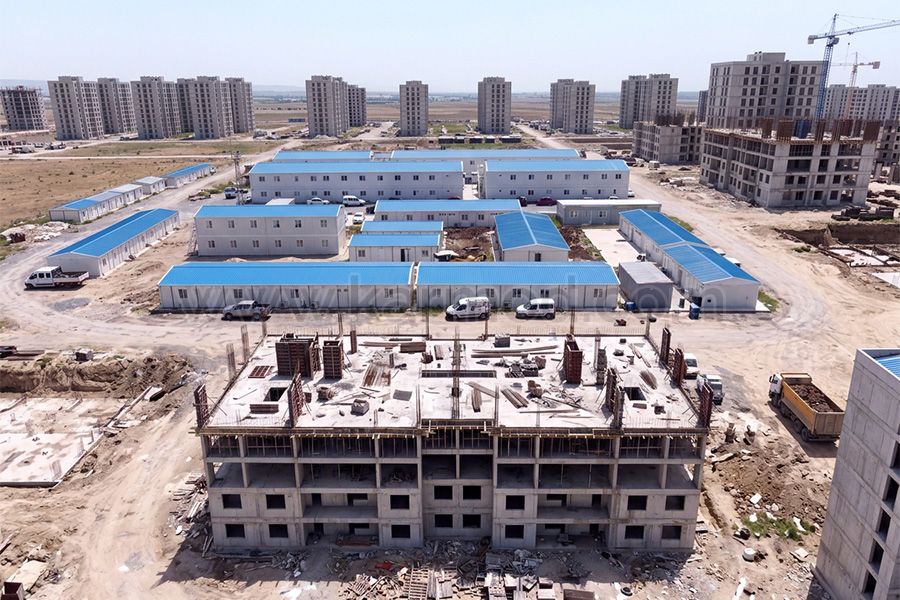
Rapid urban growth and housing demand make social housing and community development important across Nigeria. Prefabricated housing solutions can support these efforts by enabling faster delivery of residential units with consistent quality standards.
For public and government-led programs, modular construction systems allow repeatable unit types that can be deployed in phases, supporting both urban infill and community expansion projects. Fast installation helps reduce on-site disruption and can be valuable where timelines are tied to funding cycles or urgent accommodation needs.
Prefab homes in Nigeria can be adapted for different household sizes and community layouts, helping planners balance speed, livability, and long-term maintenance requirements.
Prefab steel buildings in Nigeria are commonly used for warehouses, factories, logistics hubs, workshops, and commercial facilities where strength and long service life matter. Steel structures can also be designed for open spans and flexible interior planning, supporting a range of operational needs.
Our prefab steel buildings can be configured to suit different industries and site constraints. With appropriate detailing and protective finishes, steel buildings can perform well in humid coastal conditions as well as in hotter inland regions.


Because steel systems are modular by nature, they also support future expansion and long-term use—important considerations for businesses planning growth or phased facility development.
Modular homes in Nigeria offer flexibility for different lifestyles and project types, including urban plots, suburban developments, and rural housing. Modular housing solutions support customization of layouts, room sizes, and interior planning while maintaining consistent build quality through controlled production.
Expandability is a practical advantage for long-term planning. Additional modules can be added later to increase living space, create separate accommodation areas, or support multi-generational households, depending on the project’s design and local requirements.
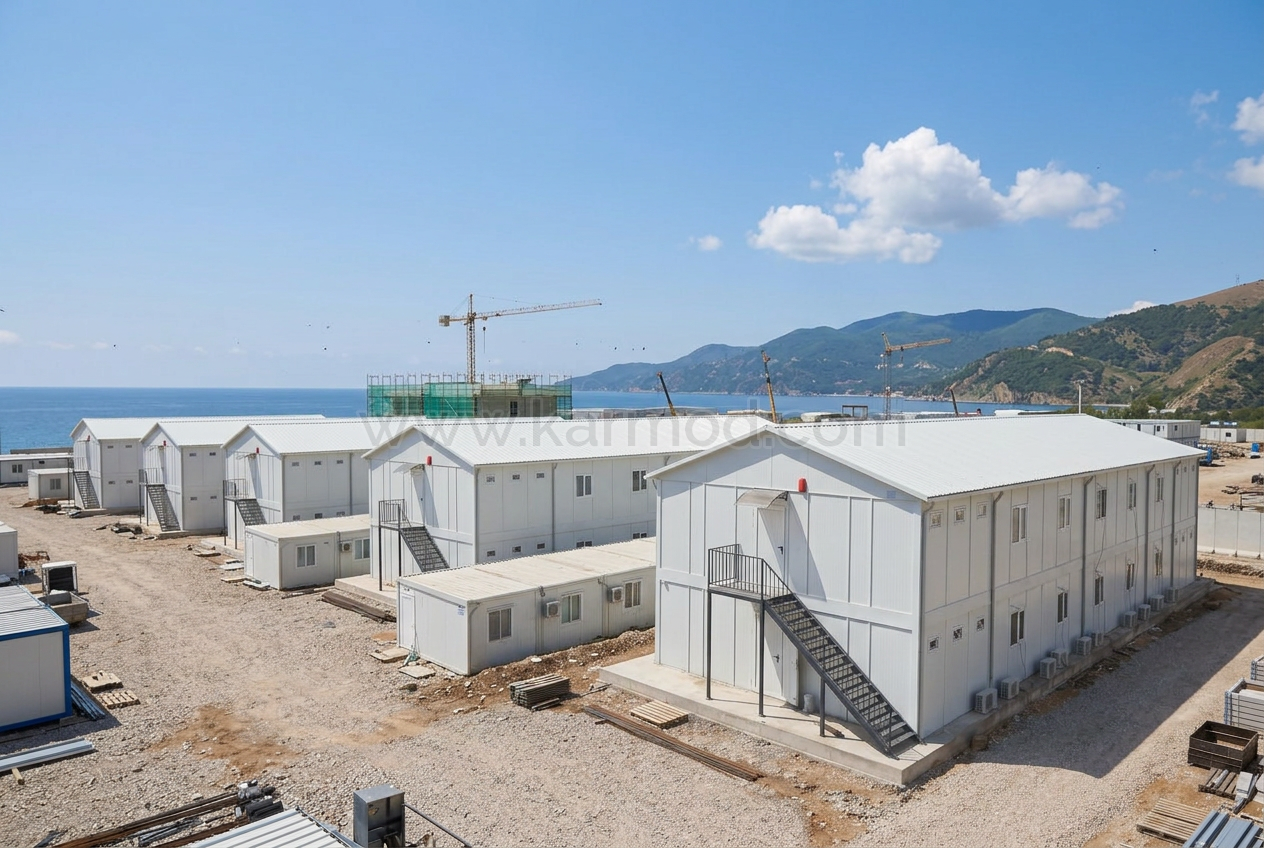
Mobile homes in Nigeria can be suitable for temporary housing, project-based staff accommodation, remote work sites, and situations where relocation may be needed. Their transportable format allows rapid setup and movement between sites, supporting industries such as construction, energy, and infrastructure development.
Depending on intended use, mobile units can be configured for short-term occupancy or longer stays, with options for ventilation, insulation, and functional interior layouts. Planning for utilities, access, and placement conditions is typically handled as part of a project-based approach.
For more information about our products and services, please visit our website at www.karmod.com/en/ or email us at info@karmod.com
In order to serve you better, if you could kindly send an e-mail to info@karmod.com for questions and details about your theoretical and special architectural plans, projects, and product specifications, your request will be responded to as soon as possible.

From one end of the world to the other, we enable our customers to reach the ready-made construction sector produced with the new technology of the world. We guarantee reliability through technology and innovation, flexible commercial models and smart supply chain solutions that add value for you, following the project production network.
Discover
Karmod is one of the largest prefabricated construction companies in Turkey, with a production of 45,000 m2. produces high quality prefabs and prefab containers