EN
EN 


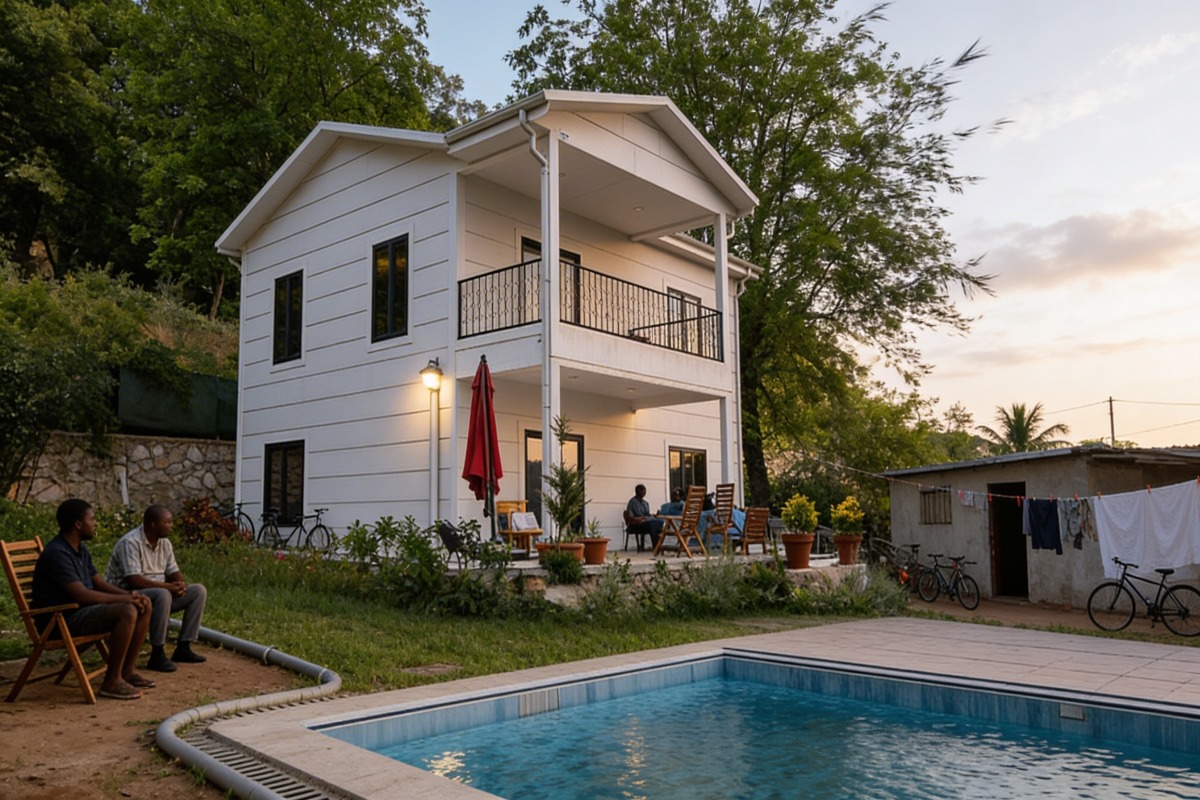
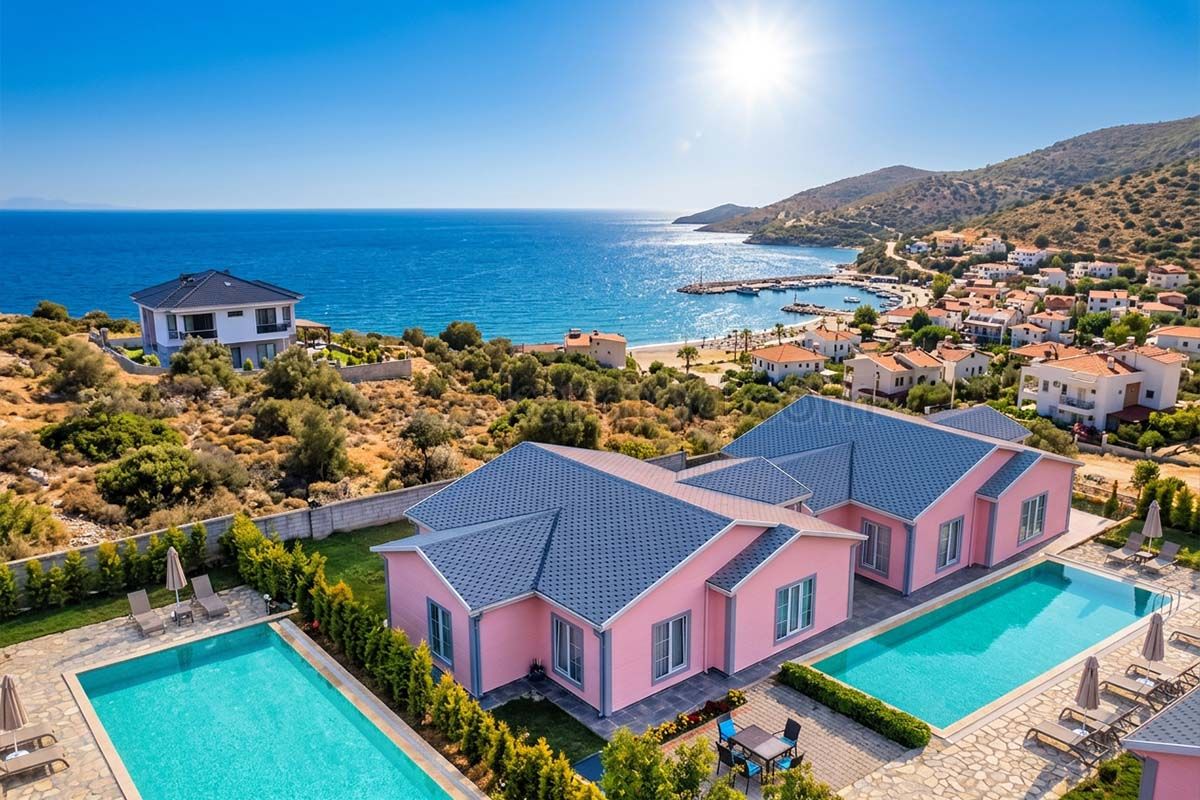
New Zealand is a remote island nation in the South Pacific, known for its long coastline, mountainous terrain, and a climate that ranges from subtropical in the north to cooler, alpine conditions in the south. With strong demand in major cities like Auckland, Wellington, and Christchurch—alongside housing needs in smaller towns and hard-to-reach regions—construction often requires solutions that work across varied weather and logistics. In this context, choosing a prefab house in New Zealand can be a practical way to reduce build time while maintaining consistent quality.
Prefab homes in New Zealand are well-suited to the country’s conditions because they rely on controlled factory production and on-site assembly that can be scheduled around weather windows. This approach supports modular housing solutions that can be delivered in planned stages, helping projects in coastal areas, hillside sites, or regions with limited contractor availability. Prefabricated housing solutions also align with the need for predictable timelines and standardized performance.
One of the key advantages of a prefab house is speed. Because components are produced off-site using modular construction systems, installation can be significantly faster than conventional builds. For homeowners, developers, and employers needing accommodation quickly—whether for urban infill, regional housing, or workforce projects—faster installation can reduce disruption and shorten the time to occupancy.
Cost control is another reason modular housing solutions are increasingly considered. Prefabricated builds can help limit material waste, simplify procurement, and reduce on-site labor days. Depending on the model and specification, prefab homes in New Zealand can be planned to match different budgets while keeping essential structural and comfort requirements.


From coastal wind exposure to heavy rainfall and temperature swings between regions, prefab houses for New Zealand are typically specified to handle local demands. Modular construction systems allow building performance requirements to be integrated into the design stage, supporting consistent outcomes across different site conditions.
New Zealand’s weather can include strong winds, frequent rain, and high humidity in coastal areas, with colder conditions in the South Island and elevated regions. Prefab house systems can be specified with appropriate insulation levels, weather-resistant cladding options, and moisture-aware detailing to support year-round comfort and durability.
With many communities located outside major urban centers and some sites accessed via narrow roads or challenging terrain, construction logistics can influence project feasibility. Prefabricated housing solutions reduce the number of deliveries and on-site trades required, as modules or panels arrive prepared for assembly. This can be especially useful for regional builds, infill sites with limited access, and projects where on-site storage is restricted.
Because production occurs in a controlled factory environment, site work and building fabrication can progress in parallel. Once foundations and services are ready, the on-site phase is streamlined. This speed of installation supports homeowners and organizations that need clear project timelines and reduced exposure to weather delays.
Prefab homes can be a cost-effective approach for new builds in New Zealand, but pricing varies based on size, specification, and site conditions. A realistic budget should account for the building model, insulation and finishing requirements, foundations, utilities connections, and local approvals.
Pricing logic for prefab homes in New Zealand often reflects a combination of factory production costs and on-site scope. Standardized designs may reduce engineering and manufacturing complexity, while higher customization levels, premium finishes, or energy-performance upgrades can increase the overall project cost.
Transport and logistics also influence final pricing. Delivery distance, site accessibility, crane requirements, and installation scheduling can affect both time and cost—particularly for remote areas, islands, or hillside locations where access constraints apply.
For that reason, many projects use a project-based quotation approach. This allows the solution to be tailored to the specific location, performance needs, and installation method, providing clearer cost expectations for homeowners, developers, and institutional buyers.


A low cost prefab house in New Zealand is typically achieved through a compact footprint, efficient layouts, and standardized modular components. Keeping the design simple—while maintaining appropriate insulation and weather detailing—helps control costs without reducing essential quality.
Modular cost control comes from selecting repeatable structural modules, minimizing complex rooflines, and planning services (kitchen, bathroom, laundry) in efficient zones. This approach can reduce manufacturing complexity and shorten on-site installation time.
Using prefabricated housing solutions also supports phased planning. Some modular homes in New Zealand can be designed to expand later, helping homeowners align initial costs with long-term needs while maintaining a coherent building system.
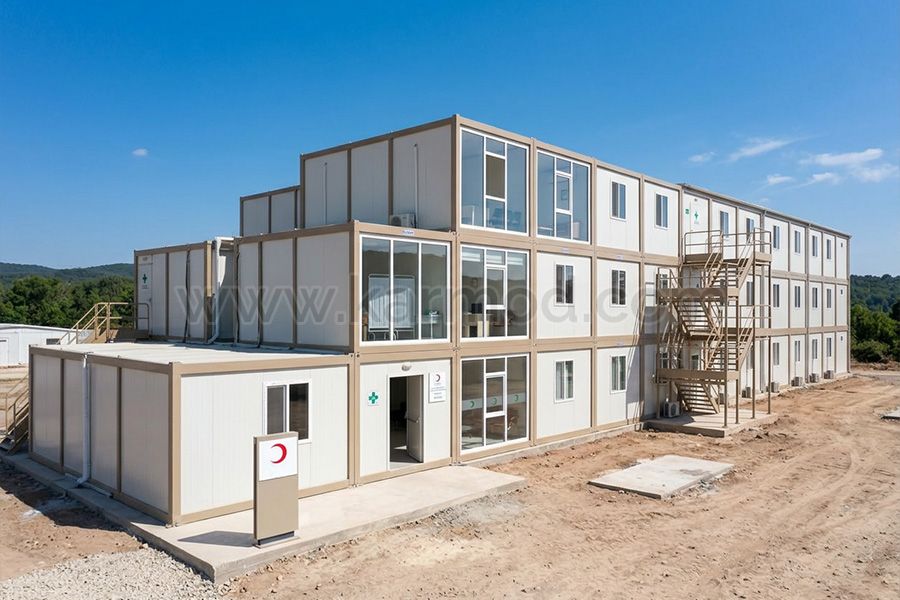
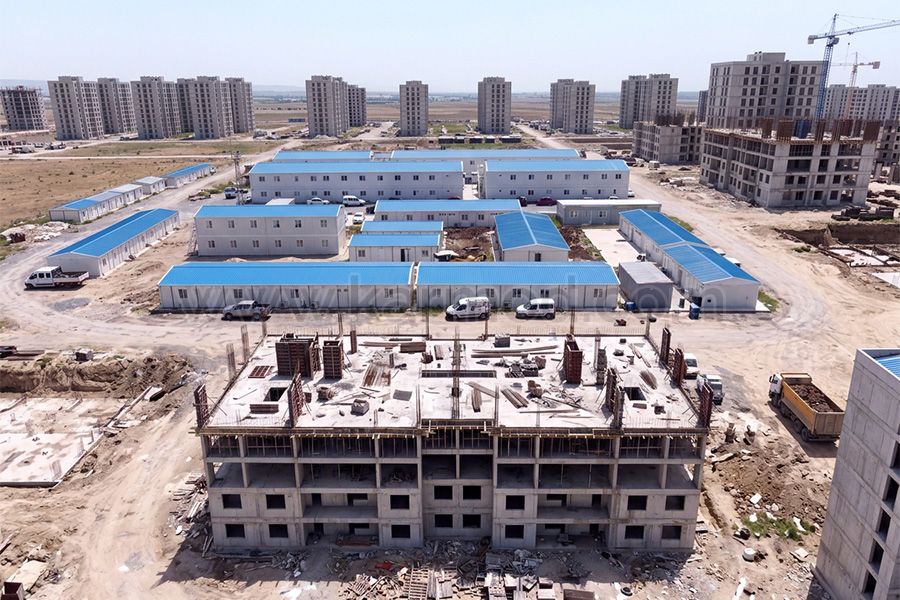
Social and community housing projects in New Zealand often require scalable delivery, consistent standards, and fast deployment—especially in areas facing supply constraints or urgent accommodation needs. Modular construction systems can support repeatable unit designs that are suitable for multi-home developments, community facilities, and mixed housing programs.
For public or government-aligned projects, prefabricated housing solutions can help improve schedule certainty by reducing weather exposure during the build and enabling parallel workflows between site preparation and manufacturing. This can be useful for delivering housing at pace while maintaining consistent quality across multiple units.
Fast deployment benefits also apply to transitional accommodation and community-based housing initiatives, where short construction windows and predictable installation are important for managing occupancy timelines and local services planning.
Prefab steel buildings in New Zealand are used across commercial, industrial, and community settings due to their structural durability and adaptability. Steel systems can be designed for long spans and efficient layouts, making them suitable for warehouses, workshops, storage facilities, and operational buildings.
Weather resistance is a key benefit. With appropriate coatings, detailing, and cladding systems, prefab steel buildings in New Zealand can perform well in coastal conditions where salt air and moisture exposure are common, as well as in windy regions where robust structural design is required.
For long-term use, steel structures are often selected for their predictable performance, reduced structural movement, and compatibility with modular construction systems. This supports future upgrades, internal reconfiguration, and phased expansion when business or community needs change.
Modular homes in New Zealand offer a practical balance of design flexibility and planned construction. Homeowners can choose from a range of layouts and exterior finishes while maintaining the efficiencies of factory production.
Customization can include interior planning, insulation and glazing options, facade materials, and accessibility features. This allows modular housing solutions to suit different regions and lifestyles, from urban sections to rural properties.
Expandability is a major advantage for long-term planning. Many modular construction systems support staged additions, such as extra bedrooms, a home office, or extended living areas, helping homeowners align initial build scope with future needs.
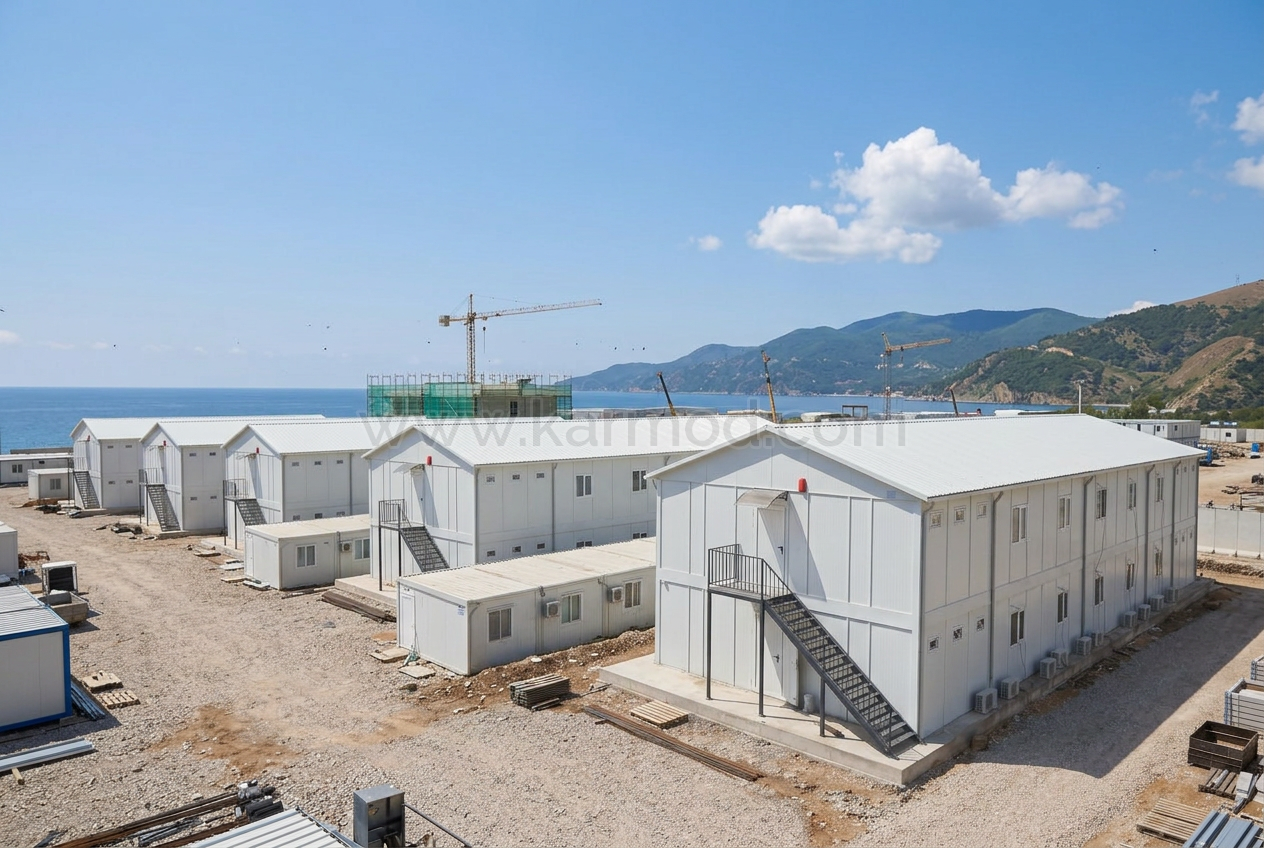
Mobile homes in New Zealand are commonly considered for temporary housing, site accommodation, seasonal workforces, and short-term or relocatable living needs. Their transportable nature supports projects that require flexibility in location and usage.
Relocatable solutions can be useful for construction sites, infrastructure projects, and regional operations where accommodation is needed quickly but not permanently. In some cases, mobile homes may also support interim living arrangements during renovations or post-event recovery.
Project-based usage is important for planning: site access, local regulations, servicing (water, power, wastewater), and transport constraints can all influence the best mobile unit type for a given location. Karmod offers a range of mobile home designs that can be configured according to intended use, duration, and comfort requirements.


In order to serve you better, if you could kindly send an e-mail to info@karmod.com for questions and details about your theoretical and special architectural plans, projects, and product specifications, your request will be responded to as soon as possible.

From one end of the world to the other, we enable our customers to reach the ready-made construction sector produced with the new technology of the world. We guarantee reliability through technology and innovation, flexible commercial models and smart supply chain solutions that add value for you, following the project production network.
Discover
Karmod is one of the largest prefabricated construction companies in Turkey, with a production of 45,000 m2. produces high quality prefabs and prefab containers