EN
EN 


Nepal is a landlocked Himalayan country shaped by steep mountain ranges, deep valleys, and a wide range of microclimates—from hot, humid plains in the Terai to cold alpine conditions at higher elevations. With a developing economy and many remote settlements connected by challenging road networks, construction projects often face short building seasons, difficult material supply, and high labor variability. In this context, a prefab house in Nepal is increasingly considered a practical alternative to conventional builds, especially where speed, quality control, and predictable delivery matter.
Demand for safer, faster, and more standardized housing has also grown due to seismic risk and the need for resilient buildings in diverse terrain. Prefab homes in Nepal are suited to these conditions because much of the production happens off-site, reducing on-site disruption and helping maintain consistent build quality. When paired with modular housing solutions, projects can be planned in phases, expanded later, and adapted to different regions—supporting both private housing and community-scale needs.
Nepal’s climate can shift dramatically across short distances, requiring housing that performs well in heat, humidity, heavy monsoon rains, and colder high-altitude environments. Prefabricated housing solutions can be specified with insulation, moisture control layers, and durable exterior finishes suited to local exposure. In monsoon-prone areas, properly detailed roof systems, drainage planning, and corrosion protection become especially important, while colder regions benefit from higher thermal performance and airtight detailing.
Transporting conventional construction materials into mountainous districts can be slow and expensive. Prefab and modular construction systems help streamline logistics by shipping factory-prepared components, reducing waste and the number of deliveries needed. This is particularly valuable for remote / climate-based construction where access roads, seasonal closures, and limited on-site storage can otherwise delay work.
Short weather windows and workforce constraints can extend traditional build timelines. Prefab construction reduces on-site labor requirements by completing key manufacturing steps in a controlled environment, improving consistency and helping projects progress faster once foundations and utilities are ready. For many buyers, the primary advantage of prefab homes in Nepal is reliable scheduling and the ability to reach occupancy sooner.
Prefab construction in Nepal has become an increasingly attractive option due to its speed, efficiency, and resilience. Since much of the work is completed in a controlled factory environment, prefab construction reduces delays caused by weather and ensures consistent quality. It is particularly valuable in regions where traditional building materials and labor may be limited. In mountain districts, modular construction systems can also reduce the need for extended on-site fabrication, helping teams complete projects within shorter seasonal windows.
Prefab housing can support a wide range of use cases in Nepal, from compact homes for urban plots to practical residences for rural areas. A modular approach can also help owners plan long-term: starting with a smaller unit and expanding later as family needs or budgets change. When designed correctly, prefabricated housing solutions can offer predictable performance, lower rework risk, and easier maintenance planning compared to highly variable site-built construction.
Prefab homes are typically priced based on the building size, structural system, insulation level, interior finish scope, and the complexity of the layout. In Nepal, pricing also depends on site conditions such as slope, soil preparation needs, utility access, and whether additional structural detailing is required for seismic performance. Instead of comparing by “per square meter” alone, many projects are best evaluated by total delivered scope: structure, envelope, interior options, and installation requirements.
Transport can be a major cost driver for prefab homes in Nepal due to the country’s terrain and route limitations. Delivery distance, road access to the site, required vehicles, and seasonal conditions (particularly during monsoon months) can affect logistics planning. Remote sites may also need staged deliveries, local lifting equipment, or additional handling—all of which can influence the final project cost.
Because site access, foundation type, and finish scope vary widely across Nepal, prefab home suppliers typically provide project-based quotations. This approach allows pricing to account for local constraints such as hillside construction requirements, material staging space, and regional climate needs. For buyers comparing options, it helps to request a quote aligned to the intended location, room program, and performance targets rather than a generic baseline.
Low-cost prefab houses are addressing Nepal’s urgent need for budget-friendly housing solutions. Karmod offers economical prefab homes that do not compromise on quality, durability, or design. These houses are constructed with energy-efficient materials, reducing long-term maintenance and utility expenses. The overall cost of a low-cost prefab house in Nepal depends on size, design, and customization, but remains significantly more affordable compared to traditional construction methods. To keep budgets under control, many projects use modular cost control—standardized room sizes, repeatable layouts, and phased upgrades—so owners can prioritize essentials first and improve finishes over time.


In Nepal, affordability is often strongest when scope is clearly defined: number of rooms, insulation requirements by region, and the level of interior finishes. A transparent scope also helps manage change orders during installation, which can be a hidden cost in both conventional and prefabricated builds. For households, NGOs, and small developers, the main value in modular housing solutions is predictable planning and reduced construction uncertainty.
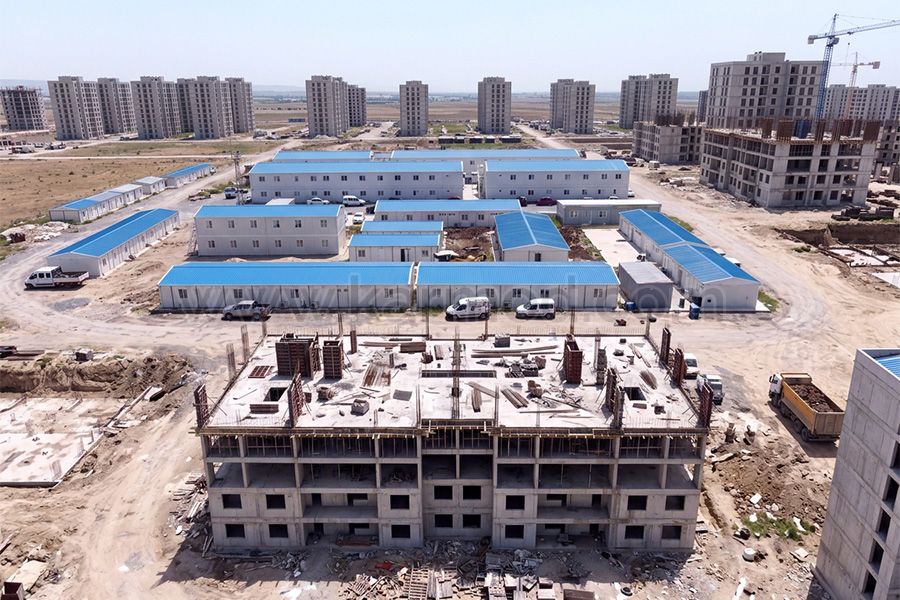
Social and community housing programs in Nepal may require fast delivery, repeatable designs, and reliable performance across different districts. Prefabricated housing solutions can support these goals by standardizing key components while allowing localized adjustments for climate, site access, and household size. This can be useful for rebuilding efforts, worker accommodation, and community-scale housing where consistent quality and timelines are essential.
For public / government projects and NGO-led initiatives, prefab and modular construction systems can simplify procurement and deployment. Units can be installed in phases, enabling faster occupancy and reducing disruption to communities. Where urgent shelter or transitional housing is needed, speed of installation becomes a practical benefit—especially when conventional material supply chains are constrained by seasonal weather or remote logistics.
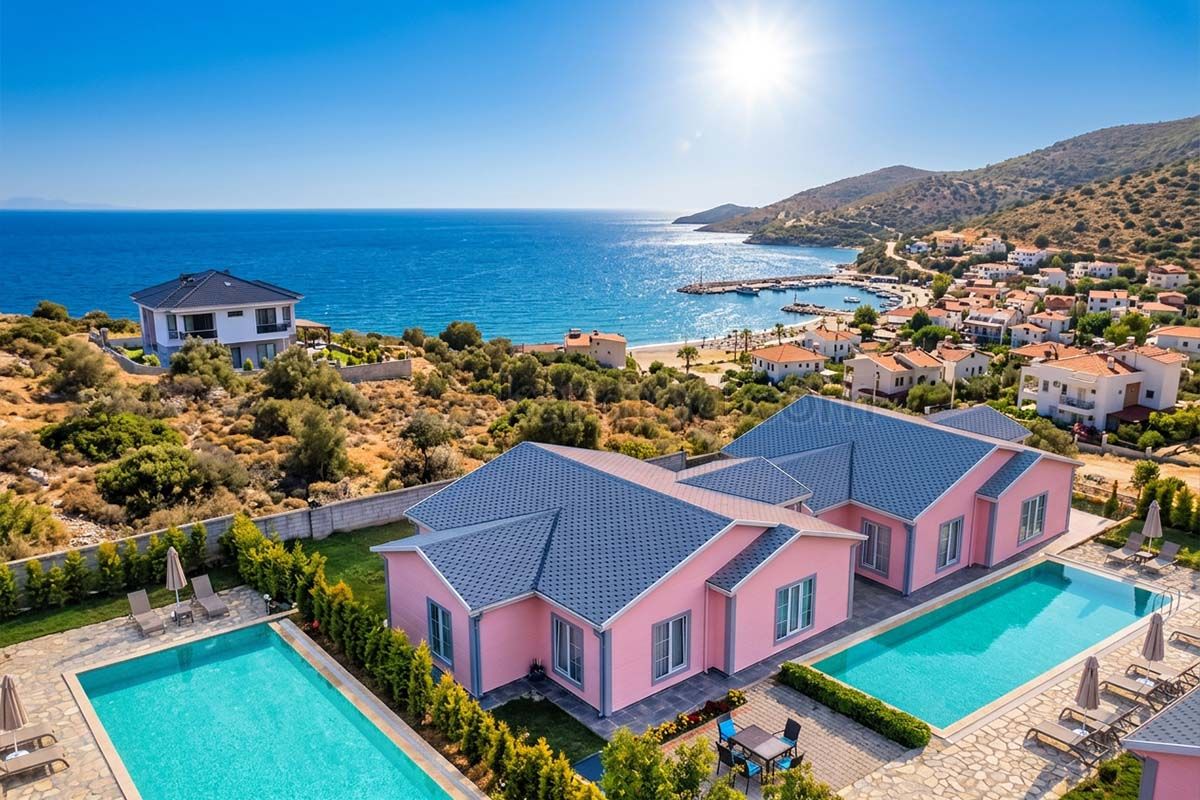
Affordable prefab houses are helping address the need for cost-effective housing solutions in Nepal. They are designed to be budget-friendly while still offering durability, comfort, and energy efficiency. These homes are often used as family residences, community housing, or temporary shelters, providing flexibility for different living situations. In areas where skilled labor is limited, modular construction systems can also reduce on-site complexity and help projects maintain consistent standards.
The price of a prefabricated house in Nepal can vary depending on factors such as size, design, and materials used. While costs are generally lower than those of traditional construction, prefabricated homes also offer long-term savings through reduced maintenance and improved energy efficiency. This makes them a strong option for individuals and families seeking sustainable housing. Location-specific factors—such as access roads, elevation, and rainfall exposure—can also affect total cost through transport, foundation requirements, and envelope specifications.
Prefab housing in Nepal is often selected for practicality: consistent production standards, reduced on-site risk, and faster delivery. Karmod provides prefabricated housing solutions designed for varied site and climate conditions, using modular housing solutions that support phased construction and controlled scope. For many projects, the most important factors are structural reliability, finish durability, and logistics planning aligned to Nepal’s terrain.


Designed to respond to Nepal's diverse geography, modular construction systems allow faster assembly and better quality control than many purely site-built approaches. This can be especially relevant where weather and site access create scheduling uncertainty. A structured design and production process can also help align the home with insulation needs, ventilation strategy, and material durability suitable for local exposure.
Customization is often most effective when it supports real site needs—such as roof detailing for heavy rainfall, thermal upgrades for colder districts, or layout choices that fit narrow urban plots. When modular homes in Nepal are planned with expandability in mind, households can add rooms, change interior use, or extend the building footprint over time without redesigning the entire structure.


Light gauge steel frame (LGSF) projects in Nepal are becoming increasingly popular due to their strength, lightweight nature, and resistance to harsh weather conditions. These structures are easy to assemble, eco-friendly, and highly durable, making them ideal for both residential and commercial buildings. Karmod specializes in delivering prefab houses with light gauge steel frames, ensuring superior stability and long-lasting quality. LGSF technology is particularly valuable in earthquake-prone regions of Nepal, providing both safety and cost-efficiency.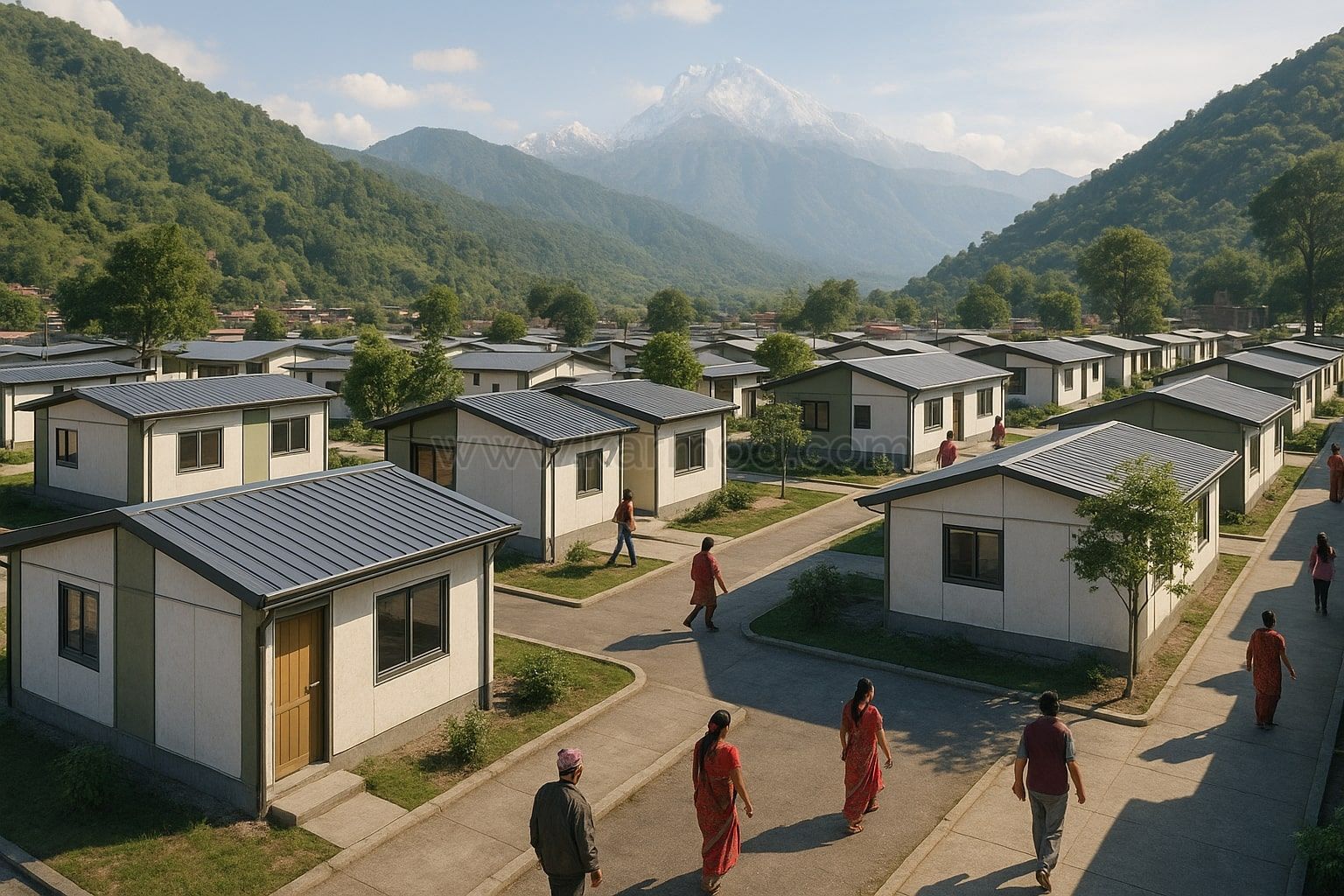
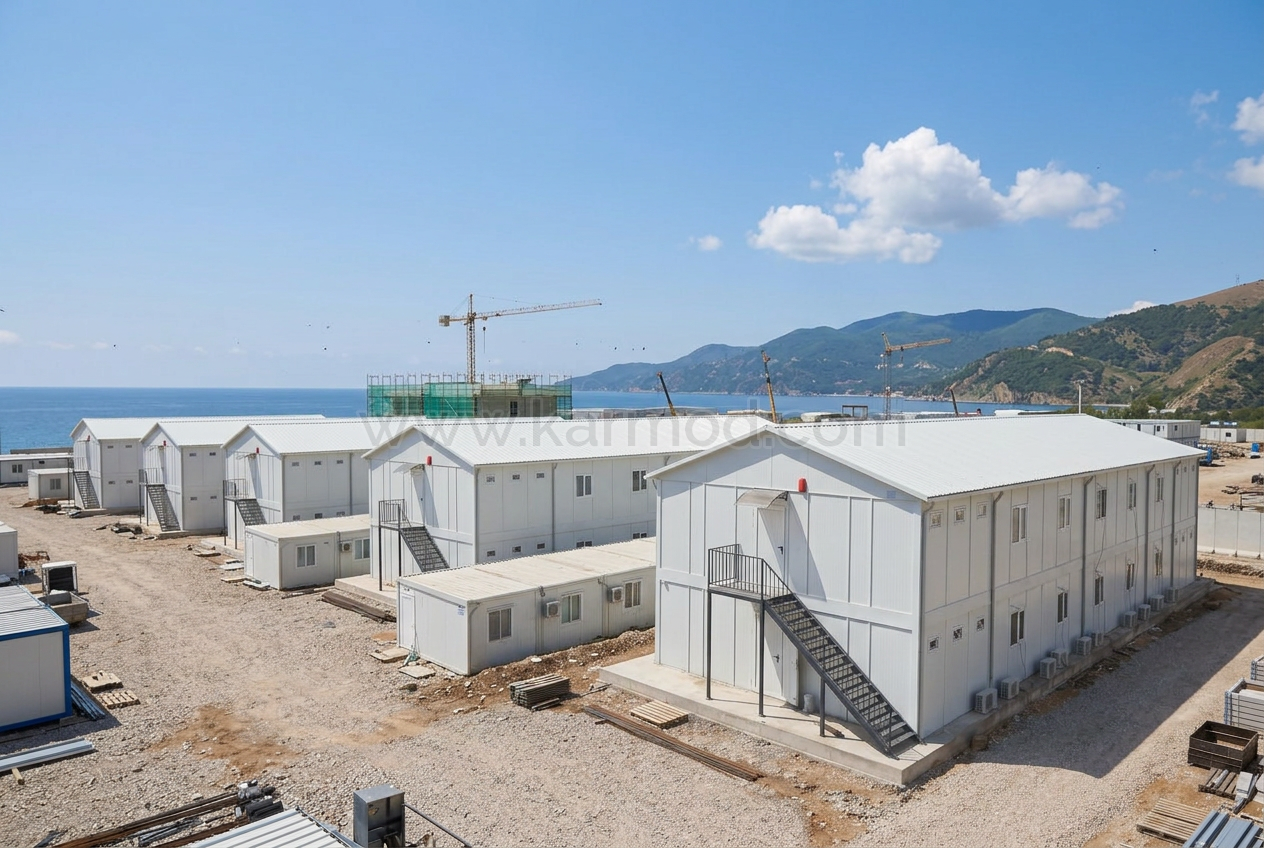
In addition to housing, prefab steel buildings in Nepal are widely used for storage, light industrial facilities, workshops, and administrative spaces where durability and fast deployment are priorities. Steel systems can perform well in areas with heavy rainfall and variable temperatures when corrosion protection, proper drainage detailing, and ventilation are planned into the building envelope.
At Karmod, we take pride in our ability to deliver high-quality prefab steel buildings that meet the needs of our customers. Our prefab steel buildings can be customized to meet the specific needs of our customers, whether they are looking for a warehouse, factory, or office building. We use high-quality materials and modern construction techniques to ensure that our prefab steel buildings are strong and long-lasting. With project-based planning, steel structures can also be designed for long-term use with maintenance access, replaceable components, and scalable layouts.
Modular homes in Nepal are designed for flexibility in both urban and rural contexts. Because modules are planned as repeatable units, layouts can be customized to suit plot size, family needs, or multi-unit developments while keeping construction efficient. This approach is useful for hillside sites where access and staging space are limited, and where finishing work benefits from a controlled, consistent process.
Expandability is one of the main reasons owners choose modular housing solutions. A home can begin with core living spaces and expand later with additional bedrooms, a workspace, or a second unit for extended family. With long-term planning, modular construction systems can support phased investment while maintaining a coherent structural and architectural design.
Modular houses in Nepal are gaining recognition as a practical solution for both urban and rural living. These homes are manufactured in sections and then assembled on-site, which helps reduce construction time and minimize environmental impact. Modular houses can be tailored to suit the unique geography and lifestyle needs of Nepal, from city homes to mountain retreats. When specified for local conditions, modular homes can also integrate insulation, ventilation, and moisture control strategies suited to the Terai, mid-hills, or colder regions.
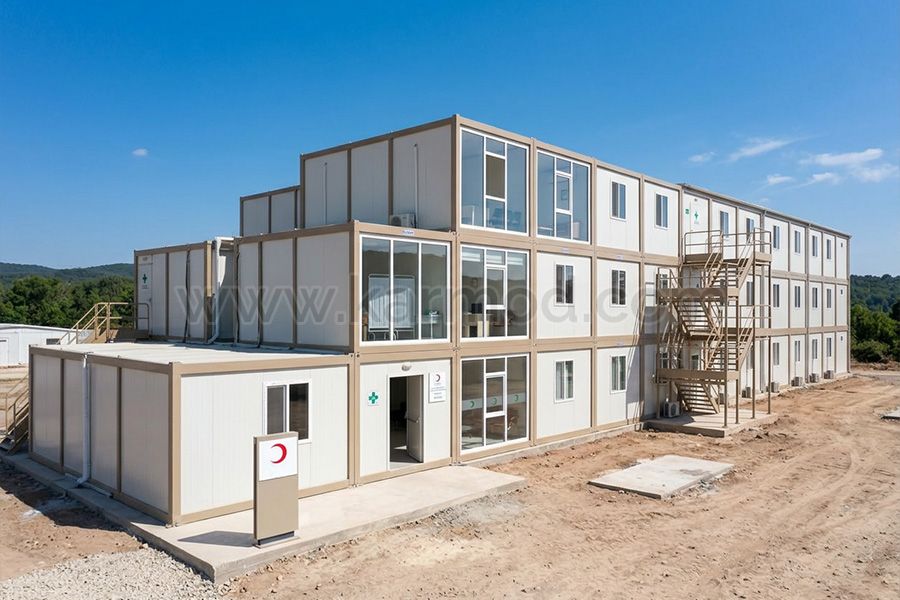
Prefab modular buildings in Nepal are used for a wide variety of purposes beyond housing. They can serve as schools, health centers, offices, or temporary facilities in remote areas. Thanks to their modular design, these buildings can be easily expanded or relocated, making them a versatile solution that adapts to Nepal’s diverse needs and challenging terrain. For remote / climate-based construction, modular systems can reduce on-site work and help projects open sooner with consistent build standards.
Modern prefab homes in Kathmandu are transforming the housing market with their functional layouts, energy efficiency, and quick installation. Prefab homes can align well with urban constraints such as limited plot sizes, neighborhood access restrictions, and the need for controlled construction timelines. These homes can be customized with practical finishes and amenities suited to city lifestyles while keeping scope and cost predictable.
Small prefab homes in Nepal are an excellent choice for individuals, couples, or small families seeking an affordable yet durable housing solution. Their compact design helps lower costs while maintaining comfort and efficiency. Small units can also be planned as starter homes or secondary dwellings, with modular options that support future expansion. Pricing depends on layout, insulation level, finish scope, and delivery conditions, but smaller footprints generally offer the most accessible entry point into prefabricated housing solutions.
Cheap prefab homes in Nepal provide a practical solution for those seeking immediate housing at a minimal cost. Despite being budget-friendly, Karmod ensures these homes are built with durable materials and designed for long-term use. They are ideal for temporary housing, community shelters, or small family residences. Cost control is typically achieved through standardized plans, simplified finishes, and modular construction systems that reduce on-site labor and rework. Cheap prefab homes can help more Nepalese families access safe, reliable shelter with a clearer budget path than many traditional builds.
Affordable prefab homes in Nepal aim to balance cost, durability, and comfort. At Karmod, we focus on providing eco-friendly and energy-efficient homes that fit within the financial means of our customers. These homes are customizable, offering different sizes and designs to cater to various needs. Affordable prefab homes can be planned as long-term residences with phased upgrades, allowing owners to improve finishes or add space over time while keeping the initial project scope manageable.
Mobile homes in Nepal are commonly considered for temporary housing, work sites, tourism operations, or short-term accommodation where speed and relocatability matter. In a country where project locations may shift and seasonal access can change, relocatable units can support practical, time-limited use without the commitment of permanent construction.
Mobile homes can also serve as project-based solutions for organizations that need rapid deployment—such as site offices, staff housing, or temporary community facilities. When designed for local conditions, mobile units can include insulation, durable finishes, and ventilation appropriate for Nepal’s varied climates. At Karmod, we take pride in our ability to deliver high-quality mobile homes that meet the needs of our customers. Our mobile homes can be customized to meet the specific needs.
In order to serve you better, if you could kindly send an e-mail to info@karmod.com for questions and details about your theoretical and special architectural plans, projects, and product specifications, your request will be responded to as soon as possible.

From one end of the world to the other, we enable our customers to reach the ready-made construction sector produced with the new technology of the world. We guarantee reliability through technology and innovation, flexible commercial models and smart supply chain solutions that add value for you, following the project production network.
Discover
Karmod is one of the largest prefabricated construction companies in Turkey, with a production of 45,000 m2. produces high quality prefabs and prefab containers