EN
EN 


Namibia is a vast country on Africa’s south-western coast, shaped by the Namib Desert, long travel distances, and a low population density outside key hubs such as Windhoek, Walvis Bay, and Swakopmund. The climate is generally arid to semi-arid, with hot days, cooler nights, strong sun exposure, and coastal fog in some regions. These conditions, together with remote project locations and logistics challenges, often make conventional construction slower and more expensive. For this reason, a prefab house in Namibia can be a practical option when projects require predictable timelines, controlled quality, and simplified site work.
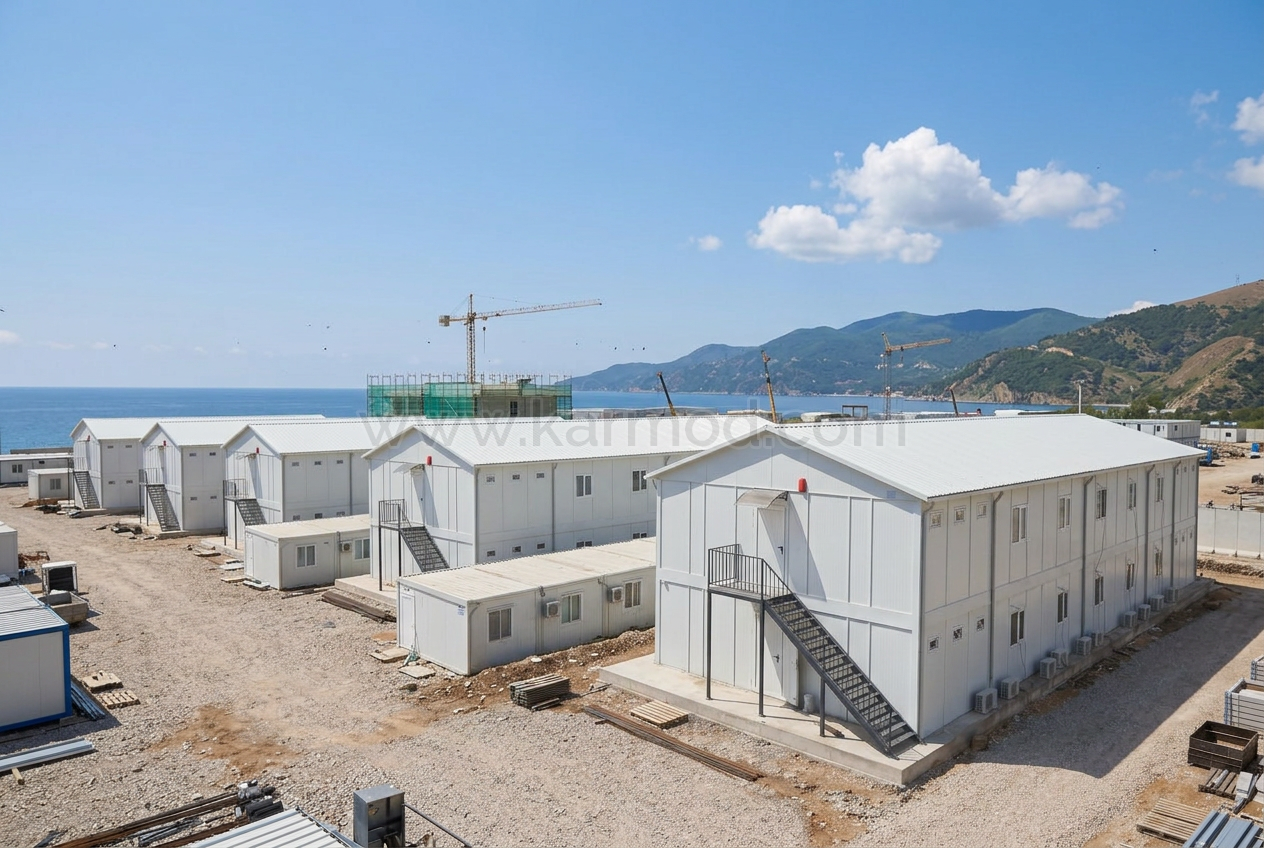
Prefab homes in Namibia are typically manufactured off-site and delivered as organized components, which supports consistent workmanship and reduces the time spent on-site in harsh weather. This approach aligns well with modular housing solutions and modular construction systems, especially for developments outside major cities where supply chains and skilled labor availability may vary. With thoughtful planning, prefabricated housing solutions can also help manage energy performance in a hot, dry environment through insulation, ventilation design, and shading strategies.
In an arid environment, the building envelope plays a key role in comfort and durability. A prefab house in Namibia can be specified with insulation suited to hot daytime temperatures and cooler evenings, along with details that reduce heat gain from direct sun exposure. Weatherproofing and dust control are also important, particularly for sites exposed to windblown sand or seasonal storms. In coastal areas, designs may additionally consider humidity, salt air, and fog-related moisture.
Namibia’s long distances between ports, towns, and inland project sites can influence both schedule and cost. Prefabricated housing solutions can reduce the volume of on-site material handling by delivering pre-engineered parts that are easier to plan, store, and assemble. For remote / climate-based construction—such as mining corridors, infrastructure projects, and rural developments—modular construction systems can help streamline delivery and reduce the reliance on extended on-site build phases.
Because major components are prepared in a controlled environment, prefab homes in Namibia can shorten on-site construction time and reduce exposure to weather delays. Faster installation can be useful for phased developments where units must be delivered in sequence, or where occupancy timelines are tied to project schedules and funding cycles. Efficient assembly also supports quicker commissioning of utilities and internal fit-out.
Prefab homes prices in Namibia vary according to size, layout complexity, structural specifications, finish level, and performance requirements such as insulation and ventilation. Costs can also differ based on site access, foundation assumptions, and utility connections. Rather than relying on a single fixed figure, most projects are budgeted through a structured scope that matches the intended use—whether for a family home, staff accommodation, or community housing.
Pricing typically reflects floor area, module count, and the degree of interior completion (basic shell versus more finished interiors). Standardized modules can improve cost predictability and reduce material waste through repeatable manufacturing. For baseline models and configurable options, the prefab homes range can be used as a starting point when assessing layouts and specification levels for different budgets.
Transport planning is often a major cost factor, especially for destinations far from Windhoek or coastal logistics nodes. Route distance, road conditions, delivery equipment needs, and unloading requirements can affect the total project budget. For remote / climate-based construction, early logistics assessment helps align module sizes and delivery strategy with real site access constraints.
A project-based quotation is usually the most accurate method for estimating total cost, because it accounts for site conditions, installation planning, and the selected specification. This approach can include variables such as foundation type, utility connections, interior finishes, and optional upgrades. It also makes it easier to compare alternative configurations without compromising core durability or comfort standards for a prefab house in Namibia.
Low cost prefab house in Namibia cost is commonly achieved through efficient layouts, standardized module dimensions, and careful selection of durable finishes suited to arid conditions. Affordability does not need to reduce structural reliability or comfort; instead, it can be supported by limiting unnecessary complexity while protecting key performance elements such as insulation, shading, and weather sealing.
Modular cost control is strengthened when the scope is clear from the outset—room count, wet areas, openings, and service routes—so manufacturing can proceed with fewer changes. Modular construction systems also make phased delivery possible, allowing essential living spaces to be delivered first and additional rooms added later as needs evolve.
For planning and comparison, reviewing the available prefab homes configurations can help set realistic expectations for size, completion level, and budget alignment in Namibia.
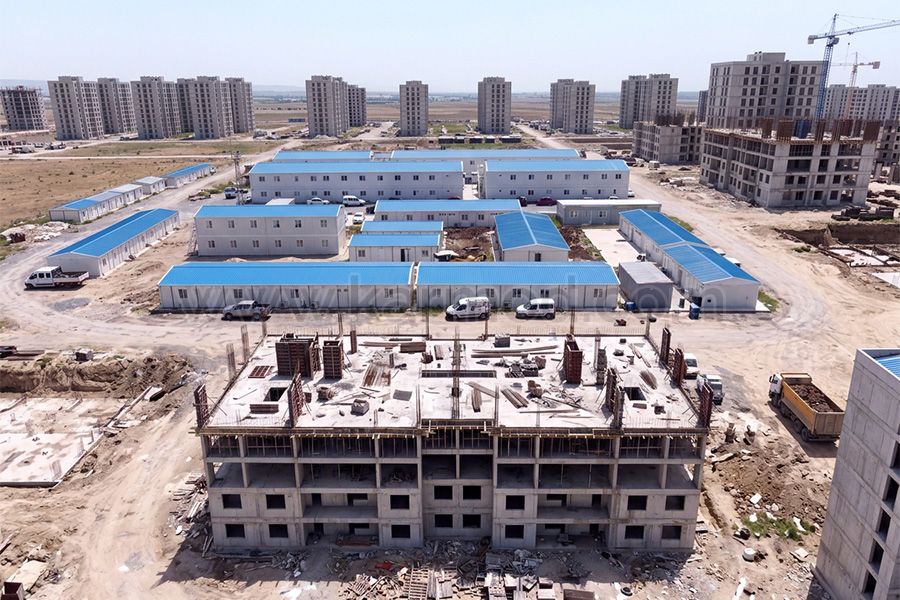
Housing demand in Namibia is influenced by urban growth, workforce mobility, and the need for reliable accommodation across wide geographic areas. Social housing projects can benefit from prefabricated housing solutions by standardizing unit quality and reducing build times, which supports better schedule control for multi-unit programs.
For community housing and public / government projects, modular housing solutions can help scale delivery while maintaining consistent specifications across different locations. Repeatable unit types can simplify planning for services, maintenance, and future expansion, especially when developments are delivered in phases.
Fast deployment benefits are relevant for urgent accommodation needs, workforce housing near project corridors, and staged development where occupancy must begin before all phases are complete. Modular construction systems can help deliver these units efficiently once foundations and utilities are prepared.


Prefab steel buildings in Namibia are commonly used where strength, durability, and long service life are priorities. Steel systems can support a range of applications, including storage, workshops, community facilities, and auxiliary residential structures. With correct detailing, they can perform reliably in arid zones and in coastal environments where salt air and wind exposure must be considered.
Weather resistance is supported through corrosion protection, appropriate coatings, and drainage design. In high UV conditions, material selection and finish durability also matter for long-term appearance and performance. For more information on related options, prefab steel buildings can be assessed based on project type, location, and expected usage duration.
For long-term use, steel buildings can be configured with flexible internal layouts and can be maintained or upgraded over time. This adaptability can be valuable for operations that expect expansion, changing storage needs, or evolving facility functions.


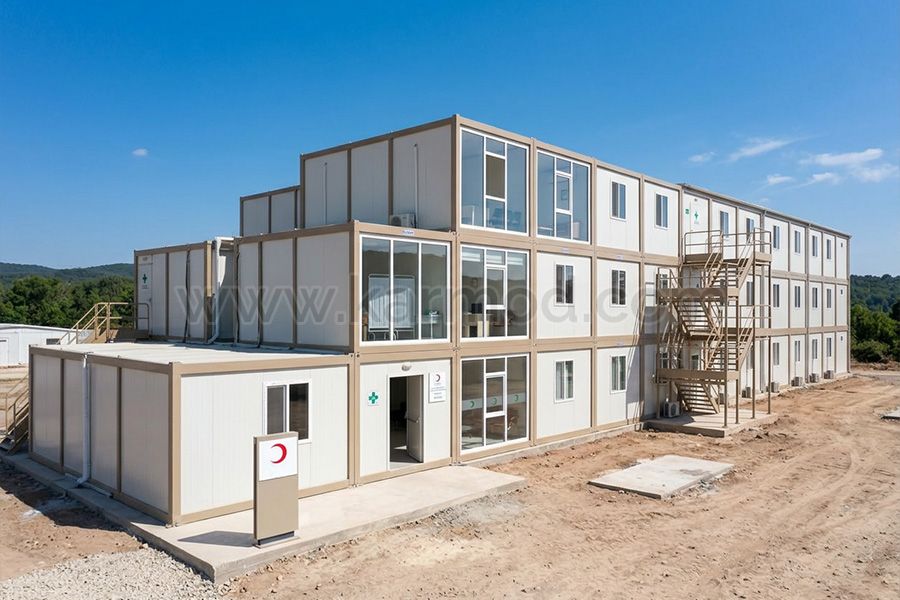
Modular homes in Namibia provide a structured way to customize layouts while keeping construction organized and predictable. Modules can be combined to adjust room counts, create shaded transition spaces, or plan separation between living and service areas. This is useful for both urban plots and remote sites where efficient delivery and assembly are important.
Expandability supports long-term planning. A modular home can be delivered as a core unit and extended later by adding modules, helping households and organizations manage budgets while still planning for future capacity. Modular construction systems also help standardize performance requirements, which supports consistent outcomes across multiple units or sites.
Mobile homes in Namibia are often considered for temporary housing needs and relocatable solutions where accommodation must move with a project. Typical use cases include construction programs, mining and exploration activities, seasonal operations, and interim housing during phased development.
Because they are designed for transport and rapid setup, mobile homes in Namibia can reduce the time needed to establish functional accommodation on site. Project-based usage planning usually focuses on route access, placement requirements, and utility connections to ensure units remain practical and compliant across different locations.
When combined with broader prefabricated housing solutions, mobile units can support short-term needs while modular homes provide a longer-term, expandable housing strategy for Namibia’s diverse regions.
In order to serve you better, if you could kindly send an e-mail to info@karmod.com for questions and details about your theoretical and special architectural plans, projects, and product specifications, your request will be responded to as soon as possible.

From one end of the world to the other, we enable our customers to reach the ready-made construction sector produced with the new technology of the world. We guarantee reliability through technology and innovation, flexible commercial models and smart supply chain solutions that add value for you, following the project production network.
Discover
Karmod is one of the largest prefabricated construction companies in Turkey, with a production of 45,000 m2. produces high quality prefabs and prefab containers