EN
EN 


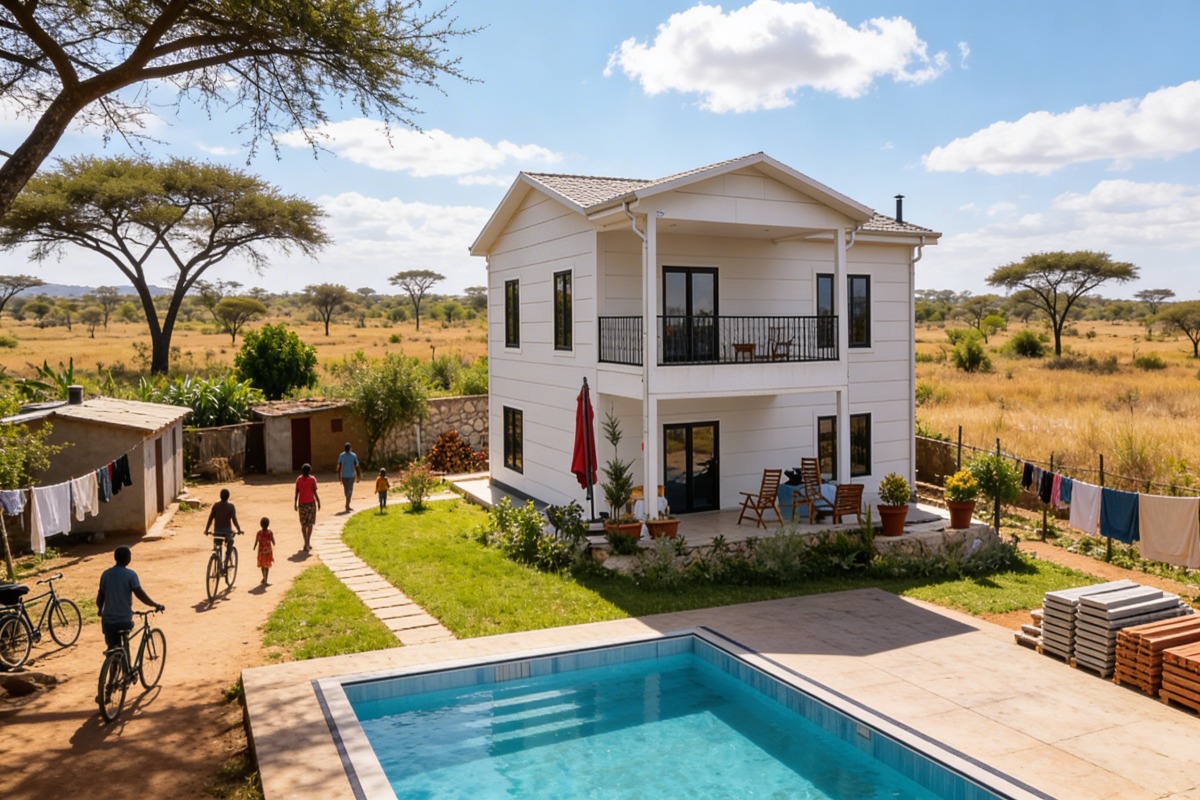
Malawi is a landlocked country in southeastern Africa, known for its diverse geography ranging from the Great Rift Valley and Lake Malawi to highland plateaus and rural settlements. With a growing population, expanding urban centers such as Lilongwe and Blantyre, and significant rural communities, the demand for efficient and affordable housing continues to increase. Seasonal heavy rains, warm temperatures, and infrastructure limitations in remote areas make construction logistics a critical factor in any housing project.
A prefab house in Malawi provides a practical response to these conditions. Prefabricated housing solutions are manufactured in controlled environments and delivered to site-ready locations, reducing construction time and minimizing on-site waste. Prefab homes in Malawi are particularly suitable for areas with limited skilled labor availability or challenging transport routes. Through modern modular housing solutions, homes can be installed quickly, adapted to local climate requirements, and planned according to budget constraints without compromising structural quality.
Prefabricated housing in Malawi must respond to tropical weather patterns, varying terrain, and both urban and rural infrastructure differences. Modern modular construction systems are engineered to ensure durability and comfort under these conditions.
Prefab homes in Malawi are designed to withstand high temperatures, seasonal rainfall, and humidity. Insulated wall panels, moisture-resistant materials, and corrosion-protected structural elements help maintain indoor comfort and long-term performance. These features are especially important in lakeside regions and lowland areas where humidity levels are higher.
Transporting traditional construction materials to remote districts can be costly and time-consuming. A prefab house in Malawi is delivered in modular components, reducing transport volume and simplifying site access. This makes remote or climate-based construction more manageable and predictable.
Time-efficient assembly is one of the major advantages of prefabricated housing solutions. Since structural elements are produced off-site, installation is completed significantly faster than conventional masonry construction. This approach is particularly valuable for urgent housing needs, workforce accommodation, and rural development projects.
The cost of prefab homes in Malawi depends on size, layout, insulation level, and selected finishes. Compared to conventional reinforced concrete structures, prefabricated systems offer better cost control due to standardized production and reduced labor requirements. Prefab homes are generally more predictable in budgeting, which supports both private buyers and institutional investors.
Pricing is primarily calculated based on square meters, structural system type, and technical specifications. Modular construction systems allow scalable designs, meaning smaller units remain cost-efficient while larger homes benefit from optimized material planning.
Malawi’s landlocked geography makes transport planning important. Delivery distance, road accessibility, and site preparation requirements can influence the total project cost. Prefabricated systems reduce unexpected on-site expenses by minimizing weather delays and material waste.
Each prefab house in Malawi is typically evaluated according to project-specific requirements. Factors such as foundation type, roof configuration, and additional features are considered to provide a transparent and customized quotation.
Affordable housing remains a priority in Malawi. A low cost prefab house in Malawi cost structure focuses on essential design efficiency without reducing durability. Standardized components and factory-controlled production reduce overall expenses while maintaining safety standards.
Modular cost control allows buyers to expand their homes gradually. Through phased development, homeowners can start with a core unit and add rooms later. This flexibility makes affordable home solutions accessible to a wider population.


Beyond individual housing, prefab homes in Malawi are increasingly considered for institutional and development-focused projects due to their scalability and predictable delivery timelines.


Rapid urbanization and population growth have increased the need for organized residential planning. Prefabricated housing solutions support community housing initiatives by enabling large-scale deployment within short timeframes.
Modular housing solutions allow the development of standardized residential units for communities. Infrastructure such as schools, healthcare centers, and shared facilities can be integrated into broader housing master plans.
Government-supported housing programs benefit from modular construction systems because of cost transparency and speed. Prefab homes in Malawi can be produced in volume while maintaining consistent quality standards.
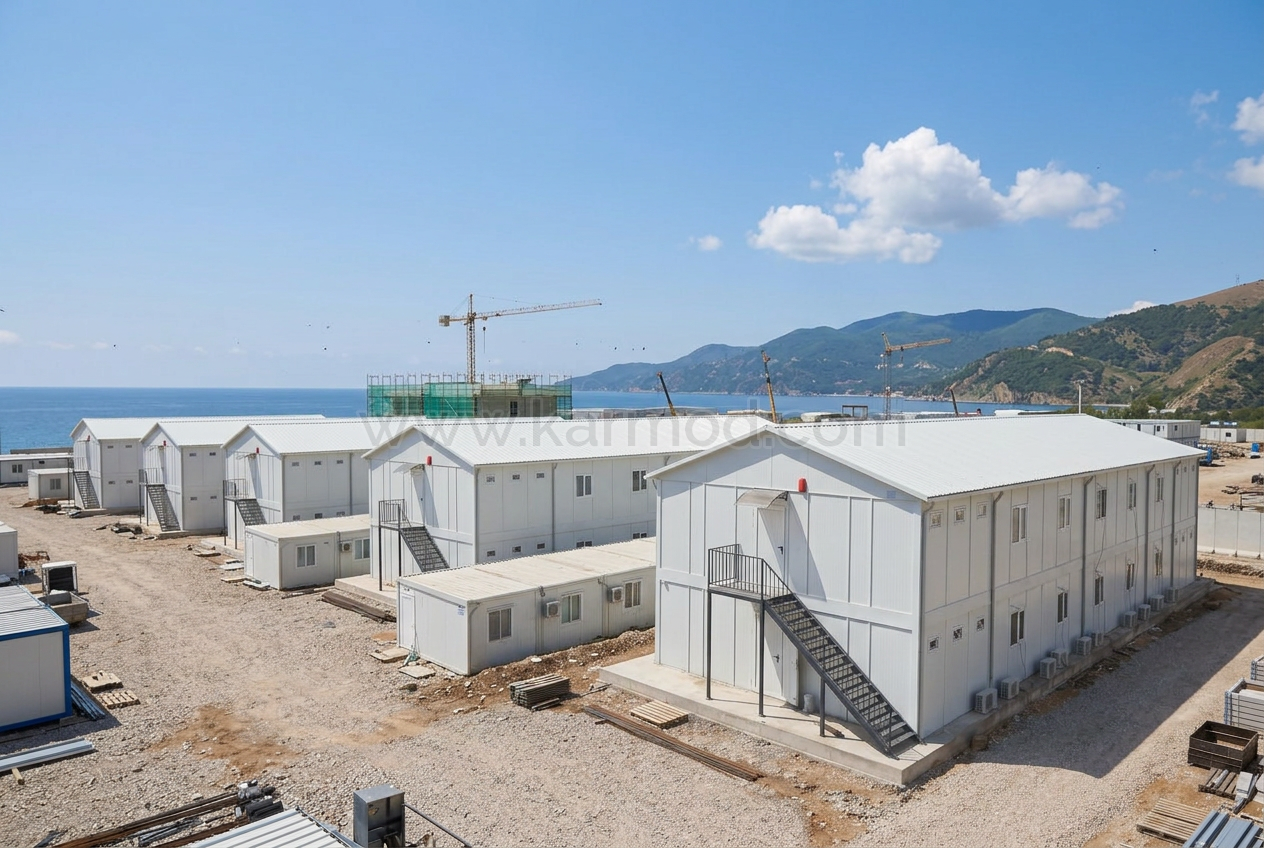
In situations requiring rapid accommodation—such as post-disaster recovery or workforce housing—prefabricated structures can be installed much faster than conventional buildings. This makes them suitable for both humanitarian and infrastructure-related projects.
Industrial and commercial growth requires durable structural systems. Prefab steel buildings in Malawi provide strong and adaptable solutions for warehouses, workshops, and production facilities. Our prefab steel buildings are engineered for structural stability and long-term performance.
Steel structures offer high load-bearing capacity and structural integrity. This makes them suitable for agricultural storage, logistics hubs, and manufacturing operations.
Corrosion-protected steel components are designed to withstand humidity and seasonal rainfall. Proper insulation and roofing systems enhance protection against heat and moisture.
Prefab steel buildings in Malawi require minimal maintenance and can be expanded as operational needs grow. Their modular design allows future extensions without disrupting existing structures.
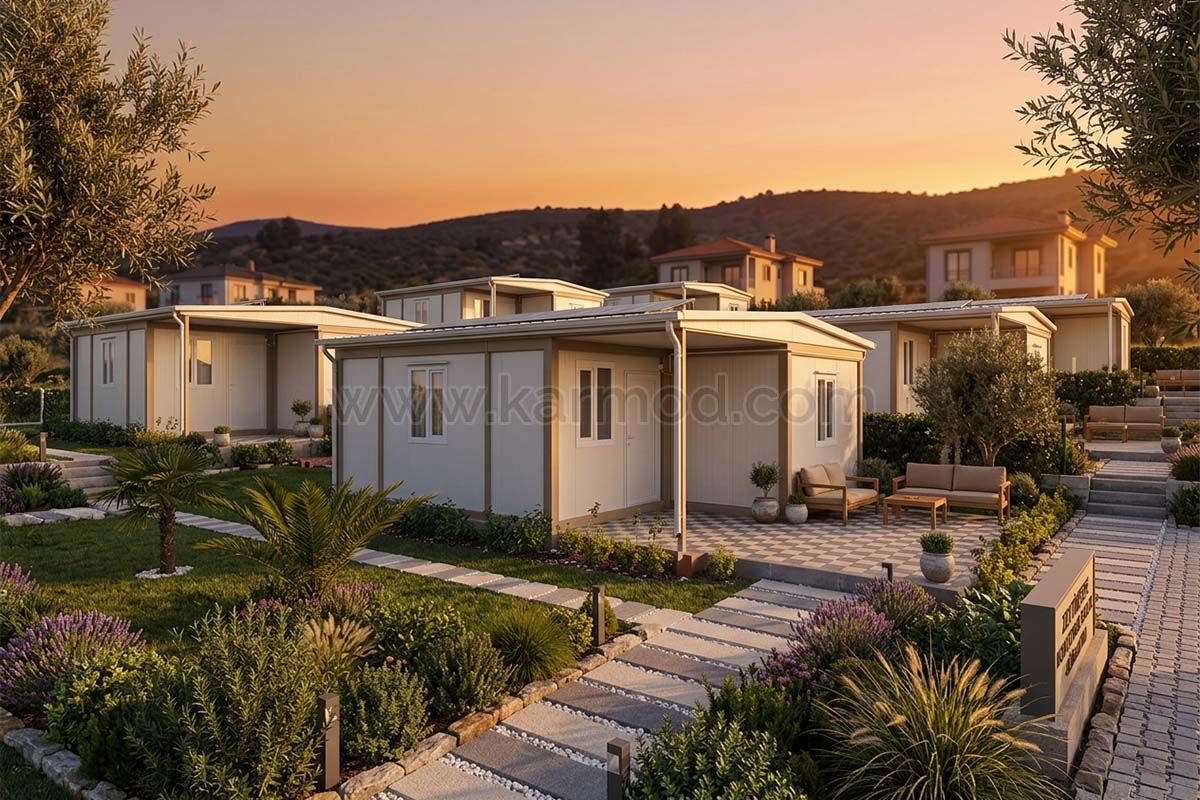
Modular homes in Malawi combine flexibility with long-term planning advantages. Built using modular construction systems, these homes can be configured to match both urban and rural living requirements.
Floor plans can be adjusted to include additional bedrooms, verandas, or service areas. Interior and exterior finishes can be selected according to climate conditions and personal preferences.
One of the main advantages of modular homes in Malawi is the ability to expand over time. Additional modules can be integrated without major structural modification, supporting gradual investment strategies.
Prefabricated housing solutions provide predictable maintenance and operational costs. This makes them suitable for families planning multi-phase development or investors managing rental properties.
Mobile homes in Malawi offer flexible accommodation options for temporary or relocatable needs. These units are produced as transportable structures and installed with minimal site preparation.
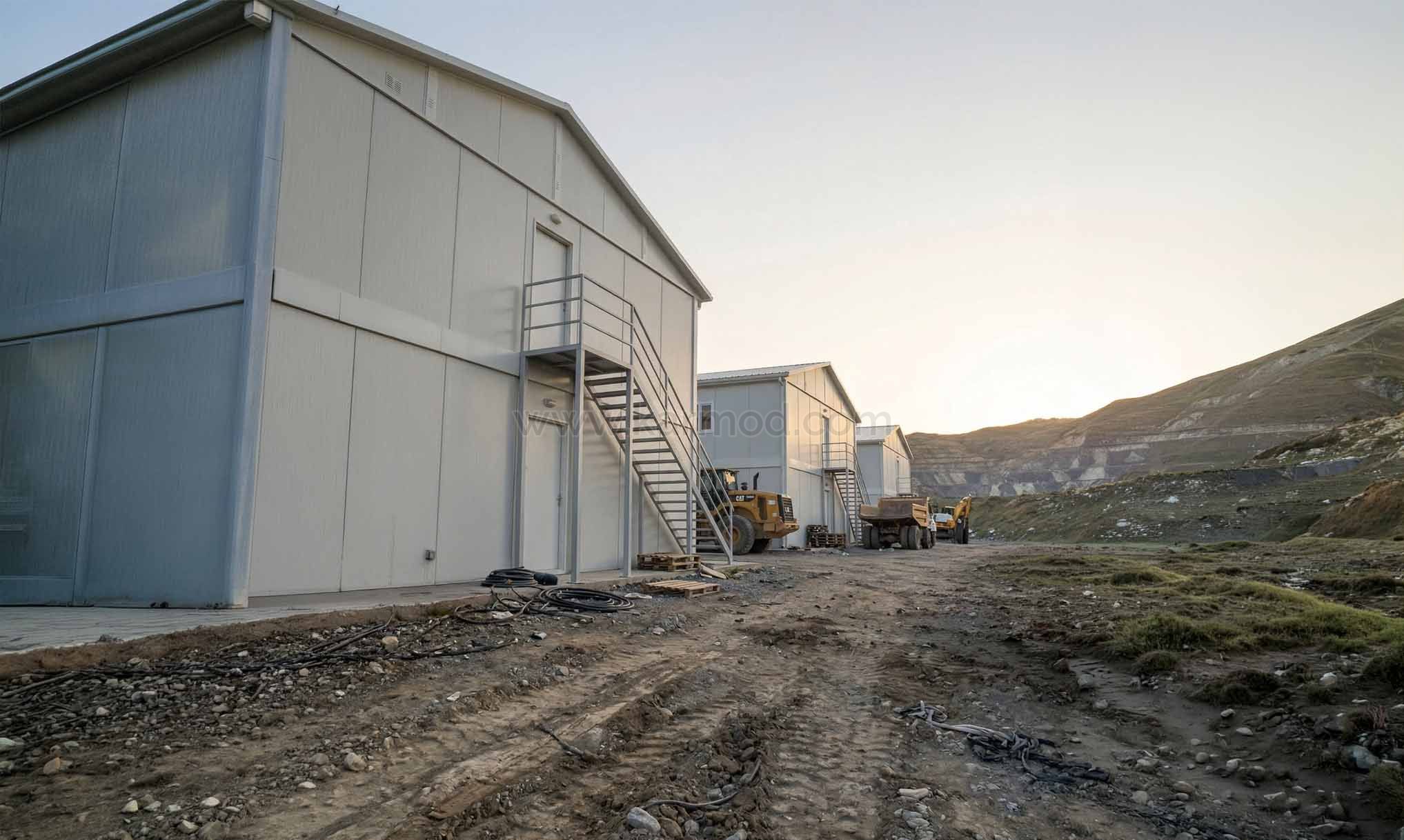
Mobile units are suitable for construction sites, agricultural projects, and seasonal workforce accommodation. They can also serve as interim housing during permanent construction phases.
Unlike fixed structures, mobile homes in Malawi can be moved to new locations when required. This mobility supports dynamic project-based operations and remote site management.
From mining sites to infrastructure development zones, mobile and modular housing systems provide adaptable shelter solutions. Their quick assembly and dismantling features reduce downtime and improve operational efficiency.
In order to serve you better, if you could kindly send an e-mail to info@karmod.com for questions and details about your theoretical and special architectural plans, projects, and product specifications, your request will be responded to as soon as possible.

From one end of the world to the other, we enable our customers to reach the ready-made construction sector produced with the new technology of the world. We guarantee reliability through technology and innovation, flexible commercial models and smart supply chain solutions that add value for you, following the project production network.
Discover
Karmod is one of the largest prefabricated construction companies in Turkey, with a production of 45,000 m2. produces high quality prefabs and prefab containers