EN
EN 


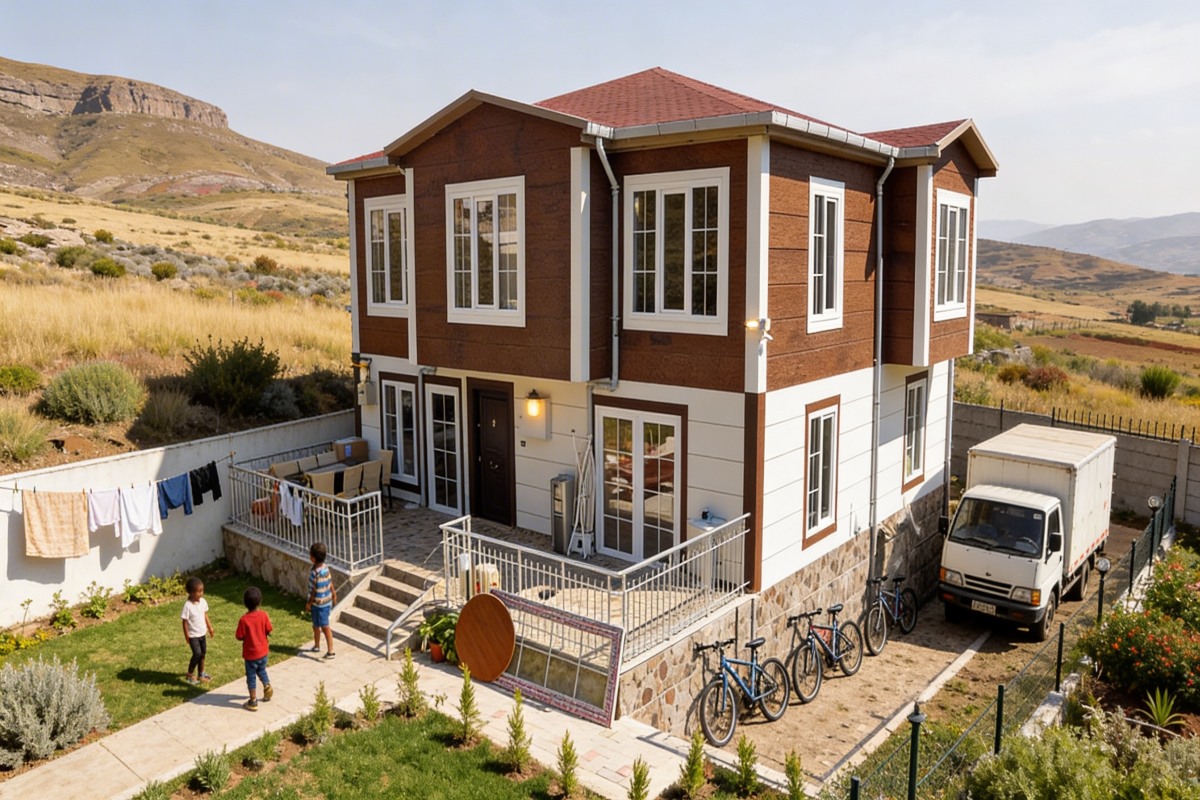
Lesotho is a small, landlocked country in Southern Africa, surrounded by South Africa and defined by its high-altitude geography. Much of the country sits well above sea level, with mountainous terrain, steep valleys, and settlements spread across challenging landscapes. Winters can be cold with snow in higher areas, while summers are milder but can bring heavy seasonal rainfall that affects access roads and construction schedules. In this context, prefabricated housing solutions can help reduce on-site building time and make delivery more predictable across different regions.
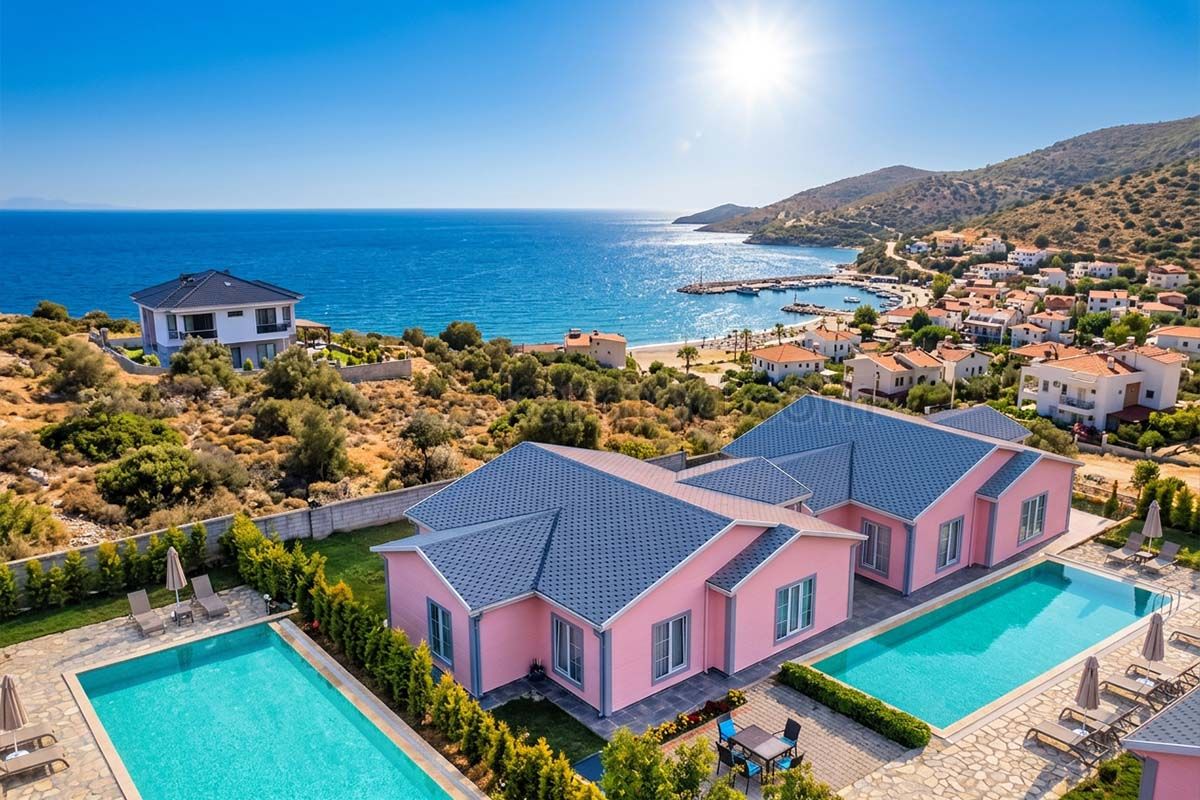
A prefab house in Lesotho can be a practical choice when projects require consistent quality, controlled production, and faster site completion. Prefab homes in Lesotho are typically manufactured off-site and delivered in organized components, which supports modular housing solutions that can be assembled efficiently even when weather windows are short. For communities and organizations planning new housing, modular construction systems can also simplify design coordination and standardize performance requirements such as insulation and weather resistance.
Prefab homes in Lesotho can be planned around local conditions—temperature swings, high winds in exposed areas, and seasonal rain—by specifying appropriate insulation, roof detailing, and moisture management. Layouts can be adapted to different plot sizes and topography, from flatter urban areas to sloped sites, while keeping construction steps structured and repeatable. This makes modular housing solutions relevant for single-family homes, staff accommodation, and multi-unit developments where time and logistics are key constraints.
Because Lesotho experiences cold winters (especially at higher elevations) and variable summer rain, a prefab house in Lesotho should prioritize thermal comfort and envelope protection. Factory-controlled manufacturing allows insulation levels, airtightness, and window/door detailing to be specified consistently, supporting indoor comfort and reducing heat loss. Roof drainage, moisture barriers, and weatherproof junctions are also important in areas exposed to wind and driving rain.
Mountain roads and dispersed settlements can make conventional building supply chains slower and more costly. Prefabricated housing solutions reduce the amount of raw material that must be stored and managed on-site, because major components arrive planned and packaged for assembly. For remote / climate-based construction, modular construction systems can lower dependency on long on-site build phases and help projects stay on schedule across different regions of Lesotho.
Shorter on-site schedules can be useful when weather conditions shift quickly or when housing is needed within a defined timeline. Prefab homes in Lesotho are assembled from pre-engineered elements, which can reduce delays associated with wet trades and extended curing times. Faster installation also supports phased developments where units are added over time without restarting the entire construction process.
Prefab homes prices in Lesotho depend on the overall floor area, configuration, finish level, insulation targets, and site requirements. The location and access conditions can influence delivery planning, while design choices—such as roof type, cladding, and interior completion—affect the total project scope. A project-based approach helps ensure the final cost matches the intended use, whether for a primary residence, staff accommodation, or a community housing program.
Most pricing is driven by module count, layout complexity, structural specification, and how complete the unit is at delivery (basic shell versus more finished interiors). Standard module sizes can support cost predictability and reduce material waste through controlled manufacturing. The cost of a prefab home in Lesotho depends on several factors, such as the size, design, customization options, and location.
Transport to mountainous districts and hard-to-reach sites can affect budgets, especially where road gradients, tight turns, or seasonal conditions restrict delivery. Logistics planning may include route assessment, unloading requirements, and temporary site access improvements. These factors can be particularly relevant for mobile and modular projects intended for remote / climate-based construction in Lesotho.
A project-based quotation is typically the most accurate way to compare prefabricated housing solutions because it accounts for site conditions, desired performance, and scope clarity. This approach can include assumptions about foundations, services connections, level of interior completion, and delivery strategy. It also helps align expectations for timeline, installation resources, and any adaptations required by the land topography.
Low cost prefab house in Lesotho cost is usually achieved by keeping layouts efficient, using standardized modules, and selecting durable finishes that are appropriate for local conditions. Affordability can be supported without sacrificing core performance by prioritizing insulation, weatherproofing, and practical detailing from the start. This is particularly important in colder highland areas where thermal comfort and moisture management affect long-term living quality.
Modular cost control is strengthened when the project scope is defined early—room counts, wet areas, openings, and service routing—so manufacturing can stay consistent and predictable. Modular construction systems can also support phased development, allowing a basic unit to be delivered first and expanded later as needs and budgets evolve.
For buyers comparing options, reviewing standardized solutions alongside custom additions can help balance cost and functionality. The prefab home range provides a reference point for layouts and completion levels that can be adapted for different budgets in Lesotho.


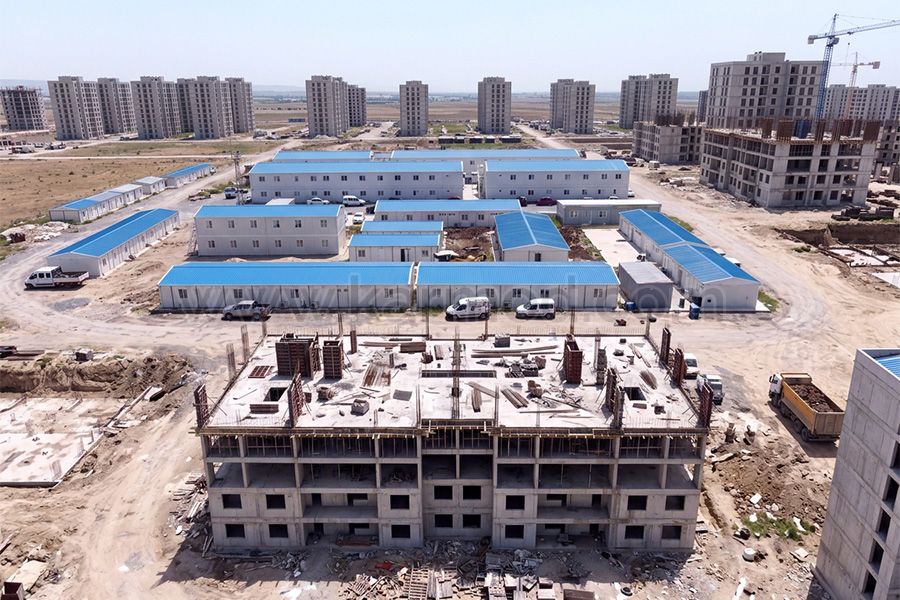
Lesotho’s housing needs include urban growth, workforce accommodation, and community development in regions where terrain and climate make conventional construction slower. Social housing projects in Lesotho can benefit from prefabricated housing solutions that standardize unit quality and reduce on-site build durations. This can support predictable delivery for multi-unit programs where timelines and budgets must be managed carefully.
For community housing and public / government projects, modular housing solutions can help scale construction across multiple sites while maintaining consistent specifications. Modular construction systems also make it easier to repeat unit types, coordinate services, and plan phased deployment as funding or site readiness changes.
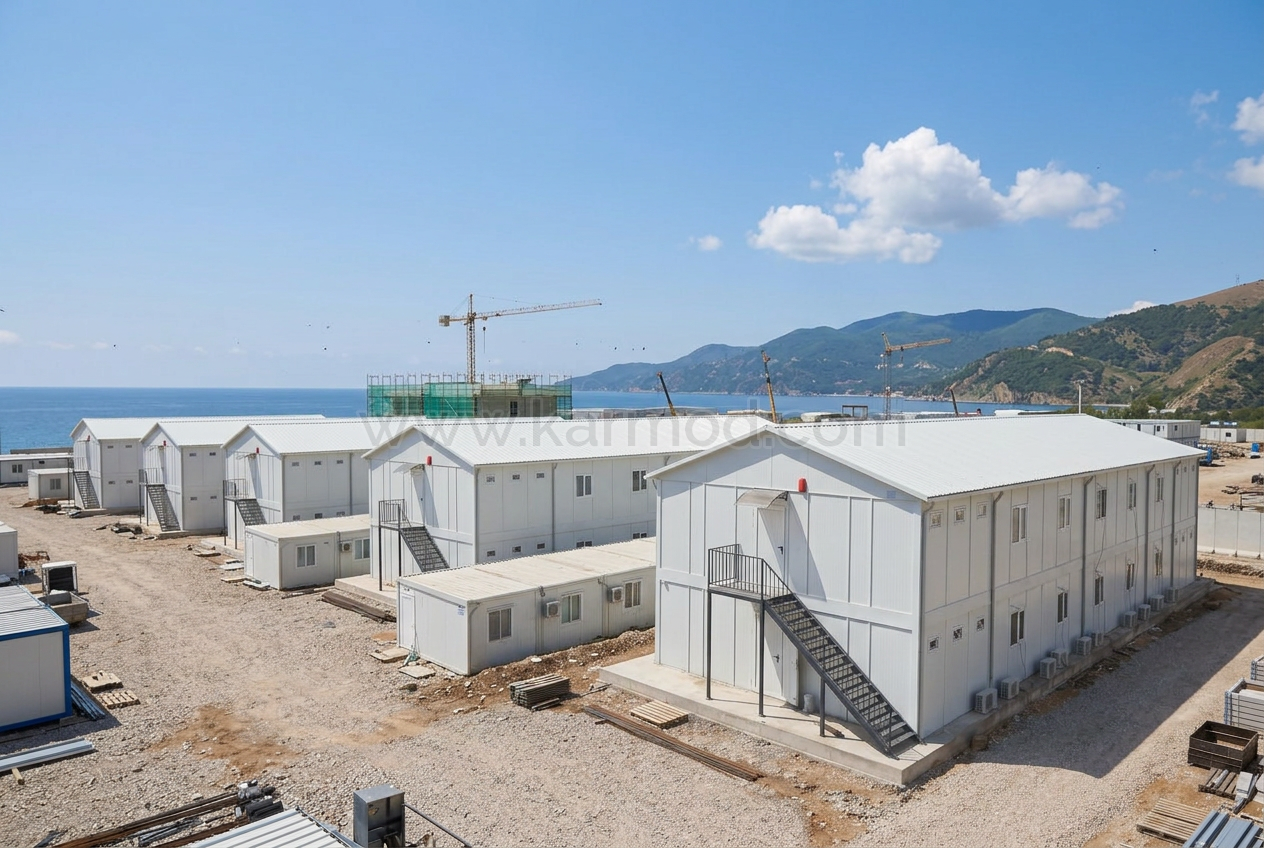
Fast deployment benefits are relevant for temporary rehousing needs, service-worker accommodation, and rapid capacity expansion in areas with limited construction seasons. Because components are prepared off-site, installation can proceed more quickly once foundations and utilities are ready, supporting efficient project rollout across different districts.


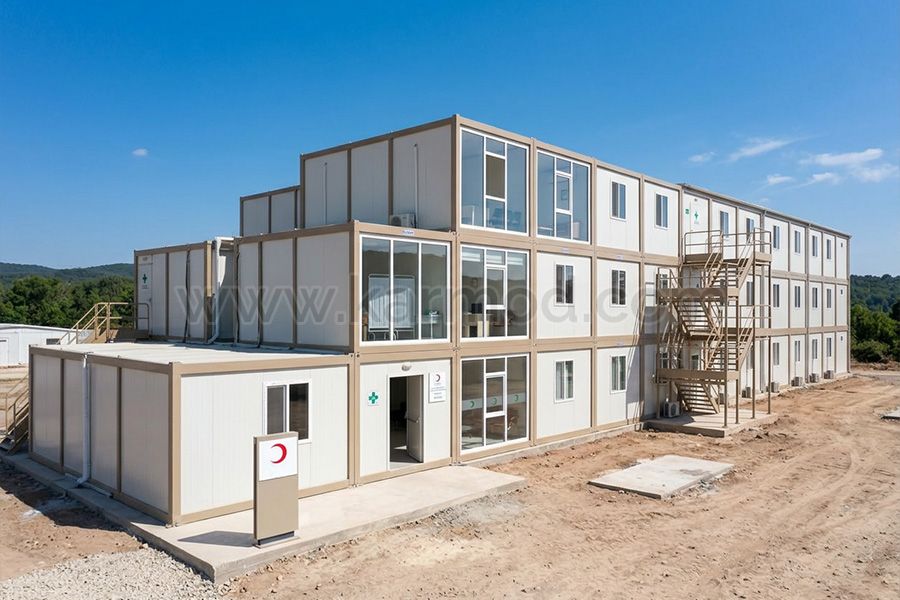
Prefab steel buildings in Lesotho are often selected for durability, structural reliability, and suitability for long-term use in demanding conditions. Steel systems can be appropriate for ancillary residential facilities, storage buildings, workshops, and community service structures where robust performance is required.
Weather resistance is a key consideration in exposed highland areas, where wind, cold, and seasonal precipitation can challenge building envelopes. With correct detailing, corrosion protection, and drainage planning, steel structures can support reliable performance over time and remain maintainable as needs change.
For long-term use, steel buildings can be configured for different spans and internal layouts, helping facilities adapt as operations expand. If you are comparing options, prefab steel buildings can be evaluated alongside modular and residential solutions based on the project’s intended function and site conditions.
Modular homes in Lesotho provide a practical route to customization while keeping construction organized and repeatable. Because modules are designed to connect in consistent ways, layouts can be tailored to family size, site dimensions, and orientation for sunlight and wind exposure—especially important in high-altitude regions.
Expandability supports long-term planning. A modular home can start with essential spaces and be extended later by adding modules, which is useful for households and organizations planning phased investment. This approach can also support sites where building access is seasonal, allowing future phases to be scheduled around favorable conditions.
For projects that must balance performance and predictability, modular construction systems can help coordinate insulation targets, services routing, and quality checks in a controlled manufacturing process before the home reaches the site.
Mobile homes in Lesotho can suit temporary housing needs where accommodation must be relocated as work sites or priorities shift. This can include construction programs, infrastructure projects, seasonal operations, and short-term community support where fixed construction may not be practical.
Relocatable solutions are typically planned around transport routes, placement requirements, and utility connections. In areas where access can change during heavy rains or winter conditions, mobile homes in Lesotho may help organizations maintain continuity by moving units between sites as needed.
For project-based usage, clarity on duration, occupancy needs, and site services is important so the unit specification aligns with the environment and expected level of comfort. Mobile housing can also complement modular homes by providing interim accommodation during staged construction or phased community development.
In order to serve you better, if you could kindly send an e-mail to info@karmod.com for questions and details about your theoretical and special architectural plans, projects, and product specifications, your request will be responded to as soon as possible.

From one end of the world to the other, we enable our customers to reach the ready-made construction sector produced with the new technology of the world. We guarantee reliability through technology and innovation, flexible commercial models and smart supply chain solutions that add value for you, following the project production network.
Discover
Karmod is one of the largest prefabricated construction companies in Turkey, with a production of 45,000 m2. produces high quality prefabs and prefab containers