EN
EN 


Jamaica is a Caribbean island nation with mountainous interiors, coastal plains, and communities spread from Kingston and Montego Bay to smaller towns across the island. Its tropical maritime climate brings year-round warmth, high humidity, and a pronounced hurricane season, with heavy rainfall and strong winds that can disrupt construction schedules and material supply. With an economy that relies heavily on services, tourism, and trade, housing demand often intersects with the need for resilient, efficient building methods—especially in coastal and storm-exposed areas.
For these reasons, a prefab house in Jamaica can be a practical approach when speed, consistent quality, and weather-aware design are priorities. Prefab homes in Jamaica are manufactured in controlled conditions and delivered for structured on-site assembly, which can reduce time spent building in unpredictable weather. This model supports modular housing solutions and modular construction systems that help standardize performance, manage budgets, and streamline logistics for projects ranging from individual residences to multi-unit developments.
Because Jamaica’s climate includes humidity, salt air near the coast, and hurricane-related wind loads, prefabricated housing solutions are often planned around moisture control, corrosion-resistant detailing, and robust structural connections. Designs can also incorporate ventilation strategies and insulation choices that improve indoor comfort in warm conditions. With scalable layouts and repeatable modules, prefab homes in Jamaica can be adapted to different site sizes, neighborhoods, and long-term occupancy needs.


Jamaica’s tropical conditions place emphasis on wind resistance, moisture management, and protection from driving rain. A prefab house in Jamaica can be specified with strong structural connections, durable exterior finishes, and careful detailing around openings to reduce water ingress during storms. In coastal zones, material selection and protective coatings can also help reduce the impact of salt-laden air on long-term durability.
Island logistics can affect availability and lead times for conventional construction materials, especially during peak demand periods or after severe weather events. Prefabricated housing solutions can simplify procurement by delivering pre-engineered components that are planned in advance and packaged for assembly. This can be helpful for remote or difficult-to-access sites and for developments that require repeatable quality across multiple units.
Reducing time on site can lower exposure to weather delays and help projects reach occupancy sooner. Prefab homes in Jamaica are typically assembled from prepared components, which supports shorter build programs compared to fully site-built methods. Faster installation can also be relevant for phased developments and for rebuilding timelines following hurricanes or flooding events, where rapid housing capacity is needed.
Prefab homes prices in Jamaica depend on the total floor area, structural specification, interior completion level, and the design choices required for local climate performance. Budgeting also considers site-specific factors such as access, foundation requirements, and utility connections. Because housing needs vary widely—from compact starter homes to multi-bedroom family units—pricing is usually best evaluated against a clear scope and intended use.
Core pricing is typically driven by size, module count, layout complexity, and finish selection. Standard module dimensions can improve cost predictability by reducing waste and limiting rework in production. When planning a project, reviewing baseline options such as prefabricated homes can help establish realistic expectations for configuration and specification levels in Jamaica.
Transport, handling, and site delivery can influence total cost on an island. The route to the site, access constraints, lifting needs, and timing considerations may affect logistics planning, especially in dense urban areas or coastal regions with limited staging space. These variables should be assessed early so the project budget reflects practical delivery and installation requirements.
Because requirements differ by location, wind exposure, and interior preferences, a project-based quotation approach is often the most accurate way to price prefab homes in Jamaica. This method accounts for site conditions, foundation assumptions, and the chosen completion level, while also clarifying optional elements such as enhanced storm detailing or energy-related upgrades. It supports transparent comparisons between alternatives without over- or under-specifying the build.
Low cost prefab house in Jamaica cost is typically achieved through efficient floor plans, standardized modules, and practical finish choices that remain suitable for humid and storm-prone conditions. Affordability can be improved without sacrificing safety by prioritizing core performance requirements such as secure connections, water management details, and durable exterior materials.
Modular cost control is supported by modular construction systems that reduce on-site labor time and limit variability. When the scope is clearly defined—room count, wet areas, openings, and service routes—manufacturing can proceed with fewer changes, helping keep costs predictable. This approach can be especially useful for multi-unit developments where repeatability matters.
For budget planning, the prefabricated homes range can serve as a reference for typical layouts and completion levels, which can then be adapted to the site and local requirements in Jamaica.


Jamaica’s housing needs include urban expansion, workforce mobility, and the requirement for resilient accommodation in regions affected by storms and flooding. Social housing projects in Jamaica can benefit from prefabricated housing solutions by enabling standardized unit specifications and repeatable quality across multiple sites. This consistency can support clearer planning for utilities, maintenance, and long-term management of housing stock.
For community housing and public / government projects, modular housing solutions can help scale delivery while keeping timelines more predictable. Modular construction systems can simplify coordination across unit types, allowing phased build programs that respond to funding schedules, site readiness, or urgent housing needs.
Fast deployment benefits are especially relevant in post-disaster contexts, where timely accommodation may be required while permanent rebuilding progresses. By reducing on-site construction time, prefab homes in Jamaica can support quicker occupancy once foundations and services are prepared.


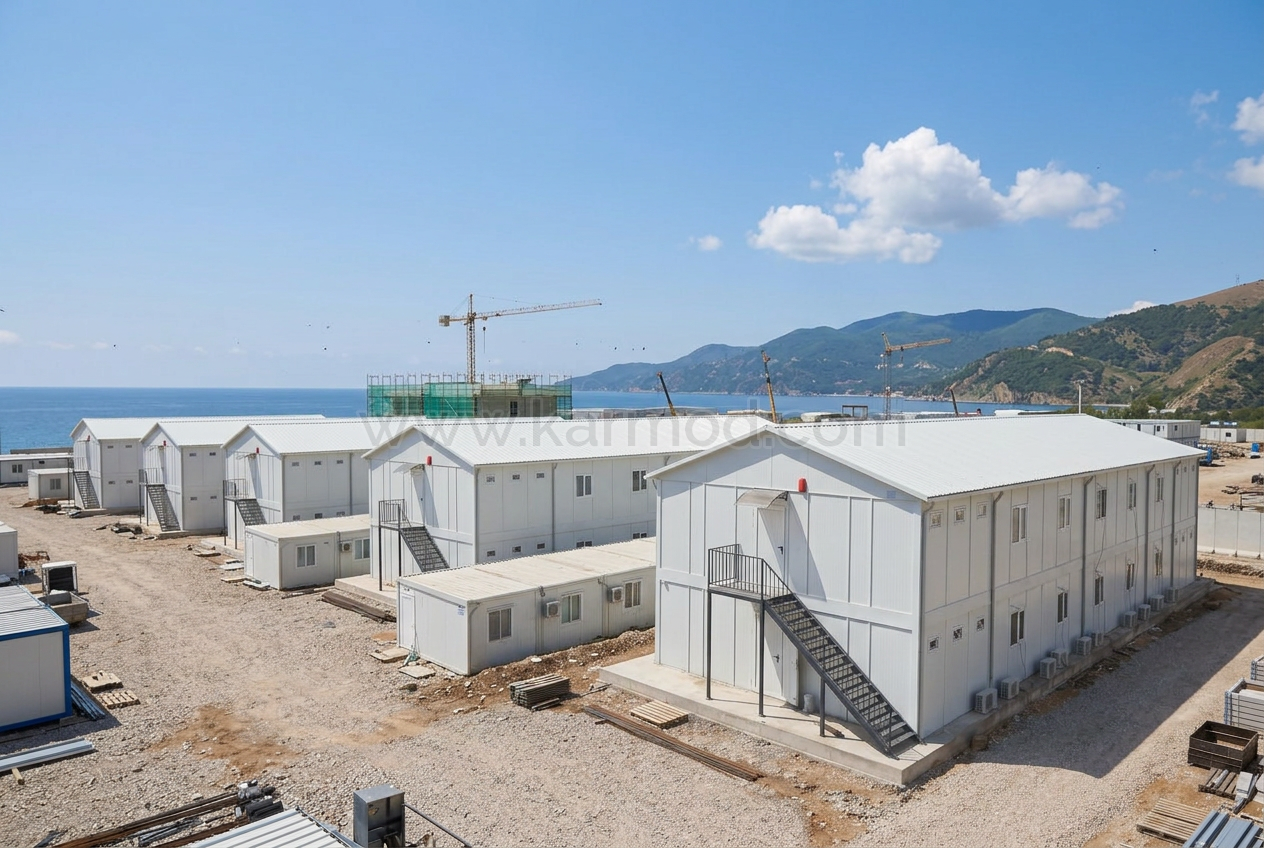
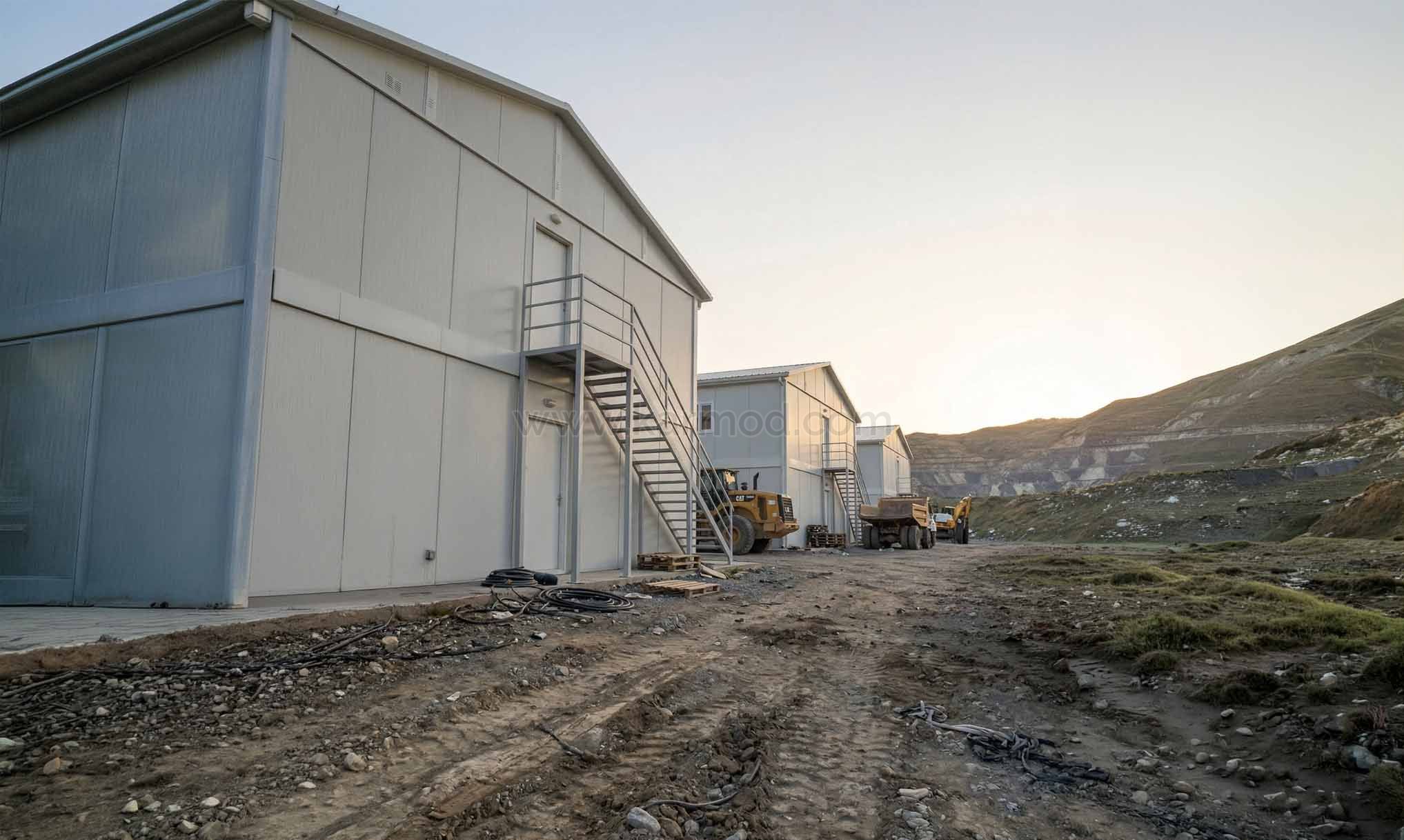
Prefab steel buildings in Jamaica are often used where durability, structural strength, and long-term service life are priorities. Steel structures can suit storage, workshops, community facilities, and ancillary buildings that require robust performance in tropical conditions. With appropriate detailing, they can also support resistance to high winds and heavy rainfall.
Weather resistance is typically addressed through corrosion protection, coatings suited to coastal exposure, and drainage detailing that reduces standing water. In humid environments, long-term performance also depends on ventilation planning and material protection at junctions and openings.
For related structural options and specifications, see prefab steel buildings, which can be evaluated according to use case, location, and expected operational demands in Jamaica.
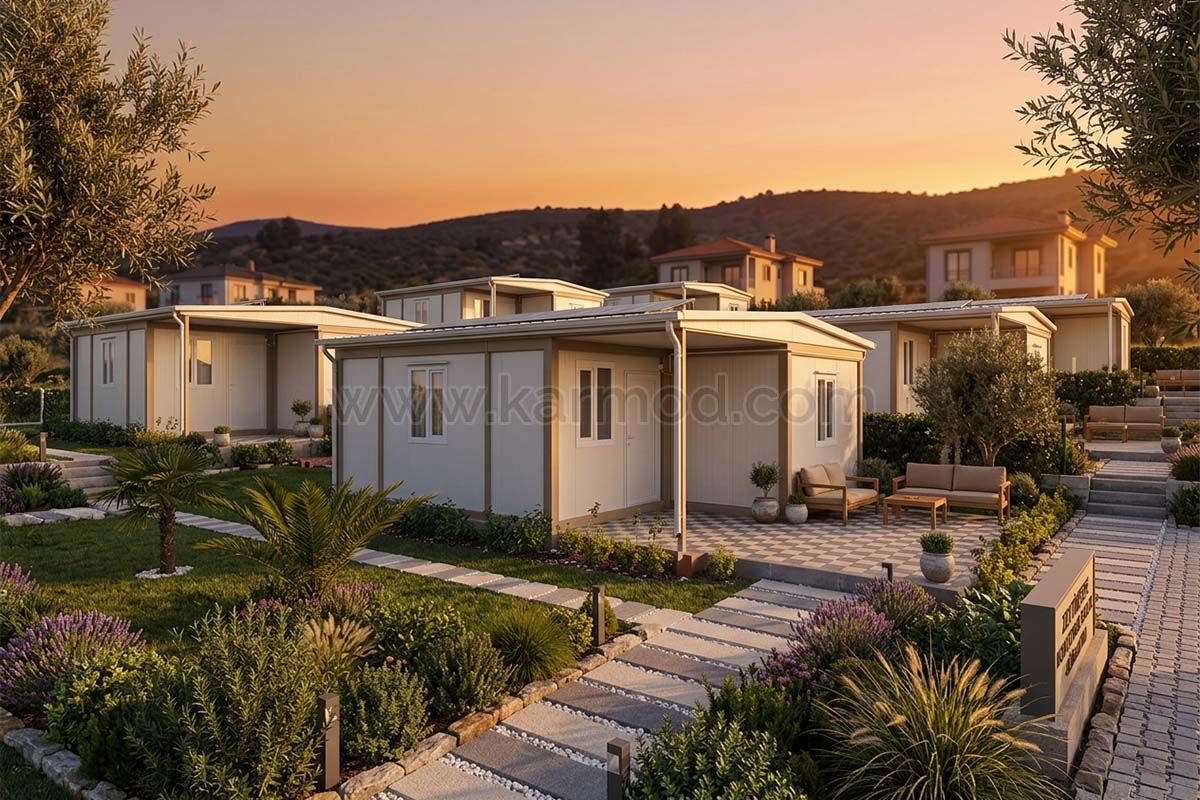
Modular homes in Jamaica offer a structured way to tailor layouts to different household needs while keeping construction organized and repeatable. Modules can be combined to increase bedroom count, create flexible living spaces, or support shaded transition areas that improve comfort in warm climates. This approach can also help when building on constrained urban sites or in neighborhoods where staged delivery reduces disruption.
Expandability supports long-term planning. A modular home can start as a core unit and be extended later by adding modules, helping families and developers align investment with changing requirements. Modular construction systems also make it easier to keep specifications consistent across multiple units in housing developments.
Mobile homes in Jamaica can suit temporary housing needs and relocatable solutions where accommodation must be moved between locations. Typical applications include short-term workforce housing, tourism-related accommodation needs, and interim housing during phased construction or refurbishment projects.
Because they are designed for transport and rapid setup, mobile homes in Jamaica can reduce the time required to establish functional living space on site. Project-based usage planning usually considers route access, placement requirements, wind exposure, and utility connections to ensure safe and practical operation.
If you would like more information about available prefabricated building options in Jamaica, you can reach out at info@karmod.com.
In order to serve you better, if you could kindly send an e-mail to info@karmod.com for questions and details about your theoretical and special architectural plans, projects, and product specifications, your request will be responded to as soon as possible.

From one end of the world to the other, we enable our customers to reach the ready-made construction sector produced with the new technology of the world. We guarantee reliability through technology and innovation, flexible commercial models and smart supply chain solutions that add value for you, following the project production network.
Discover
Karmod is one of the largest prefabricated construction companies in Turkey, with a production of 45,000 m2. produces high quality prefabs and prefab containers