EN
EN 


Guyana is located on the northern coast of South America, bordering the Atlantic Ocean and covered largely by tropical rainforest. The country’s settlement pattern includes a coastal belt with major towns as well as remote interior regions where access can be limited. With a hot, humid climate, heavy seasonal rainfall, and flood-prone areas near rivers and low-lying zones, construction methods often need to prioritize moisture management, durability, and practical logistics.
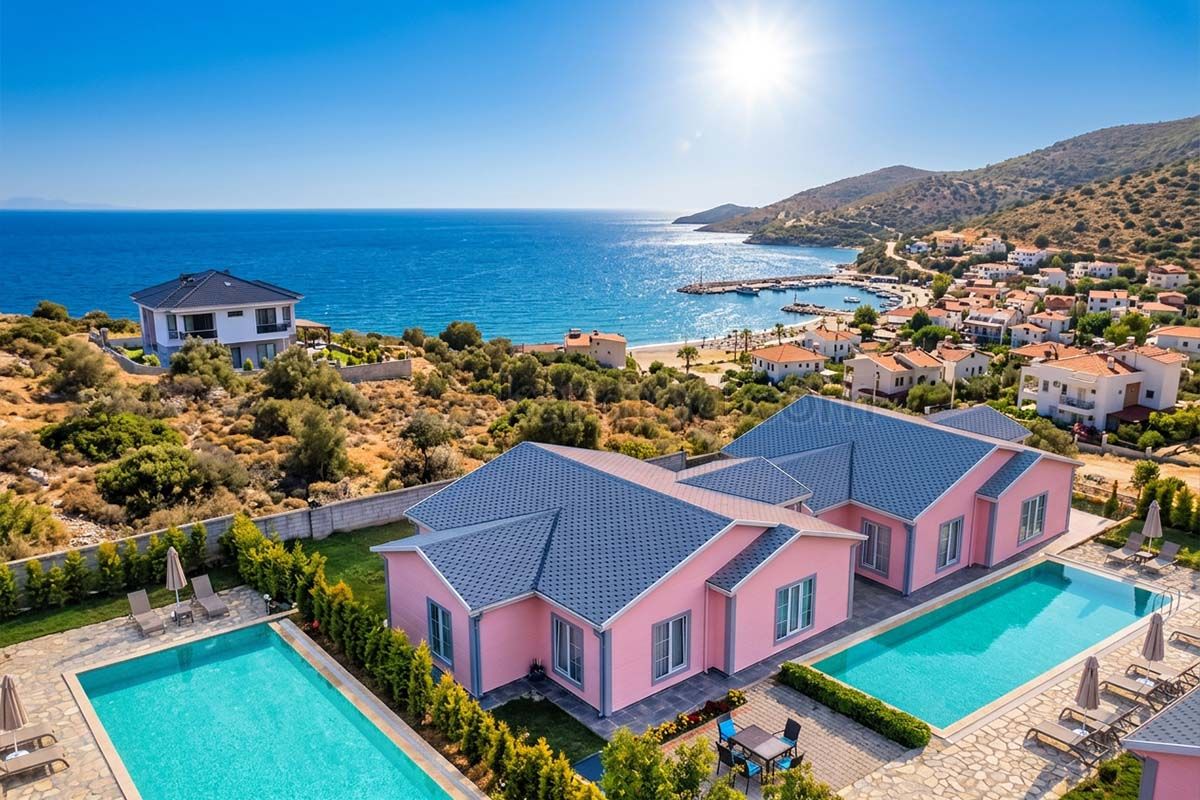
In this context, a prefab house in Guyana can be a suitable approach for projects that require predictable timelines and consistent build quality. Prefab homes in Guyana can reduce on-site work in challenging weather periods and support deployment in areas where skilled labor or materials may be harder to source. Using modular housing solutions and modular construction systems also helps standardize performance for insulation, structural stability, and long-term upkeep across different project types.
If you're looking for a high-quality, durable prefab house in Guyana, Karmod supports projects with design, manufacturing, and installation workflows suited to prefabricated housing solutions. Our prefabricated houses are produced with consistent material specifications to support durability, energy performance, and responsible resource use.
Guyana’s climate places constant stress on building envelopes due to humidity, temperature, and prolonged rainy seasons. Prefab systems can be designed with moisture-resistant detailing, reliable roof drainage planning, and materials selected for tropical environments. Where sites are near the coast, corrosion-aware choices and protective finishes become important for long service life.
Transport and site access vary widely across Guyana, from coastal routes to interior regions served by river systems and limited road networks. Prefabricated housing solutions can simplify procurement by consolidating production off-site and delivering pre-engineered components. This approach can be beneficial when local supply chains are uneven or when projects need to reduce on-site storage and handling.
Fast assembly is often a key advantage of prefab construction in climates where extended wet periods can slow traditional building. Shorter installation windows help reduce site disruption and can support faster occupancy for residential, workforce, or community housing developments.
Prefab houses in Guyana can be planned around specific site conditions. A project may prioritize raised floor solutions for flood exposure, shaded outdoor areas for comfort, or layouts that support cross-ventilation. Modular housing solutions make it easier to align these design goals with standardized construction.
Prefab homes prices in Guyana typically depend on the building area, plan complexity, material specification, and the intended use (private home, staff accommodation, community housing, or mixed-use facilities). Pricing also varies based on site readiness and the level of finishing required, such as insulation scope, window specifications, and interior fit-out.
Because projects may be located along the coast or deeper inland, shipping and handling requirements can affect the overall budget. Transport planning, packaging, and delivery route constraints should be considered early, especially for projects outside major hubs.


Instead of relying on generic figures, prefab homes in Guyana are often best priced through a project-based quotation approach. This helps reflect real-world variables such as foundation requirements, delivery conditions, assembly scope, and local compliance needs for the selected location.
A low cost prefab house in Guyana cost can be managed through smart scope decisions rather than reducing essential structural quality. Modular cost control comes from selecting standardized module sizes, simplifying roof geometry, and choosing durable finishes that require less maintenance in humid environments.
Where budgets are tight, modular construction systems can also help phase development. This allows a smaller initial footprint with the option to extend later, keeping the first-stage investment aligned with current needs.
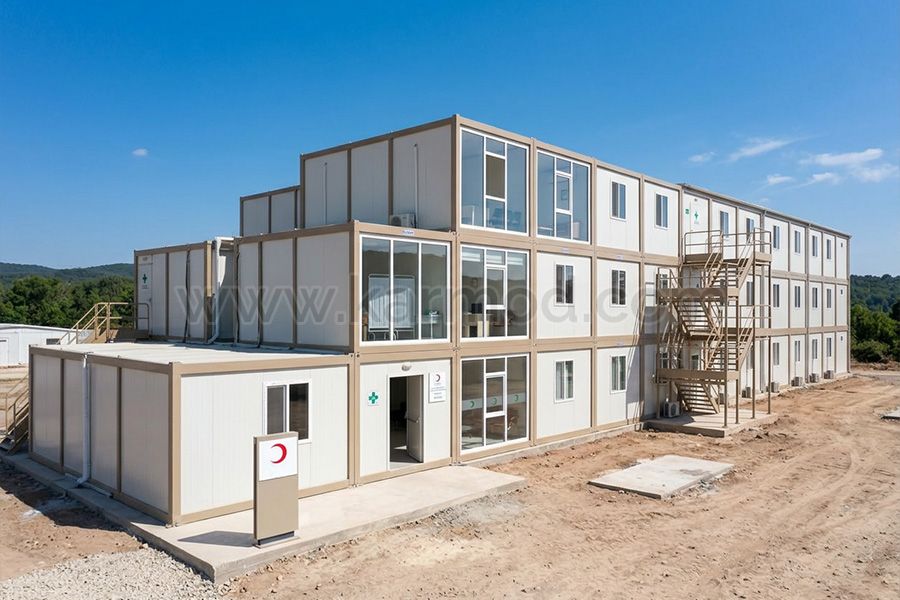
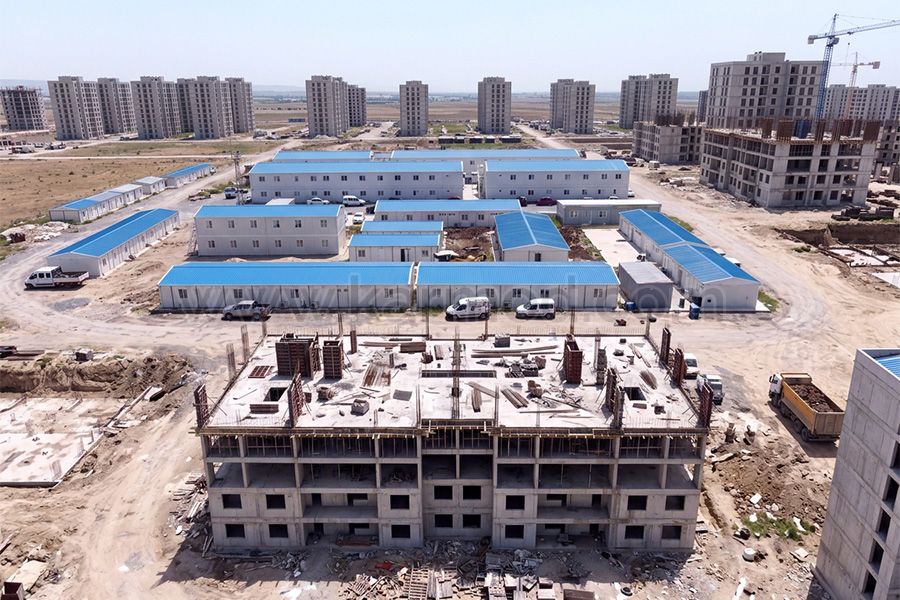
Social housing and community-focused developments often need fast delivery, repeatable quality, and predictable costs. Prefabricated housing solutions can support multi-unit deployment with consistent specifications, which is useful for programs that aim to house larger populations within limited timelines.
For public or government projects, modular housing solutions can streamline planning by standardizing unit types while still allowing variations for accessibility, family size, or local site constraints. The ability to manufacture components off-site also helps reduce weather-related delays and improves schedule reliability during rainy seasons.
Prefab steel buildings in Guyana are commonly used for facilities that require long spans, high durability, and efficient construction. In humid and rainy conditions, steel-frame solutions can be engineered for strength and stability while incorporating protective measures for coastal or high-moisture locations.
Karmod supports prefabricated steel building projects in Guyana with scalable options for commercial, industrial, agricultural, and institutional uses. Our steel buildings can be configured to match functional requirements such as storage, production areas, workshops, and service facilities.
For long-term use, design considerations may include ventilation strategy, roof insulation choices, and drainage planning to handle heavy rainfall. Prefab steel buildings also benefit projects that need quick installation with minimal on-site disruption.
Modular homes in Guyana provide a structured path to customization without losing the benefits of repeatable manufacturing. Layouts can be planned for single-family housing, employee accommodation, or multi-unit developments, with options to adapt room counts and circulation to the project’s needs.
Expandability is a key advantage for long-term planning. Modular construction systems can support future additions, such as extra bedrooms, extended living areas, or auxiliary units, helping owners scale the home over time rather than rebuilding.
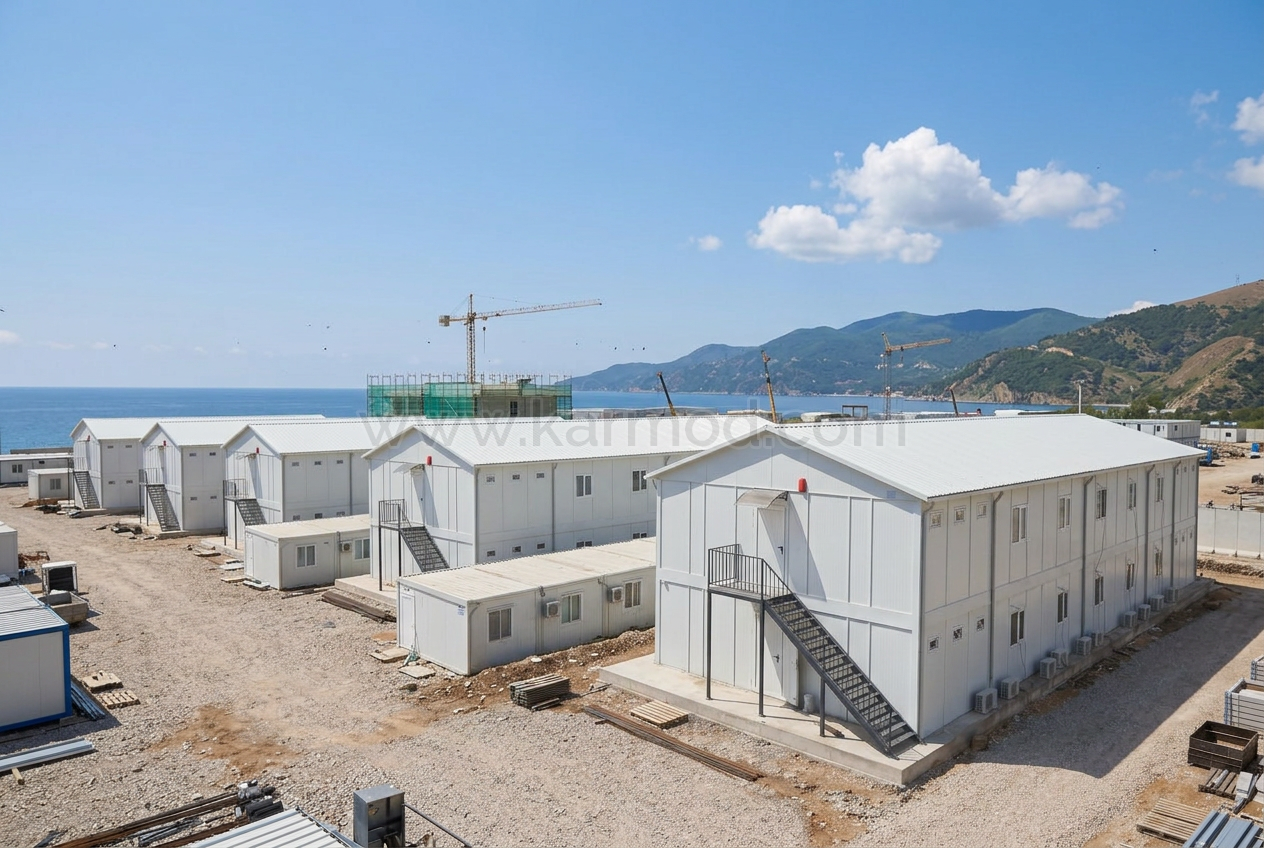
Mobile homes in Guyana are typically used when flexibility and relocation are priorities. They can support temporary housing, project-based accommodation, site offices, or short-term community needs where fast deployment is essential.
Relocatable solutions are particularly useful for industries operating across multiple sites, allowing a unit to be moved and reused as projects shift locations. When planned as part of a broader housing strategy, mobile homes can complement permanent modular homes in Guyana by covering short-term capacity requirements.
In order to serve you better, if you could kindly send an e-mail to info@karmod.com for questions and details about your theoretical and special architectural plans, projects, and product specifications, your request will be responded to as soon as possible.

From one end of the world to the other, we enable our customers to reach the ready-made construction sector produced with the new technology of the world. We guarantee reliability through technology and innovation, flexible commercial models and smart supply chain solutions that add value for you, following the project production network.
Discover
Karmod is one of the largest prefabricated construction companies in Turkey, with a production of 45,000 m2. produces high quality prefabs and prefab containers