EN
EN 


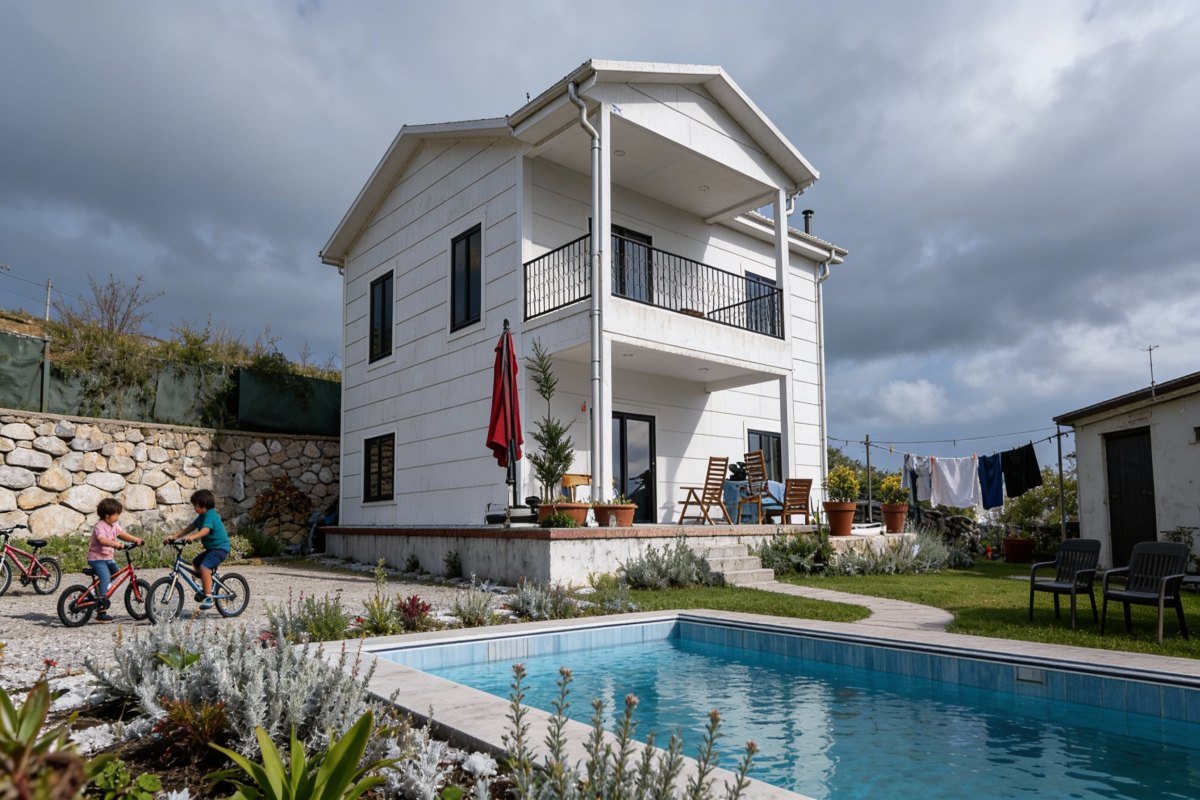
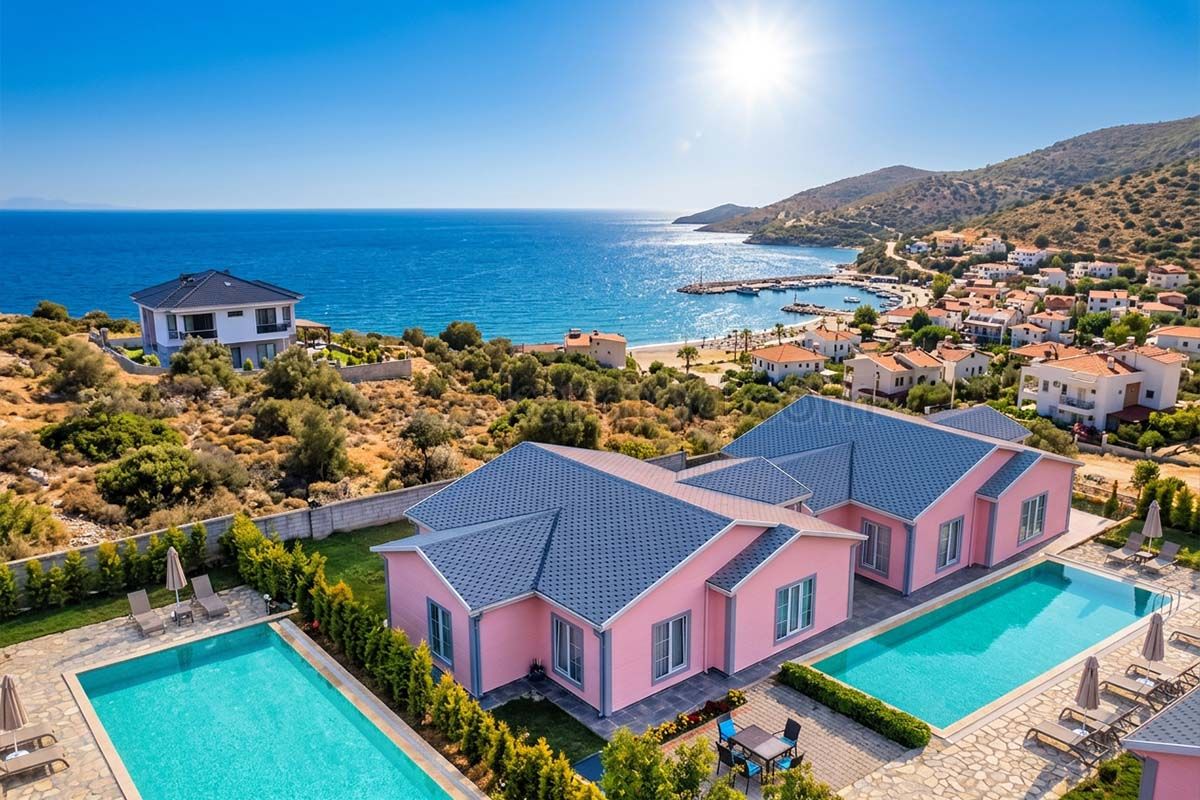
The Cayman Islands, located in the western Caribbean Sea, consist of three low-lying islands with a strong tourism-driven economy and a tropical maritime climate. High humidity, salt air exposure, and seasonal hurricane risks all influence construction decisions, while most building materials must be imported. In this context, a prefab house in Cayman Islands offers a controlled and efficient alternative to traditional construction, helping reduce on-site work and improve schedule predictability.
Because land development and housing demand are closely tied to tourism, financial services, and population growth, prefab homes in Cayman Islands are increasingly evaluated for their speed of delivery and consistent build quality. Factory-based production supports better quality control, while modular housing solutions allow phased development and adaptable layouts suitable for both permanent residences and investment-driven projects. These advantages make prefabricated housing solutions relevant across residential, hospitality, and workforce accommodation needs.
Residential buildings in the Cayman Islands must be designed to perform reliably in a hot, humid, and hurricane-prone environment. A properly specified prefab house in Cayman Islands typically incorporates moisture management, wind-load resistance, and thermal efficiency to support long-term comfort and durability.
Logistics efficiency is a significant benefit of prefabricated housing solutions on the islands. With limited local manufacturing capacity, off-site production allows major building components to be delivered in coordinated shipments, reducing storage needs and on-site labor requirements.
Speed of installation is another practical advantage. Modular construction systems help shorten the on-site phase, reducing exposure to weather-related delays and allowing projects to align more easily with development schedules.
The cost of prefab homes in Cayman Islands varies based on building size, structural specifications, interior finishes, site access, and transport arrangements. Prefab home systems are often considered for their ability to offer clearer cost forecasting through standardized production and defined installation scopes.
Transport and logistics play a central role in overall pricing. Shipping distances, port handling, customs procedures, and inter-island coordination can all influence the final project cost, particularly for larger or multi-unit developments.


As a result, prefab homes in Cayman Islands are commonly priced using a project-based quotation approach. This allows technical specifications, delivery methods, and installation conditions to be aligned with site-specific requirements and long-term use expectations.
Achieving a low cost prefab house in Cayman Islands generally focuses on efficient design and scope control rather than reducing performance standards. Compact floor plans, standardized modules, and durable materials suitable for coastal climates can help manage budgets while maintaining reliability.
Modular cost control benefits from repeatable manufacturing processes and reduced on-site labor. Modular construction systems can help limit delays, rework, and material waste, which is particularly important in island environments with longer supply chains.
Considering lifecycle costs such as maintenance, corrosion resistance, and energy efficiency supports prefabricated housing solutions that remain economical over time, not just at initial installation.
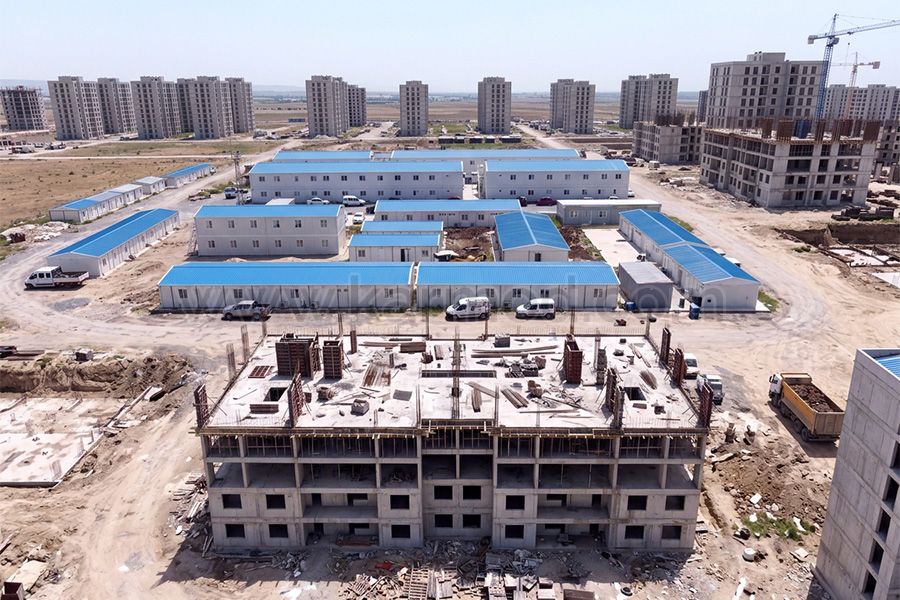
Social and community housing initiatives in the Cayman Islands may need to address workforce accommodation, population growth, and resilience to extreme weather events. Prefab homes in Cayman Islands can support these objectives by enabling consistent unit quality and predictable delivery schedules.
For public or government-supported projects, modular housing solutions allow standardized designs to be deployed in phases, aligning construction timelines with infrastructure availability and budget planning.
Fast deployment benefits are especially relevant in post-storm recovery or urgent housing scenarios, where prefabricated housing solutions can reduce on-site construction duration while maintaining compliance with local regulations.
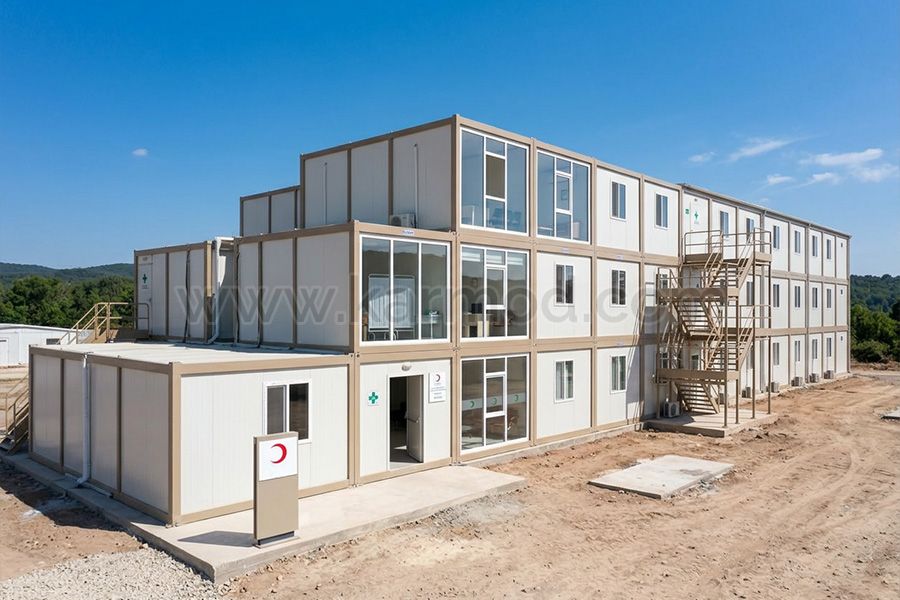
Prefab steel buildings in Cayman Islands are often selected for commercial, storage, and service-related applications where durability and structural performance are critical. Steel systems can be engineered to meet wind-load requirements and support efficient interior layouts.
In a coastal tropical environment, corrosion protection and weather resistance are key considerations. Properly specified prefab steel buildings in Cayman Islands are designed with suitable coatings and detailing to support long-term use.
These structures are commonly used for projects that require predictable performance and efficient installation within constrained timelines.
Modular homes in Cayman Islands offer flexibility in layout and scale, making them suitable for a range of residential and mixed-use developments. Floor plans can be adapted to site conditions while retaining the efficiencies of modular production.
Customization and future expandability are important planning factors. Modular housing solutions can be designed to allow internal reconfiguration or phased expansion as household or investment needs evolve.
When planning modular homes in Cayman Islands, attention is typically given to ventilation strategies, thermal comfort, and material durability to support year-round living.
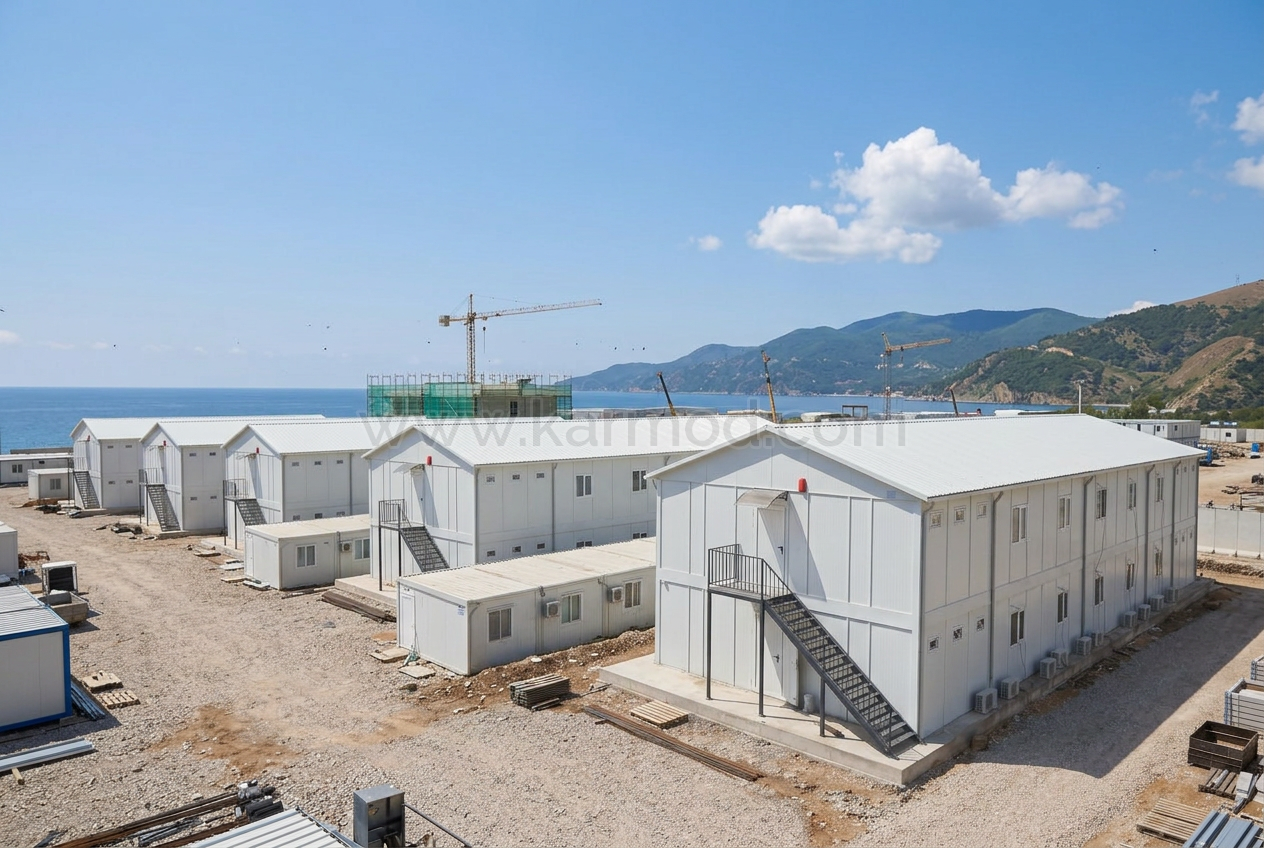
Mobile homes in Cayman Islands are often used for temporary or project-based accommodation, including construction teams, seasonal staff, or interim housing needs. Their relocatable nature can be useful where land use is time-limited.
For island settings, mobile homes are evaluated based on transport efficiency, ease of installation, and resilience during relocation. Prefabricated housing solutions designed for mobility can reduce repeated construction efforts while maintaining acceptable living standards.
In project-driven applications, mobile homes in Cayman Islands support flexibility and controlled deployment when site preparation and approvals are planned in advance.
In order to serve you better, if you could kindly send an e-mail to info@karmod.com for questions and details about your theoretical and special architectural plans, projects, and product specifications, your request will be responded to as soon as possible.

From one end of the world to the other, we enable our customers to reach the ready-made construction sector produced with the new technology of the world. We guarantee reliability through technology and innovation, flexible commercial models and smart supply chain solutions that add value for you, following the project production network.
Discover
Karmod is one of the largest prefabricated construction companies in Turkey, with a production of 45,000 m2. produces high quality prefabs and prefab containers