EN
EN 


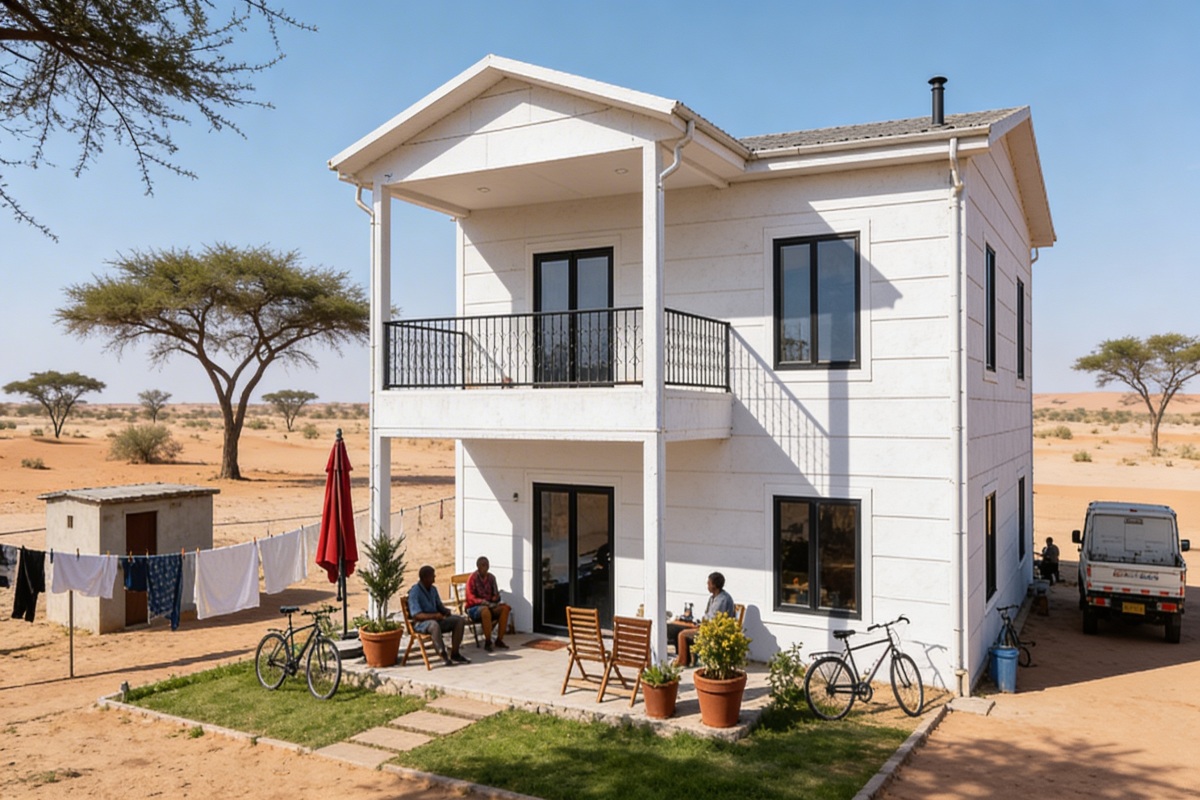
Botswana is a landlocked country in Southern Africa, known for the Kalahari Desert, wide open plains, and long travel distances between towns and project sites. With a mostly semi-arid climate, hot summers, cooler winter nights, and seasonal rains that can affect access roads, building in Botswana often requires practical choices that handle heat, dust, and logistical constraints. For residential growth around Gaborone and Francistown, as well as development in more remote districts, prefabricated housing solutions can help bridge the gap between demand, timelines, and site conditions.
Choosing a prefab house in Botswana can be a sensible approach when speed, predictable quality, and controlled production matter. Prefab homes in Botswana are typically manufactured off-site and delivered as ready-to-assemble components, which supports consistent workmanship and shorter on-site construction periods. This makes modular housing solutions and modular construction systems especially relevant for areas where skilled labor availability varies, site access is challenging, or projects must be delivered on a fixed schedule.
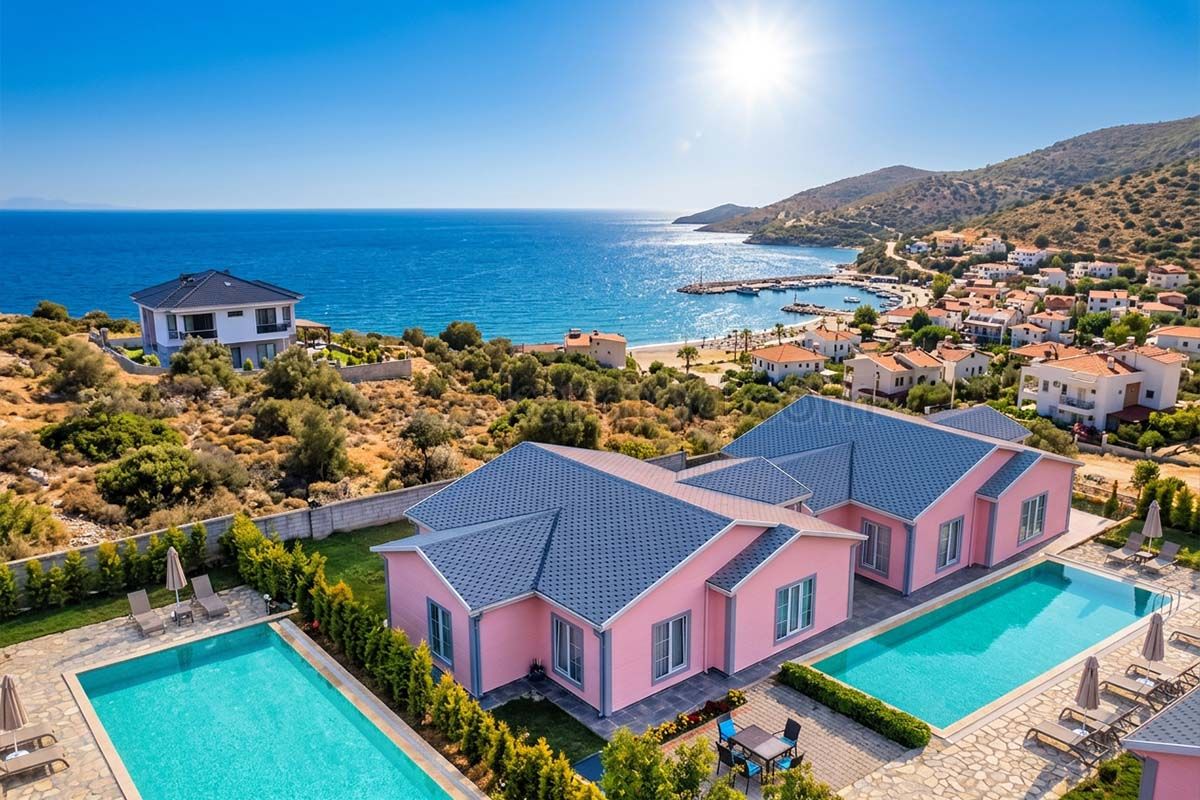
Prefab housing in Botswana can be designed for temperature swings, strong sun exposure, and seasonal rain. Factory-built modules allow insulation, ventilation planning, and material selection to be standardized, helping support comfort and energy efficiency over time. Because configurations can be adjusted by layout and module count, prefab homes in Botswana can serve individual residences, staff accommodation, and community-scale developments without relying on one-size-fits-all plans.
Botswana’s semi-arid environment places emphasis on heat management, UV exposure, dust control, and rainwater handling during the wet season. A prefab house in Botswana can be specified with insulation levels, roof and wall detailing, and ventilation strategies that support indoor comfort in hot conditions while reducing reliance on intensive cooling. Thoughtful detailing also helps protect the building envelope from wind-driven dust and occasional storms.
Long distances between ports, distribution hubs, and inland destinations can affect conventional building timelines. Prefabricated housing solutions can reduce on-site material storage needs and limit weather delays because major components arrive planned and packaged. For remote / climate-based construction where access roads or site constraints reduce productivity, modular construction systems can simplify delivery and on-site staging.
Shorter construction windows can be valuable for projects that must align with funding cycles, workforce schedules, or seasonal access. Prefab homes in Botswana are assembled from pre-engineered parts, which often reduces on-site labor time and allows internal fit-out to proceed sooner. This can be especially helpful for staff housing near mines, infrastructure projects, and expanding peri-urban areas.
Prefab homes prices in Botswana vary depending on the floor area, number of modules, structural specifications, interior finishes, and compliance requirements for the intended use. Costs are typically shaped by how the project is configured (single-family home, multi-unit block, staff camp, or community housing), as well as the performance requirements for insulation, openings, and durability in local conditions.
In most projects, pricing is driven by the building size, module count, structural system, and the level of interior completion (basic shell versus turnkey). Standardized modules can help keep budgets predictable by controlling material usage and labor time in production. Karmod offers affordable prefab homes that are designed to align with different budget ranges while maintaining consistent production quality.
Botswana’s inland location means transport planning can materially affect total project cost. The distance from ports and suppliers, road conditions to the site, and the volume of modules all influence logistics. For remote areas, delivery strategy, on-site access, and cranage or lifting requirements should be evaluated early so the overall budget reflects realistic transport and installation needs.
Because site conditions and design expectations differ widely between urban plots and remote developments, pricing is typically best handled through a project-based quotation. This approach accounts for layout, module sizing, insulation targets, optional upgrades (such as solar readiness), foundation assumptions, and delivery requirements. It also helps compare alternative specifications transparently without compromising the core performance of the modular home.
A low cost prefab house in Botswana cost is usually achieved by selecting efficient layouts, limiting unnecessary complexity, and using standardized module dimensions that optimize production and transport. Affordability does not need to mean short lifespan—durability, weather protection, and basic comfort can be maintained through sensible material choices and accurate detailing.
Modular construction systems support cost control by reducing rework and improving predictability. When a design is modular from the start, it is easier to phase the project, prioritize essential rooms first, and add upgrades later. This staged approach can be practical for households and organizations balancing immediate occupancy needs with longer-term planning.
Budget planning also improves when the scope is clearly defined—size, finish level, openings, and services. For more detail on standard options, see affordable prefab homes that are designed and how modular specifications can be aligned to different project types.


Housing demand in Botswana is influenced by urbanization, workforce mobility, and the need for reliable accommodation in expanding towns and service corridors. Social housing projects can benefit from prefabricated housing solutions because manufacturing consistency supports standardized unit quality, and construction schedules can be managed more predictably across multiple sites.
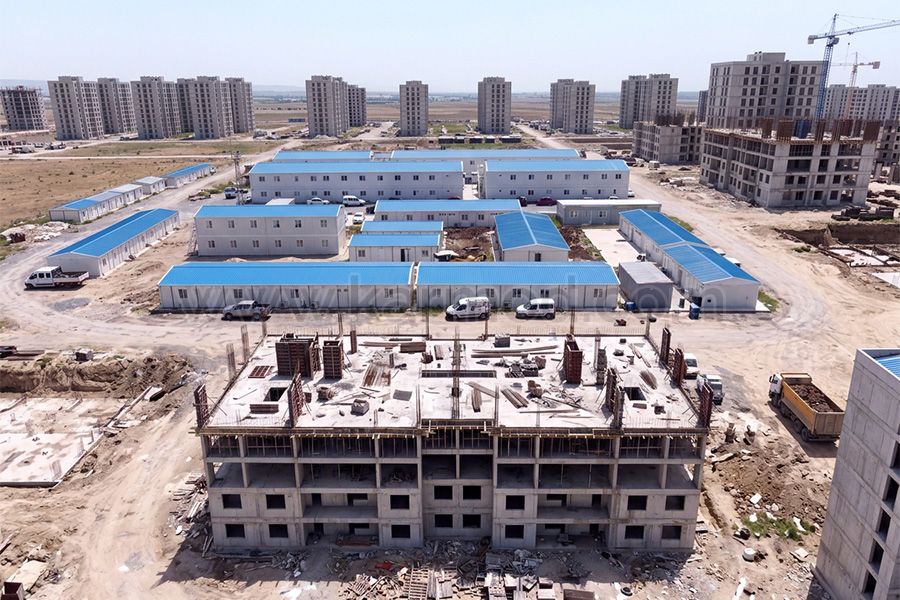
For public / government projects and community housing, modular housing solutions can help scale delivery while maintaining repeatable specifications. This can support faster rollouts for multi-unit developments, staff housing for essential services, and transitional accommodation when capacity must expand quickly.
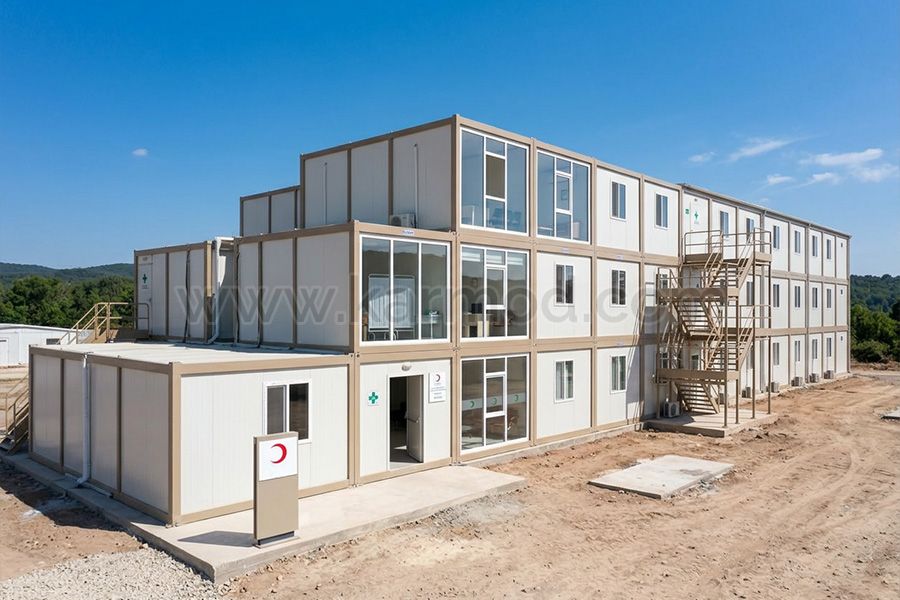
Fast deployment benefits also matter for urgent housing needs, including temporary rehousing after localized events, worker accommodation for infrastructure programs, or phased community expansion. With modular construction systems, additional units can often be added as demand grows, supporting long-term planning rather than one-off builds.


Prefab steel buildings in Botswana are often selected for their structural strength, durability, and suitability for long-term use in demanding environments. Steel systems can be appropriate for residential support buildings, storage, workshops, and multi-purpose facilities where robust performance and predictable engineering are priorities.
In weather resistance terms, steel structures can handle wind exposure and seasonal rain when properly detailed for corrosion protection and drainage. For semi-arid climates with strong sun and dust, design attention typically focuses on envelope sealing, ventilation, and finish protection.
For long-term use, steel systems can be maintained and upgraded over time, supporting changing operational needs. To explore structural options, see Steel buildings and how prefab steel buildings can be planned for project-specific requirements in Botswana.
Modular homes in Botswana offer a structured way to tailor layouts to household size, site constraints, and future expansion plans. Because modules are designed to connect in predictable ways, customization can focus on practical outcomes—room count, circulation, shaded outdoor areas, and adaptable interior zoning—without introducing unnecessary complexity.
Expandability is an advantage for long-term planning. A modular home can be delivered in phases, starting with core living spaces and adding bedrooms, storage, or auxiliary units later. This approach can help manage budgets while still supporting durable, climate-appropriate living standards in Botswana.
For projects that need repeatable housing units—such as staff accommodation, community housing, or mixed-use compounds—modular construction systems can simplify coordination and make timelines easier to manage across multiple builds.
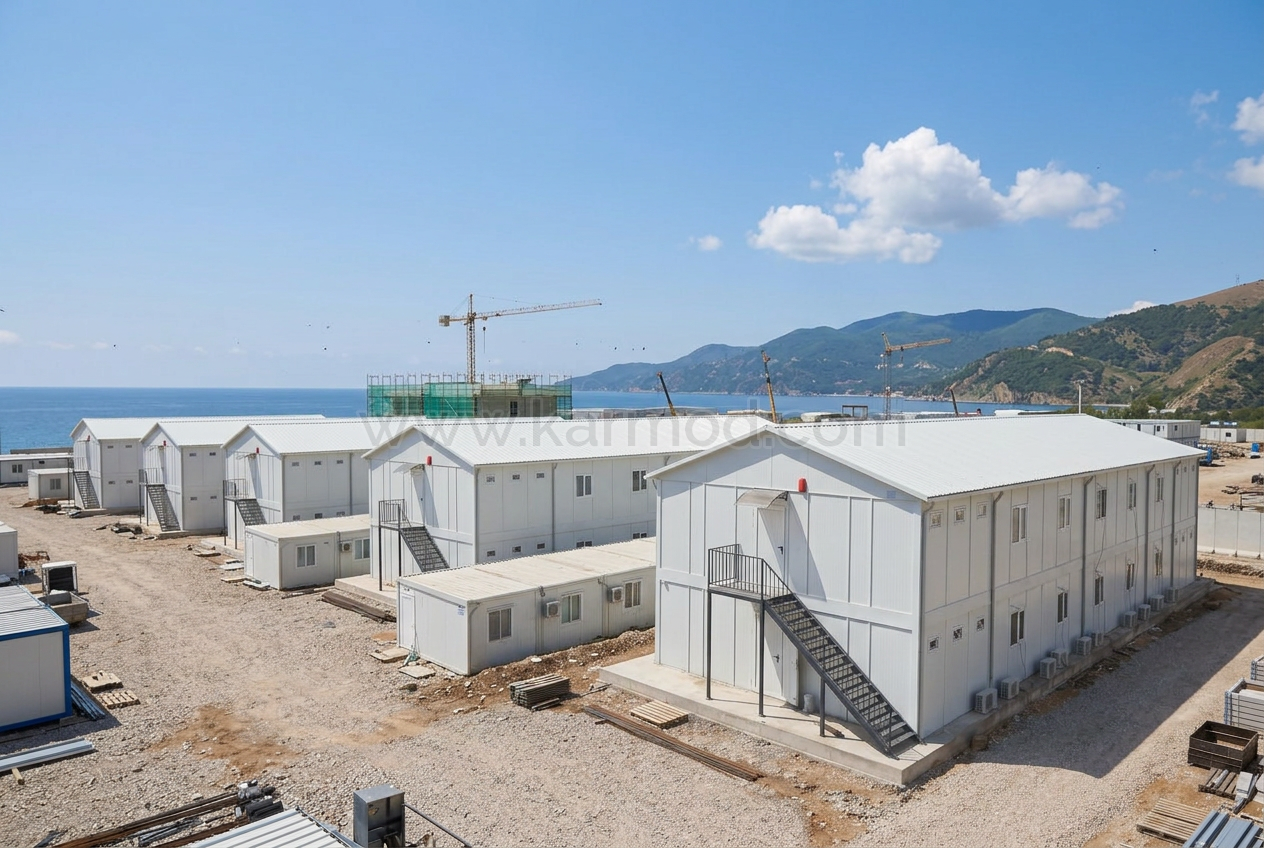
Mobile homes in Botswana can be relevant for temporary housing needs where the building may need to move as projects progress. This includes relocatable solutions for construction teams, remote work sites, short-term community support, and staged development where permanent housing will follow later.
Because they are designed for transport and quick assembly, mobile homes in Botswana can reduce the time required to establish functional accommodation and site facilities. For project-based usage, planning typically considers road access, placement, utility connections, and the expected duration at each location to ensure the solution remains practical and compliant.
Overall, prefabricated housing solutions—including prefab homes in Botswana, modular homes in Botswana, prefab steel buildings in Botswana, and mobile homes in Botswana—can support a wide range of residential and project needs when designed around local climate and logistics realities. To learn more about available configurations and planning considerations, contact info@karmod.com.
In order to serve you better, if you could kindly send an e-mail to info@karmod.com for questions and details about your theoretical and special architectural plans, projects, and product specifications, your request will be responded to as soon as possible.

From one end of the world to the other, we enable our customers to reach the ready-made construction sector produced with the new technology of the world. We guarantee reliability through technology and innovation, flexible commercial models and smart supply chain solutions that add value for you, following the project production network.
Discover
Karmod is one of the largest prefabricated construction companies in Turkey, with a production of 45,000 m2. produces high quality prefabs and prefab containers