EN
EN 


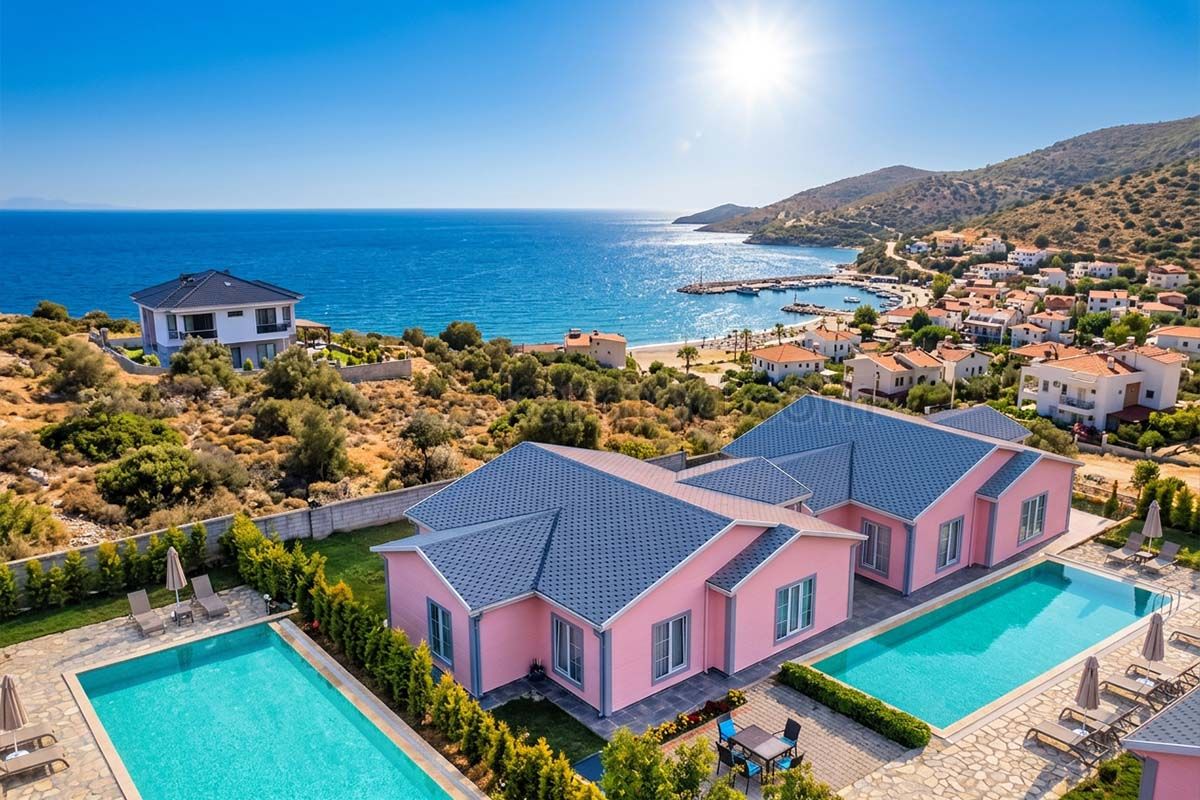
Austria sits at the heart of Central Europe, defined by the Alpine mountain chain, broad valleys, and a temperate climate with cold, snowy winters in higher regions and milder conditions in lower-elevation cities such as Vienna and Graz. With strong environmental standards, a high-cost skilled labor market, and strict building expectations, many projects prioritize predictable quality, energy performance, and efficient delivery. In this context, a prefab house in Austria is increasingly considered for its controlled production, faster on-site timeline, and consistent build standards—especially when local weather windows and scheduling constraints matter.
Prefab homes in Austria align well with the country’s sustainability goals and demand for high-performing building envelopes. Because much of the work happens off-site, modular housing solutions can reduce construction disruption, improve quality control, and support clearer planning for finishes, insulation, and building services. For homeowners and project planners, prefabricated housing solutions and modular construction systems can offer a practical route to durable housing that performs across Austria’s varied regional conditions.
As a recognized manufacturer in the prefab sector, Karmod provides prefabricated housing solutions for different use cases and budgets, including project-based planning that reflects site access, energy requirements, and local installation constraints. Existing demand is shaped by both urban densification and rural development needs, where modular planning can support phased growth and long-term property strategies.
Austria’s regional climate variation—particularly snow loads, freeze–thaw cycles, and seasonal moisture—requires careful detailing of the roof, façade, and insulation system. Prefab and modular construction systems support factory-controlled assembly of wall and roof elements, which can help reduce on-site weather exposure during key construction stages. In colder areas, thermal performance, airtightness, and condensation control become central to durability and comfort.
Even with strong national infrastructure, mountain regions and winter conditions can complicate delivery schedules and on-site material handling. Prefabricated housing solutions can simplify logistics by shipping planned components rather than relying on prolonged on-site fabrication. This approach can be useful for remote / climate-based construction in alpine districts, where access restrictions and seasonal limitations can affect traditional building programs.
Prefab homes in Austria are often selected to shorten the on-site timeline. When foundations and utilities are ready, the installation phase can progress quickly because major building elements are pre-manufactured and pre-fitted. Faster enclosure helps protect interior works from weather and supports more predictable project planning.
Prefab home pricing in Austria typically reflects the total project scope rather than a single “per square meter” figure. Key variables include floor area, structural system, insulation level, glazing specification, interior finish package, and the complexity of the plan. Requirements for energy performance and building standards can also affect specifications, especially where higher insulation values and ventilation planning are needed.
Delivery and handling can influence total pricing, particularly for sites in alpine regions or areas with restricted access for heavy vehicles. Route planning, unloading equipment, seasonal limitations, and staging space on site can affect logistics costs. For multi-module projects, phased deliveries may be used to align with site readiness and local installation conditions.
Because site conditions vary across Austria—urban plot constraints, rural access, slope conditions, and local compliance needs—pricing is often provided through a project-based quotation. This approach helps align the offer with location, foundation requirements, performance targets, and selected interior/exterior finishes, providing a clearer basis for comparison than generic estimates.
A low cost prefab house in Austria is typically achieved through smart scope definition rather than reduced build integrity. Standardized layouts, repeatable modules, and a controlled finish selection can keep budgets predictable while maintaining durability and energy performance. Modular cost control also supports phased planning, where homeowners prioritize essential spaces first and schedule optional upgrades later.
For buyers comparing affordability, it helps to review what is included in the base specification—insulation and glazing level, heating/ventilation allowances, interior finishes, and installation scope—so the “entry price” reflects the real delivered outcome rather than a limited shell specification. For reference, Prefab homes can be configured in different levels to match project priorities and local requirements.


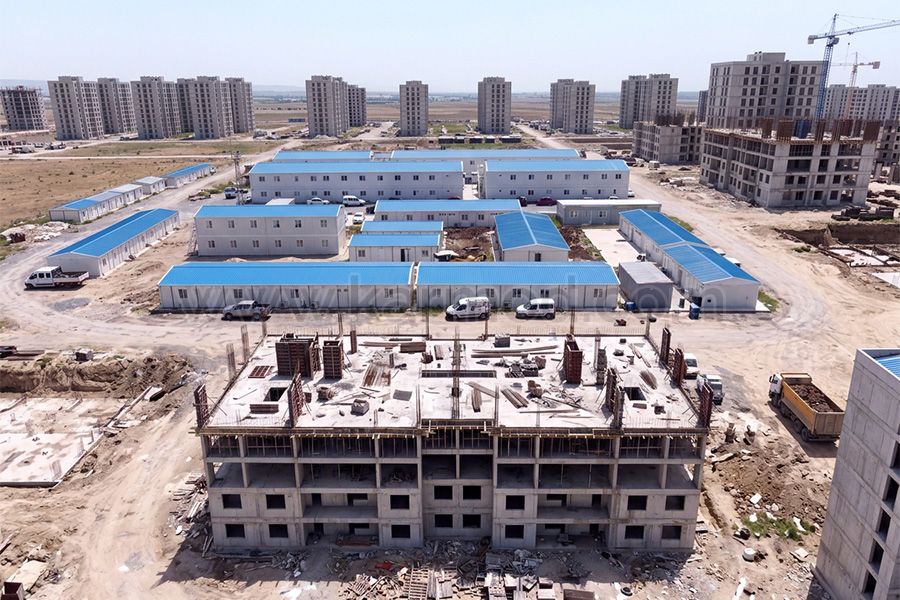
Austria has a strong tradition of planned residential development and community housing, where procurement discipline, energy performance, and occupant comfort are central. Prefabricated housing solutions can support social housing goals by enabling repeatable designs with consistent quality and reliable schedules. This is especially relevant for projects that need standardized apartments, staff accommodation, or rapid delivery across multiple locations.
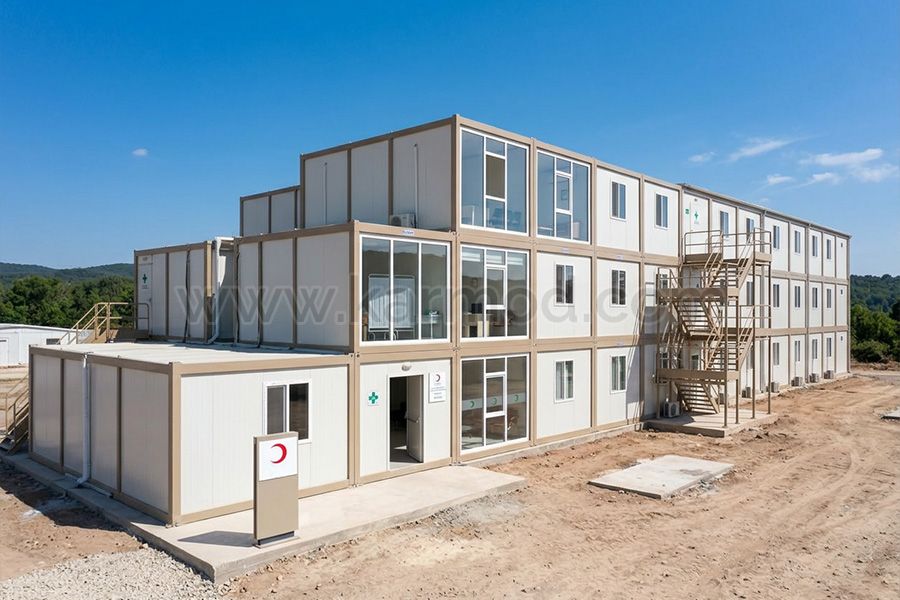
For public or government-led developments, modular housing solutions can help accelerate delivery by reducing on-site time and simplifying coordination among trades. Fast deployment can also benefit temporary housing needs or renovation decanting programs, where occupancy timelines are fixed and construction disruption should be minimized.
Prefab steel buildings in Austria are widely used for warehouses, agricultural storage, workshops, and light industrial facilities where structural durability and long service life are key. Steel systems can be specified for snow loads, wind exposure in open valleys, and long-term moisture protection through corrosion-resistant detailing and appropriate envelope design.
High-quality prefab steel buildings can also support adaptable internal layouts, allowing businesses to reconfigure space over time without major structural changes. For long-term use, specification typically focuses on envelope performance, drainage and ventilation design, and maintenance access, particularly in climates with repeated freeze–thaw cycles.


Modular homes in Austria are often chosen for their planning flexibility and consistent build outcomes. Modular construction systems allow homeowners and developers to select layouts that fit both compact urban plots and rural sites, while keeping production controlled and predictable. This approach can support clear scheduling and quality assurance, particularly when weather or access constraints would otherwise extend timelines.


Customization typically focuses on layout options, façade preferences, insulation levels, and interior finishes—so the home aligns with both personal needs and long-term operating costs. Expandability is another advantage: additional rooms, a workspace, or a secondary unit can often be planned as future phases, supporting long-term household planning without redesigning the entire building.
Austria’s emphasis on energy efficiency also makes modular housing solutions relevant for projects that prioritize high thermal performance, controlled ventilation strategies, and reduced heat loss—especially in colder regions.
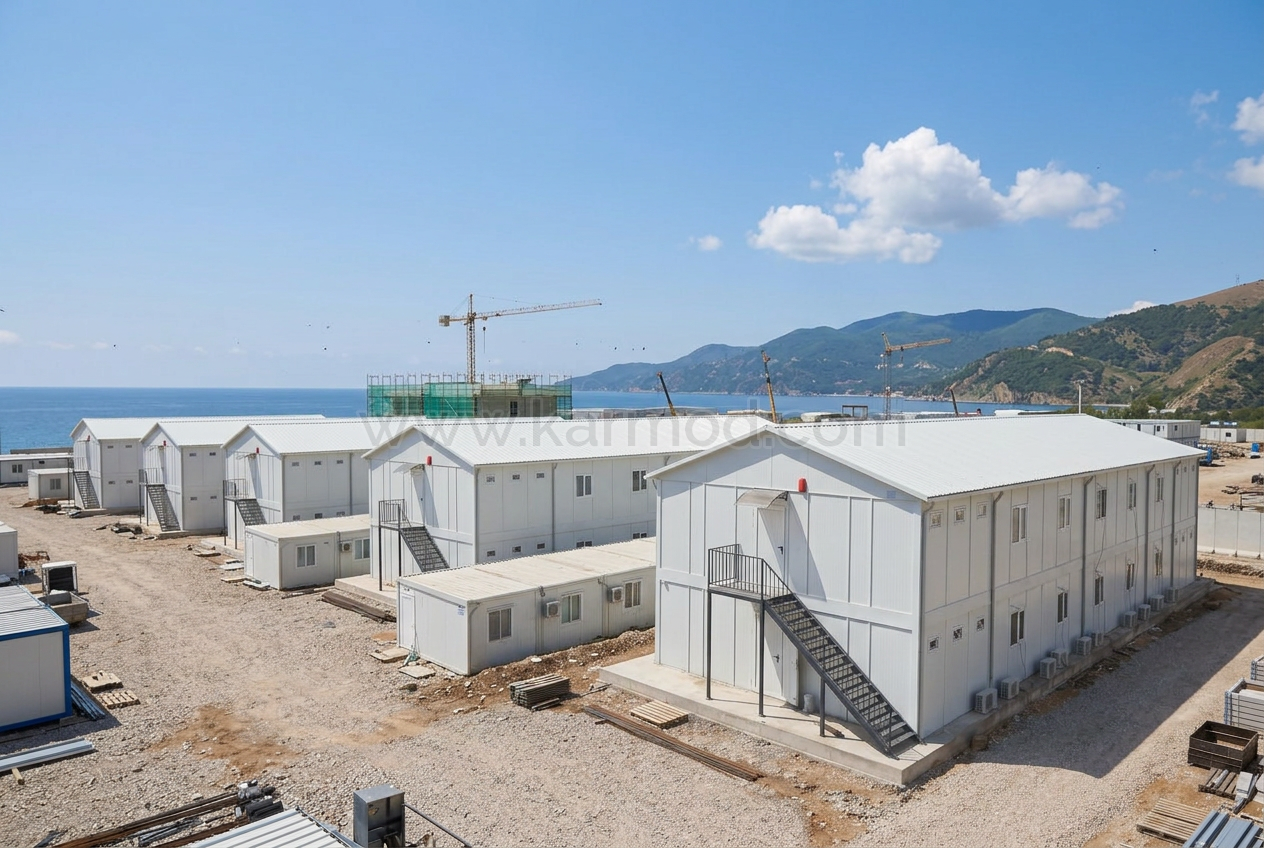
Mobile homes in Austria are commonly considered for temporary accommodation needs such as tourism operations, seasonal worker housing, site offices, and short-term project deployments. Relocatable units can reduce the need for permanent construction when usage is time-limited or when project locations change.
For project-based use, mobile homes can be planned with practical specifications—insulation suitable for cooler seasons, durable interior finishes, and efficient heating/ventilation options. In remote / climate-based construction contexts, relocatable solutions can provide fast occupancy with predictable quality while minimizing extended on-site work.
Across these categories—prefab house in Austria, prefab homes in Austria, modular homes in Austria, prefab steel buildings in Austria, and mobile homes in Austria—the most useful comparisons typically come from aligning performance expectations and scope: energy requirements, site conditions, logistics, and the level of finishes included. This project-based view supports clearer budgeting and more accurate planning than broad, generic price claims.
Within Austria’s prefab market, homeowners and developers often evaluate suppliers based on consistent build quality, specification transparency, and the ability to align modular construction systems with local conditions. Karmod provides prefabricated housing solutions across housing and building types, supporting projects where controlled manufacturing and predictable installation timelines are priorities. For buyers reviewing prefab homes prices in Austria, the most practical approach is to compare like-for-like specifications—energy performance, finishes, logistics scope, and installation requirements—so the final outcome matches both budget and long-term use expectations.
In order to serve you better, if you could kindly send an e-mail to info@karmod.com for questions and details about your theoretical and special architectural plans, projects, and product specifications, your request will be responded to as soon as possible.

From one end of the world to the other, we enable our customers to reach the ready-made construction sector produced with the new technology of the world. We guarantee reliability through technology and innovation, flexible commercial models and smart supply chain solutions that add value for you, following the project production network.
Discover
Karmod is one of the largest prefabricated construction companies in Turkey, with a production of 45,000 m2. produces high quality prefabs and prefab containers